Published: 05 October ‘2025. the English Chronicle Desk
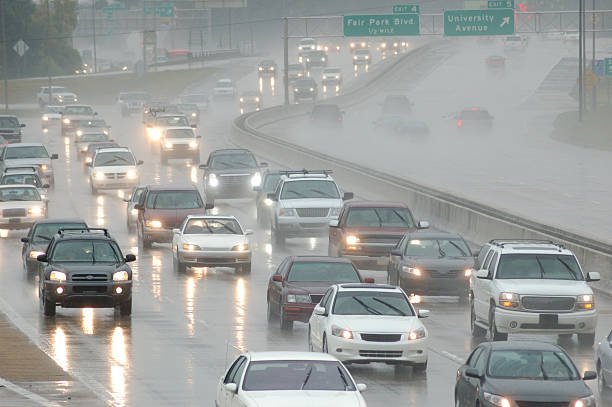
Storm Amy has continued to batter the UK and Ireland, bringing widespread disruption, power outages, and dangerous conditions, with authorities urging caution and residents to stay updated on evolving weather developments. The storm has already claimed at least one life, as emergency services in Ireland confirmed that a man died in a “weather-related” incident in the Letterkenny area of County Donegal shortly after 4:15pm on Friday.
In response to the deteriorating conditions, the Met Office has issued a yellow weather warning for wind covering the entirety of the UK for Saturday, with an amber warning in place for northern Scotland until 9pm. The amber warning alerts residents to the risk of “damaging” gusts, which in some exposed areas have exceeded 100mph, creating hazardous conditions for travel and outdoor activity.

The storm has caused widespread power outages, leaving around 42,000 homes without electricity as of Saturday evening. Railway lines, roads, and ferry services have been severely disrupted, while many local authorities have had to close public spaces for safety reasons. In London, all eight of the city’s royal parks, including Hyde Park and Richmond Park, were closed on Saturday due to high winds. A statement on the Royal Parks website confirmed that all park roads, cycleways, cafes, sports venues, and boating facilities would remain closed, with a delayed reopening scheduled for Sunday pending safety inspections.
Scotland has faced particularly severe weather conditions, with further disruption anticipated on Sunday. The north of Scotland is under a renewed amber warning for damaging winds, with gusts exceeding 90mph predicted in certain areas. Most of Scotland, excluding the east coast, is also under a yellow warning for heavy rain, while the yellow wind alert extends across the entire UK. Storm Amy has already set a record for the deepest area of low pressure in the UK for October, registering 947.9 hectopascal at Baltasound in Shetland, surpassing the previous record of 950.9hPa set in 1988.
Infrastructure damage has been significant. A building in Glasgow collapsed onto a car on Friday, prompting road closures in the city center. Power outages were reported across the Highlands and several islands, with the Scottish and Southern Electricity Networks working to restore service. Fraser Wilson, speaking on BBC Radio Scotland, confirmed that crews were working to reconnect 62,000 homes, but warned that the storm was far from over and that restoration would take time due to ongoing high winds and network damage.
Transport services have been heavily affected, with multiple road closures and restrictions. The Forth Road Bridge remains closed to all traffic, while the Tay Road Bridge has reopened under a 30mph limit and remains closed to high-sided vehicles, alongside the Skye Bridge, Queensferry Crossing, and Clackmannanshire Bridge. CalMac ferry services are also expected to face disruption over the weekend, with many crossings canceled. Authorities have urged residents to delay travel wherever possible and to check service updates before setting out.
Rail networks have experienced significant disruption, with ScotRail warning of “considerable disruption” to services. Mark Ilderton, ScotRail’s service delivery director, advised passengers to check their journeys in advance via official websites and mobile apps. Network Rail reported that Storm Amy has caused more damage than initially predicted, with over 60 incidents occurring within the first two hours of the storm, including flooding, trees falling onto overhead lines, and debris on tracks. Safety concerns have led to the suspension of all services to and from Glasgow Central while crews survey and repair affected areas.

Meteorologists have highlighted that the storm’s impacts extend beyond high winds, with heavy rainfall posing an additional hazard. Neil Armstrong, chief forecaster at the Met Office, warned that rainfall totals in western Scotland could exceed 30 to 50mm over six to nine hours, increasing the risk of localized flooding. He emphasized that the storm represents a significant autumn weather event, with potential for power cuts, damage to buildings, and widespread travel disruption across Scotland, Northern Ireland, north-west England, and Wales.
Authorities have continued to urge vigilance as the storm progresses, emphasizing that conditions remain hazardous and that residents should avoid unnecessary travel and monitor updates from local councils and weather services. With widespread disruptions to power, transport, and daily life, Storm Amy underscores the growing impact of extreme weather events on communities across the UK and Ireland, highlighting the importance of preparedness and caution during severe storms.
Related News:
 UK Weather: Heat Alerts Extended as Temperatures Set to Reach 30°C This Weekend
 Storm Amy Ravages UK: Fatalities, Widespread Travel Chaos, and Power Outages
 Commuters warned as yellow snow and ice alert hits Northern Ireland
 UK Energy Bills to Rise Slightly in January
 Severe Thunderstorms Lash England and Scotland: Met Office Issues Amber and Yellow Warnings Amid Flooding Risks
 Tragic End to Racing Event as Powerboat Driver Dies in Collision near Lowestoft
 Storm Floris Slams the UK,‘Danger to Life’ Warnings as Ferocious 90mph Winds Cause Chaos Nationwide
 Tragedy Strikes in Portugal: UK-Based Family of Four Killed in Devastating Holiday Collision
 Fire Contained at Edinburgh’s Arthur’s Seat After Overnight Battle by Firefighters
 England Braces for Prolonged Dry Spell as National Drought Group Urges Urgent Water-Saving Measures
 UK Heatwave Continues with Temperatures Soaring, Thunderstorms Forecast Across the Country
 Mystery Wallaby Spotted on Norfolk-Suffolk Border Sparks Police Appeal
 Manchester Airport Faces Delays After EasyJet Planes’ Wings ‘Clip’ on Runway
 Access to Iconic Cornish Beach Cut Off by National Trust Amid Safety Concerns
 Aston Villa Under Pressure as Newcastle Take on Hosts in Premier League Opener
 Tottenham Make Three Changes as Spurs Prepare to Host Burnley in Premier League Opener
 Manchester City Announce Their Return in Style with Haaland Double and Debut Goals at Wolves
 Where Is Prince William and Kate Middleton’s New House? Inside the Historic Lodge Set to Become Their ‘Forever Home’
 Tragic Loss: 11-Year-Old Girl Dies in Water Accident at Cornwall Beauty Spot
 Westminster Bridge Shut Amid Police Response to Mental Health Incident
 K Braced for 600-Mile Rainstorm with Eight Counties Set to Escape Downpours
 UK Rocked by Two Earthquakes in Three Hours as Tremors Strike Cumbria and Iconic Welsh Landmark
 UK Weather Forecast: Rain and Storms to Break Summer Heatwave Across Britain
 “Social Housing Crisis in England: Tenant Complaints Soar Amid Dangerous Living Conditions”
 Dawson’s Creek” Cast Reunites for Special Broadway Benefit to Support James Van Der Beek
 Aston Villa Fight Back to End Winless Run with Convincing Victory over Fulham
 Storm Amy set to disrupt travel across UK with winds reaching 95mph
 Arsenal Edge Past West Ham Amid Injury Concerns
 Who is Ruth Codd? All about the Irish actress on Celebrity Traitors
 Women Challenge Meta Over Targeted Ads After Miscarriage
 Owl rescued after flying 180 miles to North Sea oil rig
 Ange Postecoglou’s Naivety Premier League Misadventure Ends
 Hermer to face questions on alleged China spy case intervention
 Barnes Inspires Newcastle to Champions League Triumph Over Benfica
City shine with PlayStation-style football to overwhelm Villarreal
Barnes Inspires Newcastle to Champions League Triumph Over Benfica
City shine with PlayStation-style football to overwhelm Villarreal
 Lisbon Transport Board Resigns After Deadly Funicular Crash
 Gibbs-White Inspires Forest to Thrilling Win Over Porto
 Go Ahead Eagles Shock Aston Villa as Buendía Misses Late Penalty
 Children to Judge Inaugural Booker Prize for Young Readers
 Manchester United triumph as Mbeumo brace seals thrilling win
 Fabio Wardley stuns Joseph Parker to earn Usyk title shot
 Lotto result jackpot draw halted due to technical glitch
 Prince Andrew May Leave Royal Lodge for Frogmore Cottage
 Man Trapped in Quicksand Rescued in Dramatic Coastal Rescue
Prince Andrew Hosted Epstein Days Before Arrest
Man Trapped in Quicksand Rescued in Dramatic Coastal Rescue
Prince Andrew Hosted Epstein Days Before Arrest
 Hospice Cuts Raise Alarm Across England Amid Funding Crisis
 Morning-After Pill Now Free Across England’s Pharmacies
 Zarah Sultana Launches Party to Change Politics
 Ex-Army Sergeant Jailed for Assault on Soldier Who Later Died
 Dyche Criticises Corner Decision as Forest Draw with United
 Caicedo Shines as Chelsea Edge Spurs in Chaotic Derby
 Millions of Brits Adjust Lifestyle to Afford Essentials
 Who is Rama Duwaji? What Zohran Mamdani’s wife has said about Gaza and ICE as he’s elected NYC mayor
 Mary Earps’s Manchester United Return Faces Mixed Reception
 Sam Kerr Stars in Chelsea Return with Champions League Double
 This kid is something else: Alex Scott’s rise to England call-up
 Son Reveals UK Couple in Iran Resort to Hunger Strike for Help
 New weather warning issued with risk of flooding
 Pressure Mounts on Starmer to Sack Chief of Staff Over Briefing Row
 Two in Three Women in UK Armed Forces Report Harassment
 Former Lion Heskey Warns of Shortage of England Strikers
 Storm Claudia: Torrential Rain to Batter England and Wales
 Cold Snap Brings Snow Risk as Flood Recovery Continues
 UK Asylum Reforms: Temporary Refugee Status and Faster Deportations
 Mother Watches in Horror as Teen Daughter Dies on Tracks
 UK Vulnerable to Attack, Defence Committee Finds
 Rama Rebukes Mahmood for Targeting Albanian Families
 Russian Vessel Used Lasers on RAF Pilots, UK Claims
 Serial Rapist and Former Cop Found Guilty Again
 TikTok Star Jessie Yendle Mocked by KFC
 English Mayors Set to Introduce Tourist Taxes
 Millions Face Higher Taxes Under Reeves New Budget
 Peers Get Extra Time to Debate Assisted Dying Bill
 Planned Palestinian Flag Raising at Belfast City Hall Faces Delay Amid Legal Concerns
 Sudanese Family Vows to Stay After Racist Graffiti
 Sri Lanka Floods Leave 56 Dead, Dozens Missing
 Machynlleth High Street Left Without Christmas Lights
 Government righting decades-old injustice for miners
 Second homes curbs quashed in Gwynedd legal ruling
 Search underway for British man overboard off Tenerife