Published: 14 November 2025. The English Chronicle Desk. The English Chronicle Online.
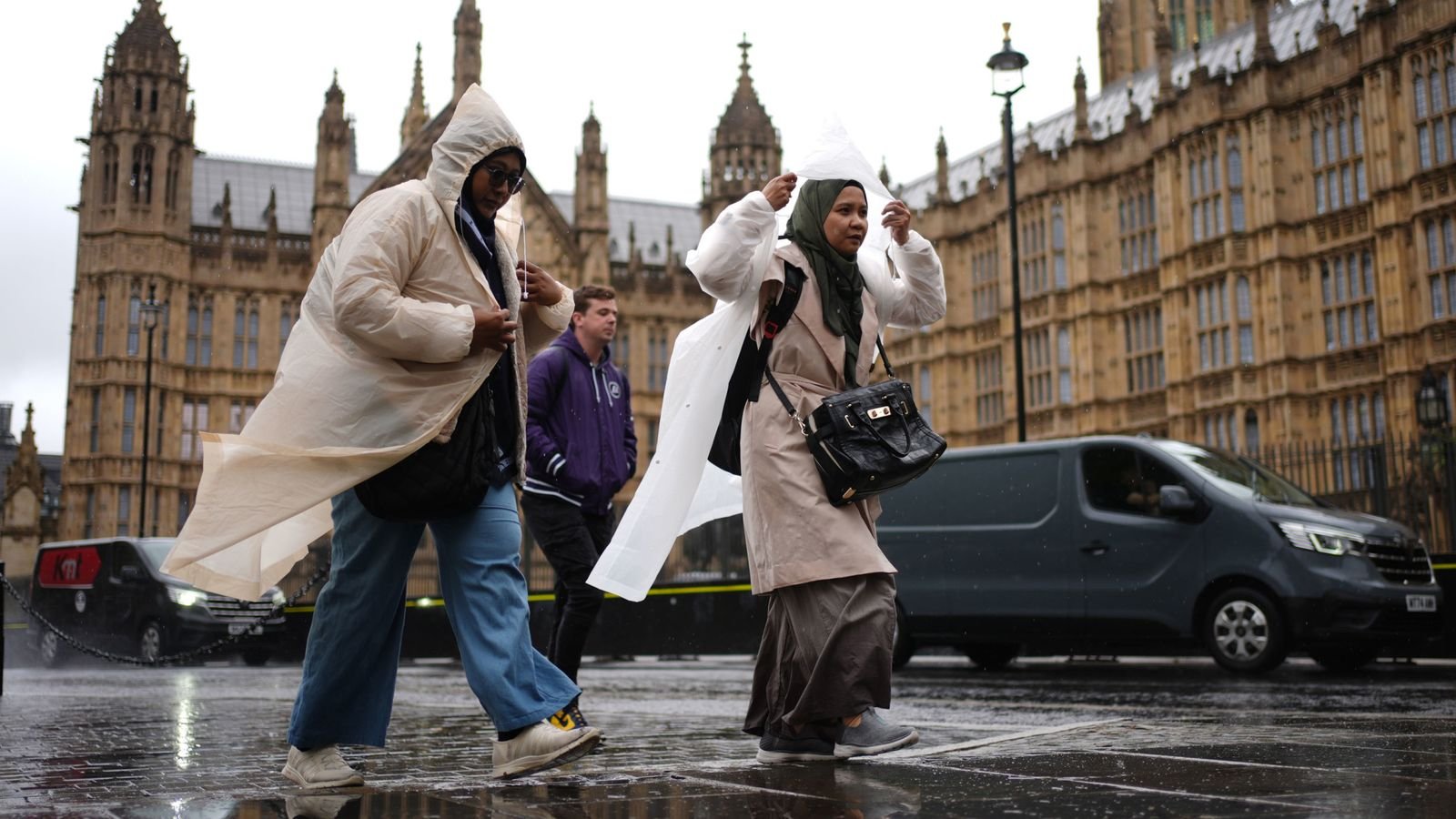
Parts of England and Wales are bracing for severe weather as Storm Claudia approaches, bringing the risk of torrential rainfall, strong winds, and potential flooding across the region. The Met Office has upgraded its warnings, issuing amber alerts for “persistent and heavy” rain that will come into force from noon on Friday and remain active until the end of the day. These warnings cover a wide swath of the country, including areas in Wales, the Midlands, the south-west, the south-east, and the east of England.
Forecasters predict that some parts of England could experience up to 80mm of rainfall, while higher ground in Wales may see 100-150mm, with general rainfall across the region ranging from 50-75mm. The impact of these downpours may be compounded by strong easterly winds and the likelihood of thunderstorms later on Friday, raising concerns over travel disruption, property damage, and localized flooding.
Storm Claudia, named by the Spanish Meteorological Agency, has already swept through Spain and Portugal, leaving behind heavy rainfall and strong winds. Now, as it approaches the UK, authorities are warning residents and travellers to prepare for hazardous conditions.

In addition to the amber rain warnings, much of England remains under an existing yellow warning for rainfall from 6am Friday for 24 hours, stretching from Cheshire and North Yorkshire to the south coast. Some western areas are also under a wind warning, with gusts expected to reach up to 70mph between noon and midnight.
The Met Office has cautioned that power cuts are possible, alongside disruptions to transport networks and potential structural damage to buildings. Commuters and travellers are advised to exercise extreme caution, particularly in central and southern England and Wales, which are likely to be soaked as the storm progresses from Friday into Saturday.
Matthew Lehnert, the Met Office chief meteorologist, emphasised the severity of the situation, explaining that some areas could see rainfall equivalent to a month’s worth of rain in just 24 hours. “Much of this will fall on saturated ground, increasing the chances of flooding and contributing to the amber warnings we have issued,” Lehnert said. “Within the amber warning areas, some could see in excess of 150mm accumulate during the event, with 60-80mm falling fairly widely. Gusty winds in the north-west of England and north-west Wales are an additional hazard, with 60-70mph gusts possible in exposed places within the warning area.”
Unlike many named storms, Storm Claudia is not expected to directly traverse the UK. Instead, it will maintain a position in the west, hovering offshore while sending bands of heavy rain and wind inland. Despite this, the slow-moving nature of the storm means the rainfall will be prolonged, heightening the risk of flooding and infrastructure strain.
The Environment Agency has already activated emergency protocols, warning of the likelihood of surface water and river flooding in northern England. Officials have been coordinating with local authorities and emergency services to ensure readiness for the storm’s arrival. Ben Lukey, the agency’s flood duty manager, highlighted the risks, stating, “Storm Claudia will bring heavy, prolonged rainfall across parts of England, with significant surface water flooding probable across central areas on Friday. River flooding impacts are also possible tomorrow and into Saturday.”
Residents in at-risk areas are urged to prepare in advance. The agency recommends clearing gutters and drains, moving vehicles and valuables away from flood-prone zones, and monitoring updates from local authorities. Evacuation procedures may be necessary in some locations, particularly where rivers are already running high following recent rainfall.
The transport sector is expected to face major challenges. Train services across central and southern England could be delayed or cancelled due to waterlogged tracks and potential landslides, while roads may be blocked by surface water or debris. Air travellers are also likely to encounter disruptions, as strong crosswinds and low visibility could affect flights at major airports. The Department for Transport has advised passengers to check travel information regularly and to allow extra time for journeys.
Communities in Wales are particularly vulnerable due to the region’s mountainous terrain. Heavy rainfall on elevated ground increases the likelihood of rapid runoff into rivers and streams, which could overflow and inundate low-lying areas. Emergency responders in these areas have been put on high alert, with sandbags and flood barriers pre-positioned in critical locations. Schools and local councils are reviewing contingency plans to ensure public safety.
Storm Claudia is a stark reminder of the increasing intensity of weather systems affecting the UK. Scientists have linked the rise in frequency and severity of such storms to climate change, which contributes to warmer sea temperatures and unstable atmospheric conditions. These changes can fuel the development of powerful storms with extended rainfall periods, compounding the risk of flooding and damage to property and infrastructure.
The human impact of extreme weather cannot be overstated. Communities that experience flooding often face disruptions to daily life, with homes, businesses, and transport networks affected. In addition, vulnerable populations—including the elderly, people with disabilities, and those living in flood-prone areas—are at heightened risk during storms. Authorities urge neighbours and community groups to check in on these populations and ensure that support is available where needed.
Met Office advice for the public includes avoiding travel during periods of heavy rain if possible, keeping abreast of weather updates via official channels, and remaining vigilant in flood-prone areas. Residents with gardens, outdoor equipment, or vehicles near rivers or streams are advised to move belongings to higher ground. Anyone in danger should call emergency services immediately.
In addition to immediate preparations, Storm Claudia highlights the ongoing need for long-term flood management strategies. Investment in drainage systems, river embankments, and sustainable urban planning can mitigate the impact of future storms. Collaboration between government agencies, local authorities, and communities remains essential to enhancing resilience and reducing the risk posed by increasingly volatile weather patterns.

As the storm approaches, forecasters warn that even regions not covered by amber warnings could experience disruptions due to heavy rain, strong winds, and surface water accumulation. The unpredictable nature of such weather events underscores the importance of vigilance and preparedness.
For now, the focus remains on ensuring public safety and minimizing the disruption caused by Storm Claudia. Authorities, emergency services, and the Environment Agency are working around the clock to monitor river levels, deploy resources where necessary, and provide timely updates to the public. Residents are encouraged to follow guidance closely, stay informed, and act promptly to protect themselves, their families, and their property.
In summary, Storm Claudia is set to deliver a challenging few days across England and Wales. With the potential for record rainfall, strong gusts, and flooding, preparation and caution are key. While the storm may not cross the country directly, its lingering effects are expected to create hazards far and wide, testing the resilience of communities and infrastructure alike. As the UK faces this significant weather event, authorities and citizens alike must work together to navigate the storm safely.
Related News:
 Northern Lights May Illuminate UK Skies Amid Strong Solar Storm
 Northern Lights may illuminate UK skies this week
 Cold Snap Brings Snow Risk as Flood Recovery Continues
 Witnesses Recall Tragedy as Couple Die in Flood
 Commuters warned as yellow snow and ice alert hits Northern Ireland
 UK Energy Bills to Rise Slightly in January
 Fire Contained at Edinburgh’s Arthur’s Seat After Overnight Battle by Firefighters
 UK Heatwave Continues with Temperatures Soaring, Thunderstorms Forecast Across the Country
 UK Weather: Heat Alerts Extended as Temperatures Set to Reach 30°C This Weekend
 UK Rocked by Two Earthquakes in Three Hours as Tremors Strike Cumbria and Iconic Welsh Landmark
 Peterborough Mosques Tighten Security After Attack
 Reeves Faces Setback as Labour May Miss Homes Target
 Hospice Cuts Raise Alarm Across England Amid Funding Crisis
 UK Woman Loses Child Benefit After Booking Flight She Never Took
 Kate Winslet to Narrate Film Highlighting King’s Environmental Mission
 Green Party Surges Past Labour in Latest UK Poll
 Celebrities and Charities Demand UK Government Act on Child Poverty
 Trump’s UK Ambassador Urges North Sea Drilling to Strengthen US Ties
 Children to Learn Local History in Major Curriculum Overhaul
 FBI Director Kash Patel Defends Girlfriend Amid Government Jet Claims
 Granit Xhaka Rescue Earns Everton Draw at Sunderland
 French Taxi Driver Cleared in David Lammy Theft Case After Fare Dispute
 The Lowry Hotel: Manchester’s Iconic Five-Star Retreat
 UK Bans Fake Numbers: Scammers Lose Their Trick
 Prince William Plants Trees with Brazil’s Nature Heroes
 Top Christmas Books Reads: Classics to Cozy Romcoms
 M&S Profits More Than Halve After Cyber-Attack
 Just Stop Oil Protesters Convicted Amid Climate Defence Row
 Kent village told to remove flags before Christmas lights go up
 Tony Blair think tank warns Rachel Reeves must cut taxes if manifesto broken
 Pauline Collins, Beloved ‘Shirley Valentine’ Star, Dies at 85
 Patients to Test Health at Home to Ease NHS Winter Pressure
 Bellingham has ‘the edge’ among England No 10s
 King Charles to Lead Nation in Remembrance Sunday Service
 Man City Masterclass on Guardiola’s Milestone Day Exposes Liverpool Woes
 How to get help when a child goes missing – call 999 urgently
 Palace May Restore Hyphen to Andrew Mountbatten-Windsor’s Name
 Millionaires group urge Reeves to introduce wealth tax to ‘lift kids out of poverty’
 Starmer Faces Growing Dissent as Labour MPs Weigh Leadership Challenge
 VAR Must Rein Its Neck In to Save Football’s Spirit
 UK Faces Arctic Blast as Polar Vortex Disruption Brings Heavy Snow
 Shouting Works Best to Deter Gulls, UK Study Finds
 Mary Earps’s Manchester United Return Faces Mixed Reception
 Reeves rejects £1bn plea for NHS redundancy payouts
 Binman killed in lorry crash in Leominster
 PM Condemns Leaks, Vows Loyalty to Ministers and Stability
 Son Reveals UK Couple in Iran Resort to Hunger Strike for Help
 Major Rent Reform Ends No-Fault Evictions in England
 Peers Flood Assisted Dying Bill with 942 Amendments
 Former Lion Heskey Warns of Shortage of England Strikers
 MoD warned over Excel risks before Afghan data breach
 Global markets drop amid tech sell-off and China slowdown
 Mum Calls for New Licence Rules After Teen Road Death
 Mother Watches in Horror as Teen Daughter Dies on Tracks
 ‘Traumatic Wait’: Northern Ireland Women Face Breast Cancer Delays
 Labour Faces Historic Decline in Wales
 Serial Rapist and Former Cop Found Guilty Again
 PM Highlights UK Business at G20 in South Africa
 Mossmorran Plant Closure Hits Cowdenbeath Hard
 Kate Forbes: Motherhood Harder Than Politics
 Coffins Now Too Large to Cremate Amid Rising Obesity Crisis
 Clifftop Lodges Spark Fears Over Jurassic Coast Stability
 Most Tories Expect to Support a Farage-Led Government
 HS2 woes leave Warwickshire village struggling with pollution
 Steel billionaire Lakshmi Mittal reportedly leaves UK
 Bill Murray Terrified Wes Anderson but Became His Closest Collaborator
 Moyes Defends Gueye After Dramatic Everton Bust-Up
 Labour MP claims devolution bill is ‘blatant discrimination’ against Cornwall
 The 20 best Christmas markets in the UK, from Bath to Edinburgh
 Karen Carney Stuns on Blackpool Week, Deserves Strictly Final
 Prisoner 951 Review: arrowing Retelling of Nazanin Zagharz-Ratcliffe
 Millions Face Higher Taxes Under Reeves New Budget
 Peers Get Extra Time to Debate Assisted Dying Bill
 Delhi’s Toxic Air Crisis Leaves Children Sick and Vulnerable
 Sri Lanka Floods Leave 56 Dead, Dozens Missing
 Fibromyalgia Patients Struggle as NHS Fails to Provide Care
 Machynlleth High Street Left Without Christmas Lights
 Search underway for British man overboard off Tenerife
 Virgin Media Fined £23.8m Over Telecare Safety Failures
 Rising Water Bills Lift Troubled Thames Back to Profit