Published: 06 October 2025. The English Chronicle Desk. A report by The English Chronicle Online.
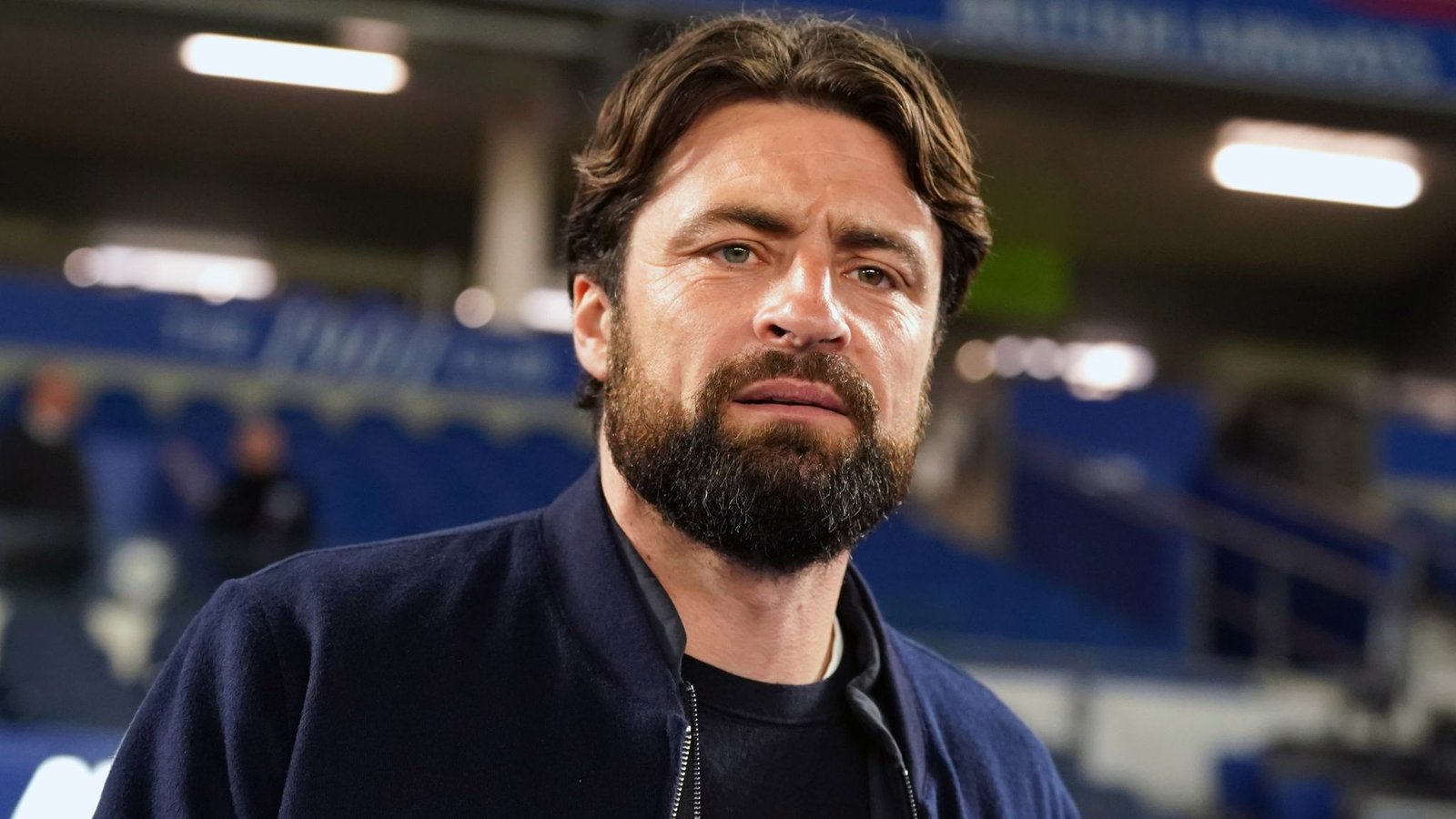
The turbulent tenure of Michael Martin at Rangers has finally reached its conclusion, leaving fans and insiders alike reflecting on an era marked by frustration, controversy, and unmet expectations. Despite an initial promising presentation to the club’s new owners, which reportedly won him favor behind closed doors, Martin’s time as head coach has been characterized by continuous challenges and mounting pressure from the supporters.
Martin, the fourth manager to be dismissed in under three years following Giovanni van Bronckhorst, Michael Beale, and Philippe Clement, struggled to establish authority and secure consistent results. His predecessors, despite their own controversies, had achieved notable successes; van Bronckhorst claimed the Scottish Cup and led Rangers to the Europa League final, while Beale and Clement experienced intermittent victories in domestic and European competitions. Martin, however, faced almost constant scrutiny from day one.

Rangers fans, known for their passionate and exacting standards, quickly became disillusioned with Martin’s approach. Poor results, including draws against Falkirk, Motherwell, Dundee, St Mirren, and Celtic, coupled with defeats by Hearts and heavy losses to Club Brugge in European competitions, created a climate of frustration that Martin could not overcome. His explanations for the team’s struggles—often attributing failures to players’ anxiety, inattention to instructions, and external circumstances—failed to win back support, highlighting a disconnect between manager and club culture.
Following a particularly disappointing draw at Falkirk, Martin had to be discreetly escorted from the stadium by police, underscoring the level of unrest among fans. Even brief successes, such as a late win against Livingston, were met with boos and criticism, reflecting a deeply entrenched dissatisfaction. Over the course of 17 matches, Martin’s inability to inspire confidence or deliver results in a high-pressure environment proved fatal to his position.
Internal conflicts and questionable tactical decisions further complicated Martin’s tenure. Key players, including club captain James Tavernier and standout midfielder Nico Raskin, were at times sidelined or mishandled, creating additional tensions within the squad. Despite substantial summer investments in the team—over £20 million net spent on new signings—the expected transformation never materialized. Martin’s role as a scapegoat was clear, yet it was evident that the club’s challenges extended beyond his leadership.
Rangers’ management team, including sporting director Kevin Thelwell and chief executive Patrick Stewart, now faces intensified scrutiny. Decisions regarding player recruitment, scouting, and strategic planning are under close examination, as fans demand accountability beyond the dismissed manager. Plans to bolster the scouting department and bring in new recruitment personnel signal the club’s intent to rebuild and stabilize, yet the lessons from Martin’s tenure remain a cautionary tale about expectations, communication, and club culture.

As Rangers prepare to enter the managerial market once again, the club confronts the ongoing challenge of finding leadership capable of reconciling ambitions with reality. Martin’s departure is a stark reminder of the pressures of managing one of Scotland’s most storied clubs, where immediate results and clear progress are demanded by both supporters and stakeholders alike. While Martin’s era at Rangers is over, the club’s journey to return to stability and success continues, highlighting the delicate balance between managerial strategy and fan expectations in modern football.
Related News:
 Manchester City Announce Their Return in Style with Haaland Double and Debut Goals at Wolves
 Kylian Mbappé Fires Real Madrid to Winning Start for Alonso Against Osasuna
 One More Step for Cristiano Ronaldo! Al-Nassr Beat Al-Ittihad
 Merino Hat-Trick Inspires Spain to 6-0 Rout of Turkey in World Cup Qualifier
 Carlos Alcaraz Celebrates Second US Open Triumph, Calls It the Best Tournament of His Career
 Man City 2-0 Napoli: Haaland Reaches 50 Champions League Goals After Red Card Turns Tide
 Rashford’s Brilliance Stuns Newcastle as Barcelona Claim Champions League Victory
 Bournemouth Stun Fulham with Dramatic Comeback in Premier League Thriller
Guardiola Enters Elite Club with Record-Breaking 250th Premier League Win
Bournemouth Stun Fulham with Dramatic Comeback in Premier League Thriller
Guardiola Enters Elite Club with Record-Breaking 250th Premier League Win
 Arsenal Showcase Depth and Flexibility as Arteta Eyes Title Challenge
 Barnes Inspires Newcastle to Champions League Triumph Over Benfica
City shine with PlayStation-style football to overwhelm Villarreal
Barnes Inspires Newcastle to Champions League Triumph Over Benfica
City shine with PlayStation-style football to overwhelm Villarreal
 Fabio Wardley stuns Joseph Parker to earn Usyk title shot
 Australia Fast Bowler Aims to Silence Joe Root in Perth
 Cardiff Nights Could Propel Wales to World Cup Glory
 Cristiano Ronaldo Joins Trump, Bin Salman at State Dinner
 Haiti Qualifies for World Cup Despite Coach Never Visiting Country
 Scotland Fans Celebrate Historic World Cup Qualification
 India, Pakistan to Clash in T20 World Cup 2026 Group Match
 Mbappe Scores 4 as Real Madrid Edge Olympiakos
 Man City Lose, Champions League Risk
 Kinnock’s Rebuke Echoes Loudly as Corbyn Allies Launch Left-Wing Breakaway: “A Gift to Farage”
 UK and Norway Forge Stronger Ties Through Joint Sanctions and Enhanced Defence Cooperation
 Trump Administration Dismisses 17 Immigration Judges, Sparking Debate Over Judicial Independence
 England’s Euro Odyssey: A Tale of Grit, Glory and the Lionesses’ Miraculous March to the Final
 Northern Ireland Family of Three Shot Dead in Maguiresbridge Home Incident
 Tottenham Takes On Newcastle
 Netanyahu Announces Plan to Take Over Gaza City, Escalating Conflict Further
 Aston Villa Under Pressure as Newcastle Take on Hosts in Premier League Opener
 Where Is Prince William and Kate Middleton’s New House? Inside the Historic Lodge Set to Become Their ‘Forever Home’
 FIFA Eyes Biennial Club World Cup from 2029, Plans Possible Expansion
 Costa Blanca Holiday Horror as Food Poisoning Outbreak Hits Four-Star Hotel
 India Triumph in Dubai Amid Unexpected Twists
 Dembélé and Bonmatí Shine as Ballon d’Or Winners in Glittering Paris Ceremony
 Public Executions in Gaza City Captured on Video Amid Ongoing Conflict
 Liverpool Vs outhampton Set for Carabao Cup Clash at Anfield
 Macron Phones Trump Over Traffic Jam in New York
 Denmark Investigates Professional Drone Incursions Across Multiple Airports, No Evidence of Russian Involvement
 Comey Indictment Deepens Fears of Political Retribution Under Trump
 Aston Villa Fight Back to End Winless Run with Convincing Victory over Fulham
 ICC Women’s World Cup 2025: India to Host as Pakistan Fixtures Moved to Neutral Venues
 “It Was Very Tough, But I Love Life”: Former Israeli Hostage Rebuilds Life After Family Killed by Hamas
 Arsenal Edge Past West Ham Amid Injury Concerns
Trump Presses for Urgent Progress as Cairo Talks Aim to Halt Gaza War
Arsenal Edge Past West Ham Amid Injury Concerns
Trump Presses for Urgent Progress as Cairo Talks Aim to Halt Gaza War
 Nobel Peace Prize Officials Probe Suspicious Online Bets
 Hope Amid Heartbreak: The Stories Behind the Freed Israeli Hostages
 Kane’s Double Seals England’s World Cup Qualification
 Zelensky to Urge Missile Aid as Trump and Putin Plan Summit
 Gibbs-White Inspires Forest to Thrilling Win Over Porto
 Manchester United triumph as Mbeumo brace seals thrilling win
 Tragedy on Lizard Island: Cruise Passenger Dies
 Fed Cuts US Interest Rates Again Amid Labour Market Uncertainty
 Hurricane Melissa Leaves Devastation Across Jamaica as Death Toll Rises
 Dyche Criticises Corner Decision as Forest Draw with United
 Tension and Turmoil at Aston Villa v Maccabi Match
 Lando Norris Dominates Brazil GP to Strengthen F1 Title Bid
 US Senate Passes Funding Bill to End Historic Shutdown
 Mary Earps’s Manchester United Return Faces Mixed Reception
 Sam Kerr Stars in Chelsea Return with Champions League Double
 Hitler’s DNA Confirms He Truly Had Only One Testicle
 Victoria Signs Historic Treaty with Indigenous Peoples
 US Justice Department Files Lawsuit Against California Over Partisan Voting Maps
 Former Lion Heskey Warns of Shortage of England Strikers
 Israel Confirms Returned Hostage as Meny Godard
 Orban Says Ukraine Has ‘No Chance’ as EU Support Continues
 Irish Hero Parrott Says Goal Brought First Tears in Years
 Israeli Strike Kills 13 Near Palestinian Camp in Lebanon
 Zelensky Meets US Envoy in Turkey to Push Ukraine Peace Talks
 Pentagon Officials in Ukraine to Discuss War End
 Vietnam Battles Deadly Floods as Rains Continue
 Venezuela Threatens Nobel Winner Machado with Fugitive Status
 At Least Three Dead in Bangladesh Earthquake
 Barcelona Returns to Camp Nou vs Athletic Bilbao
 Israel Confirms Hamas Returned Dror Or’s Body
 Trump Envoy to Discuss Ukraine Peace at Kremlin
 Two National Guard Soldiers Critically Injured Near White House
 Sri Lanka Floods Leave 56 Dead, Dozens Missing
 India’s Labour Law Overhaul Sparks Fierce Debate
 Barcelona, Atletico set for decisive La Liga showdown
 Maxwell withdraws from IPL 2026 after 13 seasons