Published: 10 September 2025. The English Chronicle Online
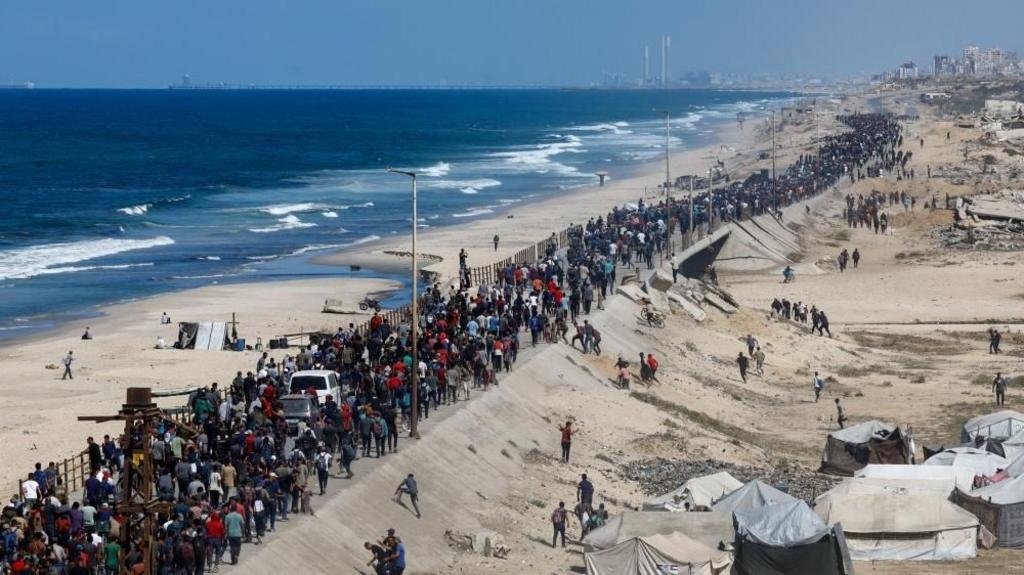
After months of relentless warfare and humanitarian catastrophe, a glimmer of respite has emerged in Gaza as a ceasefire between Israel and Hamas officially takes effect. For the first time since the conflict reignited in October 2023, thousands of Palestinians have begun to make their way back to the devastated northern regions of the Strip, following Israel’s announcement that its forces have withdrawn to agreed lines under the newly brokered truce.
The ceasefire, approved by the Israeli government and built upon the framework of former U.S. President Donald Trump’s 20-point peace and hostage deal, sets into motion a fragile yet critical 72-hour window in which Hamas is expected to release all remaining Israeli hostages. In return, Israel is set to free hundreds of Palestinian prisoners and detainees. The deal, if sustained, could mark the beginning of the end of one of the most devastating phases in the long and bloody history of the Israel-Palestine conflict.

As the guns fall silent, the human cost of the war is laid bare. According to the Hamas-run health ministry, at least 17 people were killed in Gaza in the past 24 hours, bringing the total death toll to 67,211 since the conflict erupted nearly two years ago. An additional 71 people were injured, with hospitals still struggling to function amid shortages of medicine, power, and medical personnel.
Across northern and western Gaza City, residents are returning to scenes of staggering destruction. Whole neighbourhoods such as Sheikh Radwan, al-Karama, and Beach Camp have been levelled, with vast stretches of residential areas reduced to rubble. Civil defence officials report that rescue teams are still digging through debris with minimal equipment, searching for survivors or the remains of loved ones. Mahmoud Basal, a spokesperson for Gaza’s Civil Defence, confirmed that at least eight bodies were recovered on Friday morning alone.
For displaced families, the journey home is both heart-breaking and necessary. “My house was destroyed a year ago, and I was living in a tent on its ruins,” said Alaa Saleh, a teacher who fled to Khan Younis with his wife and six children. “Now that the road may reopen, I will return and pitch my tent again. We are exhausted from living in shelters that cannot protect us from heat or cold. We just want to rebuild our lives.”
Israeli Prime Minister Benjamin Netanyahu, addressing the nation shortly after the truce took effect, declared that Israel will “act to locate all the kidnapped and fallen as soon as possible.” He acknowledged facing “enormous pressure from both inside and outside,” but insisted he had “firmly rejected” calls to abandon the ceasefire deal. The prime minister described the coming days as “momentous,” noting that this year’s Simchat Torah holiday, which coincides with the ceasefire deadline, could become a “day of national joy” as hostages return home.

Currently, Hamas is believed to be holding 48 hostages in Gaza, 20 of whom are thought to still be alive. The ceasefire agreement mandates that these remaining hostages be released by noon local time on Monday. Their release, expected to be facilitated by the International Committee of the Red Cross, will reportedly occur without public ceremonies to avoid politicization or further tensions. In exchange, Israel will release approximately 250 Palestinian prisoners serving life sentences and more than 1,700 detainees from Gaza.
The Red Cross has pledged full logistical and humanitarian support during the process. “Our teams in Gaza, Israel, and the West Bank are ready to help return hostages and detainees to their families,” said Mirjana Spoljaric, President of the International Committee of the Red Cross. “The coming days are critical. This agreement offers a vital chance to save lives and ease suffering.”
Meanwhile, the United Nations and global humanitarian organizations are preparing to flood Gaza with much-needed aid. Around 600 aid trucks are expected to cross into the Strip daily in the coming days, carrying food, fuel, medical supplies, and hygiene products for more than two million displaced people. UN humanitarian chief Tom Fletcher noted that the first priority will be to deliver high-nutrition food, restore hospitals, and provide essential anaesthetics and painkillers. “We need the guns to go silent and the ceasefire to be implemented fully,” he said. “Rebuilding Gaza’s health system will be a massive challenge, but it must begin immediately.”
Still, uncertainty looms large. While Israeli forces have reportedly completed the initial stage of withdrawal—retreating to positions giving them control over 53% of Gaza—residents and aid workers have expressed concern that sporadic airstrikes continued into the early hours of Friday morning, even as the ceasefire took hold. The Israeli Defence Forces (IDF) confirmed that they “will continue to remove any immediate threat” from their updated deployment lines.
For civilians on both sides, the emotional toll is immense. In Tel Aviv’s Hostages Square, families of captives gathered to pray and share cautious optimism. Meirav Leshem Gonen, whose daughter Romi was freed in an earlier truce, described the emotional strain of the ordeal. “Nothing can prepare you for having your loved one return from captivity,” she said. “They come back changed, and so are we. But now I’m waiting for the moment when all of them come home.”

In Gaza, the feeling is mixed with hope and fear. Walaa, a mother of three from Gaza City who recently gave birth, told the BBC she feels “positive energy” following the announcement. “I hope the war ends quickly,” she said, though she admitted the sound of nearby troop movements “terrifies the heart.”
As Palestinians cautiously walk back through the ruins of their city, the path ahead remains uncertain. Whether this ceasefire endures or collapses under the weight of mistrust and unfinished negotiations will determine not just the immediate fate of Gaza’s two million residents, but the broader trajectory of Israeli-Palestinian relations for years to come.
For now, Gaza’s people cling to the fragile promise of peace amid the ashes of war, their steps northward marking both a return to ruin and a quiet act of resilience.
Related News:
 Kinnock’s Rebuke Echoes Loudly as Corbyn Allies Launch Left-Wing Breakaway: “A Gift to Farage”
 Post Office Scandal Compensation Tops £1 Billion as Victims Finally See Justice
 UK and Norway Forge Stronger Ties Through Joint Sanctions and Enhanced Defence Cooperation
 Exclusive: Leaked Documents Reveal Khan’s Controversial Road Policy Overhaul – Drivers Warn of ‘Final Nail in Coffin’
 NHS Resident Doctors Vote for Strike Action Amid Escalating Pay Dispute
 UK Banks Granted Reprieve as BoE Delays Basel III Capital Rules Until 2028
 Trump Administration Dismisses 17 Immigration Judges, Sparking Debate Over Judicial Independence
 England Grapples with Unprecedented Bluetongue Virus Outbreak: Entire Nation Declared Infected Zone
 Justice Deferred, Not Denied: Government Orders Full Statutory Inquiry into Orgreave Clash Four Decades On
 Northern Ireland Family of Three Shot Dead in Maguiresbridge Home Incident
 West End Exposed as London’s Knife Crime Epicentre Amid Alarming Surge in Violence
 Singapore Corruption Scandal: Details Emerge on Iswaran’s Luxury Flight and Ties to Tycoon Ong Beng Seng
 Mystery Wallaby Spotted on Norfolk-Suffolk Border Sparks Police Appeal
 Manchester Airport Faces Delays After EasyJet Planes’ Wings ‘Clip’ on Runway
 Peter Andre Breaks 16-Year Silence with Scathing Statement Against Katie Price
 UK Weather: Heat Alerts Extended as Temperatures Set to Reach 30°C This Weekend
 Access to Iconic Cornish Beach Cut Off by National Trust Amid Safety Concerns
 Where Is Prince William and Kate Middleton’s New House? Inside the Historic Lodge Set to Become Their ‘Forever Home’
 Costa Blanca Holiday Horror as Food Poisoning Outbreak Hits Four-Star Hotel
 Hundreds of Swimming Pool Closures Leave Children ‘At Risk of Drowning’, Union Warns
 Xi, Putin and Kim Display Unified Front at Massive Beijing Military Parade
 British Holidaymaker’s Tragic Death in Greece Confirmed as Drowning
 India Triumph in Dubai Amid Unexpected Twists
 Public Executions in Gaza City Captured on Video Amid Ongoing Conflict
 Macron Phones Trump Over Traffic Jam in New York
 Denmark Investigates Professional Drone Incursions Across Multiple Airports, No Evidence of Russian Involvement
 Comey Indictment Deepens Fears of Political Retribution Under Trump
 “It Was Very Tough, But I Love Life”: Former Israeli Hostage Rebuilds Life After Family Killed by Hamas
 Arsenal Edge Past West Ham Amid Injury Concerns
 Chaos at Ibrox as Martin’s Rangers Era Comes to an End
 Arsenal Showcase Depth and Flexibility as Arteta Eyes Title Challenge
 Nobel Prize Honours Pioneers Behind Materials That Could Heal the Planet
 UK Affirms No Relaxation of Visa Rules for India Amid Trade Push
 Women Challenge Meta Over Targeted Ads After Miscarriage
 Vice President Vance Warns of ‘Painful’ Job Cuts as U.S. Government Shutdown Deepens
 Japanese Court Sentences Man to Death for 2023 Quadruple Murder in Rare Gun and Knife Attack
 Zelensky to Urge Missile Aid as Trump and Putin Plan Summit
 Gibbs-White Inspires Forest to Thrilling Win Over Porto
 Manchester United triumph as Mbeumo brace seals thrilling win
 Hospice Cuts Raise Alarm Across England Amid Funding Crisis
 Tragedy on Lizard Island: Cruise Passenger Dies
 Fed Cuts US Interest Rates Again Amid Labour Market Uncertainty
 Zarah Sultana Launches Party to Change Politics
 Ex-Army Sergeant Jailed for Assault on Soldier Who Later Died
 US Senate Passes Funding Bill to End Historic Shutdown
 Mary Earps’s Manchester United Return Faces Mixed Reception
 Son Reveals UK Couple in Iran Resort to Hunger Strike for Help
 Pressure Mounts on Starmer to Sack Chief of Staff Over Briefing Row
 US Justice Department Files Lawsuit Against California Over Partisan Voting Maps
 Former Lion Heskey Warns of Shortage of England Strikers
 How Cultures Interpreted the Aurora Through History
 Orban Says Ukraine Has ‘No Chance’ as EU Support Continues
 Mother Watches in Horror as Teen Daughter Dies on Tracks
 Seven Countries, One Winner: Europe’s Best Christmas Market
 Israeli Strike Kills 13 Near Palestinian Camp in Lebanon
 Commuters warned as yellow snow and ice alert hits Northern Ireland
 Haiti Qualifies for World Cup Despite Coach Never Visiting Country
 US Judge Says Meta Did Not Hold Illegal Social Media Monopoly
 Serial Rapist and Former Cop Found Guilty Again
 Pentagon Officials in Ukraine to Discuss War End
 Ex-Harvard President Pauses Teaching Over Epstein Emails
 Vietnam Battles Deadly Floods as Rains Continue
 Scottish Families Take Legal Action Over School CO Leak
 Venezuela Threatens Nobel Winner Machado with Fugitive Status
 At Least Three Dead in Bangladesh Earthquake
 Vicki Fears Losing Motability Car
 Israel Confirms Hamas Returned Dror Or’s Body
 Millions Face Higher Taxes Under Reeves New Budget
 Two National Guard Soldiers Critically Injured Near White House
 Mbappe Scores 4 as Real Madrid Edge Olympiakos
 Sri Lanka Floods Leave 56 Dead, Dozens Missing
 Scotland Gains 33 New Towns – Life in Growing Communities
 Jordan Bardella: France’s Young Presidential Contender
 AI Actress Creator Says Tilly Norwood Won’t Replace Actors
 Search underway for British man overboard off Tenerife
 Pavarotti statue frozen in Italian ice rink sparks backlash
 Barcelona, Atletico set for decisive La Liga showdown
 EU plans $105bn Ukraine aid using frozen Russian assets
 Global campaign launched to free Palestinian leader Barghouti
 Kenya Signs $2.5bn Health Deal with US Amid Data Concerns