Published: 11 October 2025. The English Chronicle Desk. The English Chronicle Online.
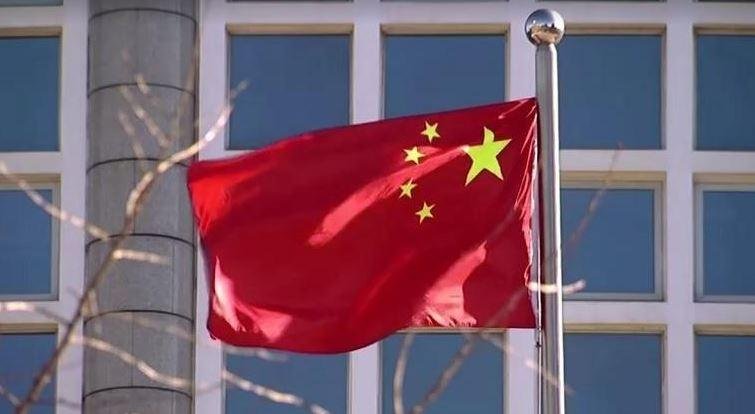
Approval for China’s planned “mega embassy” in London is reportedly facing yet another delay, amid rising tensions over the UK Labour government’s approach to Beijing. Officials at the Ministry of Housing, Communities and Local Government (MHCLG) are said to be preparing to postpone the previously set deadline of 21 October, according to sources cited by The Telegraph.
The project, which has been mired in controversy since 2018, involves China’s purchase of a 20,000 square metre site at Royal Mint Court, near the Tower of London, for £255 million. The sprawling complex, intended to serve as the Chinese embassy, has been repeatedly delayed, with no final approval granted to date. Security concerns, local opposition, and political sensitivities have all contributed to the prolonged process.
The latest anticipated delay comes in the wake of a Cabinet reshuffle that altered the responsibilities of the department overseeing the planning case. Steve Reed has replaced Angela Rayner as Secretary of State for Communities and Local Government, following her resignation. Analysts suggest the reshuffle has added further complexity to the final decision-making process, particularly given the high-profile nature of the project.

Observers have linked the potential delay to the recent collapse of the trial of alleged Chinese spies, which heightened scrutiny of Beijing’s activities in the UK. The case involved Christopher Cash, a former parliamentary researcher, and Christopher Berry, a teacher, who were both accused of espionage-related offences. The Crown Prosecution Service (CPS) eventually dropped the charges after failing to secure sufficient evidence from the government to demonstrate that China posed a credible national security threat. Witness statements did not meet the legal threshold required to pursue prosecution.
Luke de Pulford, co-founder of the Inter-Parliamentary Alliance on China, told The Telegraph: “The reason for this delay stretches credulity, to put it kindly. Planning officials in Steve Reed’s department have already had six weeks longer than planned, and done a very diligent job. Everybody knows the final call on the mega-embassy will be determined by politics, not planning law. The real reason for this delay is that current scrutiny makes giving the anticipated green light inconvenient.”
The proposed embassy has faced criticism from politicians, security experts, and local residents alike. Initial planning applications were rejected by Tower Hamlets Council in December 2022, largely due to concerns over security and the building’s proximity to sensitive sites. Following the general election, the government intervened by calling in the application, transferring the decision-making authority to the Planning Inspectorate and ultimately to the Department for Communities.
Prime Minister Sir Keir Starmer has maintained that responsibility for the espionage allegations lies with the previous Conservative administration. He explained that because the former government did not formally designate China as a national security threat, the current administration was unable to provide evidence that would meet the CPS’s threshold for prosecution. Director of Public Prosecutions Stephen Parkinson has confirmed that this evidence was necessary to secure a conviction.
The embassy plans have not only been delayed due to legal and security concerns but also because of heightened political sensitivities. China’s growing global influence and its track record in using diplomatic facilities for intelligence operations have made officials cautious. Royal Mint Court’s proximity to key financial, political, and historical sites has amplified concerns that a large foreign diplomatic presence could create security vulnerabilities.
Local residents and civic groups have consistently voiced opposition to the construction of the mega embassy. The proposed building’s scale and design, combined with its location near the Tower of London, have prompted fears about the impact on local infrastructure, public access, and security arrangements. Protesters have argued that such a large foreign embassy in the heart of the City of London could have broader implications for sovereignty and public safety.
Beyond local objections, national security experts have raised alarms about the intelligence implications of the embassy’s size and scope. Analysts have noted that large diplomatic compounds can serve as centres for intelligence gathering and covert operations. In the past, concerns over Chinese diplomatic activity have included allegations of espionage, interference in political processes, and monitoring of overseas Chinese communities. These factors have made the approval process highly sensitive and politically charged.
The UK government has also been navigating complex diplomatic considerations. While the embassy project involves China’s sovereign rights under international law, it also intersects with the UK’s national security obligations and its relationships with allies, including the United States. Balancing these competing interests has been a key challenge for ministers, particularly in light of recent geopolitical tensions and the espionage trial collapse.
Officials within MHCLG are understood to be under pressure to justify any decision that could be perceived as politically motivated. The department’s planning team has been reviewing security assessments, environmental impact reports, and urban planning guidelines. However, as de Pulford noted, the ultimate decision appears to be influenced as much by political considerations as by technical planning matters.
Security analysts argue that approving the embassy without addressing outstanding concerns could expose the UK to diplomatic and intelligence risks. Conversely, further delays risk angering Beijing, which has already invested hundreds of millions of pounds in the project and has repeatedly expressed frustration over the prolonged approval process. The government must therefore navigate a delicate balance between upholding domestic security, meeting planning obligations, and managing diplomatic relations.
Labour’s cautious approach to the project reflects the broader UK political climate regarding China. In recent years, successive governments have struggled to reconcile economic cooperation with national security concerns. The mega embassy case has become emblematic of this tension, illustrating how international diplomacy, local governance, and security considerations intersect in complex ways.
Public commentary has underscored the visibility of the issue. Media outlets have scrutinised the government’s handling of the case, questioning whether political calculations have overshadowed standard planning procedures. Critics argue that transparency and clear communication with local communities are essential to maintain public trust, especially in matters involving foreign diplomatic infrastructure and national security.
The mega embassy delay also raises questions about precedent for future diplomatic developments. Analysts note that approving or rejecting the project could set a benchmark for other countries seeking large diplomatic compounds in central London. The decision-making process is therefore likely to remain under close observation, with implications for urban planning, national security policy, and foreign relations.

As it stands, the embassy’s final approval remains uncertain. While the government continues to review planning submissions, security assessments, and diplomatic considerations, no new timeline has been confirmed. The combination of local opposition, national security concerns, and ongoing political sensitivities suggests that further delays are likely.
In summary, China’s plan to establish a mega embassy at Royal Mint Court in London faces yet another delay. The project, originally proposed in 2018, has been repeatedly postponed due to security concerns, local opposition, and political sensitivities. Recent developments, including the collapse of a high-profile espionage trial and a Cabinet reshuffle affecting the responsible department, have added complexity to the approval process. With concerns ranging from espionage risks to public backlash, the government is under pressure to balance security, diplomacy, and planning law before granting a final decision.
Related News:
 UK Home Office to Launch French Beach Signage to Warn Asylum Seekers of Risks
 Charlie Kirk Killing Used to Mobilise UK’s Largest Far-Right Rally in Decades
 UK and Ireland Set to Unveil New Proposals to Address Northern Ireland’s Troubles Legacy
 UK Recognises State of Palestine in Push to Preserve Hope for Peace
 Jailed Georgian Opposition Leaders Warn UK of Iranian Links to Ruling Party
 Prince Andrew met alleged Chinese spies during Pitch@Palace China trips
 Kosovo agrees to host Britain’s refused asylum seekers
 Second world war veterans honoured as King leads Remembrance Sunday
 New review urges UK to repatriate Shamima Begum, others from Syria
 UK Must Act with Courage and Clarity on Israel-Palestine Conflict, Says Foreign Affairs Committee Report
 Tasers Introduced in UK Prisons to Combat Rising Violence and Protect Staff
 MPs Warn Thousands Still Face Poverty Despite Labour’s Welfare Reform Retreat
 MPs Call on UK Government to Delay Biometric Visa Checks for Gaza Students Amid Humanitarian Crisis
 Police Prepare for Potential Disorder as Far-Right Groups Promote Anti-Migrant Protests Across England
 Radioactive Leak at UK’s Nuclear Warhead Base Sparks Outcry Over Safety and Secrecy
 Mass Arrests in London as Protest Defies Ban on Palestine Action
 Mutual Inconvenience: Why Alaska Was Chosen for the Trump-Putin Summit on Ukraine
 “I Don’t Expect to Live a Normal Life”: How a Leeds Teenager Became the Target of a Chinese Bounty
 Police Advised to Disclose Ethnicity of Suspects in High-Profile Cases
 Is the UK Ready to Put Boots on the Ground in Ukraine? Assessing Military Capacity and Challenges
 UK Police Face ‘Chronic Pressure’ Amid Surge in Protests Over Asylum and Gaza
 Urgent Action Needed on Windrush Compensation as Survivors Speak of “Waiting to Die”
 Protests Expected as Israeli Arms Firms Join Global Defence Trade Fair in London
 Madeleine McCann Case: German Woman at Centre of Hit-and-Run Theory Speaks Out
 Peter Mandelson Referred to Jeffrey Epstein as ‘My Best Pal’ in 50th Birthday Letter
 UK Immigration Figures: Separating Facts from Perceptions
 Thousands Gather in London to Protest Donald Trump’s Second UK State Visit
 Trump Urges UK to “Call Out the Military” to Secure Borders Amid State Visit
 Zarah Sultana Seeks Legal Action After Bitter Clash with Jeremy Corbyn Over Party Membership Funds
 Anti-Immigration Protesters and Counter-Protesters Clash in Glasgow
Channel Crossings Surge: Over 1,000 People Arrive in the UK in Small Boats in a Single Day
Trump’s UN Speech Criticises London and UK Policies, Draws Far-Right Attention
Anti-Immigration Protesters and Counter-Protesters Clash in Glasgow
Channel Crossings Surge: Over 1,000 People Arrive in the UK in Small Boats in a Single Day
Trump’s UN Speech Criticises London and UK Policies, Draws Far-Right Attention
 UK Fighter Jet Purchase Could Breach Nuclear Treaty, Warns CND
 Metropolitan Police Considers Requiring Officers to Declare Freemasonry Membership
 A Third of EU Citizens in UK Report Discrimination by Public Bodies Post-Brexit
 Russia repeatedly targets UK military satellites, warns Space Command chief
 Pro-Palestine March to Proceed in London Despite Calls to Cancel After Manchester Attack
 Stephen Lawrence’s Father Demands Justice Before Killer’s Parole
 UK Universities Warn Students Ahead of 7 October Pro-Palestine Protests
 Starmer Condemns 7 October Student Protests as ‘Un-British’
 Public Trust in SNP Hits Historic Low Amid NHS Concerns
 Cooper Unveils £4m Cyber Plan Against Russian Hackers
 Boris Johnson Breached Rules on Post-Office Business Contacts
 Zarah Sultana and Jeremy Corbyn Reunite Amid New Party Plans
 UK Charities Warn Rising Hate Threatens Staff Safety
 Johnson Suggests Mandelson Linked to China Spy Controversy
 Human Rights Groups Challenge UK-France “One in, One Out” Deal
 Witness statements reveal the CPS China spy row collapse in the UK
 Nigel Farage Calls Vladimir Putin ‘A Very Bad Dude’
 Rachel Reeves signals welfare reform ahead of key budget
 Sex offenders to lose parental rights for children born of rape
 Plaid Cymru Triumphs in Caerphilly, Ending Labour Century-Long Hold
 Rachel Reeves to lead UK trade push in Saudi Arabia amid rights debate
 British Woman in Iran ‘Losing Hope’ Amid Ongoing Detention
Johnson Approved China’s London ‘Super-Embassy’ in 2018
British Woman in Iran ‘Losing Hope’ Amid Ongoing Detention
Johnson Approved China’s London ‘Super-Embassy’ in 2018
 BBC Journalist Held and Interrogated in Vietnam
 FBI Director Kash Patel Defends Girlfriend Amid Government Jet Claims
 Trump Speaks on Prince Andrew’s Royal Scandal Fallout
 UK University Faces Counter-Terror Probe Over China Pressure
 Just Stop Oil Protesters Convicted Amid Climate Defence Row
 Met Police Culture Makes Racial Harm ‘Inevitable’
 British Grandmother to Return Home After Death Sentence in Bali
 Eleven Arrested After Pro-Palestine Protest at Villa Match
Boris Johnson accused of undermining BBC leadership
Eleven Arrested After Pro-Palestine Protest at Villa Match
Boris Johnson accused of undermining BBC leadership
 Remaining rebel Labour MPs have whip restored
 ‘Reckless’ cuts to victims’ services will cost more than they save
 BBC director-general and news chief resign amid bias row
 BBC Faces Backlash as Reform UK Withdraws from Film
 Ukraine-Russia war latest: Putin’s troops exploit bad weather to force Kyiv withdrawal from multiple towns
 New Epstein Files Spark Political Clash in Washington
 Victims’ commissioner Baroness Newlove dies aged 63
 Navy cuts scrap key landing upgrade for UK F-35B jets
 UK Candidate Moved to Safe House After Election Threats
 Rama Rebukes Mahmood for Targeting Albanian Families
 Russian Vessel Used Lasers on RAF Pilots, UK Claims
 WhatsApp Messages Expose Nathan Gill’s Bribery
 Venezuela Threatens Nobel Winner Machado with Fugitive Status
 Most Tories Expect to Support a Farage-Led Government
 Trump Envoy to Discuss Ukraine Peace at Kremlin
 Video shows Israeli troops kill Palestinians after surrender