Published: 13 October 2025. The English Chronicle Desk. The English Chronicle Online.
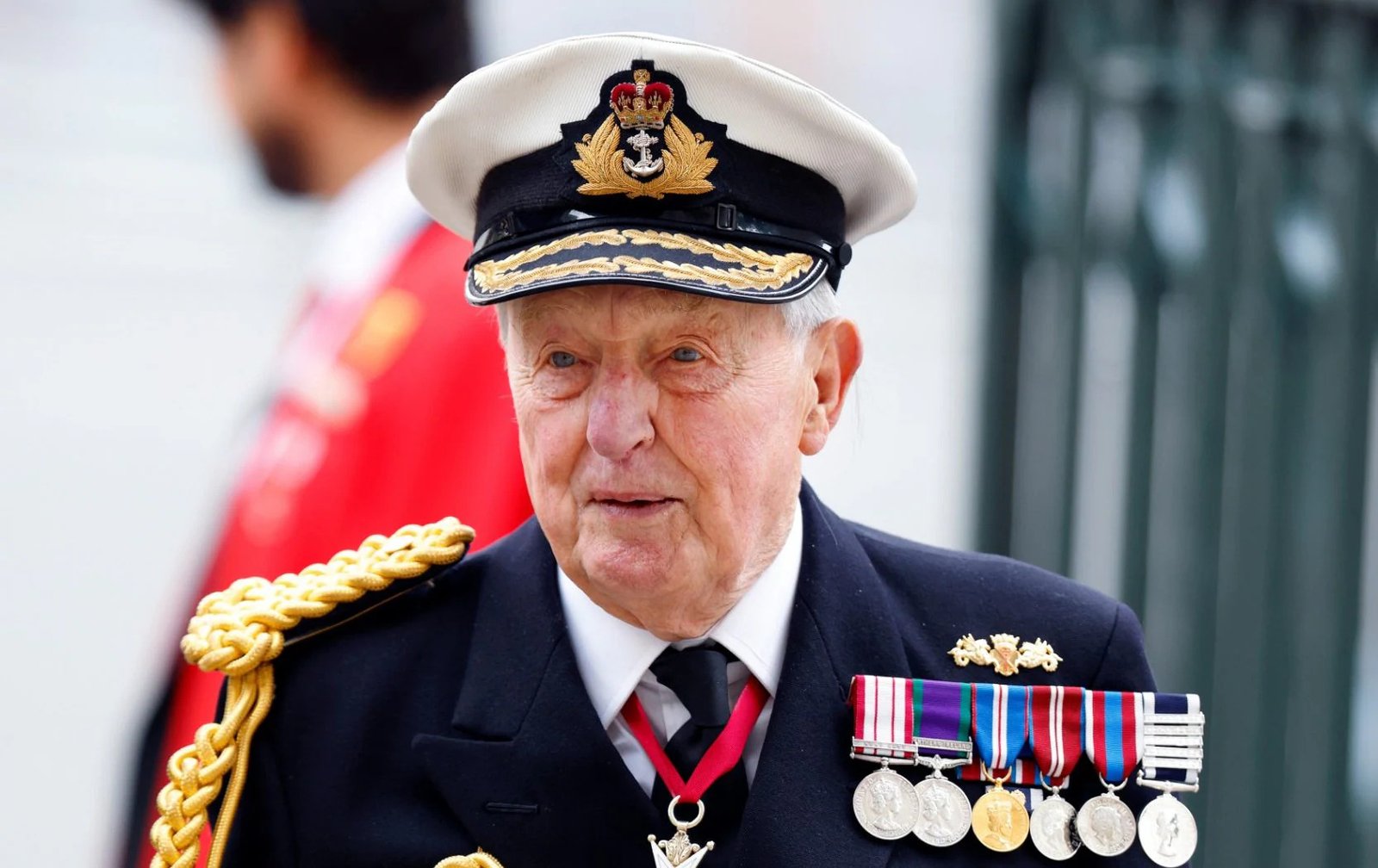
Admiral of the Fleet Sir David Benjamin Bathurst, one of the most senior figures in the Royal Navy, has died at the age of 89. Sir Benjamin, as he was widely known, passed away while visiting his son, Lieutenant General Sir Benjamin Bathurst, the Governor of Gibraltar. His death marks the passing of one of the last senior officers to have held the Royal Navy’s prestigious five-star rank during peacetime.
The rank of Admiral of the Fleet is the highest within the Royal Navy, and apart from the sovereign, very few officers have held the title in modern times. Sir Benjamin was promoted to this position in July 1995 following an illustrious career spanning more than four decades, marking the last peacetime elevation to the five-star rank.
Born in 1936, Sir David Bathurst was educated at Eton College before entering Britannia Royal Naval College in Dartmouth. He joined the Royal Navy as a cadet in 1953 and began his career aboard HMS Woolaston as part of the minesweeper service. Demonstrating both skill and ambition, he soon qualified as a helicopter pilot and served in the flight deck operations of HMS Devonshire, where his expertise quickly became apparent.

His early career also included instructional roles, reflecting his leadership capabilities and technical acumen. Bathurst subsequently commanded his own squadron and continued to rise through the ranks, culminating in his appointment as executive commander of HMS Norfolk in February 1971. His leadership on the board was characterised by meticulous attention to detail and a commitment to operational excellence.
In 1975, he was appointed commander of the Leander-class frigate HMS Ariadne, a position that underscored his growing influence within the Royal Navy. His promotion to rear admiral in October 1983 led to his role as Flag Officer Second Flotilla, and later as director general of naval manpower and training, overseeing the professional development of thousands of personnel.
Sir Benjamin’s dedication was recognised with a knighthood in the Queen’s 1987 Birthday Honours list, and he achieved the rank of admiral in 1989. His career continued to reach new heights with his appointment as vice chief of the defence staff in 1991 and subsequently as First Sea Lord and Chief of the Naval Staff in 1993. In these roles, he provided key strategic advice to the Government on the deployment of naval support, including Sea Harrier jets operating from aircraft carriers during the Bosnian War, showcasing his ability to navigate complex operational and geopolitical challenges.
After his retirement, Sir Benjamin continued to contribute to public life and the maritime sector. He became a non-executive director of British International Helicopters and served as a trustee of the Greenwich Foundation at the Old Royal Naval College. In February 1999, he was appointed Vice-Lord Lieutenant of Somerset, where he championed local charitable initiatives. His dedication to the maritime community was further reflected in his support for Trinity House and his membership as a Liveryman of the Guild of Air Pilots and Air Navigators.
Sir Benjamin’s contributions were also recognised academically. In 2004, the University of Greenwich awarded him an honorary Doctor of Laws degree in recognition of his distinguished service to the nation and the Royal Navy. He remained engaged in professional circles throughout his life, often mentoring younger officers and offering insights drawn from his extensive operational experience.
Those who knew Sir Benjamin remember him as a man of great humility and quiet determination. A member of Boodle’s private members’ club in London, he was known for his interests in gardening, shooting, and fishing. He married Sarah Christian Pandora Peto in 1959, and together they had one son, Lieutenant General Sir Benjamin Bathurst, and three daughters. Family was a cornerstone of his life, and he remained close to them throughout his long career and into retirement.
Even in his later years, Sir Benjamin maintained strong ties to the Royal Navy. Last year, he visited the Royal Navy Gibraltar Squadron headquarters, where he met commanders and crew aboard a commissioned warship. At the time, Commanding Officer Lieutenant Commander Kilby said: “It is an honour to host Admiral of the Fleet Sir Benjamin Bathurst and especially to have him afloat at sea again in a commissioned Royal Navy warship.” The visit highlighted his enduring connection with the service and his role as an inspiration for current and future generations of officers.

Sir David Bathurst’s career was defined not only by his rank and achievements but also by his character and leadership. Colleagues recall a man whose strategic thinking, professionalism, and personal integrity set the standard for others to follow. He played a pivotal role in modernising elements of the Royal Navy, championing training, and ensuring that operational standards were maintained at the highest levels.
In reflecting on his legacy, naval historians note that Sir Benjamin’s service coincided with significant changes in the geopolitical landscape, including the end of the Cold War, the restructuring of military forces, and the emergence of new operational challenges. His ability to adapt to these changes, while maintaining a focus on both personnel and mission readiness, cemented his reputation as one of the Royal Navy’s most accomplished leaders.
Sir Benjamin’s death has been met with tributes from across the naval community, with officers and veterans praising his dedication, mentorship, and lasting impact on the service. Admirals and servicemen who served under him have highlighted his combination of professional excellence and personal kindness, noting that his guidance and example shaped their own careers.
His passing also serves as a reminder of the enduring value of experienced leadership in the armed forces. As one former colleague remarked, “Admiral of the Fleet Sir Benjamin Bathurst exemplified the very best of the Royal Navy. His career was a beacon of dedication, courage, and unwavering commitment to service.”
As the nation mourns his passing, the legacy of Sir David Benjamin Bathurst will endure in the officers he mentored, the strategies he implemented, and the countless lives he touched throughout his extraordinary career. He remains a symbol of dedication to duty and the embodiment of service to both crown and country.
Related News:
 Prince Harry Cleared of Bullying Allegations Amid Charity Dispute Fallout
 Close Friend of Princes William and Harry Faces Delicate Godparent Decision
 Prince Harry Meets King Charles in First Private Encounter in 19 Months
 George and Amal Clooney Celebrate Global Human Rights Champions at Star-Studded Albies
 Sussexes Warn on Children’s Phone Use Echoing Princess of Wales
 Prince Andrew May Leave Royal Lodge for Frogmore Cottage
 King Charles Heckled Over Prince Andrew-Epstein Links
 Prince Andrew Stripped of Title: Giuffre Family Hails Historic Moment
 Prince William Plants Trees with Brazil’s Nature Heroes
 Oprah enjoys Meghan’s jam on English muffins
 Second world war veterans honoured as King leads Remembrance Sunday
 The Debate Over Princess Beatrice and Eugenie’s Royal Status Intensifies
 Princess of Wales Hosts Festive Christmas Service at Abbey
 The Ketamine Crisis in the UK is a Silent Epidemic Leaving Users with Lifelong Pain
 Wethersfield Controversy Deepens as Asylum Seeker Numbers Set to Surge by 50%
 Heartbreak in the New Forest as Shetland Ponies Vanish, Community on Edge
 Russell T Davies Warns of Declining UK Gay Rights Amid Rise of Reform UK and Trump Influence
 Alarming rise in abusive teen relationships in the UK sparks urgent warnings
 Inquest Finds Agency Worker Failings Led to Unlawful Death of Vulnerable 14-Year-Old
 Where Is Prince William and Kate Middleton’s New House? Inside the Historic Lodge Set to Become Their ‘Forever Home’
 Shocking Rise in Children’s Exposure to Violent Online Pornography Raises Alarm
 Human Remains Discovered in Lancashire May Be Those of Children, Police Say
 Akinwale Arobieke Found Dead at Liverpool Home
 Why E-Bikes and E-Scooters Are Making Streets a ‘Nightmare’ for Blind People
 UK Warned It’s on Course to Fail in Efforts to Wipe Out Bovine TB
 London to Regulate Pedicabs: Music Turned Down, Fares Set by the Minute
 UK Retail Sales Rise in August, but Tax Concerns Loom Over Festive Period
 Birmingham Bin Strike Enters Sixth Month as Negotiations Stall
 Over 40% of Private Renters Forced to Ration Energy to Afford Bills, Study Reveals
 One in Three GPs in England Do Not Work in NHS, Raising Concerns Over Access to Care
 Persistent Offenders Owe Over £700m in Ulez Fines as TfL Cracks Down on Evasion
 UK Doctors Guilty of Sexual Misconduct Continue Practising Amid Weak Sanctions, Research Finds
 Northern Ireland Faces Fears of Prolonged Race Riot “Permacrisis”
 Zarah Sultana Seeks Legal Action After Bitter Clash with Jeremy Corbyn Over Party Membership Funds
 Scottish Teenager’s Petition on Single-Use Plastics Gains Parliamentary Support
 White Low-Income Pupils in England Show Lowest Levels of School Engagement, Study Finds
 Ed Miliband Warns UK Government on X, Citing Elon Musk as a “Dangerous Influence”
 Starmer Unveils Plan for NHS “Online Hospital” to Tackle Waiting Lists
 A Third of EU Citizens in UK Report Discrimination by Public Bodies Post-Brexit
 UK households brace for October benefit payments and rising energy costs amid cost-of-living pressures
 Jilly Cooper: The Bonkbuster Queen Who Redefined Romantic Fiction
 Massive London Poundland Fire Engulfs High Street
 Women Challenge Meta Over Targeted Ads After Miscarriage
 Prince Andrew told Epstein “we are in this together”
 £18 Prostate Cancer Test Could Save Thousands of Lives
 Pregnant Women in England Face Rising Risk of Severe Birth Injury
Prince Andrew steps aside as royal succession shifts
Pregnant Women in England Face Rising Risk of Severe Birth Injury
Prince Andrew steps aside as royal succession shifts
 Harry and Meghan join global AI leaders urging superintelligence ban
 One in 12 Secondary Pupils Sent to Isolation Weekly
 William Steps Up Over Prince Andrew Palace Response
 UK Health Leaders Push for Urgent Tobacco & Vape Bill
 Hospice Cuts Raise Alarm Across England Amid Funding Crisis
 UK Woman Loses Child Benefit After Booking Flight She Never Took
 UK launches search for first-ever ‘town of culture’ to highlight overlooked areas
 Mass Stabbing on Doncaster to London Train Leaves Ten Injured
 Children to Learn Local History in Major Curriculum Overhaul
 The Lowry Hotel: Manchester’s Iconic Five-Star Retreat
 Greta Thunberg Backs Student Facing UK Visa Revocation
 Earl of Yarmouth Faces £1.3m Legal Bill Over Family Estate
 Jailed UK climate protesters face extremist-style restrictions
 King Charles to Lead Nation in Remembrance Sunday Service
 How to get help when a child goes missing – call 999 urgently
 ‘Reckless’ cuts to victims’ services will cost more than they save
 UK toy market enjoys bumper year as ‘kidults’ fuel demand
 Politics latest: Starmer ‘will fight any leadership coup’ as Streeting denies attempt to oust Labour PM
 Son Reveals UK Couple in Iran Resort to Hunger Strike for Help
 New weather warning issued with risk of flooding
 Mum Calls for New Licence Rules After Teen Road Death
 £1 Breakfast Club Brings Parents Together in Sheffield
 Mother Watches in Horror as Teen Daughter Dies on Tracks
 ‘Traumatic Wait’: Northern Ireland Women Face Breast Cancer Delays
 Commuters warned as yellow snow and ice alert hits Northern Ireland
 Kate Forbes: Motherhood Harder Than Politics
 Coffins Now Too Large to Cremate Amid Rising Obesity Crisis
 Labour MP claims devolution bill is ‘blatant discrimination’ against Cornwall
 Fibromyalgia Patients Struggle as NHS Fails to Provide Care
 Machynlleth High Street Left Without Christmas Lights
 Search underway for British man overboard off Tenerife
 “Enough is Enough”: Local MP Vows to Fight Rainham Quarry Plans
 Virgin Media Fined £23.8m Over Telecare Safety Failures