Published: 15 October 2025. The English Chronicle Desk. The English Chronicle Online.
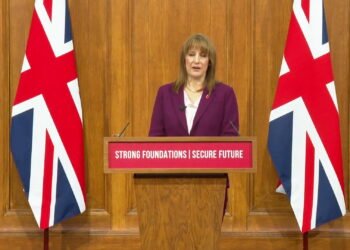
Chancellor Rachel Reeves has warned that both tax rises and spending cuts are being considered for the upcoming autumn budget, as the government confronts a deepening hole in the public finances. Reeves attributed the growing fiscal strain partly to the lingering economic consequences of Brexit, combined with the effects of austerity and the turmoil caused by Liz Truss’s 2022 mini-budget.
Speaking in an interview with Sky News, Reeves confirmed that “tax and spending” decisions were on the table as she prepares to deliver her 26 November budget statement. Emphasising fiscal discipline, she declared: “The numbers will always add up with me as chancellor, because we saw just three years ago what happens when the Conservatives lost control of the public finances — inflation and interest rates went through the roof.”

Pressed on whether Brexit was to blame, Reeves said the economic impact of leaving the EU had been “severe and long-lasting,” pointing out that most economists expected the UK economy to be about 4% smaller as a result. She said her government was now trying to “undo some of that damage” by rebuilding ties with Europe, citing new arrangements on food, farming, youth mobility, and energy trading.
Reeves outlined her determination to be the “chancellor that gets stuff built in Britain”, vowing to accelerate major infrastructure projects through planning reform. She said the government’s forthcoming planning and infrastructure bill — which she described as “probably the biggest piece of legislation that this government passes in the whole of this parliament” — would prioritise progress over bureaucracy.
To illustrate the scale of the challenge, Reeves pointed to the Lower Thames Crossing project between Kent and Essex, which she said had accumulated a 350,000-page planning application. “That’s longer than the complete works of Shakespeare,” she remarked. “For getting a road built across the Thames, that is not acceptable. We used to be able to do things faster in the past.”
The upcoming budget is shaping up to be Labour’s toughest fiscal test yet. Economists estimate a shortfall of around £50 billion, worsened by weak productivity, persistent inflation, and mounting debt costs. The chancellor faces additional financial pressure after the government’s decision to reverse cuts to winter fuel payments and abandon welfare reductions, leaving a £6 billion gap.
The Office for Budget Responsibility (OBR) is also expected to downgrade productivity forecasts, further complicating the Treasury’s task. Reeves acknowledged that the OBR had “consistently overestimated” the UK’s productivity in the past and warned that any adjustment would make balancing the books more difficult.
While she refused to rule out tax increases, Reeves stressed that sustainable economic growth was the only long-term solution to restoring fiscal health. “It’s growth that brings in the tax revenues to afford to keep taxes low and invest in our public services,” she said. However, she admitted that weak growth had created a “doom-loop” of rising taxes and spending constraints that she was determined to break.

Despite these challenges, Reeves highlighted positive indicators, including data showing the UK as the fastest-growing economy in the G7 during the first half of the year, along with signs of improving business investment. Yet she acknowledged that cost-of-living pressures remained “very real” for families and businesses.
The chancellor also reaffirmed her commitment to “builder-over-blocker” policies, promising to reduce judicial review times for major projects by six months and appoint specialist judges to handle complex cases more efficiently.
Reeves’s interview signals a pragmatic but politically risky path ahead, as the Labour government balances its growth agenda with public expectations for stability and fairness. The November budget will reveal just how far the new chancellor is prepared to go — and how much the British public will be asked to contribute — in her bid to restore order to the nation’s finances while laying the groundwork for a new era of investment-led growth.
Related News:
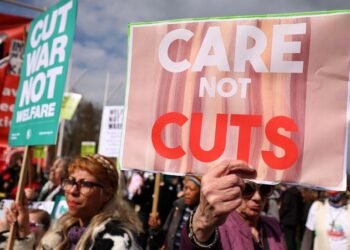 MPs Warn Thousands Still Face Poverty Despite Labour’s Welfare Reform Retreat
 Chancellor Faces Mounting Pressure Amid “Impossible Trilemma” Over Tax Rises
 Labour Members Push for Wealth Tax as Public Finance Crisis Deepens
 Larger Families Could Gain Thousands if Labour Ends Two-Child Benefit Cap
 Reeves Weighs New Property Tax on Homes Worth Over £500,000
 Rachel Reeves Hosts Top UK and US Financial Executives as Trump’s State Visit Begins
 Privatisation of UK Industries Exacerbates Cost of Living Crisis, Warns Green Party Leader
 Resolution Foundation Chief Urges Chancellor Reeves to Rethink Budget Before November
 Farage’s Reform UK Receives £100,000 from Design Firm with Past Tax Issues
 Rachel Reeves Faces Criticism Over Appearance at Gambling Industry Event Amid Tax Review
 King Charles Earns Over £1 Million from Duchy Land Linked to Scrapped HS2 Project
 Gatwick Secures Approval for £2.2bn Second Runway Expansion
 Labour to Unveil Ambitious Plan for 12 New Towns to Tackle England’s Housing Crisis
 UK Employment Bill Set to Grant Millions Greater Job Security, Thinktank Analysis Finds
 Holding Reform to Account: Why a Principled Conservative Future Matters
 Kemi Badenoch Unveils ‘Golden Rule’ to Halve Spending Cuts for Deficit Reduction at Tory Conference
 Bridget Phillipson Urges Starmer to Scrap Two-Child Benefit Cap
Rachel Reeves to Confirm Changes to Britain’s Planning System
Bridget Phillipson Urges Starmer to Scrap Two-Child Benefit Cap
Rachel Reeves to Confirm Changes to Britain’s Planning System
 Rachel Reeves urged to consider welfare cuts to boost fiscal credibility
 Rachel Reeves to lead UK trade push in Saudi Arabia amid rights debate
 Green Party Surges Past Labour in Latest UK Poll
 Celebrities and Charities Demand UK Government Act on Child Poverty
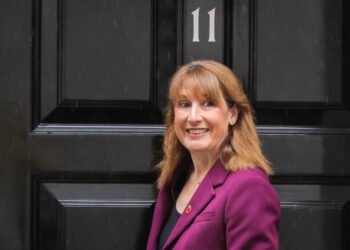 Rachel Reeves Eyes 20% Tax on Assets for UK Departures
 Trump’s UK Ambassador Urges North Sea Drilling to Strengthen US Ties
 Rachel Reeves Set to Break Labour Pledge and Raise Income Tax
Thinktanks Urge Rachel Reeves to Reform UK Tax System
MPs Press Rachel Reeves to Hike Gambling Taxes
Rachel Reeves Set to Break Labour Pledge and Raise Income Tax
Thinktanks Urge Rachel Reeves to Reform UK Tax System
MPs Press Rachel Reeves to Hike Gambling Taxes
 Labour Urged to Honour Tax Pledges Ahead of Budget
 Labour Falls to Fourth in Poll, Faces Historic Election Loss
 Cuts to home insulation funding threaten UK climate goals
 PM Highlights UK Business at G20 in South Africa
Reeves to Crack Down on Benefit Fraud While Lifting Two-Child Limit
PM Highlights UK Business at G20 in South Africa
Reeves to Crack Down on Benefit Fraud While Lifting Two-Child Limit
 Starmer Says Labour’s Economic Plan Needs Years to Deliver
 UK Must Act with Courage and Clarity on Israel-Palestine Conflict, Says Foreign Affairs Committee Report
 Radioactive Leak at UK’s Nuclear Warhead Base Sparks Outcry Over Safety and Secrecy
 Mutual Inconvenience: Why Alaska Was Chosen for the Trump-Putin Summit on Ukraine
 UK Government Expands ‘Deport Now, Appeal Later’ Policy to 23 Countries
Chancellor Rachel Reeves Pushes for Sweeping Changes to Environmental Protections to Accelerate Development
UK Government Expands ‘Deport Now, Appeal Later’ Policy to 23 Countries
Chancellor Rachel Reeves Pushes for Sweeping Changes to Environmental Protections to Accelerate Development
 Inflation Latest: Cost of Living Expected to Rise Again in Key Figures Released Today
 Is the UK Ready to Put Boots on the Ground in Ukraine? Assessing Military Capacity and Challenges
 Palestine Action Ban Protesters Plan Tactic to Overwhelm Police at Next London Demonstration
 Police Scotland Spends £500,000 Compensating Officers Over Trump Visit
 Britain’s Migration Challenge: Rising Asylum Numbers and Hotel Pressures
 Elon Musk Sparks New Controversy by Backing Tommy Robinson Amid Farage Feud
 Urgent Action Needed on Windrush Compensation as Survivors Speak of “Waiting to Die”
 Shein UK Faces Allegations of Shifting Majority of Profits to Singapore to Reduce UK Tax
 Tanni Grey-Thompson Faces Abuse Over Opposition to Assisted Dying Bill
 Rising Food Bank Dependence Highlights Deepening Hardship Across the UK
 TfL Invites RMT to Resume Talks as London Tube Strikes End
 Zarah Sultana Seeks Legal Action After Bitter Clash with Jeremy Corbyn Over Party Membership Funds
 Nigel Farage Unveils Controversial Immigration and Welfare Plans at Reform UK Press Conference
 Mahmood Pledges Reform of Modern Slavery Laws After Court Blocks Deportation Appeal
 UK Government Backs Return of International Rail Travel to Kent Stations
 Ed Miliband Warns UK Government on X, Citing Elon Musk as a “Dangerous Influence”
 Ed Miliband Urges Labour to Confront Billionaire-Backed Opposition to Net Zero Goals
 Digital ID Plans Ignite Debate Over £600m Treasury Tax Boost and Privacy Concerns
 Public Trust in SNP Hits Historic Low Amid NHS Concerns
 Yvette Cooper Backs Digital ID Plan for UK Teens
 Johnson Suggests Mandelson Linked to China Spy Controversy
 Ministry of Justice fails to file £11bn in spending receipts
Rachel Reeves signals welfare reform ahead of key budget
Ministry of Justice fails to file £11bn in spending receipts
Rachel Reeves signals welfare reform ahead of key budget
 Reform UK candidate fined £19,000 after using AI-generated cases to challenge election
 The debate over England’s compulsory reading test for 13-year-olds
 Kosovo agrees to host Britain’s refused asylum seekers
 William Steps Up Over Prince Andrew Palace Response
 UK Health Leaders Push for Urgent Tobacco & Vape Bill
 How the Royal Navy Can’t Stop the Channel Boats
 Johnson Approved China’s London ‘Super-Embassy’ in 2018
 Zarah Sultana Launches Party to Change Politics
 FBI Director Kash Patel Defends Girlfriend Amid Government Jet Claims
 Tony Blair think tank warns Rachel Reeves must cut taxes if manifesto broken
 Starmer Faces Growing Dissent as Labour MPs Weigh Leadership Challenge
 Pressure Mounts on Starmer to Sack Chief of Staff Over Briefing Row
 Peers Flood Assisted Dying Bill with 942 Amendments
 Global markets drop amid tech sell-off and China slowdown
 Mossmorran Plant Closure Hits Cowdenbeath Hard
 Most Tories Expect to Support a Farage-Led Government
 Labour MP claims devolution bill is ‘blatant discrimination’ against Cornwall
 Millions Face Higher Taxes Under Reeves New Budget
 Rising Water Bills Lift Troubled Thames Back to Profit