Published: 26 October 2025. The English Chronicle Desk. The English Chronicle Online.
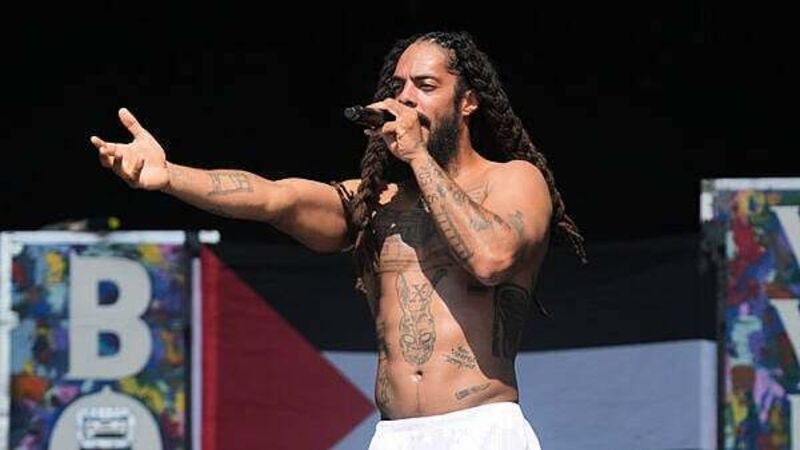
British Airways has suspended its sponsorship of Louis Theroux’s widely-followed podcast after a controversial interview with Bobby Vylan, the frontman of the UK rap duo Bob Vylan. The decision came after Vylan openly admitted during the conversation that he had no regrets about leading chants of “death, death to the IDF [Israel Defense Forces]” during a performance at this year’s Glastonbury festival, adding that he would repeat the act if given the opportunity. The airline, citing a breach of its sponsorship policy, removed all adverts linked to the series.
A spokesperson for British Airways told PA Media that the content of the podcast violated their guidelines on politically sensitive and controversial matters. “Our sponsorship of the series has now been paused, and the advert has been removed. We are grateful that this was brought to our attention, as the content clearly breaches our policy on politically sensitive or controversial subjects. We and our third-party media agency have processes in place to prevent such issues, and we are investigating how this occurred,” the spokesperson said.

The controversy over Vylan’s Glastonbury performance has already had significant repercussions. Following the backlash, the duo was forced to postpone two concerts, including a show in Manchester, after calls from MPs and leaders of the Jewish community expressing concern over the content of the chant. The fallout also led to the loss of agency representation, as Vylan was dropped by their management agency UTA. Furthermore, the US State Department revoked the duo’s visas, resulting in the cancellation of a planned North American tour.
During the podcast, recorded on 1 October, Theroux asked Vylan whether he stood by the chant. Vylan responded firmly, stating that he was not regretful and would repeat the action if given the opportunity, even adding “twice on Sundays” for emphasis. He explained that his motivation stemmed from supporting his Palestinian friends and communities, many of whom had experienced displacement, loss, and suffering. “If I have their support, they’re the people I’m being vocal for, so what is there to regret? Oh, because I’ve upset some right-wing politician or some right-wing media? That is minimal compared to what people in Palestine are going through,” Vylan said.
The admission sparked widespread discussion on social media and within UK media circles. Many commentators criticized the choice of words, highlighting the potential for harm and the sensitivity of political discourse. Others attempted to contextualize Vylan’s comments as an expression of solidarity with Palestinians, arguing that his intent was to draw attention to international human rights concerns rather than to incite violence.
The Glastonbury performance itself was livestreamed by the BBC, attracting millions of viewers. The broadcaster later faced criticism for failing to intervene and remove the livestream. Internal reviews determined that the broadcast breached the BBC’s editorial guidelines on harm and offense, raising questions about live content monitoring and the responsibilities of public broadcasters. The incident prompted discussions on how live performances and streaming platforms should manage politically sensitive or controversial content in real-time.
The sponsorship withdrawal by British Airways also drew attention to the corporate responsibilities of companies involved in media partnerships. Sponsorship policies typically prohibit association with content that could be interpreted as politically provocative or offensive to certain groups. In this case, the airline moved swiftly to distance itself from the podcast following complaints, reflecting a broader trend among corporations to mitigate reputational risk when associated with controversial figures or content.
Industry experts note that corporate sponsorship of podcasts and online content has grown substantially in recent years. However, these partnerships require careful alignment of brand values and content standards. “Brands are extremely cautious about political or social issues,” said one media analyst. “In the digital age, any controversial content can spread rapidly, and companies must act quickly to manage potential backlash. This is exactly what British Airways did, pausing sponsorship to assess and manage reputational risk.”
The episode has also reignited debates around freedom of expression and accountability in the entertainment industry. Some observers argue that artists should be able to voice their opinions freely, even on politically charged topics, while others contend that public figures carry a responsibility to consider the broader impact of their words, especially in live performances and widely circulated media. For Louis Theroux’s podcast, the incident underscores the challenges of balancing journalistic exploration with sensitivity to public reactions and corporate oversight.
For Vylan and his team, the immediate consequences have been significant. Beyond canceled shows and lost representation, the controversy may affect future collaborations, bookings, and international opportunities. It also raises questions about the limits of artistic expression in the context of live performances and high-profile events like Glastonbury. In recent years, the festival has hosted numerous politically conscious artists, and the Vylan incident highlights the fine line between expression and public accountability in such forums.
The unfolding story continues to attract attention across social media platforms, traditional news outlets, and music industry forums. Fans of Bob Vylan have voiced both support and criticism, reflecting the polarizing nature of the issue. Meanwhile, corporate sponsors and media partners are reviewing their policies and monitoring developments closely, aware that similar controversies could emerge in the fast-evolving landscape of online media and entertainment sponsorship.

As for Louis Theroux, the controversy adds another layer to his reputation as a journalist willing to tackle difficult and divisive subjects. The incident demonstrates the potential risks associated with high-profile interviews in a politically sensitive climate, highlighting the need for careful editorial judgment alongside a commitment to open dialogue.
The British Airways sponsorship suspension serves as a reminder of the complex interactions between artists, journalists, corporate entities, and the public. It illustrates the delicate balance required when addressing controversial topics and the consequences that can arise when content intersects with global political sensitivities. While the podcast will continue, the fallout from this interview is likely to shape conversations around sponsorship, content responsibility, and artistic expression for months to come.
Related News:
 Labi Siffre Demands Tommy Robinson Stop Using Iconic Anti-Apartheid Anthem
 Amber Davies Shines on Strictly – Time to Drop the West End Debate
 Drag Queens Forced to Stop Reading ‘Dear Zoo’ to Children Amid Protests at Belfast Library
 Jack Osbourne Breaks Silence with Heartfelt Tribute Following Ozzy Osbourne’s Funeral
 Prince Charles Cinema Eyes Expansion to East London Amid Leicester Square Uncertainty
 Russell T Davies Warns of Declining UK Gay Rights Amid Rise of Reform UK and Trump Influence
 Millie Bobby Brown and Jake Bongiovi Begin Parenthood Through Adoption
 Patricia Crowther, Known as UK’s Oldest Witch, Dies Aged 97
 George and Amal Clooney Celebrate Global Human Rights Champions at Star-Studded Albies
 Jilly Cooper: The Bonkbuster Queen Who Redefined Romantic Fiction
 Celebrity Traitors First Look: A Star-Studded Highland Adventure That Hooks from the Start
 Academy Award-Winning Actress Diane Keaton Dies at 79
 Paedophile Singer Ian Watkins Dies After Prison Attack
 Strictly Celebs Starstruck as Cynthia Erivo Shines
 D’Angelo: Neo-Soul’s Radical Genius and Lasting Legacy
 Dave Ball: The Unsung Genius Behind Soft Cell’s Bold Sound
 Prunella Scales: From Fawlty Towers Icon to Beloved Canal Explorer
 Hollywood Is an Industry of Looney Tunes Pretending to Be Normal
 Oprah enjoys Meghan’s jam on English muffins
 Pop Stars Call on UK Government to Cap Resale Prices for Fans
 Princess of Wales Hosts Festive Christmas Service at Abbey
 Yungblud Pauses Tour Over Health Concerns, Apologises to Fans
 TikTok Star Jessie Yendle Mocked by KFC
 Chef Skye Gyngell, Slow Food Pioneer, Dies Aged 62
 Reggae Legend Jimmy Cliff Dies at 81
 Belfast’s Elle Vosque finishes runner-up on Drag Race UK
 Ozzy Osbourne: The Prince of Darkness Bows Out, Leaving Behind a Legacy of Metal and Myth
 The Ketamine Crisis in the UK is a Silent Epidemic Leaving Users with Lifelong Pain
 Unseen Killers of the Deep Inside the UK Lab Uncovering the Silent Deaths of Sea Creatures
 My Husband Won’t Stop Playing with Lego and It’s Driving Me Nuts
 Heartbreak in the New Forest as Shetland Ponies Vanish, Community on Edge
 Terence Stamp, ’60s British Film Legend and Star of Superman, Dies at 87
 Why E-Bikes and E-Scooters Are Making Streets a ‘Nightmare’ for Blind People
 London to Regulate Pedicabs: Music Turned Down, Fares Set by the Minute
 Birmingham Bin Strike Enters Sixth Month as Negotiations Stall
 Over 40% of Private Renters Forced to Ration Energy to Afford Bills, Study Reveals
 One in Three GPs in England Do Not Work in NHS, Raising Concerns Over Access to Care
 Persistent Offenders Owe Over £700m in Ulez Fines as TfL Cracks Down on Evasion
 Northern Ireland Faces Fears of Prolonged Race Riot “Permacrisis”
 Zarah Sultana Seeks Legal Action After Bitter Clash with Jeremy Corbyn Over Party Membership Funds
 Watchdog, Cornflakes and Courage: Remembering John Stapleton, a Broadcaster Who Did It All
 Scottish Teenager’s Petition on Single-Use Plastics Gains Parliamentary Support
 White Low-Income Pupils in England Show Lowest Levels of School Engagement, Study Finds
 Ed Miliband Warns UK Government on X, Citing Elon Musk as a “Dangerous Influence”
 A Third of EU Citizens in UK Report Discrimination by Public Bodies Post-Brexit
 Beloved Actress Dame Patricia Routledge Dies Aged 96
 Massive London Poundland Fire Engulfs High Street
 Sussexes Warn on Children’s Phone Use Echoing Princess of Wales
 Son of ex-England footballer dies in tractor crash
 Real living wage set to rise nearly 7% for UK workers in 2026
 M&S and Morrisons Lead Christmas Supermarket Taste Test
 UK Health Leaders Push for Urgent Tobacco & Vape Bill
 Hospice Cuts Raise Alarm Across England Amid Funding Crisis
 UK Woman Loses Child Benefit After Booking Flight She Never Took
 Mass Stabbing on Doncaster to London Train Leaves Ten Injured
 Children to Learn Local History in Major Curriculum Overhaul
 The Lowry Hotel: Manchester’s Iconic Five-Star Retreat
 Prince William Plants Trees with Brazil’s Nature Heroes
 Top Christmas Books Reads: Classics to Cozy Romcoms
 Greta Thunberg Backs Student Facing UK Visa Revocation
 Pauline Collins, Beloved ‘Shirley Valentine’ Star, Dies at 85
 Jailed UK climate protesters face extremist-style restrictions
 How to get help when a child goes missing – call 999 urgently
 ‘Reckless’ cuts to victims’ services will cost more than they save
 VAR Must Rein Its Neck In to Save Football’s Spirit
 Politics latest: Starmer ‘will fight any leadership coup’ as Streeting denies attempt to oust Labour PM
 Son Reveals UK Couple in Iran Resort to Hunger Strike for Help
 New weather warning issued with risk of flooding
 Mum Calls for New Licence Rules After Teen Road Death
 £1 Breakfast Club Brings Parents Together in Sheffield
 Mother Watches in Horror as Teen Daughter Dies on Tracks
 ‘Traumatic Wait’: Northern Ireland Women Face Breast Cancer Delays
 Commuters warned as yellow snow and ice alert hits Northern Ireland
 Coffins Now Too Large to Cremate Amid Rising Obesity Crisis
 Labour MP claims devolution bill is ‘blatant discrimination’ against Cornwall
 Fibromyalgia Patients Struggle as NHS Fails to Provide Care
 Search underway for British man overboard off Tenerife
 “Enough is Enough”: Local MP Vows to Fight Rainham Quarry Plans
 Virgin Media Fined £23.8m Over Telecare Safety Failures
 Pavarotti statue frozen in Italian ice rink sparks backlash