Published: 31 October 2025. The English Chronicle Desk. The English Chronicle Online.
For the first time in modern political polling, the Green Party has overtaken Labour in a national opinion poll, signaling a potential shake-up in the UK’s political landscape. The survey, conducted by Find Out Now, shows the Greens rising to 17 per cent, surpassing Labour, which now stands at 16 per cent, and placing them ahead of the Conservatives, who are also on 16 per cent. Reform UK, led by Nigel Farage, maintains a commanding lead with 32 per cent of voters indicating their preference for the party.
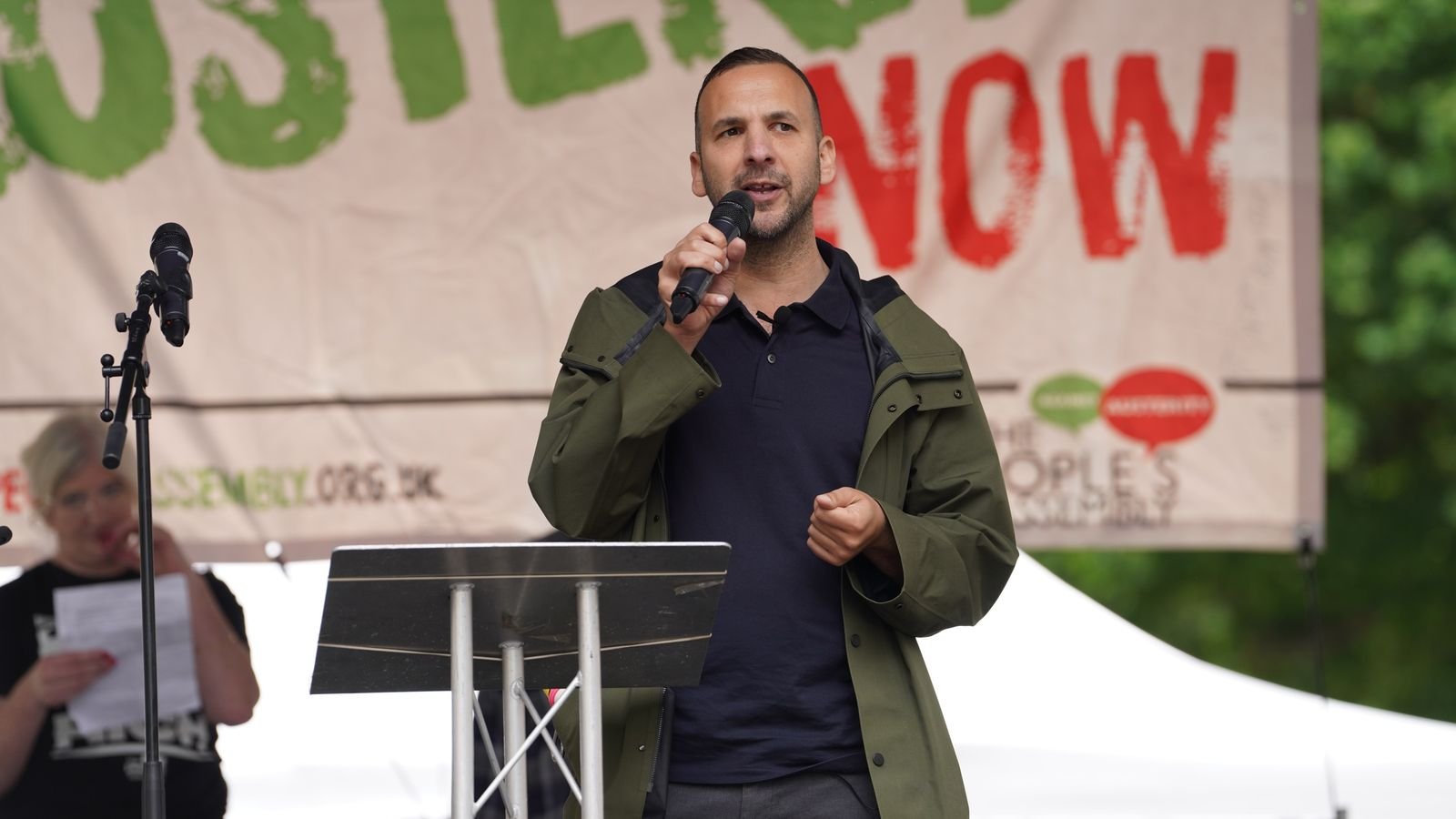
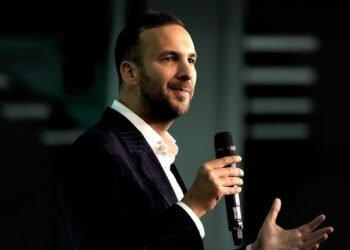
The findings, based on responses from 3,065 adults on 29 October, suggest growing public interest in environmental issues and social reform, particularly among younger voters. The Greens’ surge follows the recent election of Zack Polanski as party leader. Known for his outspoken eco-populist stance, Polanski has energized the party base with bold proposals on taxation, climate policy, and social equity.

Polanski, a former hypnotherapist who first came to public attention with unconventional claims about mental techniques, has quickly become a controversial yet charismatic figure within UK politics. Last month, he secured the leadership after defeating a joint bid by Adrian Ramsay and Ellie Chowns, convincing party members that he could lead the Greens to a more influential position in Parliament.
In response to the poll, Polanski took to social media, celebrating the results while emphasizing the broader mission of his party. “We’re just getting started. Time to lower bills. And tax billionaires,” he wrote, linking to the Green Party’s membership page and encouraging supporters to join the movement. The Greens have seen a dramatic increase in engagement, with their membership surpassing 150,000 this week, indicating a rising level of grassroots enthusiasm.
Political analysts point to several factors behind the Greens’ rapid ascent. The decline of Labour, which has been struggling with internal divisions and low public confidence in Sir Keir Starmer’s leadership, has left an opening for alternative voices. Labour’s performance in recent polls has been particularly poor; an earlier YouGov survey this week saw the party falling to 17 per cent, trailing Reform UK by 10 percentage points and narrowly ahead of the Greens. This erosion of traditional support has created an opportunity for the Greens to capture disaffected voters seeking fresh solutions to economic and social challenges.
Polanski’s platform has resonated with those frustrated by entrenched inequality and the perception that the wealthy wield disproportionate influence. Central to the Greens’ policy agenda is a proposed wealth tax, which would levy 1 per cent annually on assets exceeding £10 million and 2 per cent on assets over £1 billion. Speaking on BBC’s Sunday with Laura Kuenssberg, Polanski framed the measure as a means of addressing systemic inequality rather than funding public services. “Whatever you’re going to create from a wealth tax, it’s ultimately about reducing inequality. This isn’t about creating public investment. We can do that anyway. We don’t need to tax the wealthy to do that. This is ultimately about tackling the deep inequality in our society,” he explained.
Beyond taxation, Polanski has focused on the party’s environmental commitments, presenting a vision of the UK as a global leader in renewable energy and sustainable development. The Greens’ manifesto includes ambitious plans for transitioning to zero-carbon infrastructure, supporting green jobs, and promoting social programs that encourage economic and environmental resilience. Analysts suggest that Polanski’s ability to merge populist messaging with environmental advocacy has allowed the Greens to broaden their appeal beyond traditional left-wing constituencies.
The rise of the Greens also reflects a wider trend across Europe, where younger voters increasingly prioritize climate action and social justice over party loyalty. In the UK, these voters are particularly attracted to the Greens’ combination of progressive economic policies and environmental stewardship. With Polanski at the helm, the party is now positioning itself as a credible alternative not only to Labour but also to other mainstream parties.
The reaction from Labour has been cautious. Starmer’s party is aware that the loss of support to the Greens represents both a challenge and an opportunity. Some strategists argue that Labour must redefine its messaging on environmental and social issues to prevent further erosion of its base. Others suggest that internal party dynamics and perceptions of leadership effectiveness continue to shape voter behaviour, with the Greens benefiting from Labour’s inability to present a unified vision.
Meanwhile, the Conservatives remain competitive, tied with Labour on 16 per cent, despite a slight dip from previous polling. Reform UK’s dominance, led by Farage, continues to capture the attention of voters dissatisfied with the mainstream parties. However, the Greens’ ascendance demonstrates that political allegiances are shifting and that environmental issues are becoming central to electoral decisions.
Commentators note that while the Greens’ current position remains behind Reform UK, the trajectory of their support suggests that the party could become a key player in coalition-building or parliamentary influence, particularly if Labour continues to falter. Polanski’s leadership style—assertive, media-savvy, and outspoken—has played a crucial role in raising the party’s profile and ensuring that its policies receive public attention.

Critics, however, warn that the Greens’ meteoric rise could be precarious. Questions remain about the party’s capacity to translate popularity in opinion polls into sustainable electoral success, particularly in first-past-the-post constituencies where smaller parties often struggle to secure parliamentary representation. Furthermore, Polanski’s past controversies may be used by political opponents to question his credibility and leadership judgment.
Nonetheless, the current momentum positions the Greens as a significant force in UK politics. Their blend of environmental activism, economic reform, and populist messaging appeals to voters seeking change, particularly those disenchanted with traditional party politics. Analysts agree that the upcoming months, including potential local and national elections, will be critical in determining whether the Greens can convert polling success into tangible political power.
As the political landscape evolves, one thing is clear: the Green Party under Zack Polanski is no longer a peripheral player. Its rise in the polls marks a shift in the conversation about the priorities of British voters, emphasizing environmental sustainability, economic fairness, and social equity. For many, this moment represents a fresh chapter in UK politics, where emerging parties can challenge entrenched establishments and inspire new forms of civic engagement.
Related News:
 Celebrities and Charities Demand UK Government Act on Child Poverty
 Boris Johnson: Tories Risk Election Loss if They ‘Bash the Green Agenda’
 Trump’s UK Ambassador Urges North Sea Drilling to Strengthen US Ties
 Rachel Reeves Set to Break Labour Pledge and Raise Income Tax
 Thinktanks Urge Rachel Reeves to Reform UK Tax System
MPs Press Rachel Reeves to Hike Gambling Taxes
Thinktanks Urge Rachel Reeves to Reform UK Tax System
MPs Press Rachel Reeves to Hike Gambling Taxes
 Labour Urged to Honour Tax Pledges Ahead of Budget
 Labour Falls to Fourth in Poll, Faces Historic Election Loss
Boris Johnson accused of undermining BBC leadership
Labour Falls to Fourth in Poll, Faces Historic Election Loss
Boris Johnson accused of undermining BBC leadership
 Cuts to home insulation funding threaten UK climate goals
 Tim Davie resigns as BBC director general amid bias claims
 ‘Reckless’ cuts to victims’ services will cost more than they save
 Politics latest: Starmer ‘will fight any leadership coup’ as Streeting denies attempt to oust Labour PM
 Scottish Ministers Express Alarm Over UK Asylum Reforms
 Labour Faces Historic Decline in Wales
 MP Offers Seat to Help Burnham Challenge Starmer
 PM Highlights UK Business at G20 in South Africa
Reeves to Crack Down on Benefit Fraud While Lifting Two-Child Limit
PM Highlights UK Business at G20 in South Africa
Reeves to Crack Down on Benefit Fraud While Lifting Two-Child Limit
 BBC to Expand Standards Panel and Create Deputy Director Role
 Most Tories Expect to Support a Farage-Led Government
 Starmer Says Labour’s Economic Plan Needs Years to Deliver
 MPs Warn Thousands Still Face Poverty Despite Labour’s Welfare Reform Retreat
 Chancellor Faces Mounting Pressure Amid “Impossible Trilemma” Over Tax Rises
 Larger Families Could Gain Thousands if Labour Ends Two-Child Benefit Cap
 Polanski’s Rise Signals a Shift in British Political Landscape
 Privatisation of UK Industries Exacerbates Cost of Living Crisis, Warns Green Party Leader
 King Charles Earns Over £1 Million from Duchy Land Linked to Scrapped HS2 Project
 UK Employment Bill Set to Grant Millions Greater Job Security, Thinktank Analysis Finds
 Katie Lam’s Rise Signals Conservative Party’s Rightward Turn on Migration
 Greens Gain Ground in London as Zack Polanski Eyes Labour’s Stronghold
 Kemi Badenoch Unveils ‘Golden Rule’ to Halve Spending Cuts for Deficit Reduction at Tory Conference
 Rachel Reeves to Confirm Changes to Britain’s Planning System
Rachel Reeves Signals Tax Rises, Spending Cuts Ahead
Rachel Reeves to Confirm Changes to Britain’s Planning System
Rachel Reeves Signals Tax Rises, Spending Cuts Ahead
 Rachel Reeves to lead UK trade push in Saudi Arabia amid rights debate
 How the Royal Navy Can’t Stop the Channel Boats
 British Woman in Iran ‘Losing Hope’ Amid Ongoing Detention
 BBC Journalist Held and Interrogated in Vietnam
 UK Small Business Owner to Challenge L’Oréal in Tribunal
 FBI Director Kash Patel Defends Girlfriend Amid Government Jet Claims
 Court Hears Challenge Over Water Bills Funding Sewage Fixes
 Millions of Brits Adjust Lifestyle to Afford Essentials
 Tony Blair think tank warns Rachel Reeves must cut taxes if manifesto broken
 London’s Childlessness Crisis: Schools Closing as Families Shrink
 Remaining rebel Labour MPs have whip restored
 Crisis charity to become landlord amid UK housing emergency
 Warning as Britons prepare to spend £4 billion this Black Friday
 Starmer Faces Growing Dissent as Labour MPs Weigh Leadership Challenge
 VAR Must Rein Its Neck In to Save Football’s Spirit
 BBC Faces Backlash as Reform UK Withdraws from Film
 Mary Earps’s Manchester United Return Faces Mixed Reception
 Farage appointee to lead Reform youth accused of anti-British views
 Palace to reinstate hyphen in Andrew’s surname
 Trump Claims Victory as Longest Shutdown Ends
 Peers Flood Assisted Dying Bill with 942 Amendments
 England’s Special Needs Support Faces Breaking Point
 MoD warned over Excel risks before Afghan data breach
 Global markets drop amid tech sell-off and China slowdown
 UK Unveils Fast-Track Deportation and Asylum Overhaul
 UK Asylum Overhaul Sparks Debate Over Human Rights and Deportations
 UK Asylum Reforms: Temporary Refugee Status and Faster Deportations
 UK Candidate Moved to Safe House After Election Threats
 Mahmood Defends Tough Overhaul of UK Asylum System
 Why Russian Liberals Push Strongly Pro-Israel Narratives
 UK Warns China After MI5 Issues Espionage Alert
 Westminster Advances Legacy Bill Amid Criticism
 UK Vulnerable to Attack, Defence Committee Finds
 Rama Rebukes Mahmood for Targeting Albanian Families
 Russian Vessel Used Lasers on RAF Pilots, UK Claims
 PM Shares Emotional Letter to Son on Men’s Struggles
 Mossmorran Plant Closure Hits Cowdenbeath Hard
 Kate Forbes: Motherhood Harder Than Politics
 Welsh Government Christmas 2020 Lockdown Criticised
 Labour MP claims devolution bill is ‘blatant discrimination’ against Cornwall
 Millions Face Higher Taxes Under Reeves New Budget
 Peers Get Extra Time to Debate Assisted Dying Bill
 Planned Palestinian Flag Raising at Belfast City Hall Faces Delay Amid Legal Concerns
 India’s Labour Law Overhaul Sparks Fierce Debate
 Government righting decades-old injustice for miners
 UK delays ruling on China embassy plan until January
 Rising Water Bills Lift Troubled Thames Back to Profit