Published: 05 October ‘2025. the English Chronicle Desk
The Green Party appears to be gaining unprecedented traction in London, with recent polling indicating that it may be on course to overtake Labour as the city’s favoured political party. Speaking during the party’s annual conference in Bournemouth, Green leader Zack Polanski expressed confidence that the party was making significant inroads, particularly among younger voters, signaling a potential reshaping of the capital’s political landscape.
The YouGov poll, conducted specifically to measure voter sentiment rather than intended voting patterns, revealed that the Greens are now viewed more favourably than any other party in London. Among Londoners, 27% of respondents ranked the Greens as their most preferred party, surpassing Labour’s 20%, Reform UK’s 16%, the Conservatives at 15%, and the Liberal Democrats at 14%. The gap was even more pronounced among voters aged 18 to 24, where a striking 36% listed the Greens as their first choice, compared with 24% for Labour and only 6% each for the Conservatives and Reform UK.

Polanski highlighted that the Greens’ rising popularity is not confined to the capital. Across England as a whole, the Greens were only surpassed by Reform UK in terms of top-preference rankings, receiving 17% of first-choice votes. Labour received 16%, the Liberal Democrats 15%, and the Conservatives 14%, illustrating the Greens’ growing appeal among a cross-section of voters, particularly those disillusioned with traditional party politics. Notably, nearly a quarter of individuals who voted for Labour leader Keir Starmer in the previous general election now consider the Greens their preferred party, demonstrating a shift that could signal long-term challenges for Labour.
At the Bournemouth conference, Polanski reiterated his party’s ambition to supplant Labour electorally. He cited recent successes, including the addition of three new councillors in Barking and Dagenham, and highlighted the Greens’ remarkable local election performance in Brighton, where the Labour vote collapsed and the Green vote surged. Polanski acknowledged that while Reform UK continues to be a political threat, particularly in suburban areas, the Greens’ strategy focuses on capturing progressive votes in central London and expanding into areas traditionally dominated by Labour.
Labour strategists are reportedly concerned about the implications of this shift as upcoming elections approach. In London alone, approximately 1,800 council seats across 32 boroughs are up for contest, and Labour’s previous dominance—winning nearly 44% of seats in 2022—faces the potential of substantial erosion. Analysts warn that while Reform UK could make gains in outer boroughs, the Greens’ growing influence in central boroughs could significantly weaken Labour’s grip on the capital, raising alarms within party circles.
Polanski framed the Greens’ momentum as a response to what he described as the “managed decline” of Labour. He warned that unless the party recalibrates its approach, Labour risks ceding significant ground to both the Greens and Reform UK. “What I’m excited about,” he said, “is that support is pretty evenly spread, and we will be campaigning in places that we haven’t traditionally campaigned in before.” His remarks underscored a broader strategy aimed at leveraging grassroots support and targeting electorates that have traditionally leaned Labour but now show increasing openness to Green policies and leadership.
The Greens’ ascent under Polanski reflects a growing generational divide in political preferences, with younger voters increasingly prioritising environmental issues, social equity, and progressive governance. The party’s messaging resonates with those disillusioned by conventional party structures and policies perceived as stagnant or unresponsive. Polanski’s leadership, characterized by a combination of youthful energy, media savvy, and focus on progressive urban constituencies, appears to be catalyzing a shift that could redefine London’s political landscape over the next electoral cycle.
Polanski’s strategy emphasizes broadening the party’s reach while maintaining a strong ideological foundation. By campaigning in new boroughs and engaging communities previously considered outside the Greens’ base, the party is working to consolidate its gains and translate favourable polling into tangible electoral victories. Observers suggest that this approach, if sustained, could mark a turning point for UK politics, particularly in urban areas where younger demographics and progressive voters wield significant influence.

Labour remains cautious but concerned, aware that the Greens’ growing popularity is not merely a transient phenomenon but part of a wider trend reflecting changing voter priorities. The party faces the challenge of countering the Greens’ appeal without alienating its core supporters, balancing traditional policies with the evolving demands of younger, more progressive constituents.
Polanski’s remarks and the polling data together suggest a potentially transformative moment for the Greens. The party’s strategy of engaging with a wider electorate, appealing to progressive values, and capitalizing on voter dissatisfaction with Labour could position it as a formidable competitor in upcoming local and national elections. As London continues to evolve politically, the Greens’ rise under Polanski’s leadership underscores the shifting dynamics of British urban politics and the growing influence of alternative parties in shaping the capital’s future governance.
Related News:
 Green Party Faces Leadership Divide Over Direction and Strategy
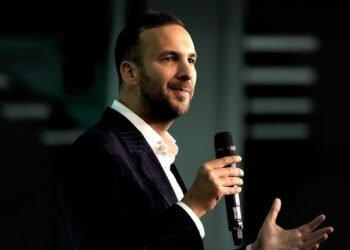 Polanski’s Rise Signals a Shift in British Political Landscape
 Bridget Phillipson and Lucy Powell Emerge as Main Contenders in Labour Deputy Leadership Race
 Lib Dems Urged to Focus on Policy Over Stunts, Survey Shows
 Katie Lam’s Rise Signals Conservative Party’s Rightward Turn on Migration
 Lib Dems Likely to Outperform Tories in Seat Count, Warns Top Pollster
 Zarah Sultana and Jeremy Corbyn Reunite Amid New Party Plans
 Swinney cites 2011 precedent to push for indyref2
 Facing the Challenge of Islam in Britain Today
 Plaid Cymru Triumphs in Caerphilly, Ending Labour Century-Long Hold
 How the Royal Navy Can’t Stop the Channel Boats
 Boris Johnson: Tories Risk Election Loss if They ‘Bash the Green Agenda’
 Green Party Surges Past Labour in Latest UK Poll
 Celebrities and Charities Demand UK Government Act on Child Poverty
Boris Johnson accused of undermining BBC leadership
Celebrities and Charities Demand UK Government Act on Child Poverty
Boris Johnson accused of undermining BBC leadership
 Tim Davie resigns as BBC director general amid bias claims
 ‘Reckless’ cuts to victims’ services will cost more than they save
 Politics latest: Starmer ‘will fight any leadership coup’ as Streeting denies attempt to oust Labour PM
 Scottish Ministers Express Alarm Over UK Asylum Reforms
 Labour Faces Historic Decline in Wales
 MP Offers Seat to Help Burnham Challenge Starmer
 BBC to Expand Standards Panel and Create Deputy Director Role
 Most Tories Expect to Support a Farage-Led Government
 Nigel Farage Responds to Racism Claims from School Days
 UK Must Act with Courage and Clarity on Israel-Palestine Conflict, Says Foreign Affairs Committee Report
 The Fight for Trans Safety Is a Fight for Everyone’s Safety — MPs Must Debate This Crucial Issue
 Brian Cox Slams Donald Trump’s Remarks on Scottish Independence and Voices Support for Kevin Spacey’s Return to Acting
 Chancellor Faces Mounting Pressure Amid “Impossible Trilemma” Over Tax Rises
 Radioactive Leak at UK’s Nuclear Warhead Base Sparks Outcry Over Safety and Secrecy
 Mass Arrests in London as Protest Defies Ban on Palestine Action
 Mutual Inconvenience: Why Alaska Was Chosen for the Trump-Putin Summit on Ukraine
 UK Government Expands ‘Deport Now, Appeal Later’ Policy to 23 Countries
 Farage Accuses PM of ‘Democratic Disparity’ in House of Lords Representation
 Chancellor Rachel Reeves Pushes for Sweeping Changes to Environmental Protections to Accelerate Development
 Larger Families Could Gain Thousands if Labour Ends Two-Child Benefit Cap
 Is the UK Ready to Put Boots on the Ground in Ukraine? Assessing Military Capacity and Challenges
 Palestine Action Ban Protesters Plan Tactic to Overwhelm Police at Next London Demonstration
 Police Scotland Spends £500,000 Compensating Officers Over Trump Visit
 Britain’s Migration Challenge: Rising Asylum Numbers and Hotel Pressures
 Elon Musk Sparks New Controversy by Backing Tommy Robinson Amid Farage Feud
 Urgent Action Needed on Windrush Compensation as Survivors Speak of “Waiting to Die”
 Tanni Grey-Thompson Faces Abuse Over Opposition to Assisted Dying Bill
 TfL Invites RMT to Resume Talks as London Tube Strikes End
 UK Rejoining EU ‘Unlikely in My Lifetime,’ Says Starmer’s Europe Reset Negotiator
 ‘Unite the Kingdom’ Rally Sparks Fears of Far-Right Normalisation Among Minority Britons
 Thousands Gather in London to Protest Donald Trump’s Second UK State Visit
 Zarah Sultana Seeks Legal Action After Bitter Clash with Jeremy Corbyn Over Party Membership Funds
 Nigel Farage Unveils Controversial Immigration and Welfare Plans at Reform UK Press Conference
 Top Andy Burnham Ally Launches Fierce Critique of Starmer Ahead of Labour Conference
 Mahmood Pledges Reform of Modern Slavery Laws After Court Blocks Deportation Appeal
 Ed Miliband Warns UK Government on X, Citing Elon Musk as a “Dangerous Influence”
 Ed Miliband Urges Labour to Confront Billionaire-Backed Opposition to Net Zero Goals
 A Third of EU Citizens in UK Report Discrimination by Public Bodies Post-Brexit
 Senior Tories Condemn Badenoch’s Vow to Repeal Climate Change Act as Catastrophic
 Digital ID Plans Ignite Debate Over £600m Treasury Tax Boost and Privacy Concerns
 Robert Jenrick Reiterates Controversial Comments on Birmingham’s Integration as Backlash Grows
Public Trust in SNP Hits Historic Low Amid NHS Concerns
Yvette Cooper Backs Digital ID Plan for UK Teens
Robert Jenrick Reiterates Controversial Comments on Birmingham’s Integration as Backlash Grows
Public Trust in SNP Hits Historic Low Amid NHS Concerns
Yvette Cooper Backs Digital ID Plan for UK Teens
 Starmer Faces Backlash Over Downing Street Shake-Up and Progressive Exodus
 Johnson Suggests Mandelson Linked to China Spy Controversy
 Ministry of Justice fails to file £11bn in spending receipts
 Rachel Reeves signals welfare reform ahead of key budget
 Reform UK candidate fined £19,000 after using AI-generated cases to challenge election
 The debate over England’s compulsory reading test for 13-year-olds
 Kosovo agrees to host Britain’s refused asylum seekers
 William Steps Up Over Prince Andrew Palace Response
 UK Health Leaders Push for Urgent Tobacco & Vape Bill
Johnson Approved China’s London ‘Super-Embassy’ in 2018
UK Health Leaders Push for Urgent Tobacco & Vape Bill
Johnson Approved China’s London ‘Super-Embassy’ in 2018
 Zarah Sultana Launches Party to Change Politics
 FBI Director Kash Patel Defends Girlfriend Amid Government Jet Claims
 London’s Childlessness Crisis: Schools Closing as Families Shrink
 Starmer Faces Growing Dissent as Labour MPs Weigh Leadership Challenge
 VAR Must Rein Its Neck In to Save Football’s Spirit
 Mary Earps’s Manchester United Return Faces Mixed Reception
 Pressure Mounts on Starmer to Sack Chief of Staff Over Briefing Row
 Peers Flood Assisted Dying Bill with 942 Amendments
 England’s Special Needs Support Faces Breaking Point
 MoD warned over Excel risks before Afghan data breach
 Labour MP claims devolution bill is ‘blatant discrimination’ against Cornwall
 Millions Face Higher Taxes Under Reeves New Budget