Published: 31 October 2025. The English Chronicle Desk. The English Chronicle Online.
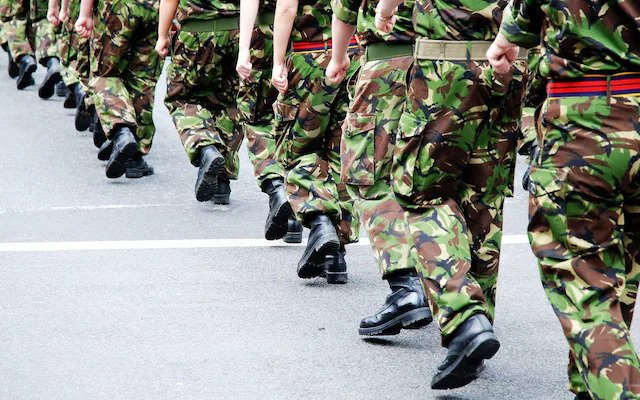
The British Army has taken a historic step in promoting inclusivity by ordering its officers to sever ties with private members’ clubs that restrict female membership. The move comes as part of a wider effort to ensure that the armed forces reflect the values of equality and respect that underpin modern British society. According to a directive issued by Lieutenant General David Eastman, the deputy chief of general staff, all regiments must review their relationships with exclusive clubs whose rules or practices prevent women from joining or limit their access to certain areas within these institutions. Officers have been instructed not only to assess the appropriateness of these affiliations but also to advocate for changes that promote equality.
In a letter obtained by The Telegraph, Lt Gen Eastman emphasised the critical nature of the review. He underlined that the presence of women in all aspects of Army life is not merely a reflection of societal progress but also a core factor in operational effectiveness. He stated, “Where affiliations are maintained with clubs whose rules or practices treat members differently based on gender, we risk undermining the inclusivity and cohesion we strive to foster within our ranks.”

The orders, believed to be unprecedented in the Army’s history, are intended to determine whether the longstanding culture and policies of traditionally male-only clubs align with the principles and values upheld by the Army. Writing directly to officers and senior leaders, Lt Gen Eastman expressed concern over certain corps and regiments that have maintained historical ties with clubs whose membership rules contradict inclusivity. The letter was distributed to regimental colonels and other senior personnel earlier this week.
Lt Gen Eastman highlighted that the issue does not only concern clubs that bar women entirely but also organisations where female members face restrictions on access or participation in specific activities. “The British Army continues to evolve into a modern, inclusive, and forward-thinking organisation,” he wrote. “It is imperative that our practices, partnerships, and affiliations reflect the values we uphold. Our commitment to inclusivity is vital, and it must be visible.”
Although membership in these private clubs is funded by individuals rather than the Army itself, some affiliations have deep historical roots and carry symbolic weight. Lt Gen Eastman warned that endorsing clubs with discriminatory practices could send unintended signals, creating an environment where personnel might feel compelled to join to fully participate in the social and professional life of their unit. He stressed that unequal access or treatment within such clubs could diminish the agency of members, restrict their professional opportunities, and undermine the Army’s stated commitment to inclusion.
The directive contains three primary orders. First, units must review all club affiliations to ensure they are consistent with the Army’s values. Second, officers are to engage actively with clubs to advocate for change where discriminatory rules or practices exist. Third, where engagement does not result in adequate reform, units are to disassociate entirely from clubs whose policies are fundamentally incompatible with the principles of equality and respect.
Historically, many regiments have cultivated relationships with gentlemen’s clubs that have existed for decades or even centuries. These establishments often offer facilities for socialising, professional networking, and hosting official military events. However, the exclusion of women or the imposition of restricted access undermines efforts to create a fully integrated and modern armed forces. By addressing these outdated practices, the Army hopes to demonstrate its commitment to creating an environment where all personnel, regardless of gender, can thrive.
The review initiative is also expected to have broader implications for the culture of the Army. Observers note that such clubs have long played a role in establishing informal hierarchies and networks within military units. By challenging these historic norms, the Army seeks to foster a culture that is more transparent, merit-based, and inclusive. This move aligns with wider efforts in recent years to address inequality in the forces, including initiatives to improve recruitment and retention of women, enhance maternity and paternity support, and tackle harassment or discrimination at all levels.
While some officers may view the directive as a significant cultural shift, many see it as a necessary step to modernise the Army. Experts note that inclusivity in professional and social spheres is increasingly recognised as essential for operational cohesion and morale. “Military effectiveness is not just about equipment and tactics; it’s also about ensuring every member of the team can contribute fully and confidently,” said a defence analyst. “Institutions that maintain outdated, exclusionary practices can unintentionally hinder that objective.”
The review also signals a broader societal shift in expectations regarding gender equality. Many private members’ clubs across the UK have faced criticism in recent years for maintaining gender-based restrictions, leading to public scrutiny and calls for reform. By proactively addressing these issues, the Army is positioning itself at the forefront of institutional inclusivity, setting an example for other organisations with deep-rooted traditions.
Lt Gen Eastman’s letter concludes with a reminder that the Army’s public reputation and internal cohesion depend on visible commitments to equality. Officers are urged to take immediate action, not only in reviewing affiliations but also in influencing club policies where possible. “Our goal is to ensure that all service personnel feel valued, respected, and able to participate fully in every aspect of Army life,” he wrote.

The directive represents one of the most explicit endorsements of inclusivity in the Army’s recent history. While the process will likely take time, the message is clear: discriminatory practices, even those embedded in historic institutions, will no longer be tolerated. The Army hopes that by encouraging both engagement and disassociation where necessary, it can foster meaningful change that reflects the values of contemporary British society and ensures operational effectiveness.
As the review process unfolds, it remains to be seen how many clubs will adapt their policies to accommodate women fully. Nevertheless, the initiative is expected to catalyse wider discussions about equality, inclusivity, and institutional culture within the military. By combining historic awareness with modern values, the Army aims to create a service that is not only effective in combat but also exemplary in fairness and social cohesion.
Related News:
 Rachel Reeves Admits Renting Home Without Required Licence
 Experts Question HMRC Over Possible Child Benefit Privacy Breach
 Nicola Sturgeon Urges SNP to Oppose New Oil Fields
 Boris Johnson accused of undermining BBC leadership
 Tim Davie resigns as BBC director general amid bias claims
 Second world war veterans honoured as King leads Remembrance Sunday
 ‘Reckless’ cuts to victims’ services will cost more than they save
 Tim Davie Defends BBC Amid Bias Scandal Storm
 Reeves rejects £1bn plea for NHS redundancy payouts
 Politics latest: Starmer ‘will fight any leadership coup’ as Streeting denies attempt to oust Labour PM
 PM Condemns Leaks, Vows Loyalty to Ministers and Stability
 Senator John Fetterman Hospitalized After Fall from Heart Flare-Up, Keeps Sense of Humor
 Crowborough Protest Over Plan to House 600 Asylum Seekers
 UK Asylum Overhaul Sparks Debate Over Human Rights and Deportations
 UK Asylum Reforms: Temporary Refugee Status and Faster Deportations
 Paramilitary Murals and Memorials Persist on Public Housing Land
 PM Shares Emotional Letter to Son on Men’s Struggles
 Senedd Suspends Politician Over Offensive Racial Slur
 Covid Response in NI ‘Chaotic’, Says Inquiry
 Kate Forbes: Motherhood Harder Than Politics
Reeves to Crack Down on Benefit Fraud While Lifting Two-Child Limit
Kate Forbes: Motherhood Harder Than Politics
Reeves to Crack Down on Benefit Fraud While Lifting Two-Child Limit
 Labour MP claims devolution bill is ‘blatant discrimination’ against Cornwall
 Planned Palestinian Flag Raising at Belfast City Hall Faces Delay Amid Legal Concerns
 Wethersfield Controversy Deepens as Asylum Seeker Numbers Set to Surge by 50%
 The Fight for Trans Safety Is a Fight for Everyone’s Safety — MPs Must Debate This Crucial Issue
 Russell T Davies Warns of Declining UK Gay Rights Amid Rise of Reform UK and Trump Influence
 Zarah Sultana Seeks Legal Action After Bitter Clash with Jeremy Corbyn Over Party Membership Funds
 Ed Miliband Warns UK Government on X, Citing Elon Musk as a “Dangerous Influence”
 A Third of EU Citizens in UK Report Discrimination by Public Bodies Post-Brexit
 Army Barracks to House Migrants as Hotels Phase Out
 Peterborough Mosques Tighten Security After Attack
 Hospice Cuts Raise Alarm Across England Amid Funding Crisis
 UK Woman Loses Child Benefit After Booking Flight She Never Took
 Green Party Surges Past Labour in Latest UK Poll
 Children to Learn Local History in Major Curriculum Overhaul
 FBI Director Kash Patel Defends Girlfriend Amid Government Jet Claims
 The Lowry Hotel: Manchester’s Iconic Five-Star Retreat
 Prince William Plants Trees with Brazil’s Nature Heroes
 Greta Thunberg Backs Student Facing UK Visa Revocation
 Labour immigration crackdown could cost UK £4.4bn
 Earl of Yarmouth Faces £1.3m Legal Bill Over Family Estate
 Jailed UK climate protesters face extremist-style restrictions
 How to get help when a child goes missing – call 999 urgently
 Starmer Faces Growing Dissent as Labour MPs Weigh Leadership Challenge
 UK Faces Arctic Blast as Polar Vortex Disruption Brings Heavy Snow
 WASPI Women May Get Second Chance at Pension Redress
 Son Reveals UK Couple in Iran Resort to Hunger Strike for Help
 Working-Class Men with Prostate Cancer Left Behind by NHS
 Peers Flood Assisted Dying Bill with 942 Amendments
 England’s Special Needs Support Faces Breaking Point
 US Justice Department Files Lawsuit Against California Over Partisan Voting Maps
 MoD warned over Excel risks before Afghan data breach
 Trump Deploys DHS to Charlotte in Major Arrest Operation
 Mum Calls for New Licence Rules After Teen Road Death
 Mother Watches in Horror as Teen Daughter Dies on Tracks
 Agency Workers Vote to Join Picket Lines Amid Dispute
 Seven Countries, One Winner: Europe’s Best Christmas Market
 ‘Traumatic Wait’: Northern Ireland Women Face Breast Cancer Delays
 Commuters warned as yellow snow and ice alert hits Northern Ireland
 Healthy Habits in Your 30s That Boost Life in Your 70s
 Labour Faces Historic Decline in Wales
 Pentagon Officials in Ukraine to Discuss War End
 PM Highlights UK Business at G20 in South Africa
 Venezuela Threatens Nobel Winner Machado with Fugitive Status
 Coffins Now Too Large to Cremate Amid Rising Obesity Crisis
 Most Tories Expect to Support a Farage-Led Government
 Vicki Fears Losing Motability Car
 Millions Face Higher Taxes Under Reeves New Budget
 Peers Get Extra Time to Debate Assisted Dying Bill
 Delhi’s Toxic Air Crisis Leaves Children Sick and Vulnerable
 India’s Labour Law Overhaul Sparks Fierce Debate
 Fibromyalgia Patients Struggle as NHS Fails to Provide Care
 Scotland Gains 33 New Towns – Life in Growing Communities
 Jordan Bardella: France’s Young Presidential Contender
 Search underway for British man overboard off Tenerife
 “Enough is Enough”: Local MP Vows to Fight Rainham Quarry Plans
 Virgin Media Fined £23.8m Over Telecare Safety Failures
 Pavarotti statue frozen in Italian ice rink sparks backlash
 EU plans $105bn Ukraine aid using frozen Russian assets
 Global campaign launched to free Palestinian leader Barghouti