Published: 07 November 2025. The English Chronicle Desk. The English Chronicle Online.
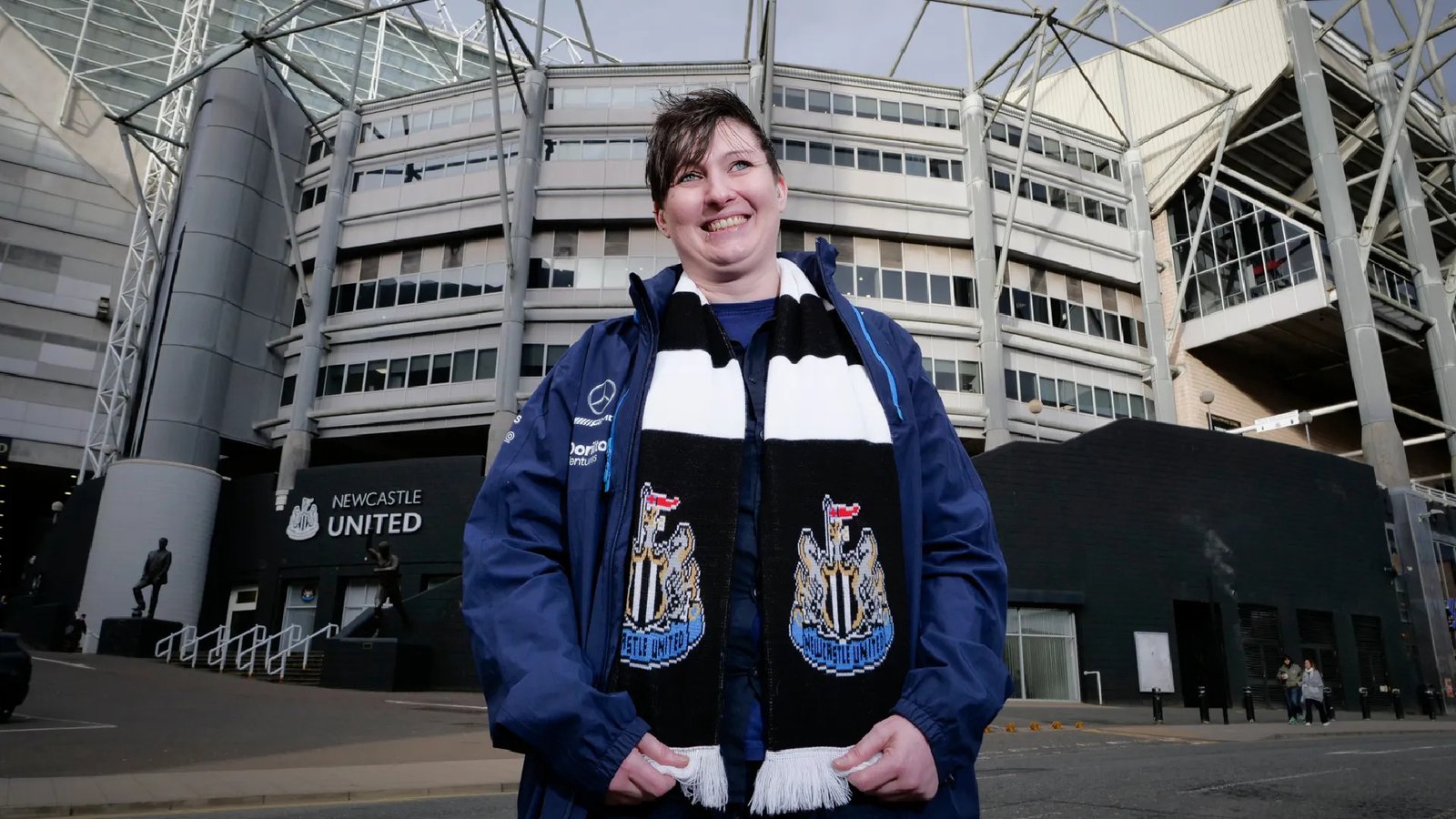
A Newcastle United supporter who was banned from matches for expressing gender-critical views on social media has been allowed to return to St James’ Park after nearly two years. Linzi Smith, 36, a lifelong fan, faced a three-season ban after complaints were raised that transgender fans might feel unsafe sitting near her. The case also drew police attention, resulting in an investigation under hate crime laws, though no charges were ever filed.
Ms Smith, who identifies as gay and advocates for lesbian, bisexual, and women’s rights, said she felt relieved by the resolution, noting that it affirmed her commitment to free speech. Initially, she had contemplated legal action against the club but eventually agreed to a settlement involving the early lifting of the ban and a joint public statement with Newcastle United.

“I’m just relieved it’s all over,” Ms Smith told The Telegraph. “It was about standing up for myself. The club wanted me to go away quietly, but I wasn’t going to do that. I wanted recognition that I had the right to express my views and to have the ban lifted.”
The controversy began in November 2023 when Newcastle United informed Ms Smith of the three-season suspension following complaints regarding her social media activity on X. The club suggested she take part in a training program designed to explore the impact of her posts, which she declined. She had expressed concerns about transgender participation in women’s sports and commented on the NHS guidance surrounding gender reassignment for minors. In one online discussion, she controversially linked historical Nazi experiments on sex reassignment to contemporary debates.
Shortly after, Northumbria Police launched a hate crime investigation, inviting her to a police interview under caution. Ms Smith stated she was shocked at the investigation and described the experience as stressful. After the two-hour interview, she was informed that no action would be taken, though the investigation remained technically open pending new information. The police later apologized for procedural failings, acknowledging that officers required better training in handling hate crime reports, while clarifying that no misconduct had occurred.
Following her suspension, Ms Smith received support from advocacy groups, including the Free Speech Union. Lord Young of Acton, the Union’s general secretary, welcomed the lifting of the ban, stating, “Banning her from attending games because of her gender-critical beliefs was completely outrageous. I’m delighted she can now return to St James’ Park to watch her beloved Newcastle United.”
Newcastle United issued a joint statement with Ms Smith acknowledging the resolution. “The club is committed to championing equality, diversity, and inclusion,” the statement read. “We sought engagement with Ms Smith regarding a bespoke training program to explore the impact of statements she posted on X. Ms Smith declined the offer but has acknowledged that she does not intend to repeat the posts in question. Taking into account the circumstances, and recognising the almost two years Ms Smith has been banned, the club has agreed to lift the ban effective from the date of the settlement.”
Despite the resolution, Ms Smith expressed hesitancy about returning to matches immediately. “I don’t know how long it will take me to go back. I won’t feel particularly safe, and while many supporters have backed me, I know there are individuals who disagree strongly with me. I don’t know what would happen if they saw me there,” she said. Nevertheless, she affirmed her intention to eventually attend matches again.
The case highlights broader tensions between freedom of expression, social media conduct, and organizational policies in football and other public arenas. While Newcastle United initially framed the suspension as part of its wider inclusion and diversity policies, critics have argued that it infringed on legally protected beliefs. The settlement underscores the delicate balance clubs must strike between fostering inclusive environments and respecting individual rights.
Ms Smith’s experience reflects wider societal debates about gender, identity, and the boundaries of acceptable speech. Advocates for free expression argue that gender-critical beliefs should be considered legally protected and that individuals should not face institutional penalties for expressing them. Conversely, inclusion advocates stress the importance of creating safe spaces, particularly for vulnerable groups, within public venues such as sports stadiums.
The case has also prompted discussions within football governance. Newcastle United’s decision comes amid scrutiny over the role of football regulators in enforcing diversity, equity, and inclusion standards across clubs. Concerns have been raised that overly prescriptive approaches could clash with the principles of free speech, potentially leading to further controversies.

In the aftermath, Ms Smith described her journey as both exhausting and enlightening. “I’ve learned how important it is to defend one’s right to speak, even when it’s uncomfortable,” she said. “This is not just about me; it’s about the rights of everyone who may face similar situations in their workplace, schools, or social environments.”
The resolution is being seen as a potential precedent in cases involving sports clubs, social media expression, and protected beliefs. Legal and policy experts note that it emphasizes the importance of proportionate responses by institutions and the need for clear guidance on handling conflicts between inclusion policies and individual rights.
As Newcastle United fans prepare for the next home fixture, attention will now turn to Ms Smith’s return. While uncertainty remains about when she will attend a match, the resolution of the dispute is likely to be welcomed by supporters and free speech advocates alike. It also serves as a reminder of the ongoing challenges football clubs face in balancing diverse fan perspectives, community expectations, and the rights of individuals to express controversial views.
Related News:
 Nearly 48,000 Zombie Knives Removed from UK Streets in a Year
 Rachel Reeves Admits Renting Home Without Required Licence
 Experts Question HMRC Over Possible Child Benefit Privacy Breach
 British Grandmother to Return Home After Death Sentence in Bali
 Tim Davie resigns as BBC director general amid bias claims
 Bar Council urges legal aid for all domestic abuse family cases
 Judges to Decide Fate of Chief Constable Guilty of Contempt
 NHS trust fined after woman takes life in mental health unit
 Couple Win Damages Over Arrest Linked to WhatsApp Chat
 UK Asylum Overhaul Sparks Debate Over Human Rights and Deportations
 UK Asylum Reforms: Temporary Refugee Status and Faster Deportations
 Court to Hear Challenge to Wimbledon Expansion Plan
 Second homes curbs quashed in Gwynedd legal ruling
 Virgin Media Fined £23.8m Over Telecare Safety Failures
 Inquest Finds Agency Worker Failings Led to Unlawful Death of Vulnerable 14-Year-Old
 First “One In, One Out” Deportation Flight Departs Without Migrants Amid Legal Challenges
 Corbyn and Sultana Clash Over Membership Portal as Divisions Surface in New Leftwing Party
 Madeleine McCann Detectives to Testify Against Woman Accused of Stalking the Family
 Peterborough Mosques Tighten Security After Attack
 Prunella Scales: From Fawlty Towers Icon to Beloved Canal Explorer
 Hospice Cuts Raise Alarm Across England Amid Funding Crisis
 UK Woman Loses Child Benefit After Booking Flight She Never Took
 UK launches search for first-ever ‘town of culture’ to highlight overlooked areas
 Afghan man charged with murder after west London knife attack
 Children to Learn Local History in Major Curriculum Overhaul
 Hollywood Is an Industry of Looney Tunes Pretending to Be Normal
 Experts Warn on Home Birth Risks, Call for Skilled Midwives
 Court Hears Challenge Over Water Bills Funding Sewage Fixes
 French Taxi Driver Cleared in David Lammy Theft Case After Fare Dispute
 The Lowry Hotel: Manchester’s Iconic Five-Star Retreat
 Prince William Plants Trees with Brazil’s Nature Heroes
 Just Stop Oil Protesters Convicted Amid Climate Defence Row
 Greta Thunberg Backs Student Facing UK Visa Revocation
 Kent village told to remove flags before Christmas lights go up
 Oprah enjoys Meghan’s jam on English muffins
 Jailed UK climate protesters face extremist-style restrictions
 Boris Johnson accused of undermining BBC leadership
 North Sea oil workers must lose weight or face job loss
 Remaining rebel Labour MPs have whip restored
 King Charles to Lead Nation in Remembrance Sunday Service
 Crisis charity to become landlord amid UK housing emergency
 How to get help when a child goes missing – call 999 urgently
 ‘Reckless’ cuts to victims’ services will cost more than they save
 Government urges schools to ban phones to curb classroom disruption
 Seven Conditions That Automatically Qualify You for a Free Bus Pass
 The Debate Over Princess Beatrice and Eugenie’s Royal Status Intensifies
 UK toy market enjoys bumper year as ‘kidults’ fuel demand
 Palace to reinstate hyphen in Andrew’s surname
 Politics latest: Starmer ‘will fight any leadership coup’ as Streeting denies attempt to oust Labour PM
 Leading doctors issue warning amid ‘bad’ flu season
 Pop Stars Call on UK Government to Cap Resale Prices for Fans
 Son Reveals UK Couple in Iran Resort to Hunger Strike for Help
 South Korea’s Jeju Island Faces Rising Tide of Illicit Drugs
 Victims’ commissioner Baroness Newlove dies aged 63
 Peers Flood Assisted Dying Bill with 942 Amendments
 UK Unveils Fast-Track Deportation and Asylum Overhaul
 Cold Snap Brings Snow Risk as Flood Recovery Continues
 Mum Calls for New Licence Rules After Teen Road Death
 Shoppers Left in Darkness After Clock Change Delay
 Mahmood Defends Tough Overhaul of UK Asylum System
 Paralegal Fired After Exposé on Illegal Worker Scam
 Mother Watches in Horror as Teen Daughter Dies on Tracks
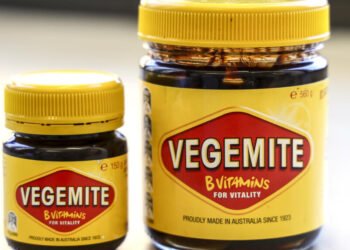 Convicted Killer Challenges Vegemite Ban Behind Bars
 Westminster Advances Legacy Bill Amid Criticism
 ‘Traumatic Wait’: Northern Ireland Women Face Breast Cancer Delays
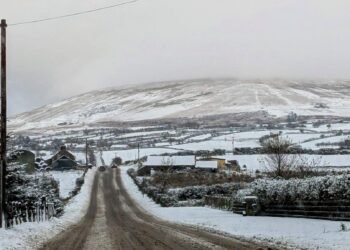 Commuters warned as yellow snow and ice alert hits Northern Ireland
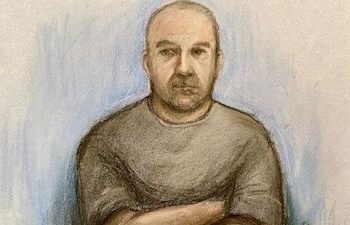 Serial Rapist and Former Cop Found Guilty Again
 Kate Forbes: Motherhood Harder Than Politics
 TikTok Star Jessie Yendle Mocked by KFC
 Coffins Now Too Large to Cremate Amid Rising Obesity Crisis
Reeves to Crack Down on Benefit Fraud While Lifting Two-Child Limit
Coffins Now Too Large to Cremate Amid Rising Obesity Crisis
Reeves to Crack Down on Benefit Fraud While Lifting Two-Child Limit
 DWP to Reassess Hundreds of Thousands in Carer Allowance Scandal
 Labour MP claims devolution bill is ‘blatant discrimination’ against Cornwall
 Peers Get Extra Time to Debate Assisted Dying Bill
 Planned Palestinian Flag Raising at Belfast City Hall Faces Delay Amid Legal Concerns
 Residents Face £3.6m Bill for Unsafe Kirkby Flats
 Fibromyalgia Patients Struggle as NHS Fails to Provide Care
 Machynlleth High Street Left Without Christmas Lights
 Search underway for British man overboard off Tenerife
 Hong Kong Orders Probe Into Deadly 151-Death Fire