Published: 12 November 2025. The English Chronicle Desk. The English Chronicle Online
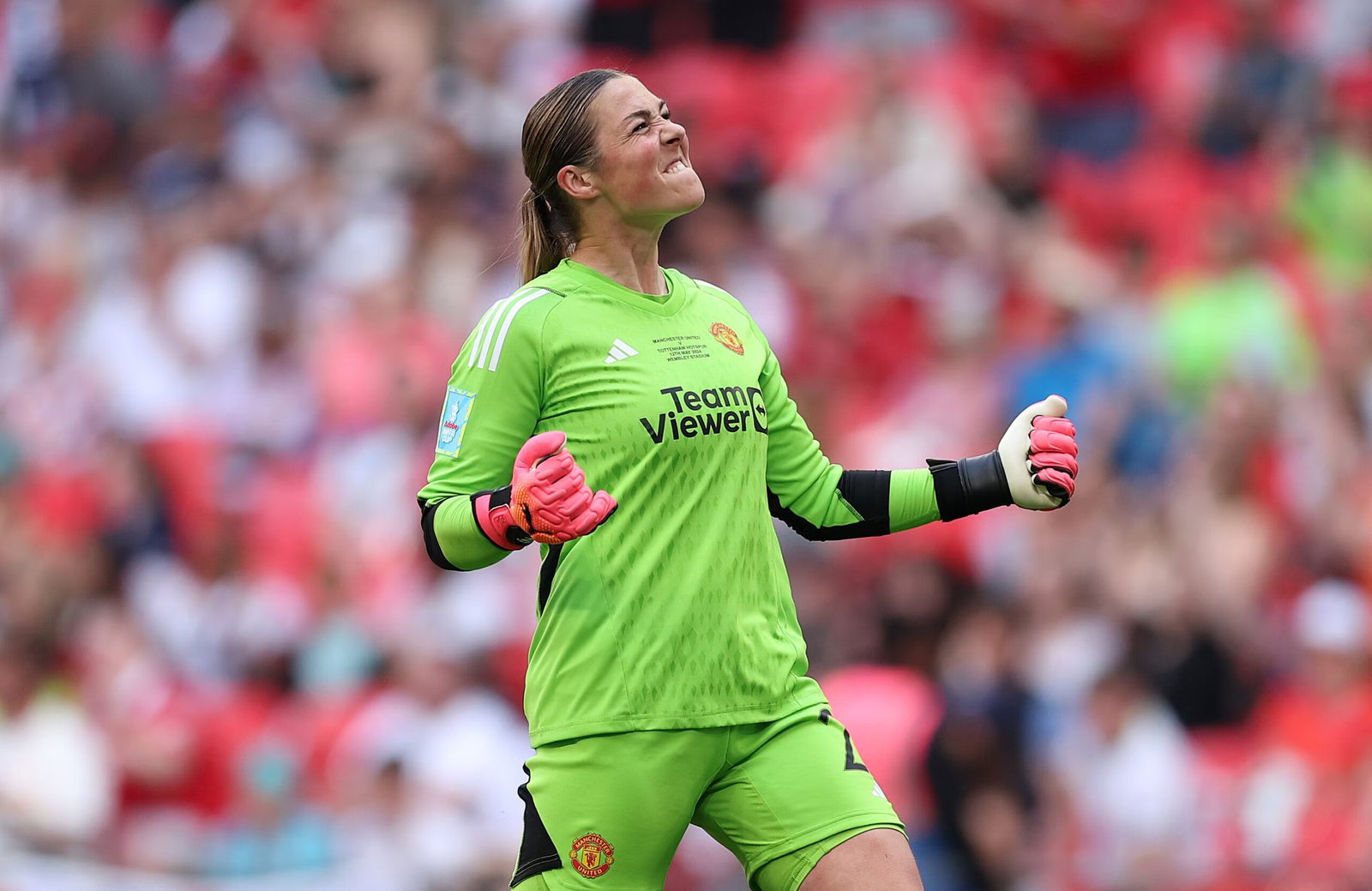
Mary Earps’s highly anticipated return to Old Trafford with Paris Saint-Germain was always destined to be a headline-grabbing event, but for the England goalkeeper, Wednesday night proved to be far more complicated than a simple reunion. What was meant to be a celebratory homecoming following her participation in the ‘All In’ book tour instead unfolded amid awkwardness, social media scrutiny, and lingering controversy from her recent memoir.
The release of All In: Football, Life and Learning to be Unapologetically Me has dominated headlines in recent weeks, largely due to Earps’s reflections on her career and her surprise retirement from international duty just weeks before Euro 2025. Central to the media storm were her candid remarks about former England teammate Hannah Hampton, who replaced Earps as No 1 goalkeeper prior to the tournament. Earps’s description of Hampton as “disruptive and unreliable” during Euro 2022, and her claim that she had told coach Sarina Wiegman “bad behaviour is being rewarded,” provoked a wave of reactions from fans, pundits, and fellow players alike.

Despite her PR team’s attempts to manage the narrative—encouraging appearances on podcasts and interviews with national broadcasters—Earps quickly found herself at the centre of a heated debate. While her intent was not to “tear anyone down,” her statements inevitably cast her in a controversial light. Reactions to the memoir were split: many former England teammates and supporters expressed surprise, while others sided with Hampton, applauding her performances throughout Euro 2025 and the resilience she demonstrated under intense scrutiny.
Hampton’s manager at Chelsea, Sonia Bompastor, issued a pointed rebuke, and several former England players also criticised Earps for breaching the unwritten code of confidentiality within the dressing room. Social media amplified the criticism, turning what might have been a private reflection into a very public confrontation. Far from being universally celebrated, Earps now faces a divided fan base, with much of the support seemingly shifting toward Hampton and Wiegman, who have so far refrained from responding directly to the controversy.
This turbulent backdrop made Earps’s Old Trafford return inherently fraught. Her former club, Manchester United, has been a focal point of her career, where she became a fan favourite and cemented her status as one of the leading figures in women’s football. Yet the timing of her homecoming—coming shortly after the release of a tell-all book—has created an uneasy atmosphere. Fans, commentators, and the media alike have scrutinised every moment, from her interactions on the pitch to her demeanor in interviews leading up to the game.
“I’m probably expecting a little booing,” Earps admitted in a BBC interview. “I hope it’s a little bit, but it might be a lot.” While she left United at the end of her contract in 2024, the decision to join PSG was influenced by both sporting ambition and a desire for a fresh environment. Despite United offering improved terms, Earps said she felt wanted by PSG and recognised a better chance of competing for the Women’s Champions League with her new club. Her departure was also informed by what she perceived as broken promises and limited support for United’s women’s team, according to her memoir.
On the pitch, the narrative was complicated further by the performances of United’s current No 1, Phallon Tullis-Joyce, who has flourished in Earps’s absence. Sharing the WSL’s Golden Glove award with Hampton last season, Tullis-Joyce has established herself as a formidable presence, ensuring that Earps’s return would not be greeted solely with nostalgia but also with an unspoken competition. Meanwhile, PSG, whose domestic campaigns often unfold away from the English spotlight, had failed to progress far in the Champions League, making Earps’s first competitive match against United all the more significant on a personal level.
The book’s revelations, combined with her timing, have amplified the scrutiny surrounding Earps. Her reflections on Hampton, described in All In, frame the younger goalkeeper as a competitor who, in Earps’s view, unfairly usurped her position. Earps cites Wiegman’s preference for Hampton’s distribution and sweeper-keeper skills as the rationale for her replacement. Hampton’s performances during Euro 2025 appeared to validate Wiegman’s decision, but the discussion surrounding merit, team dynamics, and personal perception has remained at the centre of the public conversation.
Social media has magnified every aspect of the story. While Earps once enjoyed widespread adoration following her heroics at Euro 2022 and the 2023 World Cup, the online backlash in the wake of her book’s release has been relentless. Pundits like Ian Wright have remarked on the “pile-on” effect of algorithm-driven platforms, where attention-hungry accounts often dictate the tone of discourse. For Earps, the experience has been overwhelming, as public opinion oscillates rapidly between sympathy and criticism.
The Manchester United fixture, therefore, was more than just another match; it represented a crucible in which Earps’s professional legacy and personal choices were being examined in real time. Unlike PSG’s domestic games in France, which attract less attention, this encounter was steeped in historical and emotional significance. Observers noted that while the reception may not match the intensity of Trent Alexander-Arnold’s Anfield return, it was nonetheless a pivotal moment for Earps personally—a public test of resilience following months of media scrutiny and fan debate.

Ultimately, Earps’s homecoming serves as a case study in the complex interplay between sporting achievement, media narratives, and personal disclosure. Her memoir, while intended to celebrate her career and personal growth, has intersected with live events in ways that amplify tension, particularly when returning to former teams or confronting teammates still active at the highest level. The dynamic between past and present colleagues, the expectations of fans, and the heightened visibility of elite women’s football all contribute to a situation where any action or statement is examined through multiple lenses.
As PSG faced United, Earps’s experience underscores the challenges athletes face when navigating personal narratives amid professional commitments. Beyond the goals, saves, and tactical play, the match symbolised a reconciliation of past and present, an attempt to maintain focus on the game despite ongoing controversy, and a reminder that public perception can be as demanding as any on-field opponent.
For Earps, the road ahead involves balancing her ambitions with the scrutiny that comes with being both a sporting icon and a public figure. Whether through her performances on the pitch, her engagement with media narratives, or the ongoing dialogue about her memoir, she must navigate an environment where past decisions and candid reflections coexist with current professional responsibilities. The Old Trafford reunion may have been uneasy, but it highlights the multifaceted pressures facing modern athletes who choose to tell their stories while continuing to compete at the highest level.
Related News:
 Dyche Criticises Corner Decision as Forest Draw with United
 Caicedo Shines as Chelsea Edge Spurs in Chaotic Derby
 VAR Must Rein Its Neck In to Save Football’s Spirit
 Sam Kerr Stars in Chelsea Return with Champions League Double
 This kid is something else: Alex Scott’s rise to England call-up
 Former Lion Heskey Warns of Shortage of England Strikers
 MP Offers Seat to Help Burnham Challenge Starmer
 Rookie Driver Hollie McRae Flips Car but Walks Away Safe
 Aston Villa Under Pressure as Newcastle Take on Hosts in Premier League Opener
 Tottenham Make Three Changes as Spurs Prepare to Host Burnley in Premier League Opener
 Manchester City Announce Their Return in Style with Haaland Double and Debut Goals at Wolves
Manchester City Dominate Burnley 5-1 as Haaland’s Brace Secures Vital Win
Manchester City Announce Their Return in Style with Haaland Double and Debut Goals at Wolves
Manchester City Dominate Burnley 5-1 as Haaland’s Brace Secures Vital Win
 Aston Villa Fight Back to End Winless Run with Convincing Victory over Fulham
 Arsenal Edge Past West Ham Amid Injury Concerns
 Ange Postecoglou’s Naivety Premier League Misadventure Ends
 Barnes Inspires Newcastle to Champions League Triumph Over Benfica
 Gibbs-White Inspires Forest to Thrilling Win Over Porto
 Go Ahead Eagles Shock Aston Villa as Buendía Misses Late Penalty
 Manchester United triumph as Mbeumo brace seals thrilling win
 Fabio Wardley stuns Joseph Parker to earn Usyk title shot
 Hospice Cuts Raise Alarm Across England Amid Funding Crisis
 Sarr Double Sinks Young Liverpool in Carabao Cup
 Nwaneri and Saka Secure Arsenal Win Over Brighton
 Woltemade Hot Streak Fires Newcastle Past Spurs
 Green Party Surges Past Labour in Latest UK Poll
 Celebrities and Charities Demand UK Government Act on Child Poverty
 Salah & Gravenberch Lead Liverpool to Win Against Villa
 Granit Xhaka Rescue Earns Everton Draw at Sunderland
 Millions of Brits Adjust Lifestyle to Afford Essentials
 Burn and Joelinton Head Newcastle to Victory Over Bilbao
 Foden shines as Man City dismantle Dortmund in dominant display
 Garnacho Spares Chelsea From Shock Champions League Loss in Baku
 Tension and Turmoil at Aston Villa v Maccabi Match
 London’s Childlessness Crisis: Schools Closing as Families Shrink
 Bellingham has ‘the edge’ among England No 10s
 Boris Johnson accused of undermining BBC leadership
Man City Masterclass on Guardiola’s Milestone Day Exposes Liverpool Woes
Boris Johnson accused of undermining BBC leadership
Man City Masterclass on Guardiola’s Milestone Day Exposes Liverpool Woes
 Lando Norris Dominates Brazil GP to Strengthen F1 Title Bid
 England cannot afford to be in awe of the All Blacks, warns Jamie George
 ‘Reckless’ cuts to victims’ services will cost more than they save
 Trescothick Hints Pope Will Keep Number Three Spot
 Ronaldo Confirms Final World Cup and Plans Retirement
 Shouting Works Best to Deter Gulls, UK Study Finds
 Politics latest: Starmer ‘will fight any leadership coup’ as Streeting denies attempt to oust Labour PM
 A Local Chef’s Guide to Iconic Boston Clam Chowder
 Son Reveals UK Couple in Iran Resort to Hunger Strike for Help
 Two in Three Women in UK Armed Forces Report Harassment
 UK Asylum Reforms: Temporary Refugee Status and Faster Deportations
 Mother Watches in Horror as Teen Daughter Dies on Tracks
 Minister Defends Tough New Asylum Reform Plan
 Commuters warned as yellow snow and ice alert hits Northern Ireland
 UK Vulnerable to Attack, Defence Committee Finds
 Haiti Qualifies for World Cup Despite Coach Never Visiting Country
 Labour Faces Historic Decline in Wales
 Rama Rebukes Mahmood for Targeting Albanian Families
 Russian Vessel Used Lasers on RAF Pilots, UK Claims
 Serial Rapist and Former Cop Found Guilty Again
 Scotland Fans Celebrate Historic World Cup Qualification
 Major League Baseball Scores New Broadcast Deals Through 2028
 TikTok Star Jessie Yendle Mocked by KFC
 Most Tories Expect to Support a Farage-Led Government
 Moyes Defends Gueye After Dramatic Everton Bust-Up
 English Mayors Set to Introduce Tourist Taxes
 Millions Face Higher Taxes Under Reeves New Budget
 Peers Get Extra Time to Debate Assisted Dying Bill
 Planned Palestinian Flag Raising at Belfast City Hall Faces Delay Amid Legal Concerns
 Kids Football Coach Removed Over Suspected ‘Drugs Menu’
 Sudanese Family Vows to Stay After Racist Graffiti
 Mbappe Scores 4 as Real Madrid Edge Olympiakos
 Man City Lose, Champions League Risk
 Gerrard warns Liverpool’s terrible run could worsen
 Machynlleth High Street Left Without Christmas Lights
 Government righting decades-old injustice for miners
 Second homes curbs quashed in Gwynedd legal ruling
 Jac Morgan to Miss Six Nations Start After Surgery
 Search underway for British man overboard off Tenerife
 Alexander Isak ends drought as Liverpool stop rot with win at West Ham
 Mbappe rescues Real Madrid with a penalty at Girona
 Barcelona, Atletico set for decisive La Liga showdown
 Maxwell withdraws from IPL 2026 after 13 seasons