Published: 12 November 2025. The English Chronicle Desk. The English Chronicle Online
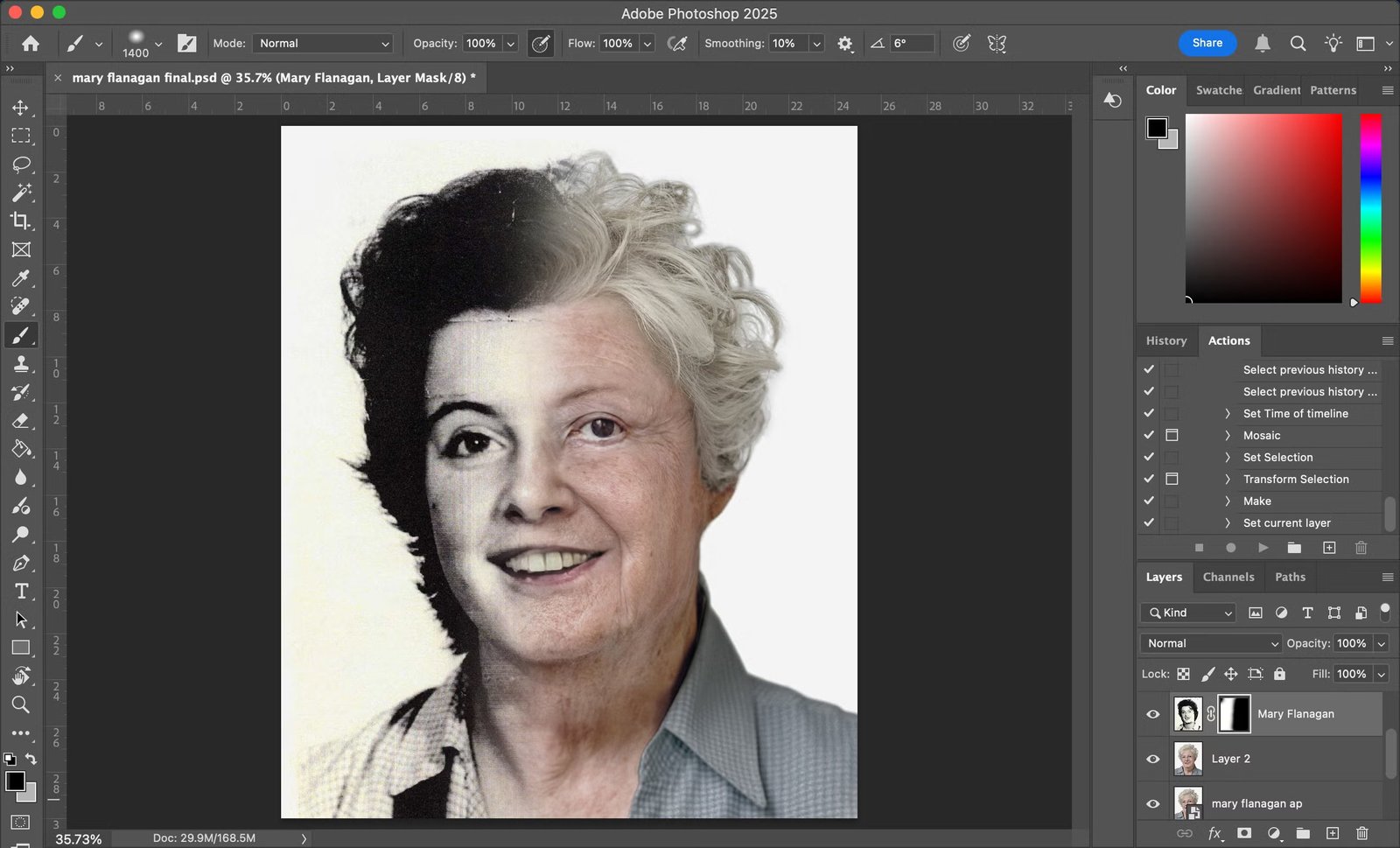
Age progression images, which digitally show how a missing person might look today, are proving to be an invaluable tool in efforts to find missing individuals, provide leads to authorities, and offer hope to families who have been separated from loved ones for years. These images not only serve as investigative aids but also carry a deeply emotional weight for families, showing familiar faces that have inevitably changed with time.
Police, journalists, and charities, including Missing People, use these images to reignite public interest in long-standing cases. The Independent, in collaboration with Missing People, recently launched the SafeCall appeal, aiming to raise £165,000 to fund a free service supporting the 70,000 children reported missing in the UK each year.

Expert age progression artist Paul Widden, who has been producing these images for a decade, explained how the process works. He relies on the most recent photos of the missing person, as well as images of close relatives, to identify family traits that influence how the face may age. Widden said that predicting the growth of young children’s faces is particularly challenging due to rapid changes before adolescence. In contrast, adults’ features tend to stabilize, making the process more predictable after a decade or so.
“The process is always meticulous and rooted in science,” Widden said. “We examine not only facial structure but also medical and lifestyle factors, such as dental health, eye conditions, and habits like smoking. Even small details can significantly influence the final image.”
Amy Walker, head of digital campaigns at Missing People, acknowledged the emotional difficulty for families in providing photos for the process. “Families relive painful memories when selecting images,” she said. “It’s a delicate balance between hope and grief, as the very reason they are looking is because their loved one is missing.”
Widden has created images for some of the UK’s highest-profile cases, and his work has directly led to the discovery of two missing individuals, while generating numerous valuable leads. He emphasized that he does not speak directly with families to maintain impartiality. “The priority is always the investigative purpose of the image,” he said.

Former Metropolitan Police chief superintendent Parm Sandhu highlighted the vital role of age progression images in investigations. “These images keep missing person cases visible in the public eye and can often trigger new sightings or prompt witnesses who had not come forward to speak to authorities,” he said. “They are a key investigative tool when someone has been missing for a long time.”
The process can sometimes produce unexpected outcomes, especially when the image does not match the family’s imagination of the missing person’s adult appearance. “Families may feel disoriented because the face they imagined over the years did not age as expected,” said Walker. “It’s a reminder of the harsh reality and the long limbo they’ve been living in while waiting for answers.”
The SafeCall initiative and the use of age progression images underscore the commitment of law enforcement and charitable organisations to keeping cases active, renewing public awareness, and, ultimately, bringing missing people home. For families, the images are both a source of hope and a tool for closure, reinforcing the importance of science, technology, and compassion in addressing one of society’s most heart-wrenching issues.
Related News:
 Mother dies after black market weight loss injection
 Young Woman Missed 13 Times by GPs Before Bowel Cancer Diagnosis
 Peterborough Mosques Tighten Security After Attack
 Nearly 48,000 Zombie Knives Removed from UK Streets in a Year
 Prince Andrew Stripped of Title: Giuffre Family Hails Historic Moment
 Metal Detectors at Stations ‘Would Make Life Impossible,’ Says Minister
 Experts Warn on Home Birth Risks, Call for Skilled Midwives
 British Grandmother to Return Home After Death Sentence in Bali
 Jailed UK climate protesters face extremist-style restrictions
 Boris Johnson accused of undermining BBC leadership
 Bar Council urges legal aid for all domestic abuse family cases
 Second world war veterans honoured as King leads Remembrance Sunday
 How to get help when a child goes missing – call 999 urgently
 ‘Reckless’ cuts to victims’ services will cost more than they save
 Judges to Decide Fate of Chief Constable Guilty of Contempt
 Leading doctors issue warning amid ‘bad’ flu season
 Mum Calls for New Licence Rules After Teen Road Death
 Mother Watches in Horror as Teen Daughter Dies on Tracks
 Podcaster Faces Abuse Charges Over Controlling Behaviour
 Inside the Helpline Protecting Missing Children in the UK
 DWP to Reassess Hundreds of Thousands in Carer Allowance Scandal
 Sudanese Family Vows to Stay After Racist Graffiti
 MPs Warn Thousands Still Face Poverty Despite Labour’s Welfare Reform Retreat
 FBI and NSPCC Sound Alarm Over Alarming Surge in Child Sextortion Cases Online
 Alarming rise in abusive teen relationships in the UK sparks urgent warnings
 Akinwale Arobieke Found Dead at Liverpool Home
 UK Doctors Guilty of Sexual Misconduct Continue Practising Amid Weak Sanctions, Research Finds
 Northern Ireland Faces Fears of Prolonged Race Riot “Permacrisis”
 Zarah Sultana Seeks Legal Action After Bitter Clash with Jeremy Corbyn Over Party Membership Funds
 Majority of UK Men Would Opt for Prostate Cancer Screening, Survey Finds
 Massive London Poundland Fire Engulfs High Street
 Ambulance Worker Fired After Flinging Amputee from Wheelchair and Offering Bribe
 Prunella Scales: From Fawlty Towers Icon to Beloved Canal Explorer
 Hospice Cuts Raise Alarm Across England Amid Funding Crisis
 UK Woman Loses Child Benefit After Booking Flight She Never Took
 UK launches search for first-ever ‘town of culture’ to highlight overlooked areas
 Afghan man charged with murder after west London knife attack
 Mass Stabbing on Doncaster to London Train Leaves Ten Injured
 Children to Learn Local History in Major Curriculum Overhaul
 FBI Director Kash Patel Defends Girlfriend Amid Government Jet Claims
 Hollywood Is an Industry of Looney Tunes Pretending to Be Normal
 French Taxi Driver Cleared in David Lammy Theft Case After Fare Dispute
 The Lowry Hotel: Manchester’s Iconic Five-Star Retreat
 UK Bans Fake Numbers: Scammers Lose Their Trick
 Prince William Plants Trees with Brazil’s Nature Heroes
 Just Stop Oil Protesters Convicted Amid Climate Defence Row
 Greta Thunberg Backs Student Facing UK Visa Revocation
 Kent village told to remove flags before Christmas lights go up
 Oprah enjoys Meghan’s jam on English muffins
 Newcastle United Lifts Ban on Fan Over Gender-Critical Views
 Shouting Works Best to Deter Gulls, UK Study Finds
 Reeves rejects £1bn plea for NHS redundancy payouts
 UK toy market enjoys bumper year as ‘kidults’ fuel demand
 Politics latest: Starmer ‘will fight any leadership coup’ as Streeting denies attempt to oust Labour PM
 Son Reveals UK Couple in Iran Resort to Hunger Strike for Help
 South Korea’s Jeju Island Faces Rising Tide of Illicit Drugs
 ‘Fever Pitch’ Screaming: Red Flags Before Sara Sharif’s Death
 Met Police Clarifies Scale of Grooming Gang Cases
 UK Asylum Overhaul Sparks Debate Over Human Rights and Deportations
 UK Asylum Reforms: Temporary Refugee Status and Faster Deportations
 UK Candidate Moved to Safe House After Election Threats
 Paralegal Fired After Exposé on Illegal Worker Scam
 Agency Workers Vote to Join Picket Lines Amid Dispute
 ‘Traumatic Wait’: Northern Ireland Women Face Breast Cancer Delays
 Commuters warned as yellow snow and ice alert hits Northern Ireland
 Serial Rapist and Former Cop Found Guilty Again
 Kate Forbes: Motherhood Harder Than Politics
 TikTok Star Jessie Yendle Mocked by KFC
 Coffins Now Too Large to Cremate Amid Rising Obesity Crisis
 Reeves to Crack Down on Benefit Fraud While Lifting Two-Child Limit
 Most Tories Expect to Support a Farage-Led Government
 Carer’s Allowance Chaos Draws Parallels With Post Office Scandal
 Labour MP claims devolution bill is ‘blatant discrimination’ against Cornwall
 Planned Palestinian Flag Raising at Belfast City Hall Faces Delay Amid Legal Concerns
 Fibromyalgia Patients Struggle as NHS Fails to Provide Care
 Machynlleth High Street Left Without Christmas Lights
 Search underway for British man overboard off Tenerife
 Virgin Media Fined £23.8m Over Telecare Safety Failures
 Prince George Helps Father at London Homelessness Charity
 Russell Brand Faces New Sexual Offence Charges Including Rape