Published: 14 November 2025. The English Chronicle Desk. The English Chronicle Online
Swiss ministers and business leaders have descended on Washington in a high-stakes effort to persuade the Trump administration to reduce the punitive 39% tariffs imposed on Switzerland’s exports to the United States, the steepest levies in Europe. The tariffs, introduced under former President Donald Trump, have hit the Swiss economy hard, affecting a range of industries from luxury goods to commodities, and prompting concerns over job losses and potential economic slowdowns.
Initial overtures from Swiss President Karin Keller Sutter, aimed at negotiating directly with Trump, met with limited success. “She was a nice woman, but she did not want to listen,” Trump reportedly remarked after early discussions. Faced with this challenge, Switzerland adopted a more unconventional strategy, sending a delegation of prominent business figures to the Oval Office on 4 November, bearing symbolic and luxurious gifts designed to soften the president’s stance. Among the gifts were a Rolex gold watch and a specially engraved gold bar from Swiss-based gold refining company MKS, underscoring the nation’s wealth, craftsmanship, and the seriousness of its appeal.
Following the meetings, a senior White House official described the talks as “very positive” and “very focused,” noting that the administration was acutely aware of the bilateral trade deficit with Switzerland and open to exploring avenues for resolution. The Swiss delegation emphasized that their initiative was carried out “in the spirit of Swiss unity between the private and public sectors,” signaling a coordinated effort to leverage both governmental influence and private sector clout.
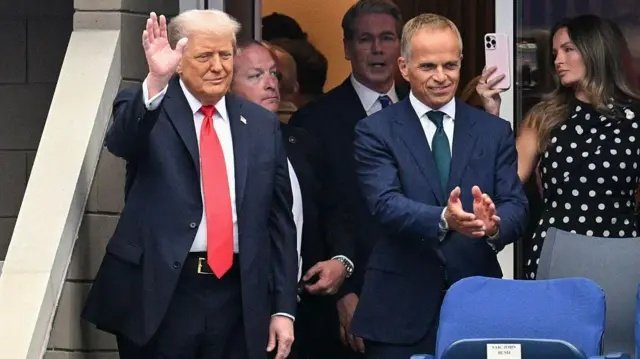
Luxury industry executives played a particularly crucial role in this strategy. Jean Frédéric Dufour, CEO of Rolex, had previously hosted Trump in the VIP box at the US Open tennis final in September, demonstrating pre-existing connections with the president. Dufour, along with Johann Rupert of luxury conglomerate Richemont and Marwan Shakarchi of MKS, participated in the Oval Office visit, ensuring that Switzerland’s economic and cultural influence was prominently represented.
Trump’s interest in the gifts was evident. He reportedly asked Dufour whether he would have attended the US Open if the tariffs had not been imposed, highlighting how these levies had become a personal as well as national issue. Within days of the Oval Office meeting, Trump was photographed with what appeared to be a Rolex “Datejust” desk clock, a collector’s item valued in the tens of thousands of dollars. White House officials later confirmed that both the clock and the engraved gold bar had been presented to the president, now part of the thousands of gifts received by US leaders each year and catalogued in the National Archives.

The stakes for Switzerland are considerable. The tariffs have caused significant disruptions in trade, particularly for luxury goods, pharmaceuticals, and commodities. Swiss companies have warned that continued high levies could force them to furlough staff or reconsider investment plans. By contrast, a reduction of the tariffs to around 15%—in line with rates applied to Switzerland’s European Union neighbors—would provide immediate relief and allow businesses to regain competitiveness in the US market.
Economic incentives are being offered alongside diplomatic charm. Swiss pharmaceutical companies have pledged to expand production within the United States, creating jobs and contributing to local economies. Additionally, Swiss International Airlines, which primarily operates Airbus aircraft, has indicated it may pivot toward Boeing planes, aligning procurement decisions with US industrial interests. These moves are designed to demonstrate Switzerland’s willingness to cooperate economically in exchange for relief from punitive trade measures.
The Swiss approach also highlights the growing interplay between business diplomacy and formal statecraft. The involvement of high-profile business leaders in such negotiations illustrates how private sector relationships, personal networks, and strategic gifting can complement official diplomatic efforts. The use of tangible, culturally significant gifts is a calculated tactic intended to appeal to Trump’s personal sensibilities while reinforcing the broader economic argument for reducing tariffs.
Switzerland is not relying solely on its economic emissaries. FIFA president Gianni Infantino, a Swiss national with longstanding ties to Trump, has been mentioned as a potential influential actor in the discussions. Infantino, who visited the Oval Office in August to promote preparations for next year’s World Cup in the US, Canada, and Mexico, presented Trump with the World Cup trophy, jokingly prompting the president to ask, “Can I keep it? That’s a beautiful piece of gold.” Infantino has also announced the creation of a new FIFA World Peace Prize to be awarded in Washington DC in early December, further signaling Switzerland’s intent to leverage cultural and sporting diplomacy as part of its charm offensive.
The current trade situation is a product of prolonged tensions between Switzerland and the US over bilateral trade imbalances and perceived unfair advantages. The 39% tariff was introduced under Trump as part of a broader strategy to pressure countries with trade surpluses into concessions and to protect domestic industries. While such tariffs can be justified under certain trade protection rationales, they have generated significant economic and political challenges for Swiss exporters, particularly in high-value sectors such as watches, jewelry, and specialized machinery.
Switzerland’s economic diplomacy highlights the multifaceted nature of modern trade negotiations, which blend economics, politics, and personal influence. The country’s strategy recognizes that in the US, and particularly under Trump, informal personal relationships, symbolic gestures, and targeted lobbying can be as influential as formal negotiations and policy briefs. By deploying a coordinated campaign involving state officials, business executives, and influential cultural figures, Switzerland is seeking to maximize its chances of success.
The White House has indicated that discussions are ongoing, with Trump suggesting that a deal to lower tariffs “a little bit” is being worked on, though he has not set any specific figure. Switzerland’s negotiators are reportedly aiming for a reduction to 15%, which would effectively align the country with European Union nations and provide a significant reprieve for Swiss exporters. However, uncertainties remain, and Swiss industry is watching developments closely, aware that delays or partial concessions could still have serious financial implications.

Domestically, the campaign to reduce tariffs has garnered attention among Swiss politicians and business leaders, who are advocating for a united front in Washington. The blend of state and private sector efforts represents a coordinated attempt to protect national economic interests while demonstrating flexibility and goodwill toward the US. It also reflects a broader understanding of global trade, in which negotiations are often influenced as much by perception, symbolism, and relationships as by formal economic arguments.
The Swiss charm offensive underscores the challenges faced by smaller economies in negotiating with larger, more politically assertive partners. By leveraging a mix of diplomacy, economic incentives, and high-profile interventions, Switzerland is attempting to assert its interests without escalating tensions or resorting to retaliatory measures. The presence of business leaders bearing high-value gifts, along with promises to increase US-based production, represents a strategic effort to appeal both to the president’s personal preferences and to American economic interests.
As negotiations continue, the world will be watching closely. Swiss exporters, from luxury watchmakers to pharmaceutical companies, are eager for relief from the punitive tariffs, while the US administration balances domestic political priorities, trade deficits, and international relationships. The eventual outcome may set a precedent for how small nations navigate trade disputes with global powers, particularly under unconventional leadership styles that blend traditional diplomacy with personal influence and media visibility.
Whether the Swiss charm offensive will ultimately succeed remains uncertain. However, the combination of public diplomacy, private sector engagement, and strategic gifting represents a novel approach to modern trade negotiations, illustrating how economic interests, political influence, and personal relationships intertwine in high-stakes international affairs. As Switzerland waits for a resolution, the stakes remain high, with the potential for significant economic consequences for both sides depending on the outcome.
Related News:
 India’s Labour Law Overhaul Sparks Fierce Debate
 Derby Bounce Centre to Close Amid Car Park Dispute
 US Super-Rich Are Draining Planet’s Safe Climate Space
 UK Charters Emergency Flights to Evacuate Britons from Jamaica
 UPS Cargo Plane Crash in Kentucky Kills Seven
 Mikie Sherrill Elected New Jersey’s Governor in Key Win
 Gopichand Hinduja, UK’s Wealthiest Business Leader, Dies
 US private equity set to acquire UK online retailer Very Group
 Britain deploys RAF specialists to assist Belgium with drone threats
 US Senate Passes Funding Bill to End Historic Shutdown
 BBC’s Tim Davie to Address Staff Amid Trump $1bn Threat
 Thailand Suspends Cambodia Border Peace Deal Amid Tensions
 Six Dead as Super Typhoon Fung-wong Hits the Philippines
 From Lego to Pokémon: How Adults Are Driving UK Toy Market Growth
 Taylor Wimpey Sales Drop Amid Budget Uncertainty
 Fog Aids Russian Forces in Deep Push into Pokrovsk
 Hitler’s DNA Confirms He Truly Had Only One Testicle
 Meny Godard Identified as Israeli Hostage Body Returned by Hamas
 US Justice Department Files Lawsuit Against California Over Partisan Voting Maps
 Bataclan Anniversary: France Remembers but Jihadist Danger Lingers
 Israel Confirms Returned Hostage as Meny Godard
 China Gained Military-Tech Access Through UK Investments
 December Run-Off in Chile as Election Produces No Winner
 Zelenskyy Signs Fighter Jet Deal Amid Russian Drone Attacks
 Orban Says Ukraine Has ‘No Chance’ as EU Support Continues
 UN Security Council Approves Trump’s Gaza Peace Plan
 Canada Passes Carney’s First Budget in Tight Parliamentary Vote
 Cardiff Nights Could Propel Wales to World Cup Glory
 Israeli Strike Kills 13 Near Palestinian Camp in Lebanon
 Zelensky Meets US Envoy in Turkey to Push Ukraine Peace Talks
 Congress Approves Release of Epstein Files, Trump Expected to Sign
 Cristiano Ronaldo Joins Trump, Bin Salman at State Dinner
 Shadow Fleet at Sea: Europe’s Battle Against Illicit Oil Shipping
 Haiti Qualifies for World Cup Despite Coach Never Visiting Country
 Deadly Russian Strikes Hit Western Ukraine, 20 Killed in Ternopil
 Rama Rebukes Mahmood for Targeting Albanian Families
 Russian Vessel Used Lasers on RAF Pilots, UK Claims
 Scotland Fans Celebrate Historic World Cup Qualification
 Pentagon Officials in Ukraine to Discuss War End
 Nvidia Soars as Blockbuster Earnings Silence AI Bubble Fears
 Ukraine Peace Plan: Zelensky Ready for Dialogue
 Vietnam Battles Deadly Floods as Rains Continue
 UPS Plane Engine Detaches Before Deadly Crash
 WhatsApp Messages Expose Nathan Gill’s Bribery
 UK Energy Bills to Rise Slightly in January
 UK Government Borrowing Higher Than Expected
 South African Women Call Purple Protest Over Gender Violence
 Miss Mexico Wins Miss Universe After Walkout Drama
 Venezuela Threatens Nobel Winner Machado with Fugitive Status
 At Least Three Dead in Bangladesh Earthquake
 Texas Governor Faces Lawsuit From CAIR
 English Mayors Set to Introduce Tourist Taxes
 Israel Confirms Hamas Returned Dror Or’s Body
 Trump Envoy to Discuss Ukraine Peace at Kremlin
 Twenty-Four Nigerian Schoolgirls Freed After Abduction
 India, Pakistan to Clash in T20 World Cup 2026 Group Match
 US Suspends Afghan Immigration After White House Shooting
 Two National Guard Soldiers Critically Injured Near White House
 Pope Leo XIV Begins Historic Trip to Turkey and Lebanon
 Georgians Defy Government Crackdown After Year of Protests
 Mbappe Scores 4 as Real Madrid Edge Olympiakos
 Man City Lose, Champions League Risk
 Israel Expands Gaza Strikes Beyond Ceasefire Line
 Putin Intensifies Territorial Demands Before US Talks
 Sri Lanka Floods Leave 56 Dead, Dozens Missing
 Video shows Israeli troops kill Palestinians after surrender
 Trump to Recheck Green Cards from 19 Nations After DC Attack
 Carney’s Alberta Pipeline Deal Sparks Immediate Pushback
 Chinese & Japanese Boats Clash Near Disputed Islands
 Putin Meets US Envoy Amid Key Ukraine Peace Talks
 UK Criticises Gaza Aid Delays as Tents Arrive After Year
 Kremlin Talks With US Yield No Ukraine Peace Breakthrough
 Indonesia to Repatriate Two Dutch Drug Convicts
 Chaos at Ibrox as Martin’s Rangers Era Comes to an End
 Reeves Faces Setback as Labour May Miss Homes Target
 Trump’s UK Ambassador Urges North Sea Drilling to Strengthen US Ties
BBC to Apologise Over Edited Trump Speech Amid Backlash
Trump’s UK Ambassador Urges North Sea Drilling to Strengthen US Ties
BBC to Apologise Over Edited Trump Speech Amid Backlash
 Millionaires group urge Reeves to introduce wealth tax to ‘lift kids out of poverty’
 PM Condemns Leaks, Vows Loyalty to Ministers and Stability
 Former Lion Heskey Warns of Shortage of England Strikers