Published: 17 November 2025 Monday. The English Chronicle Desk. The English Chronicle Online
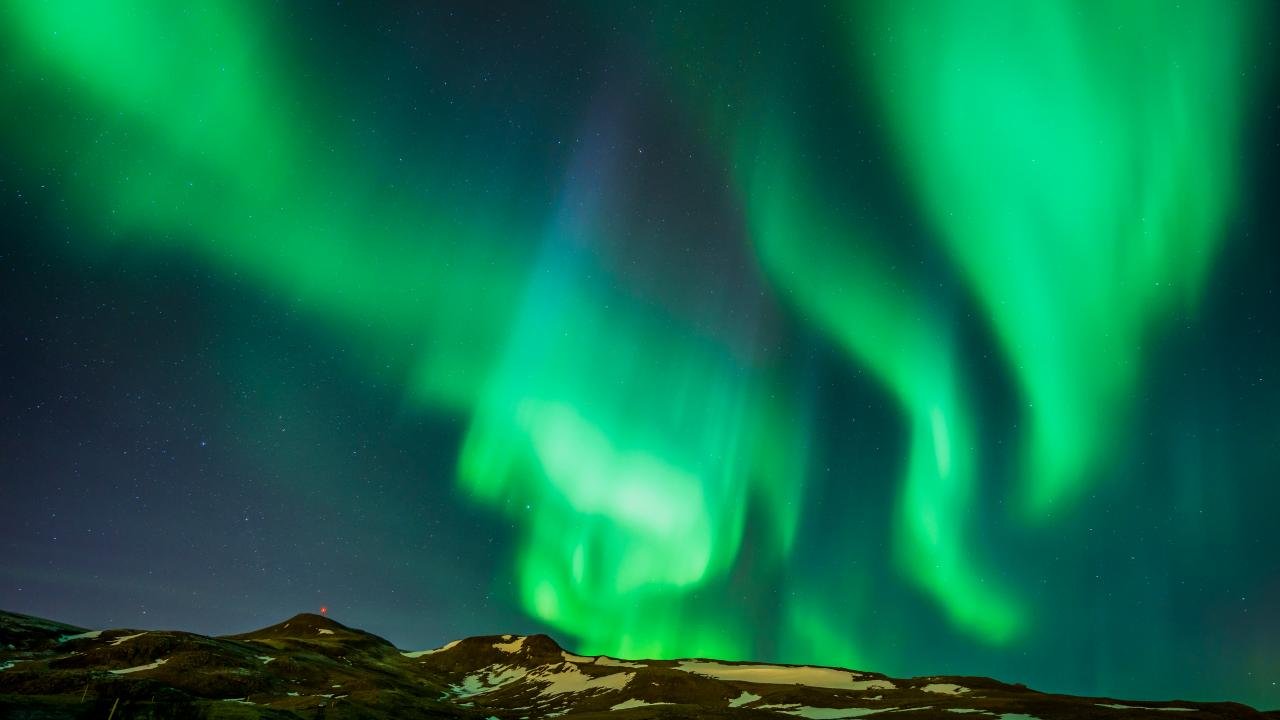
From creation myths to political omens, humans have long sought to understand the dramatic displays of the Northern Lights. After a Jacobite uprising was quashed in England in 1716, strange lights streaked across the night skies, described by witnesses as “pure flame”, “something resembling the pipes of an organ”, or a “shower of blood”. Observers interpreted them through the lens of their beliefs and loyalties, with some envisioning giants wielding flaming swords or armies battling in the sky. An English clergyman wrote that some people “read, in its glaring visage, the fate of nations, and the fall of kingdoms”.

Today, scientists know that aurorae are caused by solar activity interacting with the Earth’s magnetic field. These colorful displays, visible at high latitudes and occasionally further south during strong geomagnetic storms, are now understood in terms of charged particles colliding with the atmosphere. Yet, historical and oral records show that for millennia, humans have explained these lights through mythology, spiritual significance, and even moral teaching.
Some traditions are relics of ancient cosmology. In Norse mythology, Bifröst, the rainbow bridge connecting mortals to the realm of the gods, may have been inspired by the aurora. Written records in Mesopotamia describe similar phenomena. Astronomical diaries from Babylonia in 567 BCE mention a “very red rainbow stretched in the east”, and Assyrian cuneiform tablets from at least a century earlier include references to “red glow”, “red cloud”, and “red sky”, interpreting them as omens for kings and nations. In China, a 3,000-year-old text on bamboo slips, The Bamboo Annals, recorded a “five-coloured” event at night, now considered a possible aurora linked to extreme solar activity in the 10th century BCE. Researchers can cross-reference these accounts with solar and geomagnetic data to distinguish aurorae from other celestial phenomena.

For communities living at high latitudes, such as Iceland, Greenland, northern Scandinavia, Alaska, Canada, and northern Russia, aurorae are a regular feature of life, deeply embedded in cultural worldviews. Indigenous peoples of the Arctic have long integrated spiritual understandings of the Northern Lights with practical knowledge of their environment. For some, the aurora represents ancestors or shamanic powers, and its appearance often carried moral or behavioral guidance.
Among the Sami, the Northern Lights inspired both awe and caution. They were thought to be connected to spirits, and people were warned to remain quiet, not to tease the lights, and for women to cover their hair to avoid being entangled in its rays. Similar stories persist among Indigenous communities in Alaska, where children were told that the aurora could “play football with their heads” as a cautionary tale to encourage them to return home safely.
From ancient China to Northern Europe and the Arctic, the aurora has been a source of wonder, fear, and storytelling. Its ethereal beauty has inspired poetic accounts, spiritual interpretations, and even political omens. Across cultures, the dancing lights of the sky continue to bridge the worlds of science, history, and imagination, reminding us how natural phenomena shape human thought and culture.
Related News:
 Britain deploys RAF specialists to assist Belgium with drone threats
 Hitler’s DNA Confirms He Truly Had Only One Testicle
 US Judge Says Meta Did Not Hold Illegal Social Media Monopoly
 Raccoons Could Become America’s Next Pet
 Australia to Ban Social Media for Kids Under-16 Starting December
 X’s New Location Disclosure Policy: What It Means for User Safety
 Extraordinary’ Object Found at Orkney Neolithic Site
 Australians Angry as BOM Website Revamp Backfires
 AI Actress Creator Says Tilly Norwood Won’t Replace Actors
 YouTube Warns Kids Will Be Less Safe Under Australia Ban
 Hospice Cuts Raise Alarm Across England Amid Funding Crisis
 Virgin Trains Moves Closer to Challenging Eurostar Monopoly
 UK Bans Fake Numbers: Scammers Lose Their Trick
 Vibe coding’ named Collins dictionary’s word of the year
 Patients to Test Health at Home to Ease NHS Winter Pressure
 US Senate Passes Funding Bill to End Historic Shutdown
 From Lego to Pokémon: How Adults Are Driving UK Toy Market Growth
 Shouting Works Best to Deter Gulls, UK Study Finds
 Mary Earps’s Manchester United Return Faces Mixed Reception
 Sam Kerr Stars in Chelsea Return with Champions League Double
 Stop using ChatGPT to write speeches, AI minister tells MPs
 Northern Lights may illuminate UK skies this week
 New laws to bolster UK’s defences against cyber attacks on NHS, transport and energy
 PM Condemns Leaks, Vows Loyalty to Ministers and Stability
 Son Reveals UK Couple in Iran Resort to Hunger Strike for Help
 TalkTV Fires Mike Graham Over Racist Facebook Post
 Working-Class Men with Prostate Cancer Left Behind by NHS
 US Justice Department Files Lawsuit Against California Over Partisan Voting Maps
 Saka Solidifies Role as Tuchel’s Key England Lieutenant
 Former Lion Heskey Warns of Shortage of England Strikers
 Israel Confirms Returned Hostage as Meny Godard
 New AI tool could cut wasted efforts in organ transplants
 December Run-Off in Chile as Election Produces No Winner
 Orban Says Ukraine Has ‘No Chance’ as EU Support Continues
 From Baby Teeth to Bioengineering: The Future of Self-Healing Teeth
 Mother Watches in Horror as Teen Daughter Dies on Tracks
 South African Detained After Neo-Nazi Rally in Australia
 Google Chief Urges Caution: Don’t Trust AI Blindly
 Seven Countries, One Winner: Europe’s Best Christmas Market
 Israeli Strike Kills 13 Near Palestinian Camp in Lebanon
 Zelensky Meets US Envoy in Turkey to Push Ukraine Peace Talks
 Commuters warned as yellow snow and ice alert hits Northern Ireland
 UK Vulnerable to Attack, Defence Committee Finds
 Haiti Qualifies for World Cup Despite Coach Never Visiting Country
 Healthy Habits in Your 30s That Boost Life in Your 70s
 Rama Rebukes Mahmood for Targeting Albanian Families
 Serial Rapist and Former Cop Found Guilty Again
 Woman Meets Boy Whose Life She Saved with Kidney
 Two Officers Injured After Van Deliberately Rams Patrol Car
 Pentagon Officials in Ukraine to Discuss War End
 Ex-Harvard President Pauses Teaching Over Epstein Emails
 Vietnam Battles Deadly Floods as Rains Continue
 Scottish Families Take Legal Action Over School CO Leak
 Venezuela Threatens Nobel Winner Machado with Fugitive Status
 At Least Three Dead in Bangladesh Earthquake
 Coffins Now Too Large to Cremate Amid Rising Obesity Crisis
 UK Taskforce Unveils Plan to Streamline Nuclear Reactor Rules
 NHS paediatric leave parents waiting months for answers
 Vicki Fears Losing Motability Car
 Israel Confirms Hamas Returned Dror Or’s Body
 Trump Envoy to Discuss Ukraine Peace at Kremlin
 Millions Face Higher Taxes Under Reeves New Budget
 Peers Get Extra Time to Debate Assisted Dying Bill
 Planned Palestinian Flag Raising at Belfast City Hall Faces Delay Amid Legal Concerns
 Two National Guard Soldiers Critically Injured Near White House
 Mbappe Scores 4 as Real Madrid Edge Olympiakos
 Man City Lose, Champions League Risk
 Sri Lanka Floods Leave 56 Dead, Dozens Missing
 India’s Labour Law Overhaul Sparks Fierce Debate
 Video shows Israeli troops kill Palestinians after surrender
 Scotland Gains 33 New Towns – Life in Growing Communities
 Machynlleth High Street Left Without Christmas Lights
 Jordan Bardella: France’s Young Presidential Contender
 Search underway for British man overboard off Tenerife
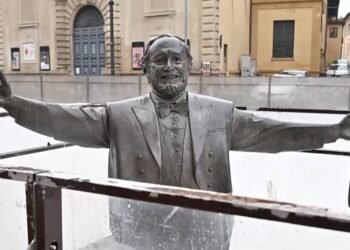 Pavarotti statue frozen in Italian ice rink sparks backlash
 Barcelona, Atletico set for decisive La Liga showdown
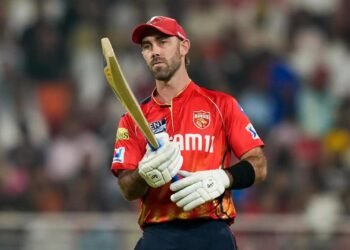 Maxwell withdraws from IPL 2026 after 13 seasons
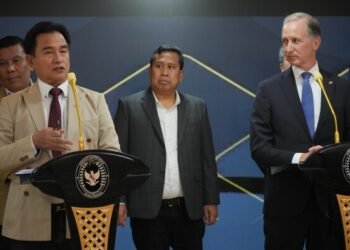 Indonesia to Repatriate Two Dutch Drug Convicts
 EU plans $105bn Ukraine aid using frozen Russian assets
 Global campaign launched to free Palestinian leader Barghouti