Published: 17 November 2025 Monday. The English Chronicle Desk. The English Chronicle Online
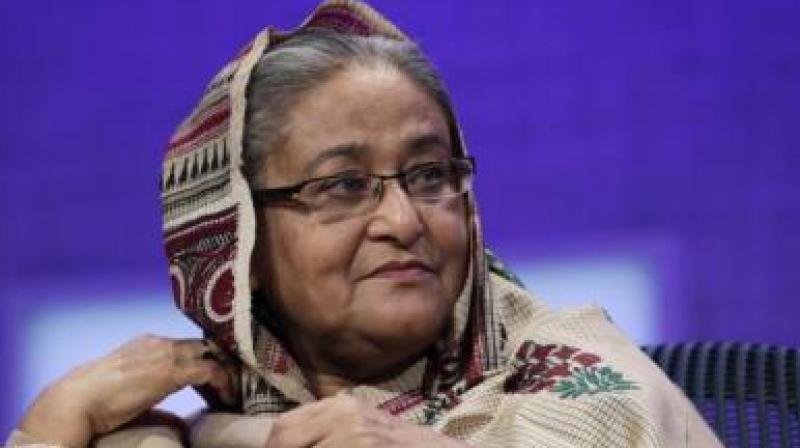
Bangladesh’s International Crimes Tribunal has sentenced former Prime Minister Sheikh Hasina to death for crimes against humanity, citing her government’s violent crackdown on student-led protests last year. The 78-year-old fugitive politician was tried in absentia and found guilty of orchestrating what the tribunal described as “systematic and deliberate attacks” on civilians during the 2024 uprising, which left approximately 1,400 people dead.
The tribunal concluded that Hasina acted as the “mastermind and principal architect” of the state’s suppression of mass demonstrations, which shook Bangladesh to its core and ultimately ended her 15-year tenure as prime minister. Hasina, who has been living in exile in India since her fall from power, has not been seen in public or online since losing authority, and authorities in Dhaka have stated that they intend to pursue her extradition in order to enforce the sentence.
The 2024 uprising began in early March of that year when students across Bangladesh took to the streets demanding reforms to the education system, economic relief, and accountability for widespread corruption. The protests, initially peaceful, quickly escalated into nationwide demonstrations that drew tens of thousands of participants in Dhaka, Chittagong, Khulna, and other major cities. The government responded with a militarized crackdown, deploying police and paramilitary forces, which included reports of mass arrests, extrajudicial killings, and indiscriminate use of live ammunition against protestors.
According to tribunal documents, state forces under Hasina’s direction intentionally targeted not only protestors but also bystanders, journalists, and opposition figures, resulting in what human rights observers described as “a campaign of terror designed to maintain authoritarian control.” Eyewitness testimony included accounts of students being shot in university dormitories, journalists detained without charge, and protestors forcibly disappeared. The tribunal found sufficient evidence to hold Hasina personally responsible for these acts, citing government communications and internal records that implicated her in the planning and execution of the crackdown.

Hasina’s rule, lasting from 2009 to 2024, had long been criticized by domestic and international observers for authoritarian tendencies. During her tenure, her government faced repeated accusations of suppressing dissent, curbing press freedoms, and using the judiciary to target political opponents. Allegations of extrajudicial killings, unlawful detentions, and intimidation of opposition politicians were widespread. The 2024 student protests, which focused on economic grievances and corruption, represented the culmination of growing frustration with Hasina’s administration, particularly among younger generations who felt excluded from political and economic power.
In response to the tribunal’s verdict, Hasina’s now-banned Awami League party denounced the proceedings as a “kangaroo court,” claiming the trial was politically motivated and lacked impartiality. Party officials urged supporters to protest the ruling, sparking immediate concerns over civil unrest and potential violence across the country. Local authorities have increased security in Dhaka and other major urban centers, warning that demonstrations could escalate and urging residents to avoid protest zones.
The verdict has also elicited varied reactions internationally. Human rights organizations such as Amnesty International and Human Rights Watch have called for due process safeguards, emphasizing that executions in absentia remain deeply controversial and may violate international legal norms. Meanwhile, regional powers and neighboring countries have expressed concern about the stability of Bangladesh, a country with a population exceeding 170 million and a history of political volatility. Analysts note that the sentencing of a former head of state is likely to deepen divisions within the country, potentially destabilizing the political landscape and affecting relations with India and other South Asian nations.
Experts have highlighted the broader implications of the ruling. “This is an unprecedented development in Bangladesh,” said Dr. Farhana Ahmed, a political analyst at Dhaka University. “No former prime minister in the country’s history has been sentenced to death for actions taken while in office. It raises questions about political accountability, the use of judicial power, and the prospects for reconciliation.” Ahmed noted that the tribunal’s decision could embolden opposition forces while polarizing public opinion, with some viewing the ruling as a long-overdue act of justice and others perceiving it as a continuation of politically motivated vendettas.
The events leading to Hasina’s exile were dramatic. In late 2024, amid mounting public pressure and nationwide strikes, Hasina attempted to consolidate power by expanding emergency powers, a move that only intensified public anger. Her refusal to negotiate with student leaders and opposition groups led to mass resignations among cabinet members and defections within the Awami League, ultimately forcing her to flee Bangladesh under the protection of diplomatic channels facilitated by India.

Since her departure, Hasina has remained largely silent, with occasional statements issued through party intermediaries. Observers note that her absence has allowed Bangladesh’s new interim government to begin implementing reforms, including efforts to investigate corruption, restore press freedoms, and reform law enforcement practices. However, the deep-rooted divisions within Bangladeshi society and politics remain apparent, with Awami League loyalists continuing to hold influence in certain regions and factions resisting the transitional government’s policies.
The death sentence issued by the International Crimes Tribunal has already sparked widespread debate in Bangladeshi media and among international commentators. Legal experts emphasize that enforcing the sentence may prove difficult given Hasina’s exile in India, a country that has historically provided diplomatic protection to her and other political figures. International law also complicates the matter, as the execution of a former head of state in absentia could set a controversial precedent.
Meanwhile, civil society groups within Bangladesh are calling for a careful balance between accountability and national stability. “Justice must be served, but the country cannot afford further bloodshed,” said Kamal Hossain, director of a Dhaka-based human rights NGO. “The focus now should be on ensuring that institutions are strengthened, that political dialogue is prioritized, and that the country avoids a descent into renewed violence.”
The tribunal has signaled that proceedings will continue against other senior figures implicated in the crackdown, including military officials and law enforcement leaders. The court has also invited international observers to monitor future hearings, in an effort to enhance transparency and credibility. Analysts expect that the coming months will be crucial in determining whether Bangladesh can navigate this period of political transition without further destabilization.
As Bangladesh faces the dual challenges of enforcing justice for the 2024 protests and maintaining national cohesion, the fate of Sheikh Hasina remains a central concern. Her sentencing represents not only a historical legal development but also a test of the country’s ability to uphold the rule of law while avoiding political upheaval. The eyes of the international community remain firmly focused on Dhaka, with implications for regional stability, human rights standards, and the broader trajectory of South Asian governance.
Related News:
 Why India is Unlikely to Return Sheikh Hasina to Face Execution
 Video shows Israeli troops kill Palestinians after surrender
 Reform Councillor Defects to Tories Over ‘Uncomfortable’ Policies
 FBI Director Kash Patel Defends Girlfriend Amid Government Jet Claims
 French Taxi Driver Cleared in David Lammy Theft Case After Fare Dispute
 Company linked to Michelle Mone owes £39m in tax
 Met Police Culture Makes Racial Harm ‘Inevitable’
 Eleven Arrested After Pro-Palestine Protest at Villa Match
 ‘Reckless’ cuts to victims’ services will cost more than they save
 Shook the ground under my feet: Panic as car blast hits near Delhi’s Red Fort
 British state supplied victims to ‘worst sex offender in history’
 New Epstein Files Spark Political Clash in Washington
 Thai King Embarks on Historic China Visit After 50 Years
 Ukraine Energy Corruption Scandal Hits Zelensky’s Inner Circle
 Early Trends Suggest Modi’s Alliance Leading in Key Bihar Election
 South Korea Gains US Support for Nuclear Submarine Programme
 UK Candidate Moved to Safe House After Election Threats
 South African Detained After Neo-Nazi Rally in Australia
 Sheikh Hasina Sentenced to Death Over Protest Crackdown
 Trump Says Crown Prince Knew Nothing About Khashoggi Death
 Bangladesh Families Call for Hasina’s Return and Execution
 Myanmar Military Busts Thai Border Scam Hub, 346 Arrested
 Hasina Sentenced: Will Bangladesh Repeat Past Mistakes?
 Trump Slams Democrats With ‘Seditious’ Death Claim
 WhatsApp Messages Expose Nathan Gill’s Bribery
 Venezuela Threatens Nobel Winner Machado with Fugitive Status
 Ex-Classmate Accuses Farage of Dishonesty on Racism Claims
 Trump Envoy to Discuss Ukraine Peace at Kremlin
 Southern Lebanon reels as Israeli strikes shatter communities
 Thousands Homeless After Massive Fire in Dhaka Shantytown
 India’s Labour Law Overhaul Sparks Fierce Debate
 Ex-Brexit MEP Rejects Claim of Pro-Russia Payments
 Guinea-Bissau President Flees After Military Coup
 ICC to Rule on Duterte’s Provisional Release
 UK MP Tulip Siddiq sentenced in Bangladesh land case
 Chinese & Japanese Boats Clash Near Disputed Islands
 Putin Meets US Envoy Amid Key Ukraine Peace Talks
 Mass Arrests in London as Protest Defies Ban on Palestine Action
 Peterborough Mosques Tighten Security After Attack
 Badenoch Warns Farage’s Grooming Gangs Plan Could Backfire
 Green Party Surges Past Labour in Latest UK Poll
 Army Officers Orders to Cut Ties with Men-Only Clubs
 Trump’s UK Ambassador Urges North Sea Drilling to Strengthen US Ties
 UK Bans Fake Numbers: Scammers Lose Their Trick
 Just Stop Oil Protesters Convicted Amid Climate Defence Row
 Labour immigration crackdown could cost UK £4.4bn
BBC to Apologise Over Edited Trump Speech Amid Backlash
Labour immigration crackdown could cost UK £4.4bn
BBC to Apologise Over Edited Trump Speech Amid Backlash
 Britain deploys RAF specialists to assist Belgium with drone threats
 How to get help when a child goes missing – call 999 urgently
 Millionaires group urge Reeves to introduce wealth tax to ‘lift kids out of poverty’
 Starmer Faces Growing Dissent as Labour MPs Weigh Leadership Challenge
 Reeves rejects £1bn plea for NHS redundancy payouts
 PM Condemns Leaks, Vows Loyalty to Ministers and Stability
 Major Rent Reform Ends No-Fault Evictions in England
 Peers Flood Assisted Dying Bill with 942 Amendments
 Senator John Fetterman Hospitalized After Fall from Heart Flare-Up, Keeps Sense of Humor
 US Justice Department Files Lawsuit Against California Over Partisan Voting Maps
 Indian authorities demolish Kashmir home linked to Red Fort blast
 Greene Pushes Epstein Files Amid Trump Fallout
 Trump Deploys DHS to Charlotte in Major Arrest Operation
 December Run-Off in Chile as Election Produces No Winner
 New Evidence Emerges in Haditha Family Killings
 Criminal Gangs Pose as Truckers to Hijack UK Supply Chains
 Mother Watches in Horror as Teen Daughter Dies on Tracks
 Charlotte Raids: 130 Arrested in Major Immigration Sweep
 The Lasting Legacy of Seven: Crime, Morality, and Urban Decay
 Israeli Strike Kills 13 Near Palestinian Camp in Lebanon
 Labour Faces Historic Decline in Wales
 Serial Rapist and Former Cop Found Guilty Again
 Man Charged Over Attempted Murder of Senior Officer
 Pentagon Officials in Ukraine to Discuss War End
 PM Highlights UK Business at G20 in South Africa
 At Least Three Dead in Bangladesh Earthquake
 Most Tories Expect to Support a Farage-Led Government
 Labour MP claims devolution bill is ‘blatant discrimination’ against Cornwall
 Millions Face Higher Taxes Under Reeves New Budget
 Two National Guard Soldiers Critically Injured Near White House
 Delhi’s Toxic Air Crisis Leaves Children Sick and Vulnerable
 Sri Lanka Floods Leave 56 Dead, Dozens Missing
 Jordan Bardella: France’s Young Presidential Contender