Published: 20 November 2025 Thursday . The English Chronicle Desk. The English Chronicle Online
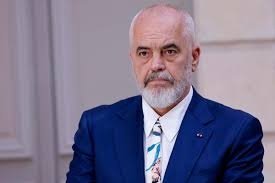
The diplomatic temperature between London and Tirana rose again this week after Albania’s prime minister, Edi Rama, sharply criticised UK Home Secretary Shabana Mahmood for what he described as “ethnic stereotyping” of Albanian families. His remarks came in response to a speech Mahmood delivered in the House of Commons while unveiling sweeping changes to Britain’s asylum system—reforms she characterised as essential to restore fairness and control.
What provoked Rama’s anger was a section of Mahmood’s address in which she highlighted that roughly 700 Albanian families were currently living in publicly funded accommodation despite having exhausted their asylum appeals. For Rama, singling out Albanians in this manner was not only misleading but also inflammatory. He argued that placing such emphasis on a figure representing a tiny fraction of Britain’s wider migration pressures was irresponsible and fed into narratives traditionally pushed by the far-right.
Rama wrote on social media that he was disappointed to hear “a Labour Home Secretary echo rhetoric normally associated with populist extremes,” particularly at a time when Albania and the UK were working closely on migration issues. Calling the UK’s returns agreement with Albania “one of Europe’s most successful partnerships on illegal migration,” he noted that over 13,000 Albanians had been returned since the deal was signed in 2022. This, he stressed, showed cooperation was functioning effectively and that Albanians were not the burden they were sometimes portrayed to be.
He went further, insisting that Albanians in the UK make a positive contribution to the economy and that their reliance on state benefits is proportionally small compared with other migrant communities. To repeatedly point to Albanians, he said, served no constructive policy purpose and instead created unnecessary stigmatisation. “Official policy should never be driven by ethnic stereotyping,” he warned, adding that such an approach undermined the values Britain claims to uphold.

Mahmood’s comments formed part of her justification for a package of asylum reforms that has already sparked intense debate. In her statement to MPs, she described the current system as “out of control and unfair,” arguing that lax rules and lengthy waiting periods had left Britain vulnerable to abuse. If the country failed to take decisive action, she said, it would fuel anger among voters and deepen social divisions.
The proposals are among the most radical changes to the UK asylum system in more than a decade. Under Mahmood’s plan, refugee status would become temporary, significantly altering the prospects of those granted protection. Instead of being allowed to apply for permanent settlement after five years—a long-standing rule—refugees would now need to wait 20 years. The government would also expand its powers to remove families with children who have no legal basis to remain in the country, a move certain to face legal and political challenges.
The reforms aim to tighten eligibility for asylum while simultaneously creating new, capped legal pathways for those attempting to reach the UK. By reducing irregular arrivals and encouraging migration through official routes, Mahmood argued, the government would be able to regain public confidence and reduce the strain on Britain’s asylum infrastructure.
It was against this backdrop that Mahmood invoked the example of the 700 Albanian families. The UK already has a designated “safe country” returns agreement with Albania, and the Home Secretary used this as an illustration of how removals could proceed more efficiently. “We must remove those who have failed asylum claims, regardless of who they are,” she said. Her suggestion was that when countries are willing to cooperate—Albania being one of them—removals should occur more swiftly.
But Rama argued that making Albanians the public face of the government’s enforcement message was misguided and unfair. He questioned why the Home Secretary would “again and again” highlight Albanians when the country was already cooperating extensively with the UK. Doing so, he said, distorted public understanding of migration issues and risked further inflaming anti-Albanian sentiment.

This latest dispute follows a pattern of tense exchanges between Rama and senior British politicians. Over the past several years, Albanian nationals have frequently been invoked in UK political debates about migration, often in relation to irregular Channel crossings or criminal activity. Rama has consistently pushed back against such portrayals, saying they oversimplify complex issues and feed harmful stereotypes.
The friction was evident earlier this year when Sir Keir Starmer, now prime minister, travelled to Tirana for high-level discussions. While the visit was framed as an opportunity to strengthen cooperation, Rama used the occasion to make clear that Albania would not host UK-operated “returns hubs” for rejected asylum seekers from other countries. The idea had been floated in British political circles, but Rama dismissed it outright, saying Albania would not become a processing centre for other nations’ immigration problems.
At the same joint press conference, Rama revived criticisms of Britain’s former Conservative government, accusing it of using Albanians as political scapegoats. He said repeated attempts to “curse the Albanians” had backfired, suggesting this rhetoric contributed to the Conservatives’ loss of political authority. His message was unmistakable: misrepresenting Albanians for political gain was not only wrong but ultimately ineffective.
Rama’s assertive style, particularly on social media, has made him a prominent international voice challenging what he sees as unfair portrayals of his countrymen. In the past, he has even engaged directly with Reform UK leader Nigel Farage, challenging him to travel to Albania and debate his claims. Farage had suggested that one in 50 Albanians living in the UK were in prison, a statistic Rama derided as “bonkers” and emblematic of post-truth politics linked to Brexit-era rhetoric.
The broader political context surrounding Mahmood’s comments also plays a role in the escalating tension. The Labour government, still navigating its early months in office, faces pressure to demonstrate that it can deliver an asylum system that is both firm and fair. While the previous Conservative government promised to reduce irregular migration significantly, it struggled to achieve substantial results. Labour is now determined to outline a credible alternative—but it must do so without alienating important international partners or provoking diplomatic rifts.

Mahmood’s supporters within the government argue that her comments were not intended to target Albanians but to illustrate gaps in the current system. They say that referencing specific nationalities is sometimes necessary to explain how certain agreements work in practice. Critics, however, fear that even unintentional emphasis on particular communities risks reinforcing public prejudices.
For Albania, the dispute is part of a larger effort to protect its reputation abroad. Many Albanians living in the UK say they feel unfairly associated with criminality or exploitation, despite the vast majority being law-abiding residents or workers. Rama’s government has sought to highlight the positive contributions Albanians make in Britain and to correct what it sees as exaggerated or misleading claims.
Diplomatically, both sides have an interest in avoiding a prolonged dispute. Britain has benefited from Albania’s cooperation on returns, and Albania values its relationship with a major European partner. Yet the sensitivity surrounding migration—and the political stakes attached to it—means tensions can flare quickly.
What is clear is that the debate over asylum policy in the UK remains deeply charged. Mahmood’s reforms are likely to be scrutinised intensely in the months ahead, not only for their moral and legal implications but also for their political consequences. And as this latest controversy shows, the words used to justify such reforms can resonate far beyond Westminster.
For now, Britain and Albania find themselves once again navigating a delicate diplomatic tightrope—one where policy, perception, and political messaging must be carefully balanced to avoid further fallout.
Related News:
 Russian Vessel Used Lasers on RAF Pilots, UK Claims
 British Woman in Iran ‘Losing Hope’ Amid Ongoing Detention
 BBC Journalist Held and Interrogated in Vietnam
 Out of reach: stalled newbuilds leave Labour’s social housing targets in tatters
 Zohran Mamdani becomes New York City’s first Muslim mayor
 Mikie Sherrill Elected New Jersey’s Governor in Key Win
 Who is Rama Duwaji? What Zohran Mamdani’s wife has said about Gaza and ICE as he’s elected NYC mayor
Zohran Mamdani names all-female transition team for NYC mayoralty
Who is Rama Duwaji? What Zohran Mamdani’s wife has said about Gaza and ICE as he’s elected NYC mayor
Zohran Mamdani names all-female transition team for NYC mayoralty
 Second world war veterans honoured as King leads Remembrance Sunday
 Britain deploys RAF specialists to assist Belgium with drone threats
 BBC director-general and news chief resign amid bias row
 PM Condemns Leaks, Vows Loyalty to Ministers and Stability
 US Justice Department Files Lawsuit Against California Over Partisan Voting Maps
 December Run-Off in Chile as Election Produces No Winner
 UK Asylum Reforms: Temporary Refugee Status and Faster Deportations
 UN Security Council Approves Trump’s Gaza Peace Plan
 Minister Defends Tough New Asylum Reform Plan
 UK Net Migration Falls Sharply After ONS Revisions
 Congress Approves Release of Epstein Files, Trump Expected to Sign
 Shadow Fleet at Sea: Europe’s Battle Against Illicit Oil Shipping
 UK Vulnerable to Attack, Defence Committee Finds
 MP Offers Seat to Help Burnham Challenge Starmer
 Pentagon Officials in Ukraine to Discuss War End
 WhatsApp Messages Expose Nathan Gill’s Bribery
 Venezuela Threatens Nobel Winner Machado with Fugitive Status
 Texas Governor Faces Lawsuit From CAIR
 English Mayors Set to Introduce Tourist Taxes
 Ex-Classmate Accuses Farage of Dishonesty on Racism Claims
 Trump Envoy to Discuss Ukraine Peace at Kremlin
 Millions Face Higher Taxes Under Reeves New Budget
 Peers Get Extra Time to Debate Assisted Dying Bill
 Planned Palestinian Flag Raising at Belfast City Hall Faces Delay Amid Legal Concerns
 Pope Leo XIV Begins Historic Trip to Turkey and Lebanon
 Georgians Defy Government Crackdown After Year of Protests
 UK Military Chiefs Warn Funding Gap Threatens Defence
 Putin Intensifies Territorial Demands Before US Talks
 India’s Labour Law Overhaul Sparks Fierce Debate
 Video shows Israeli troops kill Palestinians after surrender
 Trump to Recheck Green Cards from 19 Nations After DC Attack
 Ex-Brexit MEP Rejects Claim of Pro-Russia Payments
 Labour U-turn: Unfair Dismissal Rights Delayed Six Months
 Government righting decades-old injustice for miners
 Chinese & Japanese Boats Clash Near Disputed Islands
 Putin Meets US Envoy Amid Key Ukraine Peace Talks
 Ireland Boosts Ukraine Aid as Zelensky Visits Dublin
 Kremlin Talks With US Yield No Ukraine Peace Breakthrough
 Putin visits India as Ukraine peace, trade push intensifies
 Russia-Ukraine war update: Key events, day 1,379
 Global campaign launched to free Palestinian leader Barghouti
 UK Must Act with Courage and Clarity on Israel-Palestine Conflict, Says Foreign Affairs Committee Report
 Radioactive Leak at UK’s Nuclear Warhead Base Sparks Outcry Over Safety and Secrecy
 Mutual Inconvenience: Why Alaska Was Chosen for the Trump-Putin Summit on Ukraine
 Is the UK Ready to Put Boots on the Ground in Ukraine? Assessing Military Capacity and Challenges
 Public Trust in SNP Hits Historic Low Amid NHS Concerns
 Johnson Suggests Mandelson Linked to China Spy Controversy
 Rachel Reeves signals welfare reform ahead of key budget
 Army Barracks to House Migrants as Hotels Phase Out
 Hospice Cuts Raise Alarm Across England Amid Funding Crisis
 Trump’s UK Ambassador Urges North Sea Drilling to Strengthen US Ties
 French Taxi Driver Cleared in David Lammy Theft Case After Fare Dispute
BBC to Apologise Over Edited Trump Speech Amid Backlash
French Taxi Driver Cleared in David Lammy Theft Case After Fare Dispute
BBC to Apologise Over Edited Trump Speech Amid Backlash
 Palace May Restore Hyphen to Andrew Mountbatten-Windsor’s Name
 Millionaires group urge Reeves to introduce wealth tax to ‘lift kids out of poverty’
 Shouting Works Best to Deter Gulls, UK Study Finds
 Reeves rejects £1bn plea for NHS redundancy payouts
 Major Rent Reform Ends No-Fault Evictions in England
 Greene Pushes Epstein Files Amid Trump Fallout
 Zelenskyy Signs Fighter Jet Deal Amid Russian Drone Attacks
 Stroke Patient Mistaken for Drunk, Care Delayed
 Canada Passes Carney’s First Budget in Tight Parliamentary Vote
 Van Dwellers Face Eviction After Park Misuse Sparks Outcry
 Deadly Russian Strikes Hit Western Ukraine, 20 Killed in Ternopil
 Serial Rapist and Former Cop Found Guilty Again
 Vietnam Battles Deadly Floods as Rains Continue
 Most Tories Expect to Support a Farage-Led Government
 Labour MP claims devolution bill is ‘blatant discrimination’ against Cornwall
 Two National Guard Soldiers Critically Injured Near White House
 Sri Lanka Floods Leave 56 Dead, Dozens Missing
 Jordan Bardella: France’s Young Presidential Contender
 Search underway for British man overboard off Tenerife