Published: 20 November 2025 Thursday . The English Chronicle Desk. The English Chronicle Online
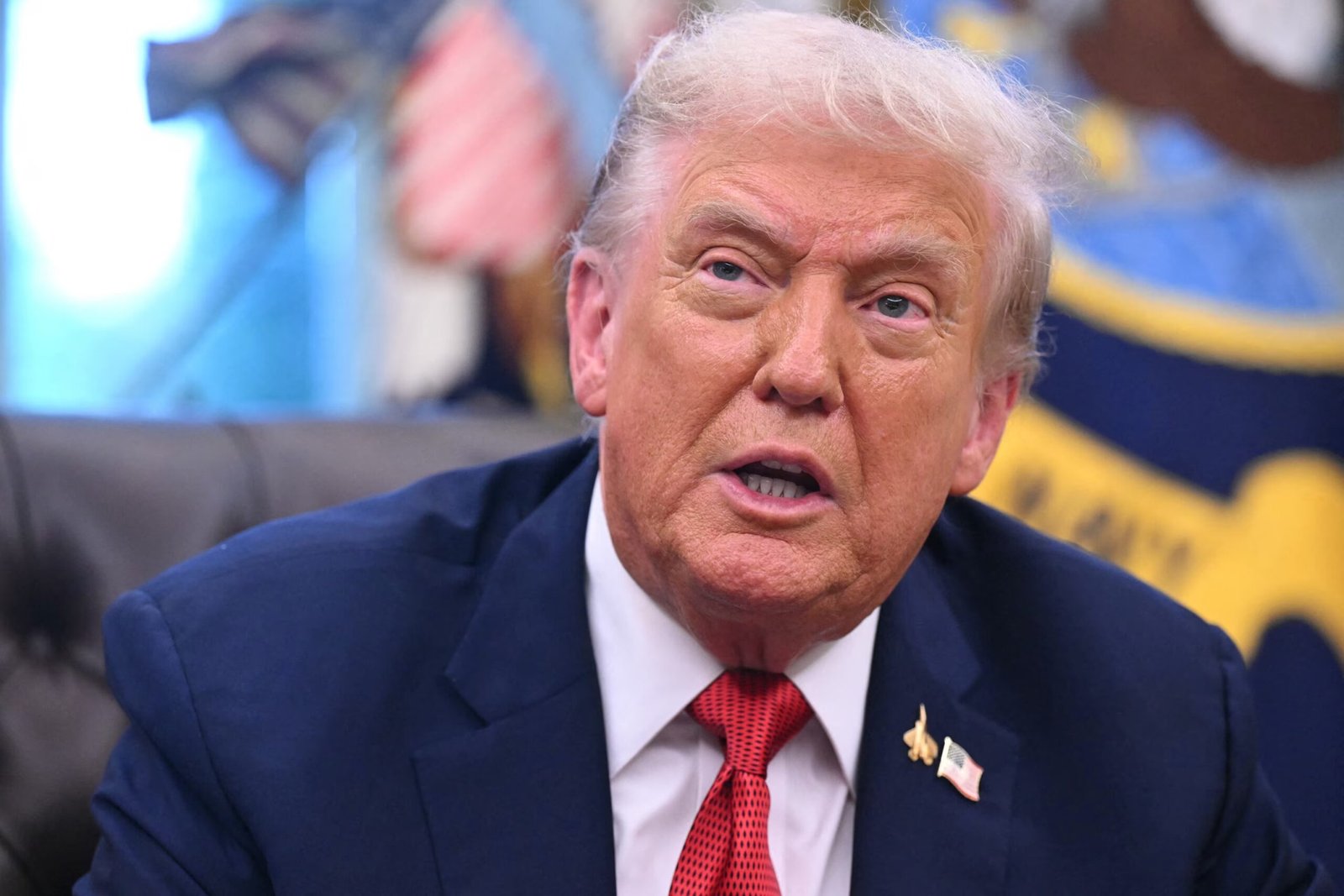
In a move that has drawn widespread attention, US President Donald Trump on Wednesday signed a bill mandating the release of government files related to the late convicted sex offender Jeffrey Epstein. The legislation, which passed both chambers of Congress with overwhelming support, directs the Department of Justice to disclose all information from its Epstein investigation within 30 days, while allowing certain sensitive materials to be withheld if they pertain to ongoing investigations or could violate personal privacy.
Trump’s endorsement of the measure marked a significant shift from his previous position. Until recently, he had expressed skepticism about releasing the documents, dismissing them as a “Democrat-led hoax” and suggesting the initiative was designed to deflect attention from the Republican Party’s accomplishments. However, after facing pushback from Epstein’s victims, advocacy groups, and even members of his own party, Trump changed course and signed the legislation, describing it as a critical step toward transparency.
“Perhaps the truth about these Democrats, and their associations with Jeffrey Epstein, will soon be revealed, because I HAVE JUST SIGNED THE BILL TO RELEASE THE EPSTEIN FILES!” Trump tweeted following the signing, emphasizing his view that the files may expose misconduct by members of the Democratic Party.
While Trump had the authority to order the release of the files on his own, Congress opted to pass a formal bill to codify the action. The House of Representatives approved the measure with a vote of 427 to 1, while the Senate gave unanimous consent to expedite the legislation. The near-unanimous support reflects growing bipartisan pressure to ensure the documents are made public, particularly in light of mounting demands from survivors of Epstein’s abuse and advocates for government accountability.

The Epstein files cover a broad spectrum of materials, including criminal investigation records, witness and victim interviews, items seized during raids on Epstein’s properties, and internal Department of Justice communications. Additionally, flight logs, bank records, and detailed information about Epstein’s associates and connections are expected to be included.
Importantly, these documents are separate from the more than 20,000 pages of materials from Epstein’s estate that Congress released last week. Those files included internal correspondence, court records, and other documents that referenced several high-profile figures, including Trump. Among them were 2018 emails in which Epstein referred to Trump, stating, “I am the one able to take him down” and “I know how dirty Donald is.”
Trump has repeatedly asserted that he was only casually acquainted with Epstein, maintaining that any personal relationship ended in the early 2000s, two years before Epstein was first arrested for soliciting prostitution from a minor. Throughout his presidency, Trump has consistently denied any involvement in Epstein’s crimes. In recent statements to the press, he emphasized that the focus on Epstein’s network is primarily a “Democrat problem,” arguing that members of the opposing party had closer ties to the disgraced financier.
Despite Trump’s assertions, the release of the files is likely to draw renewed scrutiny of his past interactions with Epstein and may generate public and media debate over the extent of his association with the convicted sex offender. Legal analysts have pointed out that the documents could contain evidence of Epstein’s social and financial networks, shedding light on the broader ecosystem of enablers that facilitated his criminal activities.
For survivors of Epstein’s abuse, the signing of the bill was hailed as a significant victory. The family of Virginia Giuffre, who died by suicide earlier this year, released a statement describing the measure as “nothing short of monumental” for Giuffre and other victims of Epstein’s crimes.
“As we look towards the next chapter, we remain vigilant. This work is not finished. Every name must be revealed, regardless of power, wealth, or party affiliation,” said Sky and Amanda Roberts, Giuffre’s brother and sister-in-law. Their statement highlighted the ongoing struggle of survivors seeking justice and accountability, underscoring that the release of these files represents a critical step toward transparency and public awareness.

Advocacy groups, including organizations dedicated to fighting sex trafficking and supporting survivors, have also welcomed the move. They argue that the files could help law enforcement agencies, journalists, and researchers better understand the mechanisms of Epstein’s criminal network, potentially identifying enablers and facilitators who remain at large.
While the specific contents of the files remain under seal until the official release, experts anticipate they will include new information about Epstein’s relationships with prominent figures in politics, business, and entertainment. The documents could illuminate patterns of behavior, financial arrangements, and the methods used to exploit and intimidate victims.
Legal scholars note that the files may also provide insight into how investigations into Epstein were conducted and whether systemic failures occurred within law enforcement or prosecutorial offices. Questions about potential conflicts of interest, oversight lapses, and the effectiveness of existing safeguards against abuse of power are likely to arise as the documents become public.
The files may also contain further evidence regarding Epstein’s flight logs, which detail the movements of his private jets and may include names of passengers who were connected to Epstein’s social and financial circles. Additionally, internal communications within the Department of Justice could reveal discussions about plea deals, prosecutorial decisions, and interactions with other federal agencies.
The release of the Epstein files is expected to have significant political implications. Trump’s framing of the legislation as exposing Democrats’ connections to Epstein positions the documents within a partisan narrative, although the materials themselves may contain information relevant to individuals across the political spectrum.
Some legal analysts have warned that public disclosure could also lead to renewed lawsuits, investigations, and congressional inquiries. Lawmakers may seek to examine how Epstein was able to operate for years despite mounting allegations, and whether key figures in politics or finance facilitated or ignored his activities.
The timing of the release, less than a year before the next presidential election cycle, could also influence public opinion and political discourse. Advocates for transparency have urged the public and media to approach the files with a focus on justice and accountability rather than partisan narratives, emphasizing the importance of centering the voices of Epstein’s victims.

Under the legislation, the Department of Justice has 30 days to release the materials, though the law allows the withholding of certain information related to ongoing criminal investigations or matters deemed sensitive to personal privacy. Legal experts predict that redactions may be necessary, but advocates stress that the majority of documents should be made accessible to the public.
The release of these files is likely to spur widespread media coverage, investigative reporting, and public scrutiny. Researchers and journalists may analyze the documents for patterns of financial transactions, communication networks, and organizational structures that facilitated Epstein’s criminal enterprise.
For survivors of Epstein’s abuse, the files offer a potential avenue for closure and accountability, providing evidence that could be used in civil or criminal proceedings. Advocacy groups have indicated that they will monitor the release closely, ensuring that any omissions or delays are addressed and that the public has access to as much information as possible.
President Trump’s signing of the bill mandating the release of Epstein files represents a historic step in the ongoing efforts to bring transparency to one of the most notorious criminal cases in recent US history. The files are expected to provide unprecedented insight into Epstein’s network, the people who surrounded him, and the systemic failures that allowed his crimes to persist.
For survivors, legal experts, and the public, the release marks a critical opportunity to confront uncomfortable truths, hold powerful individuals accountable, and ensure that lessons are learned to prevent similar abuses in the future. As the countdown to the public release begins, the nation anticipates revelations that could reshape understanding of Epstein’s influence, expose enablers, and reaffirm the importance of justice and accountability, regardless of wealth or political affiliation.
Related News:
 It’s time to come clean on the China spy case
 French Taxi Driver Cleared in David Lammy Theft Case After Fare Dispute
 Met Police Culture Makes Racial Harm ‘Inevitable’
 Remaining rebel Labour MPs have whip restored
 South African Detained After Neo-Nazi Rally in Australia
 Trump Slams Democrats With ‘Seditious’ Death Claim
 Tasers Introduced in UK Prisons to Combat Rising Violence and Protect Staff
 Police Advised to Disclose Ethnicity of Suspects in High-Profile Cases
 Jailed Georgian Opposition Leaders Warn UK of Iranian Links to Ruling Party
 Boris Johnson Breached Rules on Post-Office Business Contacts
 Badenoch Warns Farage’s Grooming Gangs Plan Could Backfire
 Five More Prisoners Freed by Mistake in Essex Week
 Nearly 48,000 Zombie Knives Removed from UK Streets in a Year
 Afghan man charged with murder after west London knife attack
 Reform Councillor Defects to Tories Over ‘Uncomfortable’ Policies
 FBI Director Kash Patel Defends Girlfriend Amid Government Jet Claims
 Man Charged Over Cambridgeshire Train Stabbing
 Police Probe Four Knife Incidents Linked to Cambridgeshire Train Attack
 Phillipson urges careful review of gender recognition guidance
 UK University Faces Counter-Terror Probe Over China Pressure
 Just Stop Oil Protesters Convicted Amid Climate Defence Row
China-critical UK academics face ‘extremely heavy’ pressure from Beijing
Just Stop Oil Protesters Convicted Amid Climate Defence Row
China-critical UK academics face ‘extremely heavy’ pressure from Beijing
 Prison sentencing reforms expected to raise crime by up to 6%, police warn
 British Grandmother to Return Home After Death Sentence in Bali
 Eleven Arrested After Pro-Palestine Protest at Villa Match
Boris Johnson accused of undermining BBC leadership
Eleven Arrested After Pro-Palestine Protest at Villa Match
Boris Johnson accused of undermining BBC leadership
 Tim Davie resigns as BBC director general amid bias claims
 ‘Reckless’ cuts to victims’ services will cost more than they save
 BBC Faces Backlash as Reform UK Withdraws from Film
 Palace to reinstate hyphen in Andrew’s surname
 Ukraine-Russia war latest: Putin’s troops exploit bad weather to force Kyiv withdrawal from multiple towns
 New Epstein Files Spark Political Clash in Washington
 South Korea’s Jeju Island Faces Rising Tide of Illicit Drugs
 Victims’ commissioner Baroness Newlove dies aged 63
 Major Rent Reform Ends No-Fault Evictions in England
 Peers Flood Assisted Dying Bill with 942 Amendments
 US Justice Department Files Lawsuit Against California Over Partisan Voting Maps
 Oklahoma Governor Grants Last-Minute Clemency to Death Row Inmate
 Rio Raid’s Death Toll Raises Questions About Gang Impact
 ‘Fake Admiral’ Sparks Outrage at Remembrance Event
 UK Unveils Fast-Track Deportation and Asylum Overhaul
 Greene Pushes Epstein Files Amid Trump Fallout
 Trump Deploys DHS to Charlotte in Major Arrest Operation
 Delhi Car Bomb Arrest: Suspect Linked to Deadly Attack
 UK Asylum Overhaul Sparks Debate Over Human Rights and Deportations
 UK Asylum Reforms: Temporary Refugee Status and Faster Deportations
 UK Candidate Moved to Safe House After Election Threats
 Mahmood Defends Tough Overhaul of UK Asylum System
 Paralegal Fired After Exposé on Illegal Worker Scam
 Dan Wootton Rejects Catfishing Allegation in Court
 Scottish Ministers Express Alarm Over UK Asylum Reforms
 Charlotte Raids: 130 Arrested in Major Immigration Sweep
 Convicted Killer Challenges Vegemite Ban Behind Bars
 Westminster Advances Legacy Bill Amid Criticism
 Minister Defends Tough New Asylum Reform Plan
 UK Net Migration Falls Sharply After ONS Revisions
 Federal Court Blocks Texas Republican Maps Over Racial Bias
 Only One Republican Opposes Mass Release of Epstein Files
 Congress Approves Release of Epstein Files, Trump Expected to Sign
 Newport Man Left Injured After Electric Bike Collision
 Serial Rapist and Former Cop Found Guilty Again
 Man Charged Over Attempted Murder of Senior Officer
 Two Officers Injured After Van Deliberately Rams Patrol Car
 Man Denies Stealing Bronze Age Gold from Museum
 WhatsApp Messages Expose Nathan Gill’s Bribery
 Venezuela Threatens Nobel Winner Machado with Fugitive Status
 Texas Governor Faces Lawsuit From CAIR
 Most Tories Expect to Support a Farage-Led Government
 Gardener Guilty of Brutal Attack on Teacher Partner
 Ex-Classmate Accuses Farage of Dishonesty on Racism Claims
 Trump Envoy to Discuss Ukraine Peace at Kremlin
 Peers Get Extra Time to Debate Assisted Dying Bill
 Video shows Israeli troops kill Palestinians after surrender
 Ex-Brexit MEP Rejects Claim of Pro-Russia Payments
 Guinea-Bissau President Flees After Military Coup
 Jordan Bardella: France’s Young Presidential Contender
 Chinese & Japanese Boats Clash Near Disputed Islands
 Putin Meets US Envoy Amid Key Ukraine Peace Talks
 Twelve Prisoners Released in Error, Two Still Missing
 Man Swallows $19K Fabergé Egg Pendant in Theft