Published: 24 November 2025. The English Chronicle Desk. The English Chronicle Online.
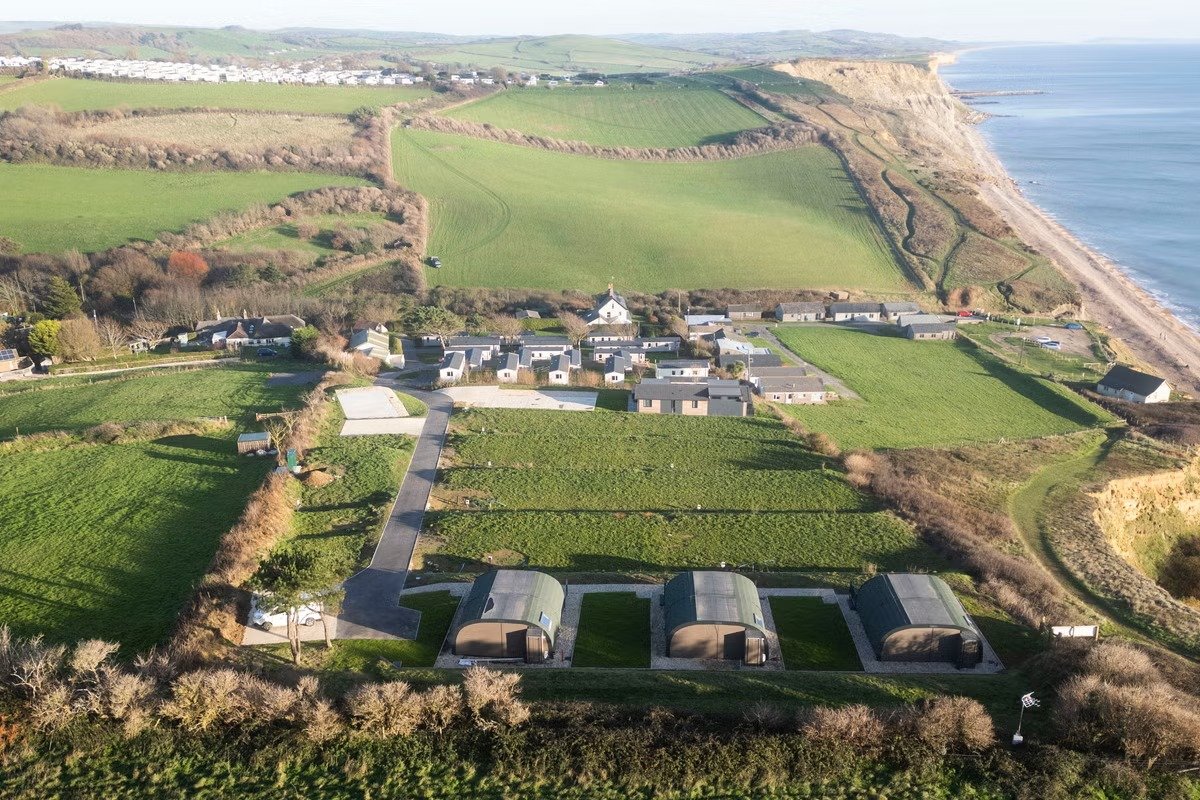
Plans for a luxury holiday park on Eype Cliff, West Dorset, have sparked warnings it could destabilise the fragile Jurassic Coast. Construction is underway on twelve lodges valued up to £725,000 each, within a six-acre development that has drawn strong opposition from local residents and environmental campaigners. The Jurassic Coast, a designated National Landscape and part of the Unesco World Heritage Site, is considered highly sensitive, and critics fear permanent lodges could dramatically alter the area’s natural character and safety.
Campaign group Eype Environment Protection (EEP) argues that what was previously a low-impact seasonal campsite is being converted into a high-density, year-round holiday village. Residents have voiced concern that the lodges’ presence could increase the risk of erosion and cliff destabilisation, as the coastline is prone to frequent falls, some significant, with smaller collapses occurring regularly. The group has highlighted the environmental, visual, and societal implications of this development, emphasising that West Dorset’s dark skies, local wildlife, and village life could all be negatively affected.

A petition demanding public consultation and revisions to what critics call outdated planning laws has collected 1,800 signatures. The petition asserts that, contrary to the developers’ marketing claims of “rugged allure” and “untamed nature,” the high-density lodges will pose a clear threat to the landscape. EEP spokespeople describe the development as an “eyesore” that risks irreversible damage to one of the country’s most cherished natural areas. They also warn that approving sensitive sites for permanent structures could set a dangerous precedent for further developments along the Jurassic Coast.
The Eype group stressed that cliff falls along the coast are not uncommon, noting that the most substantial recent event occurred in 2020. Smaller landslides continue to shape the coastline, and the addition of heavy permanent lodges could exacerbate natural instability. Residents fear that increased human presence, combined with year-round use, may accelerate these processes and put the coastline at further risk.
The luxury lodges themselves are being marketed with extensive amenities. The first two-bedroom property, listed at £644,995, features an open-plan kitchen and living area, master ensuite bedroom, family bathroom with jet bathtub, and a two-person infrared sauna. The high-end design reflects growing demand for premium holiday accommodations, yet it remains controversial due to its location on a sensitive clifftop.
West Dorset Leisure Holidays, the site owner, defended the project, insisting the campaign group’s portrayal of the development is misleading. They pointed out that a number of Lawful Development Certificates were granted by Dorset Council in 2022, allowing the site to utilise existing permissions without additional public consultation. The company emphasised that planting and landscaping plans are being implemented alongside construction, which they argue will mitigate potential visual and environmental impacts. They anticipate making the high-quality lodges available for purchase from spring 2026.
A Dorset Council spokesman confirmed there is no open enforcement case regarding the holiday park. Certificates of lawfulness were issued in 2022 for 35 permanently sited static caravans and 36 camping and motorhome pitches for holiday use. Another certificate confirmed the site could operate year-round without restrictions on pitch layout. The council highlighted that all legal planning obligations have been met, leaving the development fully compliant with local regulations.

The debate surrounding Eype Cliff reflects wider tensions between economic growth, tourism, and environmental conservation. While developers emphasise benefits to local tourism and the economy, opponents focus on protecting natural heritage and preventing irreversible environmental damage. The situation underscores challenges faced by planners and residents in balancing commercial development with the preservation of the UK’s most vulnerable landscapes.
As work continues, the dispute over the lodges highlights the delicate nature of the Jurassic Coast, which attracts thousands of visitors annually due to its geological significance, scenic cliffs, and cultural importance. Campaigners have urged ongoing vigilance to ensure that future development along the coastline does not compromise safety or natural beauty. The conversation around the Eype lodges may influence planning approaches for other sensitive sites, signalling broader implications for environmental policy and community engagement in coastal areas.
Related News:
 Five More Prisoners Freed by Mistake in Essex Week
 Boris Johnson: Tories Risk Election Loss if They ‘Bash the Green Agenda’
 UK launches search for first-ever ‘town of culture’ to highlight overlooked areas
 UK Charters Emergency Flights to Evacuate Britons from Jamaica
 The Lowry Hotel: Manchester’s Iconic Five-Star Retreat
 UK Plans ‘Forest Towns’ Between Oxford and Cambridge
 Prince William Plants Trees with Brazil’s Nature Heroes
 Nicola Sturgeon Urges SNP to Oppose New Oil Fields
 Jailed UK climate protesters face extremist-style restrictions
 Shouting Works Best to Deter Gulls, UK Study Finds
 Labour’s ‘blinkered’ drive to build risks pushing wildlife to point of no return, nature experts warn
 The 20 best Christmas markets in the UK, from Bath to Edinburgh
 These are the best Airbnb cottages in the UK for getaway inspired by The Holiday
 Search underway for British man overboard off Tenerife
 Labour Plans Tighter Curbs on Wood-Burning Stove Pollution
 Manchester Airport Faces Delays After EasyJet Planes’ Wings ‘Clip’ on Runway
 Access to Iconic Cornish Beach Cut Off by National Trust Amid Safety Concerns
 Millions in the UK at Higher Risk of Heart Failure and Stroke Due to Air Pollution, Study Warns
 Scottish Teenager’s Petition on Single-Use Plastics Gains Parliamentary Support
 UK Campaigners Launch Bill to Grant Legal Rights to Nature
 Peterborough Mosques Tighten Security After Attack
 Reeves Faces Setback as Labour May Miss Homes Target
 Hospice Cuts Raise Alarm Across England Amid Funding Crisis
 UK Woman Loses Child Benefit After Booking Flight She Never Took
 Kate Winslet to Narrate Film Highlighting King’s Environmental Mission
 Green Party Surges Past Labour in Latest UK Poll
 Celebrities and Charities Demand UK Government Act on Child Poverty
 Trump’s UK Ambassador Urges North Sea Drilling to Strengthen US Ties
 Children to Learn Local History in Major Curriculum Overhaul
 FBI Director Kash Patel Defends Girlfriend Amid Government Jet Claims
 Granit Xhaka Rescue Earns Everton Draw at Sunderland
 French Taxi Driver Cleared in David Lammy Theft Case After Fare Dispute
 UK Bans Fake Numbers: Scammers Lose Their Trick
 M&S Profits More Than Halve After Cyber-Attack
 Just Stop Oil Protesters Convicted Amid Climate Defence Row
 Kent village told to remove flags before Christmas lights go up
 Tony Blair think tank warns Rachel Reeves must cut taxes if manifesto broken
 Patients to Test Health at Home to Ease NHS Winter Pressure
 Bellingham has ‘the edge’ among England No 10s
 King Charles to Lead Nation in Remembrance Sunday Service
 How to get help when a child goes missing – call 999 urgently
 Palace May Restore Hyphen to Andrew Mountbatten-Windsor’s Name
 Millionaires group urge Reeves to introduce wealth tax to ‘lift kids out of poverty’
 Starmer Faces Growing Dissent as Labour MPs Weigh Leadership Challenge
 UK Faces Arctic Blast as Polar Vortex Disruption Brings Heavy Snow
 Mary Earps’s Manchester United Return Faces Mixed Reception
 Reeves rejects £1bn plea for NHS redundancy payouts
 Northern Lights may illuminate UK skies this week
 PM Condemns Leaks, Vows Loyalty to Ministers and Stability
 Son Reveals UK Couple in Iran Resort to Hunger Strike for Help
 Major Rent Reform Ends No-Fault Evictions in England
 Peers Flood Assisted Dying Bill with 942 Amendments
 Former Lion Heskey Warns of Shortage of England Strikers
 Global markets drop amid tech sell-off and China slowdown
 Criminal Gangs Pose as Truckers to Hijack UK Supply Chains
 Mum Calls for New Licence Rules After Teen Road Death
 Stroke Patient Mistaken for Drunk, Care Delayed
 Mother Watches in Horror as Teen Daughter Dies on Tracks
 Seven Countries, One Winner: Europe’s Best Christmas Market
 Van Dwellers Face Eviction After Park Misuse Sparks Outcry
 ‘Traumatic Wait’: Northern Ireland Women Face Breast Cancer Delays
 Serial Rapist and Former Cop Found Guilty Again
 Vietnam Battles Deadly Floods as Rains Continue
 Royal Navy Shadows Russian Warships Entering the Channel
 Coffins Now Too Large to Cremate Amid Rising Obesity Crisis
 Most Tories Expect to Support a Farage-Led Government
 HS2 woes leave Warwickshire village struggling with pollution
 Bill Murray Terrified Wes Anderson but Became His Closest Collaborator
 Moyes Defends Gueye After Dramatic Everton Bust-Up
 Labour MP claims devolution bill is ‘blatant discrimination’ against Cornwall
 Karen Carney Stuns on Blackpool Week, Deserves Strictly Final
 Prisoner 951 Review: arrowing Retelling of Nazanin Zagharz-Ratcliffe
 Millions Face Higher Taxes Under Reeves New Budget
 Peers Get Extra Time to Debate Assisted Dying Bill
 Delhi’s Toxic Air Crisis Leaves Children Sick and Vulnerable
 Sri Lanka Floods Leave 56 Dead, Dozens Missing
 Fibromyalgia Patients Struggle as NHS Fails to Provide Care
 Scotland Gains 33 New Towns – Life in Growing Communities
 Virgin Media Fined £23.8m Over Telecare Safety Failures
 Rising Water Bills Lift Troubled Thames Back to Profit