Published: 28 November 2025 Friday. The English Chronicle Desk. The English Chronicle Online
International Criminal Court (ICC) appeals judges are set to rule on a request for the provisional release of former Philippine President Rodrigo Duterte, who faces ongoing proceedings for alleged crimes against humanity. The decision, expected on Friday, could allow Duterte temporary freedom, a move strongly opposed by human rights groups and families of victims of his brutal war on drugs.
Duterte’s legal team is appealing an October ruling that kept him in custody after judges concluded he might refuse to return for trial and could intimidate witnesses if released. ICC prosecutors allege that Duterte was involved in dozens of killings both as mayor of Davao and later as president from 2016 to 2022, authorising violent acts, including murder, against alleged criminals and drug users. Estimates of the death toll vary, with national police reporting over 6,000, while human rights groups suggest up to 30,000.

Families of victims hailed Duterte’s arrest in March, and he has been detained at The Hague for more than eight months. His lawyers argue that he is “infirm and debilitated” and that keeping him in custody is “cruel,” while family members visiting him claim he is “well” and “engaged.” Duterte’s daughter, Vice President Sara Duterte, even suggested that supporters should stage a “jailbreak” at his detention centre.
If released, Duterte would not return to the Philippines but be placed in the custody of another ICC member state while proceedings continue. Last month, judges rejected a challenge to the court’s jurisdiction in the case. Human rights lawyers representing victims’ families maintain high confidence that the appeal will be rejected, stressing that the defense does not contest evidence of crimes but is only requesting release on health grounds.

The ICC announced a preliminary investigation into Duterte’s drug war violence in February 2018. In what human rights activists viewed as an attempt to avoid accountability, Duterte withdrew the Philippines from the ICC the following month. The charges against him cover the period from November 1, 2011, when he was Davao’s mayor, to March 16, 2019, when the Philippines formally withdrew from the court.
The ruling will mark a significant moment in international justice, testing the ICC’s ability to hold high-profile political figures accountable amid complex legal, political, and humanitarian concerns.
Related News:
 Chinese & Japanese Boats Clash Near Disputed Islands
 Putin Meets US Envoy Amid Key Ukraine Peace Talks
 US Justice Department Files Lawsuit Against California Over Partisan Voting Maps
 UK Asylum Reforms: Temporary Refugee Status and Faster Deportations
 South African Detained After Neo-Nazi Rally in Australia
 British Doctors Arrested in India for Unauthorized Border Crossing
 Minister Defends Tough New Asylum Reform Plan
 UK Net Migration Falls Sharply After ONS Revisions
 Only One Republican Opposes Mass Release of Epstein Files
 Congress Approves Release of Epstein Files, Trump Expected to Sign
 Senedd Suspends Politician Over Offensive Racial Slur
 Trump Slams Democrats With ‘Seditious’ Death Claim
 Texas Governor Faces Lawsuit From CAIR
 Peers Get Extra Time to Debate Assisted Dying Bill
 Singapore Women Acquitted After Pro-Palestine March
 US National Guard Member Killed in DC Shooting
 India’s Labour Law Overhaul Sparks Fierce Debate
 Video shows Israeli troops kill Palestinians after surrender
 Trump to pause migration from ‘third-world countries’
 Hong Kong Orders Probe Into Deadly 151-Death Fire
 Indonesia to Repatriate Two Dutch Drug Convicts
 Franklin Turtle, Sabrina Carpenter Slam US Social Media Use
 Trump Administration Dismisses 17 Immigration Judges, Sparking Debate Over Judicial Independence
 Commons Speaker Warns UK Parliament Vulnerable to Foreign Espionage After China-Linked Case Dropped
 Phillipson urges careful review of gender recognition guidance
 French Taxi Driver Cleared in David Lammy Theft Case After Fare Dispute
 Mikie Sherrill Elected New Jersey’s Governor in Key Win
 Who is Rama Duwaji? What Zohran Mamdani’s wife has said about Gaza and ICE as he’s elected NYC mayor
 China-critical UK academics face ‘extremely heavy’ pressure from Beijing
 Met Police Culture Makes Racial Harm ‘Inevitable’
 Remaining rebel Labour MPs have whip restored
 Britain deploys RAF specialists to assist Belgium with drone threats
 China’s Youth Save, Not Spend, Amid Job and Housing Worries
 Seven Conditions That Automatically Qualify You for a Free Bus Pass
 Palace to reinstate hyphen in Andrew’s surname
 PM Condemns Leaks, Vows Loyalty to Ministers and Stability
 Thai King Embarks on Historic China Visit After 50 Years
 Major Rent Reform Ends No-Fault Evictions in England
 Peers Flood Assisted Dying Bill with 942 Amendments
 South Sudan President Removes Vice-President Amid Political Uncertainty
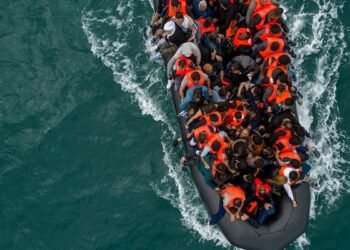 UK Unveils Fast-Track Deportation and Asylum Overhaul
 Trump Deploys DHS to Charlotte in Major Arrest Operation
 South Korea Gains US Support for Nuclear Submarine Programme
 December Run-Off in Chile as Election Produces No Winner
 UK Asylum Overhaul Sparks Debate Over Human Rights and Deportations
 Mahmood Defends Tough Overhaul of UK Asylum System
 Why India is Unlikely to Return Sheikh Hasina to Face Execution
 Westminster Advances Legacy Bill Amid Criticism
 Israeli Strike Kills 13 Near Palestinian Camp in Lebanon
 Federal Court Blocks Texas Republican Maps Over Racial Bias
 Shadow Fleet at Sea: Europe’s Battle Against Illicit Oil Shipping
 UK Vulnerable to Attack, Defence Committee Finds
 Bangladesh Families Call for Hasina’s Return and Execution
 Rama Rebukes Mahmood for Targeting Albanian Families
 Russian Vessel Used Lasers on RAF Pilots, UK Claims
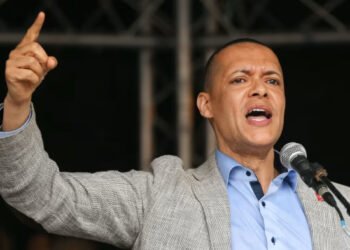 MP Offers Seat to Help Burnham Challenge Starmer
 Serial Rapist and Former Cop Found Guilty Again
 Two Officers Injured After Van Deliberately Rams Patrol Car
 Pentagon Officials in Ukraine to Discuss War End
 Trump Signs Bill Releasing Justice Department Files on Epstein
 WhatsApp Messages Expose Nathan Gill’s Bribery
 India’s COP30 Delay Raises Global Climate Concerns
 Venezuela Threatens Nobel Winner Machado with Fugitive Status
 Night Bus Crash in Cambodia Kills 16
 English Mayors Set to Introduce Tourist Taxes
 Runaway Driver Caught by DNA Evidence
 Trump Envoy to Discuss Ukraine Peace at Kremlin
 Teens Launch High Court Challenge to Australia’s Social Media Ban
 Millions Face Higher Taxes Under Reeves New Budget
 Planned Palestinian Flag Raising at Belfast City Hall Faces Delay Amid Legal Concerns
 Pope Leo XIV Begins Historic Trip to Turkey and Lebanon
 Zambia’s President Faces Stone-Throwing Anger Amid Challenges
 Georgians Defy Government Crackdown After Year of Protests
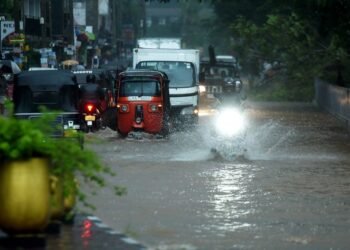 Sri Lanka Floods Leave 56 Dead, Dozens Missing
Trump to Recheck Green Cards from 19 Nations After DC Attack
Sri Lanka Floods Leave 56 Dead, Dozens Missing
Trump to Recheck Green Cards from 19 Nations After DC Attack
 Government righting decades-old injustice for miners
 Second homes curbs quashed in Gwynedd legal ruling
 Jordan Bardella: France’s Young Presidential Contender
 Maxwell withdraws from IPL 2026 after 13 seasons
 Republicans Hold Tennessee Seat Despite Democratic Surge