Published: 28 November 2025 Friday. The English Chronicle Desk. The English Chronicle Online
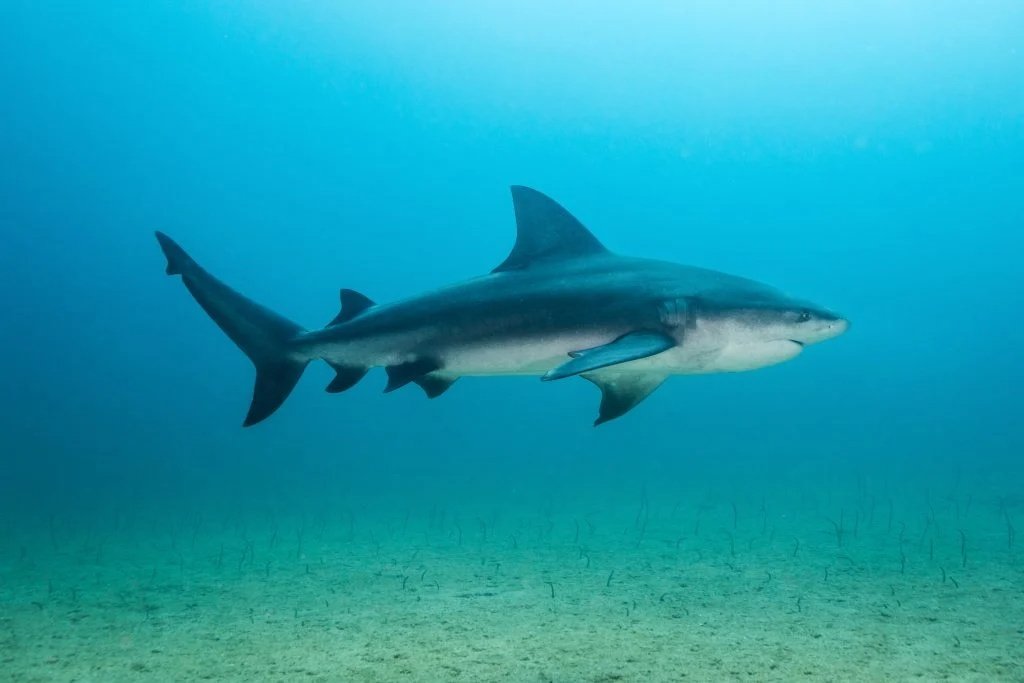
A woman has died and a man remains in serious condition after a rare double shark attack during an early morning swim at a remote beach on Australia’s east coast, an incident that marine experts have described as “highly unusual” and deeply alarming.
Authorities say the two victims, both European tourists in their 20s, were swimming together at Kylies Beach in Crowdy Bay National Park when the attack occurred shortly after 6:30am on Thursday. The quiet coastal stretch, located nearly 360km north of Sydney, is largely unpatrolled and known for its rugged beauty rather than large crowds.
Emergency services rushed to the scene after witnesses reported a shark had attacked two swimmers. Locals and fellow travellers attempted to pull the pair from the water and provided immediate assistance, but their efforts could not save the young woman, who died on the beach before paramedics could intervene. The man was treated for severe injuries, stabilised at the scene and airlifted to John Hunter Hospital in Newcastle. His condition later improved from critical to serious but stable.
New South Wales Police chief inspector Timothy Bayly confirmed that the pair “were known to each other” and had been swimming side by side when the incident unfolded. The victims’ identities have not been released, as officials are still in the process of notifying family members in Europe.

The attack has shaken the small communities that border this remote parkland, prompting authorities to close Kylies Beach and neighbouring beaches until further notice. In response to the incident, five SMART drumlines—baited devices designed to alert contractors when a shark is hooked so it can be tagged and safely released—were deployed in the area. Before the attack, the beach had no shark-monitoring systems, and listening stations located 20km and 40km away detected no shark activity on Thursday morning.
The remoteness of the location has added complexity to investigation and response efforts. Superintendent Joshua Smyth of NSW Ambulance praised the quick thinking of a bystander who applied pressure using clothing, helping to slow the man’s blood loss before paramedics arrived. “That early intervention undoubtedly made a difference,” he said.
Shark experts say that although shark attacks on humans are extremely rare, a single shark attacking two people in the same incident is rarer still. Gavin Naylor, director of the International Shark Attack File, told the Associated Press that while such events are not entirely unheard of, they remain exceptional. “Individual shark attacks are rare. And shark attacks on two people by the same individual are not unheard of, but it’s very rare,” he explained.

According to Naylor, the shark’s behaviour could be influenced by several factors, including prey availability, water conditions or even the animal’s age and feeding patterns. Some species, particularly younger sharks or those feeding opportunistically, may bite more than one target if they feel threatened or confused.
Marine ecologist Professor Rob Harcourt of Macquarie University offered additional insight, suggesting that a shark searching for food could bite multiple swimmers as a way to deter other animals—such as dolphins or competing sharks—from interfering. “It is quite unusual, but it’s not unheard of,” Harcourt said. “Sharks are responsive to their environment and, on rare occasions, may behave unpredictably.”
Authorities are now reviewing whether more surveillance or shark-detection infrastructure is necessary along this isolated stretch of coastline. The state’s shark management strategy currently focuses on more populated beaches, but Thursday’s attack has raised questions about whether remote areas require similar technology.
Surf Life Saving NSW issued a statement expressing condolences to the families of both victims and urging the public to avoid swimming in the area while drones and contractors continue to monitor the coastline. “This is a terrible tragedy and our deepest condolences go to the families of the woman and man involved,” said chief executive Steve Pearce.
“This area is so remote, there’s no lifeguarding services up there at all,” Pearce told radio station 2GB. “These incidents are horrific for everyone, and unfortunately, we’ve had a few this year already. We’re thinking of all of those people dealing with this at the moment.”
The incident marks Australia’s fifth fatal shark attack of the year, adding to growing concerns about changing shark activity along the nation’s coastline. Less than three months ago, 57-year-old surfer Mercury Psillakis was killed by a great white shark at Long Reef Beach in Sydney, prompting renewed calls for improved detection systems and environmental research.
While shark attacks remain extremely rare compared to the millions of visits to Australian beaches each year, marine researchers note that environmental factors—such as shifts in ocean temperature, changing fish migration patterns and increased human activity—may alter shark behaviour and presence in certain regions. However, experts caution against drawing broad conclusions from isolated events, noting that long-term scientific data is needed to understand trends.
Crowdy Bay National Park, known for its picturesque campgrounds, sweeping bushland and diverse wildlife, has rarely been associated with shark-related incidents. The park’s remoteness and natural beauty attract visitors seeking quiet escapes, not the sort of risk associated with busier surf beaches. Locals say that while sharks are known to inhabit nearby waters—as they do along much of Australia’s eastern coastline—encounters with humans are uncommon.

As authorities prepare a report for the coroner, police remain on-site gathering details from witnesses and examining the circumstances surrounding the attack. Meanwhile, the community is grappling with the shock of an event that unfolded in a place considered tranquil and largely untouched by such tragedies.
Marine experts continue to urge caution while emphasising that shark attacks, even multiple ones, are statistically rare. Swimmers are advised to avoid early morning and late afternoon swims in remote areas, particularly in murky water or near schools of bait fish—conditions known to attract certain shark species.
For now, Kylies Beach and surrounding stretches will remain closed until authorities deem it safe. Local businesses and tourism operators are offering support to those affected, and tributes are expected to be placed along the shoreline in honour of the young woman who lost her life.
As Australia heads into the summer months, beachgoers across the country are being reminded of the importance of adhering to safety warnings and staying informed about conditions. While the ocean offers beauty and freedom, the tragic events at Crowdy Bay serve as a sobering reminder of its unpredictability.
Related News:
 British Grandmother to Return Home After Death Sentence in Bali
 Thousands at Risk in Gaza Amid Winter Flooding
 South African Women Call Purple Protest Over Gender Violence
 Families wait in agony for missing after Hong Kong tower blaze
 New Zealand mother and young son endure harrowing US detention over visa confusion
 Mother dies after black market weight loss injection
 Peterborough Mosques Tighten Security After Attack
 Nearly 48,000 Zombie Knives Removed from UK Streets in a Year
 Prince Andrew Stripped of Title: Giuffre Family Hails Historic Moment
 Metal Detectors at Stations ‘Would Make Life Impossible,’ Says Minister
Trump Speaks on Prince Andrew’s Royal Scandal Fallout
Metal Detectors at Stations ‘Would Make Life Impossible,’ Says Minister
Trump Speaks on Prince Andrew’s Royal Scandal Fallout
 Pregnant UK Teen to Be Freed from Georgian Jail
 World Whisky Tour: 9 Global Gems
 Just Stop Oil Protesters Convicted Amid Climate Defence Row
 Parents Urge Home Office to Reunite Daughter After Hurricane
 Jailed UK climate protesters face extremist-style restrictions
 Bar Council urges legal aid for all domestic abuse family cases
 Second world war veterans honoured as King leads Remembrance Sunday
 How to get help when a child goes missing – call 999 urgently
 ‘Reckless’ cuts to victims’ services will cost more than they save
 Shook the ground under my feet: Panic as car blast hits near Delhi’s Red Fort
 Mali’s Daily Life Cripples Under Jihadists’ Fuel Blockade
 UK Faces Arctic Blast as Polar Vortex Disruption Brings Heavy Snow
 Judges to Decide Fate of Chief Constable Guilty of Contempt
 How age progression images help trace missing people
 New Epstein Files Spark Political Clash in Washington
 Sydney Pair Accused of Running Multimillion-Dollar Scam
 South Korea’s Jeju Island Faces Rising Tide of Illicit Drugs
 Ukraine Energy Corruption Scandal Hits Zelensky’s Inner Circle
 Oklahoma Governor Grants Last-Minute Clemency to Death Row Inmate
 Bataclan Anniversary: France Remembers but Jihadist Danger Lingers
 Israel Confirms Returned Hostage as Meny Godard
 Cold Snap Brings Snow Risk as Flood Recovery Continues
 Mother Watches in Horror as Teen Daughter Dies on Tracks
 Irish Hero Parrott Says Goal Brought First Tears in Years
 Snow and Ice Warnings Affect Scotland and Northern England
 Scotland Fans Reflect on France ’98 as World Cup Looms
 Convicted Killer Challenges Vegemite Ban Behind Bars
 Witnesses Recall Tragedy as Couple Die in Flood
 Mum and Three Children Killed in Jealous Ex’s Fire
 Commuters warned as yellow snow and ice alert hits Northern Ireland
 Arctic Blast Hits UK as Snow and Ice Warnings Trigger Travel Disruption
 Newport Man Left Injured After Electric Bike Collision
 Forgotten War, Shattered Lives: Sexual Violence Devastates Women in Ethiopia
 Teens ‘Ran Amok’ at Ex-MP’s Covid Testing Firm
 Snow and Ice Cause Travel Chaos in North Yorkshire
 Podcaster Faces Abuse Charges Over Controlling Behaviour
 Ethiopia Welcomes Historic Artefacts Returned from Germany
 Turkey to Host COP31 After Breakthrough Deal with Australia
 WhatsApp Messages Expose Nathan Gill’s Bribery
 UK Energy Bills to Rise Slightly in January
 Venezuela Threatens Nobel Winner Machado with Fugitive Status
 Trump Envoy to Discuss Ukraine Peace at Kremlin
 Twenty-Four Nigerian Schoolgirls Freed After Abduction
 Sudanese Family Vows to Stay After Racist Graffiti
 Two National Guard Soldiers Critically Injured Near White House
 Delhi’s Toxic Air Crisis Leaves Children Sick and Vulnerable
 Australia Launches Major Environmental Law Reforms
 Southern Lebanon reels as Israeli strikes shatter communities
 Sri Lanka Floods Leave 56 Dead, Dozens Missing
 Video shows Israeli troops kill Palestinians after surrender
 A Colourful Cultural Escape in Mexico’s Querétaro
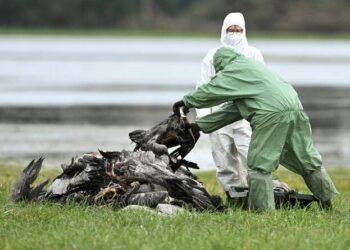 Europe, North America face early wave of bird flu
 Tokyo court rules Japan’s same-sex marriage ban constitutional
 UK Criticises Gaza Aid Delays as Tents Arrive After Year
 Delhi’s Toxic Air Drives Spike in Respiratory Illnesses
 Massive London Poundland Fire Engulfs High Street
 Army Officers Orders to Cut Ties with Men-Only Clubs
 UK Bans Fake Numbers: Scammers Lose Their Trick
 BBC to Apologise Over Edited Trump Speech Amid Backlash
 Reeves rejects £1bn plea for NHS redundancy payouts
 PM Condemns Leaks, Vows Loyalty to Ministers and Stability
 Greene Pushes Epstein Files Amid Trump Fallout
 Zelenskyy Signs Fighter Jet Deal Amid Russian Drone Attacks
 Shadow Fleet at Sea: Europe’s Battle Against Illicit Oil Shipping
 Director Michael Caton-Jones Reflects on Career and Beginnings
 Inside the Helpline Protecting Missing Children in the UK
 US Suspends Afghan Immigration After White House Shooting
 Five-Year-Old Dies After Rare Tonsil Surgery Complication
 Virgin Media Fined £23.8m Over Telecare Safety Failures