Published: 28 November 2025 Friday. The English Chronicle Desk. The English Chronicle Online
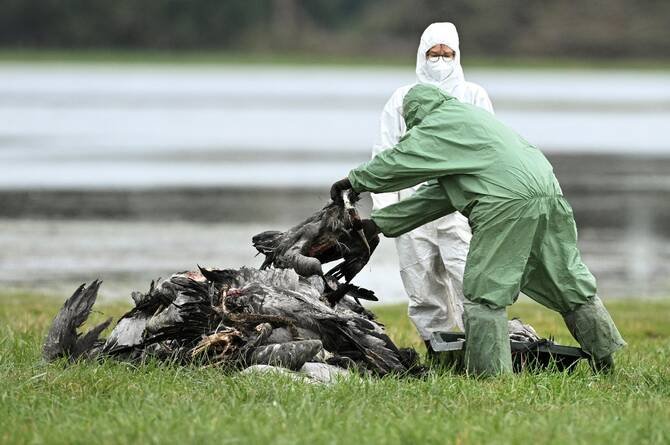
An unusually early outbreak of bird flu is affecting large numbers of wild birds and poultry farms across Europe and North America, raising fears of a repeat of past crises that triggered mass culling and food price spikes.
The highly pathogenic avian influenza, commonly known as bird flu, has previously led to the culling of hundreds of millions of farmed birds, disrupting food supplies and driving up prices. Human infections remain rare.
Typically, outbreaks spike in the northern hemisphere autumn as migratory birds fly south. However, this season, cases appeared earlier and in larger numbers, affecting both wild birds and poultry.
In the United States, 107 outbreaks were reported by November 18, nearly four times last year’s total. Minnesota, the nation’s largest turkey-producing state, confirmed its first case two months earlier than in 2022. “It’s certainly more than we’ve seen over the last few winter-fall migratory bird seasons,” said Tim Boring, director of Michigan’s Department of Agriculture and Rural Development.

Since September, the U.S. has culled about 8 million birds, a slight increase from last year. Canada, with a smaller poultry flock, has also culled nearly 8 million birds. Canadian Agriculture Minister Heath MacDonald described the situation as “very worrisome,” noting that wild birds appear to be carrying more of the disease.
The World Organisation for Animal Health (WOAH) described the early outbreaks as concerning but not alarming. “There should not be a public health alarm. An increase in number of cases could have different explanations. What we need to observe is the actual virus itself,” said Gregorio Torres, head of WOAH’s scientific department.

In Europe, outbreaks have also been more severe than last year, with Germany reporting its highest number in three years. Between early September and mid-November, 1,443 cases of bird flu were detected in wild birds across 26 European countries—a fourfold increase compared with the same period in 2024, the European Food Safety Authority (EFSA) said.
French health agency ANSES noted that contamination is occurring earlier among wild birds, particularly common cranes, which migrate earlier than ducks, geese, and swans. The virus is spreading from northeast to southwest Europe, causing high fatalities in Germany and France.
Experts warn that while human infections are rare, the outbreak poses major challenges for poultry farmers and food supply chains. Authorities are closely monitoring the virus and taking precautionary measures to mitigate its impact on agriculture and commerce.
Related News:
 The diet that can significantly ease symptoms of IBS
 World Whisky Tour: 9 Global Gems
 A Colourful Cultural Escape in Mexico’s Querétaro
 Costa Blanca Holiday Horror as Food Poisoning Outbreak Hits Four-Star Hotel
 Council Proposes Limits on Ice Cream Van Music and Parking in South Cambridgeshire
 First Group of Children from Gaza Arrive in UK for Life-Saving NHS Treatment
 Global Study Reveals Violence in GP Surgeries Linked to Long Waiting Times and Drug Refusals
 M&S and Morrisons Lead Christmas Supermarket Taste Test
 Mother dies after black market weight loss injection
 Young Woman Missed 13 Times by GPs Before Bowel Cancer Diagnosis
 Hospice Cuts Raise Alarm Across England Amid Funding Crisis
 150-Year-Old Arctic Beer to Be Reborn in Scotland
 Experts Warn on Home Birth Risks, Call for Skilled Midwives
 Oprah enjoys Meghan’s jam on English muffins
 Experts Urge Legal Right to Timely Cancer Care
 British Grandmother to Return Home After Death Sentence in Bali
 NHS Takes Over Nuffield Hospital in ‘Windfall’ for London Care
 Parents Urge Home Office to Reunite Daughter After Hurricane
 North Sea oil workers must lose weight or face job loss
 Crisis charity to become landlord amid UK housing emergency
 No link found between paracetamol in pregnancy and autism
 Second world war veterans honoured as King leads Remembrance Sunday
 NHS frontline staff forced to cover gaps as managers remain scarce
 Mali’s Daily Life Cripples Under Jihadists’ Fuel Blockade
 Seven Conditions That Automatically Qualify You for a Free Bus Pass
 Understanding Missing Children: Facts vs. Myths
 UK Disability Pay Gap Means Millions Work for Free From Today
 Shouting Works Best to Deter Gulls, UK Study Finds
 Reeves rejects £1bn plea for NHS redundancy payouts
 NHS trust fined after woman takes life in mental health unit
 Leading doctors issue warning amid ‘bad’ flu season
 New Research Explains Severe Diabetes in Children
 Working-Class Men with Prostate Cancer Left Behind by NHS
 Senator John Fetterman Hospitalized After Fall from Heart Flare-Up, Keeps Sense of Humor
 Bataclan Anniversary: France Remembers but Jihadist Danger Lingers
 New Campaign Trains Vets to Spot Farmers’ Health Risks
 Irish Hero Parrott Says Goal Brought First Tears in Years
 107-Year-Old Veteran Credits Whiskey for Longevity
 Scotland Fans Reflect on France ’98 as World Cup Looms
 Thousands at Risk in Gaza Amid Winter Flooding
 Nestle Criticised for Adding Sugar to Baby Food in Developing Nations
 Stop Phone Habits From Sabotaging Your Relationships
 ‘Traumatic Wait’: Northern Ireland Women Face Breast Cancer Delays
 Forgotten War, Shattered Lives: Sexual Violence Devastates Women in Ethiopia
 Healthy Habits in Your 30s That Boost Life in Your 70s
 Woman Meets Boy Whose Life She Saved with Kidney
 Scottish Farmer Keeps Calves with Mothers for Six Months
 Covid Doctor’s Emotional Farewell Letter to Family
 Ethiopia Welcomes Historic Artefacts Returned from Germany
 South African Women Call Purple Protest Over Gender Violence
 Coffins Now Too Large to Cremate Amid Rising Obesity Crisis
 Chef Skye Gyngell, Slow Food Pioneer, Dies Aged 62
 David Cameron Reveals Prostate Cancer Diagnosis, Advocates Screening
 11 Best Supermarket Wines Chosen by Experts and Sommeliers
 Vicki Fears Losing Motability Car
 Farmer Survives Quad-Bike Accident “Bent in Half Like a Taco”
 Delhi’s Toxic Air Crisis Leaves Children Sick and Vulnerable
 Families wait in agony for missing after Hong Kong tower blaze
 Five-Year-Old Dies After Rare Tonsil Surgery Complication
 Fibromyalgia Patients Struggle as NHS Fails to Provide Care
 Rare shark attack kills woman, injures man at remote NSW beach
 Tokyo court rules Japan’s same-sex marriage ban constitutional
 UK Criticises Gaza Aid Delays as Tents Arrive After Year
 Delhi’s Toxic Air Drives Spike in Respiratory Illnesses
 More Patients Now Contacting GPs Online, Data Shows
 7 Travel Trends Set to Shape 2026 Adventures
 The Ketamine Crisis in the UK is a Silent Epidemic Leaving Users with Lifelong Pain
 One in Three GPs in England Do Not Work in NHS, Raising Concerns Over Access to Care
 Army Officers Orders to Cut Ties with Men-Only Clubs
 Patients to Test Health at Home to Ease NHS Winter Pressure
 BBC to Apologise Over Edited Trump Speech Amid Backlash
 PM Condemns Leaks, Vows Loyalty to Ministers and Stability
 Greene Pushes Epstein Files Amid Trump Fallout
 Zelenskyy Signs Fighter Jet Deal Amid Russian Drone Attacks
 Shadow Fleet at Sea: Europe’s Battle Against Illicit Oil Shipping
 Snow and Ice Cause Travel Chaos in North Yorkshire
 Director Michael Caton-Jones Reflects on Career and Beginnings
 Inside the Helpline Protecting Missing Children in the UK
 US Suspends Afghan Immigration After White House Shooting
 Virgin Media Fined £23.8m Over Telecare Safety Failures