Published: 03 December 2025. The English Chronicle Desk. The English Chronicle Online.
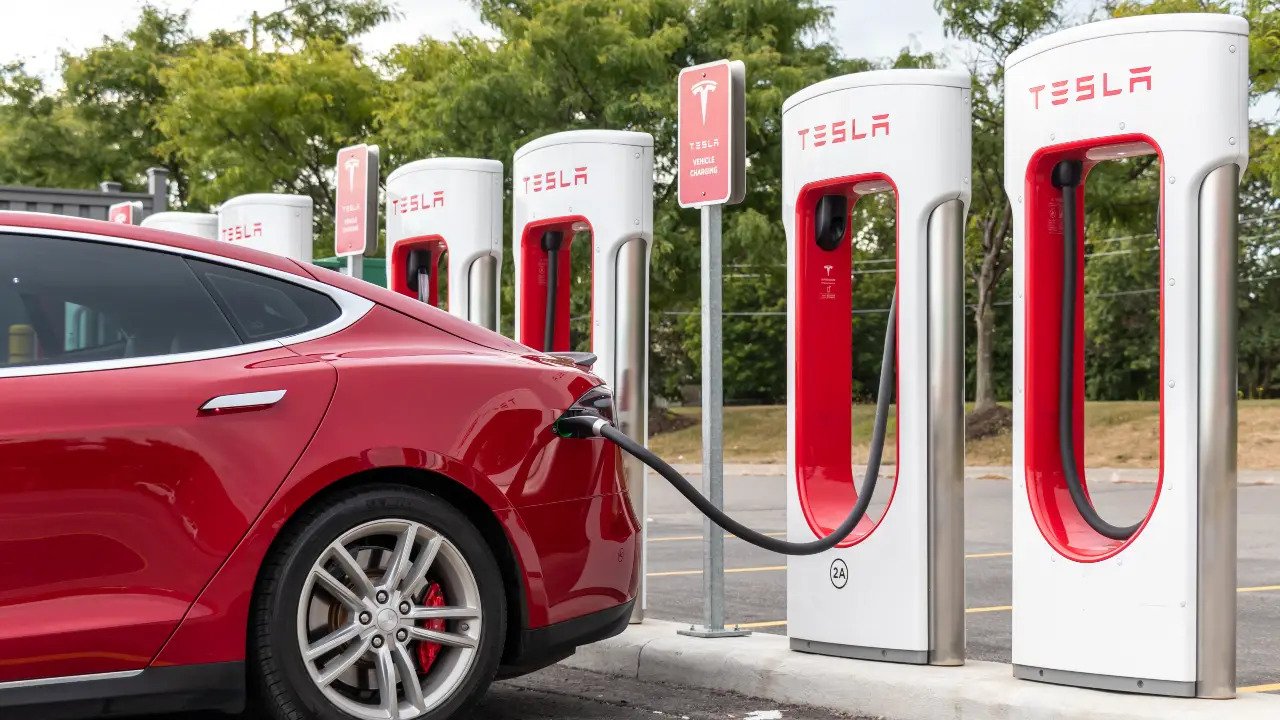
Tesla has privately warned the UK government that weakening electric vehicle rules could harm future sales. Documents obtained by the Fast Charge newsletter show that the US carmaker emphasized risks to the country’s carbon dioxide reduction targets. Elon Musk’s company submitted concerns to a government consultation earlier this year, highlighting potential market and environmental impacts. Tesla also requested additional measures to support the used-car electric vehicle market, according to the submissions. The warning reflects the tension between government policies, automaker interests, and the accelerating transition toward zero-emission transport solutions. Officials have not publicly confirmed the details, although the documents reveal the company’s serious apprehension regarding weakening the zero-emission vehicle mandate.
The Labour government alarmed some manufacturers in April by allowing changes to the existing zero-emission vehicle, or ZEV, rules. This mandate requires automakers to steadily increase electric vehicle sales each year to meet climate targets. However, the introduction of new loopholes permits carmakers to sell more petrol and diesel models, potentially undermining the policy’s effectiveness. Tesla argued that such “flexibilities” could suppress battery electric vehicle supply, reduce environmental benefits, and jeopardize the UK’s climate commitments. The carmaker stressed that maintaining stringent requirements is essential for continued growth in electric vehicle adoption across the country. The warning highlights the delicate balance policymakers face between supporting industry and achieving national carbon reduction goals.

Recent budget changes have added further complexity, critics say, including the imposition of new taxes on electric vehicles. These taxes could dampen consumer demand at a time when the government simultaneously seeks to encourage EV adoption. Chancellor Rachel Reeves announced a “pay-per-mile” charge for electric cars starting in 2028, which some analysts believe may reduce their competitiveness compared to petrol and diesel alternatives. Meanwhile, Reeves confirmed the extension of grants for new electric vehicles, which has been welcomed by the industry. Tesla and other manufacturers have expressed concerns that conflicting policy signals may hinder investments and slow the transition toward a greener transport sector.
Several other carmakers, including BMW, Jaguar Land Rover, Nissan, and Toyota, submitted responses to the consultation highlighting challenges posed by the mandate. Companies with UK production facilities claimed that selling electric vehicles at a loss makes it difficult to maintain investments in technology and infrastructure. However, environmental advocates and brands focused on electric vehicle production insist the rules are achieving their intended purpose. No penalties were imposed on carmakers in 2024 for failing to meet EV sales targets. Tesla, in contrast, emphasized the urgency of avoiding new loopholes to ensure consistent growth of battery electric vehicles across all market segments.

Tesla also urged that plug-in hybrid electric vehicles with battery-only ranges of less than 100 miles should be banned after 2030. The company argued that this limitation would encourage the production of more capable electric vehicles and reduce reliance on petrol engines. By advocating stricter standards, Tesla seeks to secure a competitive advantage while promoting cleaner technologies. The carmaker’s submissions underline the importance of long-term clarity in policy to foster continued innovation and investment. Without strong regulations, the risk of slower adoption and missed climate targets grows significantly. Tesla’s position underscores its commitment to accelerating the transition to a fully electric fleet worldwide.
Ford and Mercedes-Benz also engaged with the consultation, but they focused on opposing stricter requirements beyond 2030. Both companies argued that tighter rules could force them to reduce average carbon dioxide emissions faster, limiting flexibility to sell more polluting vehicles. Ford criticised European governments for scaling back support for electric vehicle adoption, claiming policymakers failed to provide a consistent framework across jurisdictions. Mercedes-Benz suggested reducing VAT on public charging from 20% to 5% to align costs with home electricity prices. They also proposed considering a price cap on public charging rates to encourage uptake. These positions reflect differing priorities among global automakers while navigating the evolving EV policy landscape in the UK.
The threat from international competition was another concern raised by Tesla, which highlighted Chinese manufacturers as a challenge. Chinese carmakers, benefiting from lower production costs and no UK manufacturing footprint, could undercut prices of British and European-produced electric vehicles. Tesla warned that without strong domestic support, UK EV producers could lose market share to lower-cost international competitors. The combination of market pressures, policy changes, and competitive threats illustrates the complex environment carmakers face. Tesla’s submissions argue that a clear and consistent approach is necessary to ensure the UK remains a leader in electric vehicle adoption. Uncertainty in regulations risks slowing the transition and discouraging investment in EV infrastructure.
The documents were obtained through a freedom of information request, with Tesla, Ford, and Mercedes-Benz initially objecting to their release. Some pages were heavily redacted, leaving only partial details visible, including Tesla’s request for additional support for the used-car market. Tesla has declined to clarify whether this would include government grants or other financial incentives. The submissions underscore the company’s strategic approach, aiming to balance environmental objectives with commercial viability. By advocating specific policy measures, Tesla demonstrates the close relationship between regulation, market performance, and long-term climate commitments.
Experts like Tom Riley of Fast Charge have observed that recent policy decisions appear contradictory, sending mixed signals to manufacturers and consumers. He described the budget as “pulling the EV transition in two directions simultaneously,” potentially undermining both environmental goals and industry stability. Riley suggested that carmakers pushing for a softer mandate may see government decisions complicate their strategies. The interplay between regulation, taxation, and market incentives is critical for shaping the future of electric vehicle adoption in the UK. Tesla’s warnings highlight how essential clear, long-term policies are to achieving ambitious carbon reduction targets while sustaining growth in the EV sector.
The consultation responses, combined with Tesla’s warnings, reinforce the ongoing global dialogue about sustainable transport. They show the challenges of balancing national climate goals with industry growth and international competitiveness. The UK faces pressure to maintain strong EV rules while addressing market realities, consumer affordability, and infrastructure development. Tesla’s advocacy demonstrates the strategic role automakers play in shaping policy and influencing public debates. As the EV market evolves, manufacturers, policymakers, and consumers will continue navigating a complex landscape that requires careful coordination and foresight.
Tesla, Ford, and Mercedes-Benz have declined further public comment. Observers anticipate that future policy decisions will heavily influence investment strategies, product development, and market competitiveness in the UK. With ongoing discussions about grants, taxes, and regulatory flexibility, the industry is poised for continued scrutiny. Strong and predictable regulations remain crucial for achieving climate commitments while encouraging innovation. Tesla’s warnings highlight how policy uncertainty can affect domestic production, international competitiveness, and environmental outcomes. Continued attention to EV regulations will shape the UK’s role as a leader in the electric vehicle transition.
Related News:
 Aston Martin cuts £300m investment as Trump tariffs and weak China demand hit profits.
 Troubled drinks giant Diageo names former Tesco boss to lead turnaround push
 UK Small Business Owner to Challenge L’Oréal in Tribunal
 US private equity set to acquire UK online retailer Very Group
 Taylor Wimpey Sales Drop Amid Budget Uncertainty
 Global markets drop amid tech sell-off and China slowdown
 Netherlands Suspends Nexperia Takeover Amid China Talks
 Black Friday Footfall Falls as UK Shoppers Hold Back Amid Economic Concerns
 Rising Water Bills Lift Troubled Thames Back to Profit
 Prada buys Versace for $1.38bn, expanding luxury fashion empire
 Shein UK Faces Allegations of Shifting Majority of Profits to Singapore to Reduce UK Tax
Business Rates Hike Could Threaten Hundreds of UK Retailers, Putting 100,000 Jobs at Risk
Shein UK Faces Allegations of Shifting Majority of Profits to Singapore to Reduce UK Tax
Business Rates Hike Could Threaten Hundreds of UK Retailers, Putting 100,000 Jobs at Risk
 Rachel Reeves Hosts Top UK and US Financial Executives as Trump’s State Visit Begins
 UK Inflation Holds Steady at 3.8% as Rising Fuel Costs Offset Falling Air Fares
 UK Borrowing Surges to £18bn in August, Exceeding Forecasts
 GSK Chief Executive Emma Walmsley to Step Down After Eight Years at the Helm
 Richard Desmond Begins High Court Battle Over National Lottery Licence
 UK inflation update: New rate expected as Budget approaches
 Co-op Urged Staff to Promote Vapes After Cyber-Attack Hit Sales
 Rachel Reeves to lead UK trade push in Saudi Arabia amid rights debate
 Nvidia Secures Major AI Chip Deals with South Korean Tech Giants
 Ryanair Chief UK Economy ‘Doomed’ Under Labour
 Court Hears Challenge Over Water Bills Funding Sewage Fixes
 Thinktanks Urge Rachel Reeves to Reform UK Tax System
 Gopichand Hinduja, UK’s Wealthiest Business Leader, Dies
 M&S Profits More Than Halve After Cyber-Attack
 Tony Blair think tank warns Rachel Reeves must cut taxes if manifesto broken
MPs Press Rachel Reeves to Hike Gambling Taxes
Tony Blair think tank warns Rachel Reeves must cut taxes if manifesto broken
MPs Press Rachel Reeves to Hike Gambling Taxes
 Warning as Britons prepare to spend £4 billion this Black Friday
 Skims Eyes Global Expansion After Reaching $5 Billion Value
 US Strikes Last Penny After 230 Years of Production
 Nvidia Soars as Blockbuster Earnings Silence AI Bubble Fears
 Eurotunnel Investment Halted as UK Rates Soar
 Mossmorran Plant Closure Hits Cowdenbeath Hard
 UK Energy Bills to Rise Slightly in January
 UK Government Borrowing Higher Than Expected
 Minister Denies Budget Leaks Have Harmed UK Economy
 Budget 2025: Reeves Drops Economic Growth Reference
 Expanded Version – Black Friday Shoppers Warned Over ‘Dud Deals’
 Market Jitters Send Stocks Lower as Trade Tensions and Earnings Anxiety Weigh on Investors
 UK Inflation Climbs to 3.6% as Food and Fuel Prices Squeeze Households
 Grocery Inflation Surges to 18-Month High in UK, Intensifying Pressure on Households
 Non-Dom Tax Crackdown Risks Backfiring as Exodus Threatens UK Revenue and Investment
 UK Jobs Market Faces Strain as Employers Cut Bonuses and Hiring Amid Economic Slowdown
 China’s crackdown on civil servant perks sparks economic concerns
Inflation Latest: Cost of Living Expected to Rise Again in Key Figures Released Today
Retail Sales See Uptick Amid Errors and Delays as ONS Faces Scrutiny
China’s crackdown on civil servant perks sparks economic concerns
Inflation Latest: Cost of Living Expected to Rise Again in Key Figures Released Today
Retail Sales See Uptick Amid Errors and Delays as ONS Faces Scrutiny
 UK House Prices Hit Record £299,331 as Market Shows Steady Growth
 UK Retail Sales Rise in August, but Tax Concerns Loom Over Festive Period
 Vodafone Faces Fourth Probe into Franchising Division Amid £120m Legal Battle
 Merck Abandons £1bn London Research Hub and Cuts 125 Jobs in Blow to UK Life Sciences
 UK Economy Flatlines in July, Raising Pressure on Rachel Reeves Ahead of Autumn Budget
 UK Labour Market Shows Signs of Cooling as Wage Growth Slows and Redundancies Rise
 UK Wage Growth Remains High, But Cost of Living Pressures Bite
 Dagenham Left in Limbo After Smithfield and Billingsgate Market Relocation Cancelled
 Vodafone Franchisees Sound Alarm: Mental Health Toll of Commission Cuts Revealed Years Before £120m Court Battle
 Public Skepticism Over AI Poses Challenge to UK’s Superpower Ambitions, Says Tony Blair Institute
 Gatwick Secures Approval for £2.2bn Second Runway Expansion
 AstraZeneca to List on New York Stock Exchange While Retaining London Ties
Retailers Warn Tax Rises Could Prolong Inflation as Shop Prices Climb
UK Housing Market Returns to Growth Amid Signs of Stability and Regional Variation
AstraZeneca to List on New York Stock Exchange While Retaining London Ties
Retailers Warn Tax Rises Could Prolong Inflation as Shop Prices Climb
UK Housing Market Returns to Growth Amid Signs of Stability and Regional Variation
 Delivery Apps Could Double the Cost of Your Groceries, Warns Consumer Watchdog
 Kemi Badenoch Unveils ‘Golden Rule’ to Halve Spending Cuts for Deficit Reduction at Tory Conference
 Real living wage set to rise nearly 7% for UK workers in 2026
 Virgin Trains Moves Closer to Challenging Eurostar Monopoly
 Trump’s UK Ambassador Urges North Sea Drilling to Strengthen US Ties
 Millions of Brits Adjust Lifestyle to Afford Essentials
 ABF May Split Primark from Food Division Amid Tough Market
Rachel Reeves Set to Break Labour Pledge and Raise Income Tax
ABF May Split Primark from Food Division Amid Tough Market
Rachel Reeves Set to Break Labour Pledge and Raise Income Tax
 UPS Cargo Plane Crash in Kentucky Kills Seven
 Millionaires group urge Reeves to introduce wealth tax to ‘lift kids out of poverty’
 Trump Moves to Cut Coffee and Banana Tariffs in Latin America Deals
 Reeves’s Tax U-Turn Triggers Fresh Jitters in UK Markets
 Japan Tourism Stocks Slide Amid China-Taiwan Row
 UK Rejects Funding to Save Mossmorran Plant
 PM Highlights UK Business at G20 in South Africa
 Steel billionaire Lakshmi Mittal reportedly leaves UK
 India’s Labour Law Overhaul Sparks Fierce Debate
 EU reviews Apple Ads and Maps under strict digital rules
 Starmer Says Labour’s Economic Plan Needs Years to Deliver