Published: 05 December 2025. The English Chronicle Desk. The English Chronicle Online
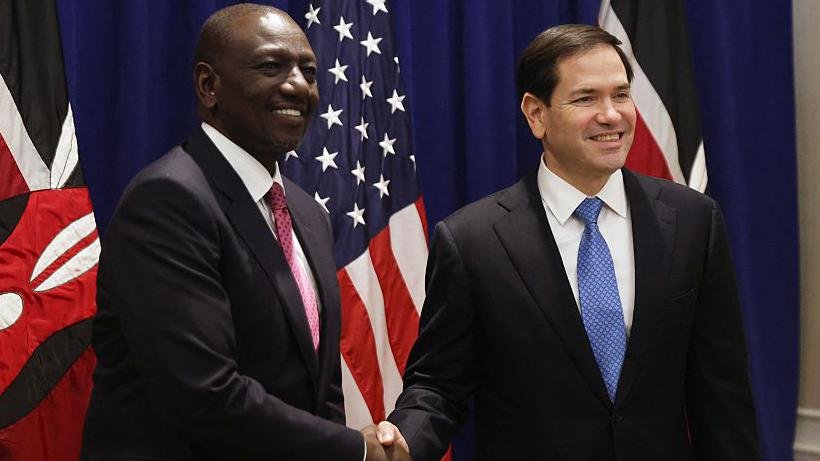
Kenya has signed a landmark five-year health agreement with the United States, marking the first such pact since Donald Trump’s administration overhauled its foreign aid programme. Valued at $2.5bn (£1.9bn), the agreement is aimed at combating infectious diseases in Kenya, with similar deals expected to extend to other African nations aligned with the former president’s broader foreign policy objectives.
The government-to-government agreement is designed to enhance transparency and accountability in healthcare delivery. However, it has raised concerns that the US could gain real-time access to critical health databases, potentially including sensitive patient information. Kenya’s Health Minister Aden Duale sought to reassure the public, clarifying that “only de-identified, aggregated data” would be shared.

When Trump took office in January, he implemented a freeze on foreign aid, dismantled the US Agency for International Development (USAID), and cut billions in aid to developing countries. These measures significantly reduced the availability of essential drugs and healthcare support in many nations.
In September, the Trump administration introduced an “America First Global Health Strategy,” tying foreign aid to negotiations designed to eliminate waste and advance US priorities. Analysts suggest the Kenya deal is part of this broader strategy, reflecting an effort to strengthen US influence in African health initiatives while prioritizing oversight and efficiency.
While the deal promises substantial health benefits for Kenya, it has sparked debate about data security and national sovereignty. Critics warn that even aggregated datasets could potentially be used to monitor trends or make policy decisions impacting local healthcare systems. Supporters, however, argue that the funds and technical expertise provided by the US could help Kenya strengthen its health infrastructure, particularly in combating infectious diseases that remain a significant public health challenge.

The five-year programme is expected to finance the procurement of vaccines, the expansion of diagnostic facilities, and improved disease surveillance networks. It will also support training for healthcare workers and strengthen laboratory systems, aiming to enhance Kenya’s capacity to respond to outbreaks.
This historic agreement represents a delicate balance between receiving vital international support and safeguarding the privacy and autonomy of national health data. As Kenya navigates this new partnership, stakeholders will be closely monitoring its implementation to ensure that public health objectives are met without compromising sensitive information.
Related News:
 Hospice Cuts Raise Alarm Across England Amid Funding Crisis
 Seven Conditions That Automatically Qualify You for a Free Bus Pass
 Shouting Works Best to Deter Gulls, UK Study Finds
 Stroke Patient Mistaken for Drunk, Care Delayed
 Woman Meets Boy Whose Life She Saved with Kidney
 Covid Doctor’s Emotional Farewell Letter to Family
 Scottish Families Take Legal Action Over School CO Leak
 Inquiry Opens Into Disgraced Surgeon Eljamel Scandal
 Vicki Fears Losing Motability Car
 Five-Year-Old Dies After Rare Tonsil Surgery Complication
 More Patients Now Contacting GPs Online, Data Shows
 NHS Resident Doctors Vote for Strike Action Amid Escalating Pay Dispute
 Costa Blanca Holiday Horror as Food Poisoning Outbreak Hits Four-Star Hotel
 Women Challenge Meta Over Targeted Ads After Miscarriage
 Sir Michael Caine Urges Starmer to End Smacking in England
 Celebrities and Charities Demand UK Government Act on Child Poverty
 Patients to Test Health at Home to Ease NHS Winter Pressure
 London’s Childlessness Crisis: Schools Closing as Families Shrink
 Britain deploys RAF specialists to assist Belgium with drone threats
 US Senate Passes Funding Bill to End Historic Shutdown
 From Lego to Pokémon: How Adults Are Driving UK Toy Market Growth
 Mary Earps’s Manchester United Return Faces Mixed Reception
 Sam Kerr Stars in Chelsea Return with Champions League Double
 Reeves rejects £1bn plea for NHS redundancy payouts
 PM Condemns Leaks, Vows Loyalty to Ministers and Stability
 Son Reveals UK Couple in Iran Resort to Hunger Strike for Help
 TalkTV Fires Mike Graham Over Racist Facebook Post
 Hitler’s DNA Confirms He Truly Had Only One Testicle
 Working-Class Men with Prostate Cancer Left Behind by NHS
 Senator John Fetterman Hospitalized After Fall from Heart Flare-Up, Keeps Sense of Humor
 US Justice Department Files Lawsuit Against California Over Partisan Voting Maps
 Saka Solidifies Role as Tuchel’s Key England Lieutenant
 Former Lion Heskey Warns of Shortage of England Strikers
 New AI tool could cut wasted efforts in organ transplants
 December Run-Off in Chile as Election Produces No Winner
 How Cultures Interpreted the Aurora Through History
 Zelenskyy Signs Fighter Jet Deal Amid Russian Drone Attacks
 Orban Says Ukraine Has ‘No Chance’ as EU Support Continues
 Mother Watches in Horror as Teen Daughter Dies on Tracks
 Seven Countries, One Winner: Europe’s Best Christmas Market
 Van Dwellers Face Eviction After Park Misuse Sparks Outcry
 Israeli Strike Kills 13 Near Palestinian Camp in Lebanon
 Zelensky Meets US Envoy in Turkey to Push Ukraine Peace Talks
 Shadow Fleet at Sea: Europe’s Battle Against Illicit Oil Shipping
 ‘Traumatic Wait’: Northern Ireland Women Face Breast Cancer Delays
 Commuters warned as yellow snow and ice alert hits Northern Ireland
 Haiti Qualifies for World Cup Despite Coach Never Visiting Country
 US Judge Says Meta Did Not Hold Illegal Social Media Monopoly
 Deadly Russian Strikes Hit Western Ukraine, 20 Killed in Ternopil
 Healthy Habits in Your 30s That Boost Life in Your 70s
 Snow and Ice Cause Travel Chaos in North Yorkshire
 Serial Rapist and Former Cop Found Guilty Again
 Pentagon Officials in Ukraine to Discuss War End
 Ex-Harvard President Pauses Teaching Over Epstein Emails
 Ukraine Peace Plan: Zelensky Ready for Dialogue
 Vietnam Battles Deadly Floods as Rains Continue
 Director Michael Caton-Jones Reflects on Career and Beginnings
 Venezuela Threatens Nobel Winner Machado with Fugitive Status
 At Least Three Dead in Bangladesh Earthquake
 Coffins Now Too Large to Cremate Amid Rising Obesity Crisis
 Runaway Driver Caught by DNA Evidence
 Israel Confirms Hamas Returned Dror Or’s Body
 Millions Face Higher Taxes Under Reeves New Budget
 US Suspends Afghan Immigration After White House Shooting
 Two National Guard Soldiers Critically Injured Near White House
 Delhi’s Toxic Air Crisis Leaves Children Sick and Vulnerable
 Georgians Defy Government Crackdown After Year of Protests
 Mbappe Scores 4 as Real Madrid Edge Olympiakos
 US National Guard Member Killed in DC Shooting
 Sri Lanka Floods Leave 56 Dead, Dozens Missing
 Fibromyalgia Patients Struggle as NHS Fails to Provide Care
 Scotland Gains 33 New Towns – Life in Growing Communities
 ICC to Rule on Duterte’s Provisional Release
 Jordan Bardella: France’s Young Presidential Contender
 AI Actress Creator Says Tilly Norwood Won’t Replace Actors
 Search underway for British man overboard off Tenerife
 Pavarotti statue frozen in Italian ice rink sparks backlash
 Barcelona, Atletico set for decisive La Liga showdown
 EU plans $105bn Ukraine aid using frozen Russian assets
 Global campaign launched to free Palestinian leader Barghouti