Published: 19 December 2025. The English Chronicle Desk. The English Chronicle Online.
The UK government borrowed more than financial markets expected in November, highlighting renewed pressure on the public finances during a sensitive period for the economy. Official data released by the Office for National Statistics revealed that public sector net borrowing reached £11.7 billion last month, exceeding City forecasts and underscoring the fragile balance facing the Treasury ahead of the chancellor’s autumn budget decisions.

Although the November figure was £1.9 billion lower than in the same month a year earlier, economists noted that the outcome still exceeded expectations. Forecasts compiled by the City had pointed to borrowing closer to £10 billion, reflecting hopes that stronger tax receipts would offer greater relief. Instead, the figures reinforced concerns that underlying fiscal pressures remain persistent despite short-term improvements.
The ONS described November’s borrowing as the lowest for that month in four years, a point officials emphasised to underline some improvement in the near-term picture. Tom Davies, a senior statistician at the ONS, said the reduction compared with last year largely reflected higher receipts from taxes and national insurance contributions. He stressed, however, that the broader picture across the financial year remained less reassuring, with borrowing still running ahead of last year’s pace.
By the end of November, borrowing for the financial year had reached £132.3 billion. That total stands £10 billion higher than the same eight-month period in 2024 and represents the second-highest level on record for this point in the year, surpassed only during 2020 at the height of the Covid pandemic. The comparison has fuelled debate over how resilient the UK’s fiscal position truly is as economic growth weakens.
The timing of the data release added to its impact. It came just a day after the Bank of England announced another interest rate cut, the sixth since August last year. The move was intended to ease pressure on households and businesses before Christmas, offering modest relief to borrowers after a prolonged period of high rates. While the cut was welcomed by many, economists cautioned that lower rates alone cannot offset structural challenges facing the economy.
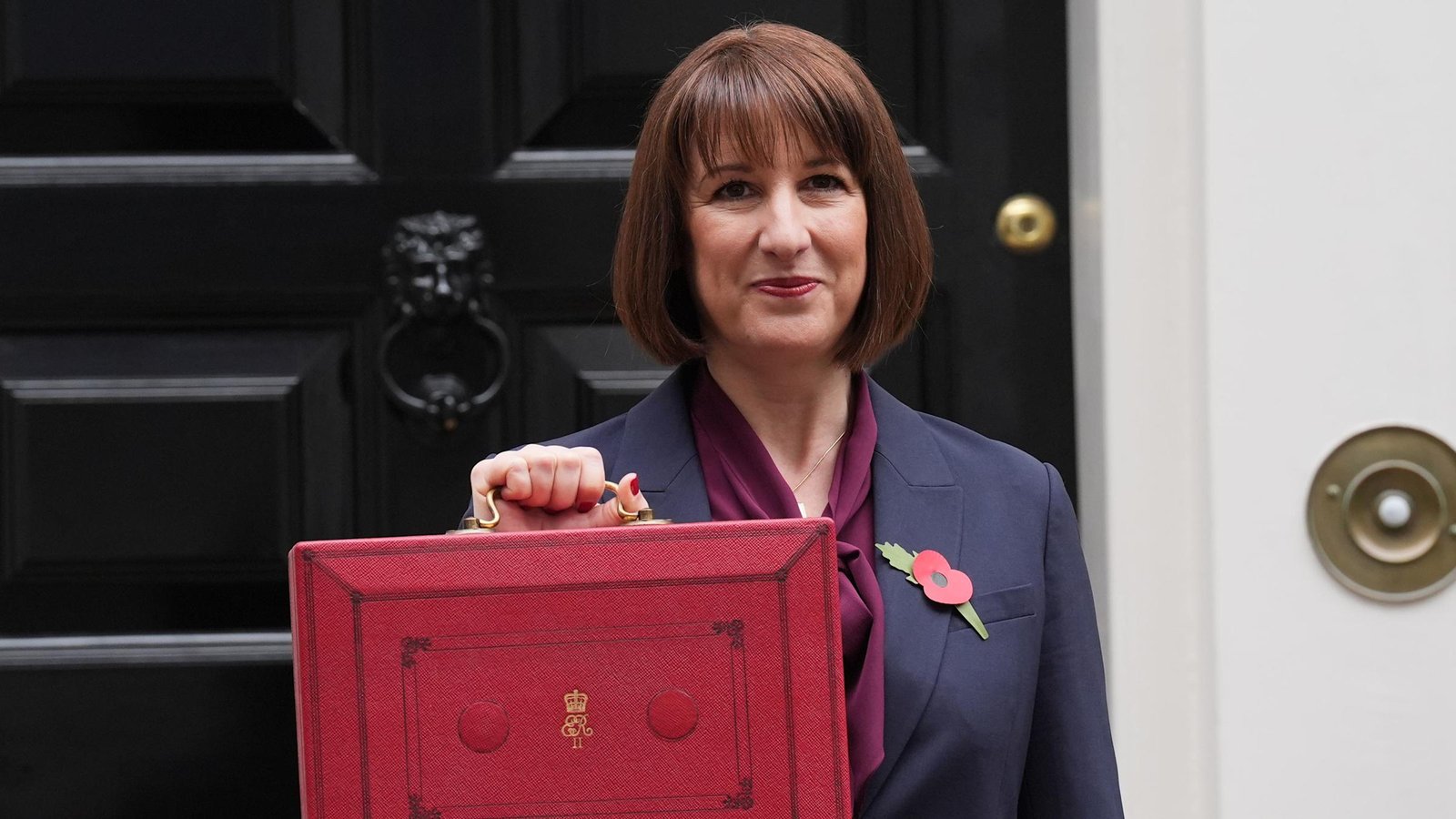
Economic activity slowed markedly in the weeks leading up to Chancellor Rachel Reeves’s budget on 26 November. Speculation over potential tax rises and spending decisions weighed on consumer confidence and business investment, leading many firms to delay decisions. Official figures confirmed that gross domestic product unexpectedly contracted in October, while the Bank of England has forecast that growth is likely to flatline during the final quarter of the year.

Against this backdrop, Reeves entered the budget facing intense scrutiny over her self-imposed fiscal rules. After months of speculation about whether those rules would be breached, she used the budget to increase her headroom against the government’s main stability rule to £22 billion. The move was designed to provide greater flexibility in the event of a further deterioration in the public finances, though critics argued it also signalled how tight the margins have become.
Senior ministers defended the government’s approach, arguing that controlling borrowing remains a central priority. James Murray, the chief secretary to the Treasury, said the cost of servicing debt continues to place a heavy burden on public finances. He noted that roughly £1 in every £10 of government spending currently goes towards debt interest, limiting the resources available for public services and investment. According to Murray, the budget set out a credible path towards cutting debt and borrowing over time.
The November figures showed that government revenues did receive a notable boost from compulsory social contributions. Receipts in this category rose by £3 billion compared with a year earlier, reaching £17.2 billion for the month. The increase followed changes to employer national insurance contribution rates that came into effect in April. Over the financial year to November, compulsory social contributions totalled £131.2 billion, representing a £21 billion rise compared with the same period in 2024.
Despite higher revenues, spending pressures remained pronounced. November is traditionally an expensive month for the government due to the timing of winter fuel payments, and this year proved no exception. Overall net social benefit payments increased by £1.5 billion from a year earlier, reaching £26.8 billion. The rise was driven largely by inflation-linked increases and the continued impact of the state pension triple lock, which guarantees annual pension rises based on earnings growth, inflation, or a fixed minimum.
Public sector net investment also climbed, adding further strain to the monthly borrowing total. Investment spending rose by £1.9 billion compared with November last year, reflecting a significant £1.6 billion payment linked to the construction of the Hinkley Point C nuclear power station. The payment forms part of a long-standing agreement with EDF dating back to 2013 and highlights how legacy commitments continue to shape current spending profiles.
Economists warned that the higher-than-expected borrowing figure could mark the start of renewed fiscal anxiety. Elliott Jordan-Doak, a senior UK economist at Capital Economics, said the data suggested it was only a matter of time before concerns over the public finances returned to dominate the political and economic narrative following the budget. He argued that the government’s fiscal position remains weak despite recent tax rises.
Jordan-Doak added that the chancellor has placed significant weight on future tax increases in the latter years of the fiscal forecast to maintain credibility. In his view, the November figures illustrated how vulnerable that strategy could be if economic conditions worsen or if revenues underperform expectations. Such concerns have been echoed by other analysts, who point to slowing growth and rising spending demands as ongoing risks.
Opposition figures were quick to criticise the government’s record. Mel Stride, the shadow chancellor, described the £132 billion borrowing figure for the year so far as the highest on record outside the pandemic. He argued that the budget choices made by Labour had exacerbated the situation, accusing the government of pursuing reckless spending that would leave future generations with higher debt and a weaker economy.
Stride specifically pointed to decisions to scrap the two-child benefit cap and abandon certain welfare reforms as examples of policies that, in his view, have driven borrowing higher. He warned that continued reliance on borrowing to fund spending commitments risks undermining confidence and placing additional strain on public finances at a time when the economy remains fragile.

For households and businesses, the borrowing figures add another layer of uncertainty to an already challenging outlook. While lower interest rates may provide some short-term relief, the combination of weak growth, high debt levels, and ongoing fiscal constraints suggests difficult choices lie ahead. Analysts expect the debate over tax rises, spending cuts, and fiscal rules to intensify as the government seeks to reassure markets while responding to public pressure for investment and support.
As the year draws to a close, November’s borrowing data serves as a reminder that the UK’s fiscal challenges did not disappear with the budget. Instead, they remain closely tied to broader economic conditions, including growth prospects, inflation pressures, and the cost of servicing debt. How the government navigates these competing demands in the months ahead will shape not only the public finances but also confidence in the wider economy.
Related News:
 Market Jitters Send Stocks Lower as Trade Tensions and Earnings Anxiety Weigh on Investors
 Global Markets Tumble as Trade Tensions Spark Investor Anxiety
 U.S. Slaps 30% Tariff on EU Imports, Sparking Fierce Backlash and Emergency Talks in Brussels
 FTSE 100 Soars to Unprecedented 9,000 Points in Historic Market Rally
 UK Banks Granted Reprieve as BoE Delays Basel III Capital Rules Until 2028
 UK Inflation Climbs to 3.6% as Food and Fuel Prices Squeeze Households
 Bank of England Poised to Cut Interest Rates Amid Rising Unemployment and Global Trade Pressures
 Non-Dom Tax Crackdown Risks Backfiring as Exodus Threatens UK Revenue and Investment
 Money Problem: ‘My husband is freelance and in hospital – how can I make sure we don’t lose our home?’
 China’s crackdown on civil servant perks sparks economic concerns
 Labour Members Push for Wealth Tax as Public Finance Crisis Deepens
 Inflation Latest: Cost of Living Expected to Rise Again in Key Figures Released Today
 Family in Fear After Tommy Robinson Shares Video of Black Man With White Granddaughters
 Energy Users Could Save £5bn Annually if Gas Power Plants Are Removed from Market
 Retail Sales See Uptick Amid Errors and Delays as ONS Faces Scrutiny
 UK House Prices Hit Record £299,331 as Market Shows Steady Growth
Shein UK Faces Allegations of Shifting Majority of Profits to Singapore to Reduce UK Tax
UK House Prices Hit Record £299,331 as Market Shows Steady Growth
Shein UK Faces Allegations of Shifting Majority of Profits to Singapore to Reduce UK Tax
 UK Retail Sales Rise in August, but Tax Concerns Loom Over Festive Period
 Vodafone Faces Fourth Probe into Franchising Division Amid £120m Legal Battle
 John Lewis Partnership Posts £88m Loss as Costs and Restructuring Bite
 UK Economy Flatlines in July, Raising Pressure on Rachel Reeves Ahead of Autumn Budget
Business Rates Hike Could Threaten Hundreds of UK Retailers, Putting 100,000 Jobs at Risk
UK Economy Flatlines in July, Raising Pressure on Rachel Reeves Ahead of Autumn Budget
Business Rates Hike Could Threaten Hundreds of UK Retailers, Putting 100,000 Jobs at Risk
 Rachel Reeves Hosts Top UK and US Financial Executives as Trump’s State Visit Begins
 UK Labour Market Shows Signs of Cooling as Wage Growth Slows and Redundancies Rise
 UK Wage Growth Remains High, But Cost of Living Pressures Bite
UK Inflation Holds Steady at 3.8% as Rising Fuel Costs Offset Falling Air Fares
UK Wage Growth Remains High, But Cost of Living Pressures Bite
UK Inflation Holds Steady at 3.8% as Rising Fuel Costs Offset Falling Air Fares
 Ben & Jerry’s Co-Founder Resigns, Accusing Unilever of Silencing Brand’s Social Mission
 Resolution Foundation Chief Urges Chancellor Reeves to Rethink Budget Before November
 UK Borrowing Surges to £18bn in August, Exceeding Forecasts
 Farage’s Reform UK Receives £100,000 from Design Firm with Past Tax Issues
Rachel Reeves Faces Criticism Over Appearance at Gambling Industry Event Amid Tax Review
Farage’s Reform UK Receives £100,000 from Design Firm with Past Tax Issues
Rachel Reeves Faces Criticism Over Appearance at Gambling Industry Event Amid Tax Review
 Dagenham Left in Limbo After Smithfield and Billingsgate Market Relocation Cancelled
 Public Skepticism Over AI Poses Challenge to UK’s Superpower Ambitions, Says Tony Blair Institute
 Gatwick Secures Approval for £2.2bn Second Runway Expansion
 GSK Chief Executive Emma Walmsley to Step Down After Eight Years at the Helm
 Retailers Warn Tax Rises Could Prolong Inflation as Shop Prices Climb
UK Housing Market Returns to Growth Amid Signs of Stability and Regional Variation
Retailers Warn Tax Rises Could Prolong Inflation as Shop Prices Climb
UK Housing Market Returns to Growth Amid Signs of Stability and Regional Variation
 Richard Desmond Begins High Court Battle Over National Lottery Licence
 UK households brace for October benefit payments and rising energy costs amid cost-of-living pressures
 Delivery Apps Could Double the Cost of Your Groceries, Warns Consumer Watchdog
 Jaguar Land Rover to Resume Production After Cyber-Attack, Launches Supplier Support Scheme
 Jaguar Land Rover to Resume Production After Major Cyber-Attack, Supplier Support Program Launched
 Kemi Badenoch Unveils ‘Golden Rule’ to Halve Spending Cuts for Deficit Reduction at Tory Conference
 Gold Hits Historic $4,000 Amid Global Uncertainty
 UK GDP edges up 0.1% in August as Reeves faces budget pressure
 Rachel Reeves urged to consider welfare cuts to boost fiscal credibility
 Travel Chiefs Warn Budget May Price Out Holidaymakers
 UK inflation update: New rate expected as Budget approaches
 Real living wage set to rise nearly 7% for UK workers in 2026
 Co-op Urged Staff to Promote Vapes After Cyber-Attack Hit Sales
 Rachel Reeves to lead UK trade push in Saudi Arabia amid rights debate
 Aston Martin cuts £300m investment as Trump tariffs and weak China demand hit profits.
 Fed Cuts US Interest Rates Again Amid Labour Market Uncertainty
 Nvidia Secures Major AI Chip Deals with South Korean Tech Giants
 UK Small Business Owner to Challenge L’Oréal in Tribunal
 Rachel Reeves Eyes 20% Tax on Assets for UK Departures
 Court Hears Challenge Over Water Bills Funding Sewage Fixes
 Millions of Brits Adjust Lifestyle to Afford Essentials
Thinktanks Urge Rachel Reeves to Reform UK Tax System
Millions of Brits Adjust Lifestyle to Afford Essentials
Thinktanks Urge Rachel Reeves to Reform UK Tax System
 Tony Blair think tank warns Rachel Reeves must cut taxes if manifesto broken
MPs Press Rachel Reeves to Hike Gambling Taxes
Tony Blair think tank warns Rachel Reeves must cut taxes if manifesto broken
MPs Press Rachel Reeves to Hike Gambling Taxes
 Warning as Britons prepare to spend £4 billion this Black Friday
 Troubled drinks giant Diageo names former Tesco boss to lead turnaround push
 Global markets drop amid tech sell-off and China slowdown
 UK Government Borrowing Higher Than Expected
 Minister Denies Budget Leaks Have Harmed UK Economy
 Budget 2025: Reeves Drops Economic Growth Reference
 Black Friday Footfall Falls as UK Shoppers Hold Back Amid Economic Concerns
 Rising Water Bills Lift Troubled Thames Back to Profit
 Tesla Warns UK That Weak EV Rules Could Threaten Sales
 Treasury Opens Inquiry into Autumn Budget Leak Claims
 Tough Market Conditions Hit Frasers Group Half-Year Retail Sales
 UK Axes Hundreds of ‘Zombie’ Energy Projects to Clear Grid
 HSBC Manager: Keep 3-6 Months’ Expenses in Separate Account
 UK Households Slash Spending Amid Pre-Budget Jitters
 Nationwide Fined £44m Over Financial Crime Failings
 Young People Hit Hardest by UK Jobs Downturn, Thinktank Finds
 UK House Prices May Rise Up to 4% in 2026 as Rates Fall
 UK unemployment rises to four-year high of 5.1% before budget
 UK Slashes Aid to Western Balkans, Raising Security Concerns