Published: 21 December 2025. The English Chronicle Desk. The English Chronicle Online.
The UK government’s decision to cut overseas aid has led to a 40% reduction in funding aimed at countering Russian aggression and disinformation in the western Balkans, a region Prime Minister Keir Starmer has described as vital to the nation’s security. The Integrated Security Fund (ISF), which supports efforts to tackle high-priority threats to UK national security both domestically and abroad, will see funding for the western Balkans drop from £40 million last year to £24 million for 2025-26.
The western Balkans, including Albania, Bosnia and Herzegovina, Kosovo, Montenegro, North Macedonia, and Serbia, has increasingly been regarded as a geopolitical hotspot where Russia is accused of fomenting instability, undermining democratic institutions, and influencing media narratives. Starmer previously called the region “Europe’s crucible – the place where the security of our continent is put to the test,” underlining its strategic significance.

Last year, ISF allocations were used to counter cyber-attacks, strengthen democratic institutions, and support independent media across the region. The recent funding cuts appear to stem from Starmer’s broader policy of reducing Official Development Assistance (ODA) for low- and middle-income countries, a transition aimed at lowering ODA from 0.5% of gross national income to 0.3% by 2027. Under this framework, ODA for the western Balkans will fall from £31.91 million in 2024-25 to £17 million in 2025-26, with an additional £1.15 million reduction in non-ODA support.
Emily Thornberry, chair of the Foreign Affairs Select Committee and former shadow foreign secretary, criticised the reductions, emphasizing the region’s vulnerability to Russian interference. “I visited the western Balkans earlier this month. It is quite clear they are on the frontline of the fight against Russian disinformation and interference, and I am very proud of the work the UK is doing to support them in that fight—for their security and all of Europe’s. More work is needed to support independent media, not less. People are hungry to learn the truth, and it’s very difficult to find it,” she said.
Experts working in the region echoed these concerns. Dr Kate Ferguson, co-executive director at Protection Approaches, an NGO focused on preventing identity-based violence, stressed the UK’s previous record as a trusted actor in the western Balkans. She warned that the cuts risk undermining the country’s influence at a critical moment. “The national security strategy rightly recognises that we are in a period of intensifying strategic competition for the rules and governance of our world; in Europe we see this as Russia diversifies its efforts to undermine our democratic consensus. It is essential then that our Foreign Office is properly and appropriately resourced to meet these growing threats to democracy and our collective safety,” Ferguson said.
She added that the UK’s leadership in the western Balkans had been principled and effective, but this approach could be weakened if funding is reduced, especially as new forms of Russian aggression and malign influence continue to expand. “Now, as new forms of Russian aggression and malign influence deepen in the region, this leadership must be bolstered—and not watered down,” she warned.
The new head of MI6, Blaise Metreweli, recently described Russia as “aggressive, expansionist and revisionist, seeking to subjugate Ukraine and harass Nato,” highlighting the rising risks to European security. He added that the UK currently exists in “a space between peace and war,” emphasizing the delicate balance in the region and the need for sustained attention.
Shelagh Daley, policy team lead at Saferworld, an NGO operating in the western Balkans, described the funding cuts as part of a wider deprioritization of conflict prevention and peacebuilding. “This reflects what we are seeing as a wider trend in ISF and other UK foreign aid spending amid the cuts. It appears to be a deprioritisation of work on conflict prevention and peacebuilding, even as conflict has increased globally, societies have become more divided, and basic freedoms are being curtailed. It doesn’t seem coherent or strategic to be pulling away from programming that aims to address the causes of conflict and fragility at a time when the risks to global security are so high,” Daley said.
A government spokesperson responded by highlighting that the ISF funds are only one part of the UK’s overall investment in the western Balkans, which also addresses organised crime and hostile state activity. They added that the fund is designed to adapt to evolving national security priorities and often supports short-term projects, meaning spending decisions are subject to change as threats emerge.
Despite the government’s assurances, the cuts have generated concern among policymakers and civil society actors alike, who stress the urgent need for continued investment in regional stability. Many argue that reducing support now could embolden malign actors and hinder the development of independent media and democratic institutions, potentially destabilising a region already vulnerable to external influence.
Observers note that the timing of the cuts is particularly sensitive given ongoing tensions in the Balkans and wider Europe. With Russia increasingly active in information warfare and political interference, the UK’s role in supporting local resilience, monitoring disinformation campaigns, and strengthening governance structures remains crucial. Critics suggest that withdrawing funding at this juncture risks undermining years of progress and could leave the western Balkans exposed to greater instability.

Analysts also caution that the funding reductions could send a message to other partners in Europe that the UK is deprioritising its engagement in critical security matters. As the Integrated Security Fund continues to be reshaped, questions arise over whether the UK can maintain its strategic influence in the region without sufficient resources to counter emerging threats.
Overall, the decision has sparked debate over the balance between domestic fiscal priorities and international security commitments. While the government frames the cuts as part of a planned adjustment to ODA spending, critics insist that they could weaken the UK’s ability to prevent conflict, counter malign influence, and uphold democratic norms in a key European region. The coming months will reveal how these changes affect both the western Balkans and the UK’s broader strategic objectives.
Related News:
 China’s crackdown on civil servant perks sparks economic concerns
 Shein UK Faces Allegations of Shifting Majority of Profits to Singapore to Reduce UK Tax
 Rachel Reeves to lead UK trade push in Saudi Arabia amid rights debate
 US Super-Rich Are Draining Planet’s Safe Climate Space
 Aston Martin cuts £300m investment as Trump tariffs and weak China demand hit profits.
 Fed Cuts US Interest Rates Again Amid Labour Market Uncertainty
 UK Small Business Owner to Challenge L’Oréal in Tribunal
 Court Hears Challenge Over Water Bills Funding Sewage Fixes
 Millions of Brits Adjust Lifestyle to Afford Essentials
 Thinktanks Urge Rachel Reeves to Reform UK Tax System
 Tony Blair think tank warns Rachel Reeves must cut taxes if manifesto broken
MPs Press Rachel Reeves to Hike Gambling Taxes
Tony Blair think tank warns Rachel Reeves must cut taxes if manifesto broken
MPs Press Rachel Reeves to Hike Gambling Taxes
 Labour Urged to Honour Tax Pledges Ahead of Budget
 US private equity set to acquire UK online retailer Very Group
 Warning as Britons prepare to spend £4 billion this Black Friday
 Troubled drinks giant Diageo names former Tesco boss to lead turnaround push
 Shook the ground under my feet: Panic as car blast hits near Delhi’s Red Fort
 Mali’s Daily Life Cripples Under Jihadists’ Fuel Blockade
 Night after night, Belgium is on high alert.
 Hamas Fighters in Gaza Tunnels Stall Ceasefire Progress
 Fog Aids Russian Forces in Deep Push into Pokrovsk
 Delhi Car Blast Kills Eight, Declared Terror Incident
 Meny Godard Identified as Israeli Hostage Body Returned by Hamas
 Bataclan Anniversary: France Remembers but Jihadist Danger Lingers
 Israel Confirms Returned Hostage as Meny Godard
 Global markets drop amid tech sell-off and China slowdown
 UK Government Borrowing Higher Than Expected
 Minister Denies Budget Leaks Have Harmed UK Economy
 Budget 2025: Reeves Drops Economic Growth Reference
 Expanded Version – Black Friday Shoppers Warned Over ‘Dud Deals’
 India’s Labour Law Overhaul Sparks Fierce Debate
 Video shows Israeli troops kill Palestinians after surrender
 Carney’s Alberta Pipeline Deal Sparks Immediate Pushback
 Kidnap Gangs, Jihadists and Separatists Plague Nigeria
 Black Friday Footfall Falls as UK Shoppers Hold Back Amid Economic Concerns
 Rising Water Bills Lift Troubled Thames Back to Profit
 Tesla Warns UK That Weak EV Rules Could Threaten Sales
 UK unemployment rises to four-year high of 5.1% before budget
 UK Banks Granted Reprieve as BoE Delays Basel III Capital Rules Until 2028
 Inflation Latest: Cost of Living Expected to Rise Again in Key Figures Released Today
Retail Sales See Uptick Amid Errors and Delays as ONS Faces Scrutiny
Inflation Latest: Cost of Living Expected to Rise Again in Key Figures Released Today
Retail Sales See Uptick Amid Errors and Delays as ONS Faces Scrutiny
 GSK Chief Executive Emma Walmsley to Step Down After Eight Years at the Helm
 Kemi Badenoch Unveils ‘Golden Rule’ to Halve Spending Cuts for Deficit Reduction at Tory Conference
 Real living wage set to rise nearly 7% for UK workers in 2026
 Virgin Trains Moves Closer to Challenging Eurostar Monopoly
 Green Party Surges Past Labour in Latest UK Poll
 Trump’s UK Ambassador Urges North Sea Drilling to Strengthen US Ties
 Ryanair Chief UK Economy ‘Doomed’ Under Labour
 M&S Profits More Than Halve After Cyber-Attack
 Just Stop Oil Protesters Convicted Amid Climate Defence Row
BBC to Apologise Over Edited Trump Speech Amid Backlash
Just Stop Oil Protesters Convicted Amid Climate Defence Row
BBC to Apologise Over Edited Trump Speech Amid Backlash
 Britain deploys RAF specialists to assist Belgium with drone threats
 Palace May Restore Hyphen to Andrew Mountbatten-Windsor’s Name
 US Senate Passes Funding Bill to End Historic Shutdown
 Millionaires group urge Reeves to introduce wealth tax to ‘lift kids out of poverty’
 Skims Eyes Global Expansion After Reaching $5 Billion Value
 US Justice Department Files Lawsuit Against California Over Partisan Voting Maps
 Greene Pushes Epstein Files Amid Trump Fallout
 Trump Deploys DHS to Charlotte in Major Arrest Operation
 December Run-Off in Chile as Election Produces No Winner
 Zelenskyy Signs Fighter Jet Deal Amid Russian Drone Attacks
 Orban Says Ukraine Has ‘No Chance’ as EU Support Continues
 Canada Passes Carney’s First Budget in Tight Parliamentary Vote
 Shadow Fleet at Sea: Europe’s Battle Against Illicit Oil Shipping
 Tiny Curacao Makes History as Smallest Nation to Reach World Cup
 Haiti Qualifies for World Cup Despite Coach Never Visiting Country
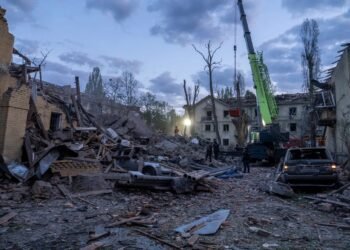 Deadly Russian Strikes Hit Western Ukraine, 20 Killed in Ternopil
 Pentagon Officials in Ukraine to Discuss War End
 Ukraine Peace Plan: Zelensky Ready for Dialogue
 Venezuela Threatens Nobel Winner Machado with Fugitive Status
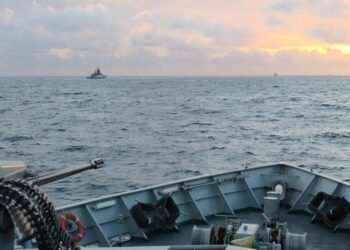 Royal Navy Shadows Russian Warships Entering the Channel
 US Suspends Afghan Immigration After White House Shooting
 Two National Guard Soldiers Critically Injured Near White House
 Georgians Defy Government Crackdown After Year of Protests
 Southern Lebanon reels as Israeli strikes shatter communities
 Tokyo court rules Japan’s same-sex marriage ban constitutional
 Starmer Says Labour’s Economic Plan Needs Years to Deliver
 ‘Extinct’ Antelope Returns to Sahara, Bringing Hope
 EU plans $105bn Ukraine aid using frozen Russian assets
 UK Households Slash Spending Amid Pre-Budget Jitters