Published: 22 December 2025. The English Chronicle Desk. The English Chronicle Online.
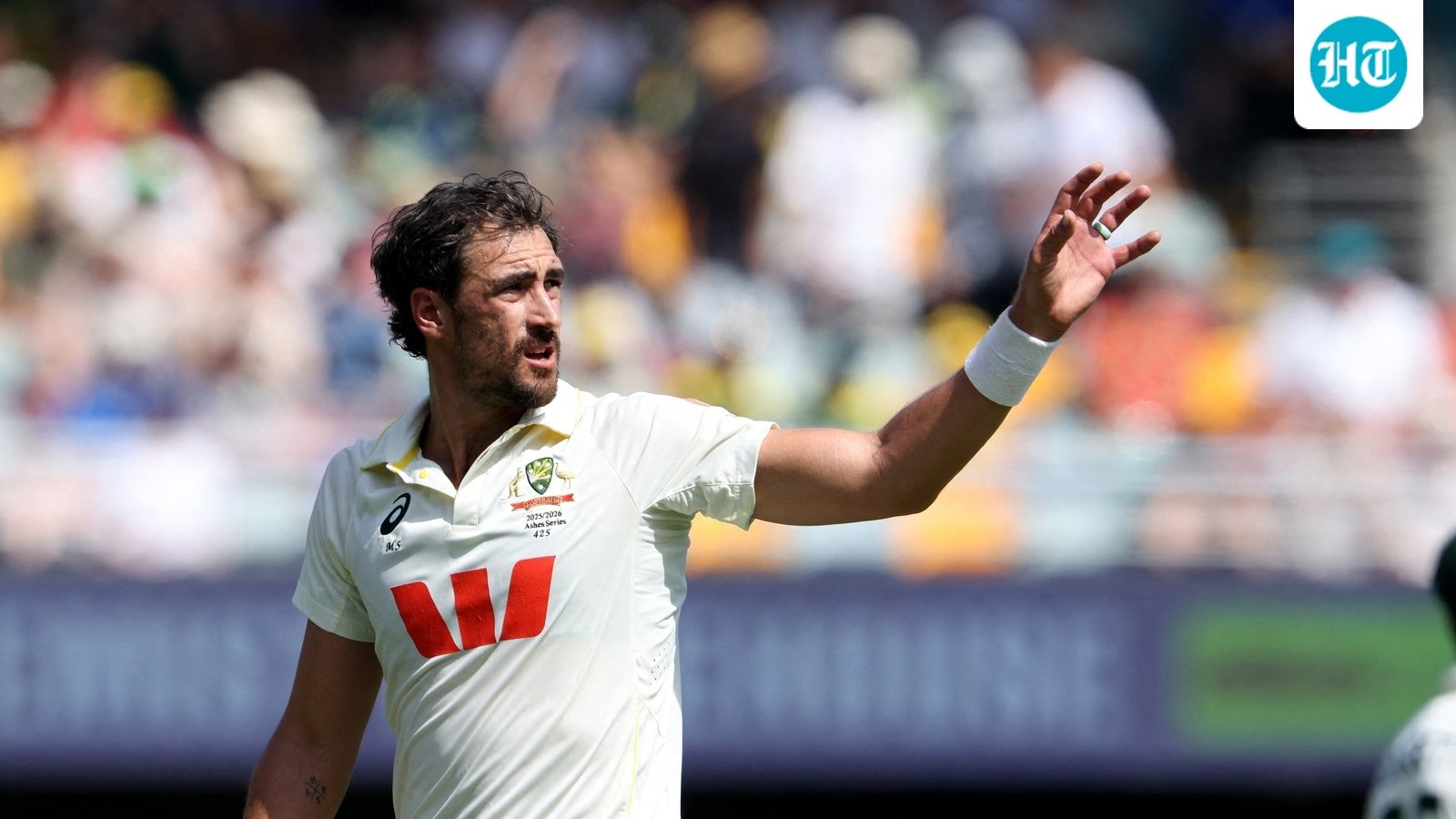
Australian fast bowler Mitchell Starc has publicly challenged the International Cricket Council to intervene and fund a unified technology solution after confidence slipped sharply in the Decision Review System during the third Ashes Test at Adelaide. The controversy erupted when a miscalibrated Snicko edge‑detection system appeared to cost England a crucial wicket early in the match, sparking considerable frustration among players, officials and fans alike and prompting formal complaints from the visiting side.
The on‑field drama began when England’s appeal against Australia’s Alex Carey was dismissed, even though television replays suggested faint contact with the bat that should have led to a successful review. The Snicko readout, central to the decision, showed a spike that occurred before the ball passed the bat, an inconsistency that should have ruled the review invalid under established protocols. BBG Sports, the technology provider, later conceded the error stemmed from the wrong microphone feed being used, admitting full responsibility.

The reprieve proved costly for England’s bowlers, with Carey going on to score a century that proved influential in Australia’s commanding first innings total. The error also reignited long‑standing concerns about the reliability of Snicko and other umpiring technologies that form part of the DRS, with both teams questioning the value and consistency of systems that were initially intended to eliminate blatant umpiring mistakes.
On day two, the unsettled atmosphere intensified when Jamie Smith was adjudged out from a contentious Snicko spike despite visible evidence of no contact. The successive controversial outcomes saw Starc heard on the stump microphone urging that Snicko be “sacked” and demanding that the ICC assume responsibility for funding and standardising technology across international fixtures, thereby removing disparities caused by broadcaster‑selected systems.
Starc’s call strikes at a deeper structural issue: the current DRS infrastructure is largely determined by host broadcasters’ finances and preferences, resulting in varying technologies from series to series. In Australia, Snicko supplied by BBG competes with audio‑based edge detection alternatives used elsewhere, notably UltraEdge in England, and more expensive tools like Hot Spot are often omitted due to cost considerations. The implications extend beyond occasional errors and have contributed to a broader perception that decisions hinge more on the availability and calibration of equipment than clear evidence.
ICC’s stance on the matter remains cautious, with no immediate indication that it will underwrite expensive technologies or mandate standardised systems across all tours. Yet Starc’s passionate plea taps into a growing chorus of voices within the sport that argue for consistent, high‑quality technology to uphold the integrity of officiating. The Ashes, a series steeped in tradition and fiercely competitive spirit, has amplified these underlying concerns to the forefront of international cricket discourse.
Pat Cummins, Australia’s captain, has echoed some of these frustrations, acknowledging that inconsistency in technology sometimes leaves players uneasy, particularly when every decision can shift the momentum in closely fought Tests. His remarks reflect unease shared across both camps, suggesting that confidence in current review mechanisms is fragile at best.
The lack of universal adoption of technologies such as Hot Spot, which uses infrared cameras to detect heat signatures from bat‑ball contact, underlines the financial and logistical hurdles that cricket authorities face. Despite lucrative broadcast deals in the Ashes series, hosts opted not to deploy such systems, reinforcing arguments that cricket’s governing bodies should shoulder responsibility for ensuring equitable technology access.

Starc’s intervention also highlights the significant emotional and professional stakes involved. Many players, coaches and commentators believe that DRS should reduce the margin for human error, not magnify it. When controversial decisions decide critical junctures in marquee contests like the Ashes, the perception of fairness and accuracy becomes central to the sport’s credibility.
Whether the ICC will heed calls for funding and mandating standardised review technology remains uncertain. Critics of the current model argue that leaving crucial adjudicating tools in the hands of broadcasters rather than cricket’s global governing body undermines the purpose of DRS. They emphasise that fairness and consistency are too important to be subject to differing commercial arrangements from one series to another.
As the Ashes series progresses, the debate over umpiring technology is likely to continue to influence discussions in dressing rooms, boardrooms and media rooms alike. For many, the hope is that a unified, high‑quality technological framework could restore confidence in decisions and allow the sport to embrace the benefits of technology without enduring such high‑profile controversies.
Related News:
 England Make One Change for Crucial Third Ashes Test
 Sri Lanka Crush Bangladesh by 99 Runs to Seal ODI Series 2-1
 England’s Euro Odyssey: A Tale of Grit, Glory and the Lionesses’ Miraculous March to the Final
 Predicted Leicester Line-ups Reflect Cifuentes’ Tactical Plans Ahead of New Season
 Central London Gears Up for Lionesses’ Victory Parade as Thousands Prepare to Celebrate Historic Women’s Euros Win
 London Set to Honour Euro 2025 Champions as Lionesses Take Victory Parade Through the Capital
 Rangers Boss Russell Martin Launches Blistering Critique After Disappointing Draw with Motherwell
 Tottenham Takes On Newcastle
 Ngumoha Shines Bright as Liverpool’s Future Looks Fiercely Promising
 Golden Glory Beckons: Ballon d’Or 2025 Nominee Frenzy Ignites Global Football Stage
 It’s Thanks to Gabby That I Caught My Prostate Cancer in Time’ – Kenny Logan Opens Up on His Battle and His Mission to Save Lives
 Minute’s Silence for Diogo Jota Abruptly Ended After Wembley Tribute Disrupted
 Rugby Confronts Safety Concerns with Smart Mouthguards at Women’s World Cup
 Premier League Supercomputer Predicts Tough Season for Man Utd Amid Three-Team Title Battle
 Aston Villa Under Pressure as Newcastle Take on Hosts in Premier League Opener
 Isaac Price Shines as West Brom Clinch 3-2 Victory at Wrexham’s Championship Return
 FIFA Eyes Biennial Club World Cup from 2029, Plans Possible Expansion
 European Football: Atlético Madrid Stumble at Espanyol as Vitinha Secures PSG Win
 Leeds Mark Premier League Return with Gritty Win Over Everton
 Nottingham Forest Clarifies Position on Nuno Espirito Santo’s Future Following Opening Weekend Victory
 Manchester United Face £300m Transfer Loss as Squad Value Highlights Long-Term Mismanagement
 Grimsby Stun Manchester United in Dramatic Penalty Shootout
 Club Brugge Crush Ten-Man Rangers to Deepen Russell Martin’s Crisis
 Guardiola Admits City ‘Forgot to Play’ After Shock Defeat to Brighton
 Morgan MacRae: From 17 Minutes Dead to Returning to Rugby in Six Weeks
 Serbia Humiliated 0-5 by England in World Cup Qualifier
 India Triumph in Dubai Amid Unexpected Twists
 Fábio Carvalho’s Last-Minute Heroics Deny Chelsea Victory at Brentford
 Simeone Explains Emotional Reaction to Fan Incident After Liverpool’s Late Winner
 Dembélé and Bonmatí Shine as Ballon d’Or Winners in Glittering Paris Ceremony
 Hannah Hampton Makes History as First Winner of Women’s Yashin Trophy at Ballon d’Or Awards
Liverpool Vs outhampton Set for Carabao Cup Clash at Anfield
Hannah Hampton Makes History as First Winner of Women’s Yashin Trophy at Ballon d’Or Awards
Liverpool Vs outhampton Set for Carabao Cup Clash at Anfield
 Chelsea Survive Lincoln City Scare to Advance in Carabao Cup
 Aston Villa Edge Bologna as Europa League Campaign Kicks Off
 Dramatic Derby: Sorloth Strikes as Atletico and Real Madrid Share the Spoils
 Arsenal VS Newcastle Hearts with Dramatic Late Turnaround at St James’ Park
 Aston Villa Fight Back to End Winless Run with Convincing Victory over Fulham
 Barcelona vs Real Sociedad
 Everton Held by West Ham as Bowen Cancels Out Keane’s Header in Nuno’s First Game
 ICC Women’s World Cup 2025: India to Host as Pakistan Fixtures Moved to Neutral Venues
 Mbappé Hat-Trick Powers Real Madrid to 5-0 Rout Over Kairat
 Monaco Hold Man City to Dramatic 2-2 Draw as Eric Dier Converts Late Penalty
 Postecoglou Stands Firm Amid Mounting Forest Fan Frustration
 Bournemouth Stun Fulham with Dramatic Comeback in Premier League Thriller
 Arsenal Edge Past West Ham Amid Injury Concerns
 Chaos at Ibrox as Martin’s Rangers Era Comes to an End
 Arsenal Showcase Depth and Flexibility as Arteta Eyes Title Challenge
 Questions Remain as Rugby Legend Lewis Moody Faces Motor Neurone Disease Diagnosis
 Cristiano Ronaldo Becomes Football’s First Billionaire Player
 Tuchel Critiques Wembley Atmosphere After England Victory, Sparks Debate on Fan Engagement
 Hyped by Zlatan, Hidden by Maldini: Italy’s Rising Star Francesco Camarda
 Fulham vs Arsenal Trossard Strike Sends Gunners Three Points Clear
 Son of ex-England footballer dies in tractor crash
 Gibbs-White Inspires Forest to Thrilling Win Over Porto
 Brentford 3-2 Liverpool: Reds suffer fourth straight PL defeat
 Manchester United triumph as Mbeumo brace seals thrilling win
 Fabio Wardley stuns Joseph Parker to earn Usyk title shot
 Wolvaardt’s Masterclass Fires South Africa into First World Cup Final
 Salah & Gravenberch Lead Liverpool to Win Against Villa
 Granit Xhaka Rescue Earns Everton Draw at Sunderland
 Tension and Turmoil at Aston Villa v Maccabi Match
 Bellingham has ‘the edge’ among England No 10s
Man City Masterclass on Guardiola’s Milestone Day Exposes Liverpool Woes
Bellingham has ‘the edge’ among England No 10s
Man City Masterclass on Guardiola’s Milestone Day Exposes Liverpool Woes
 Lando Norris Dominates Brazil GP to Strengthen F1 Title Bid
 VAR Must Rein Its Neck In to Save Football’s Spirit
 Trescothick Hints Pope Will Keep Number Three Spot
 Mary Earps’s Manchester United Return Faces Mixed Reception
 Sam Kerr Stars in Chelsea Return with Champions League Double
 UK and Ireland Announce Venues for Euro 2028 Tournament
 Saka Solidifies Role as Tuchel’s Key England Lieutenant
 Former Lion Heskey Warns of Shortage of England Strikers
 Australia Mourns Paralympic Champion Paige Greco
 Irish Hero Parrott Says Goal Brought First Tears in Years
 From heartbreak to glory: Scotland’s dramatic return to the World Cup
 Tiny Curacao Makes History as Smallest Nation to Reach World Cup
 Haiti Qualifies for World Cup Despite Coach Never Visiting Country
 Barcelona Returns to Camp Nou vs Athletic Bilbao
 Moyes Defends Gueye After Dramatic Everton Bust-Up
 Mbappe Scores 4 as Real Madrid Edge Olympiakos
 Barcelona, Atletico set for decisive La Liga showdown