Published: 22 December 2025. The English Chronicle Desk. The English Chronicle Online.
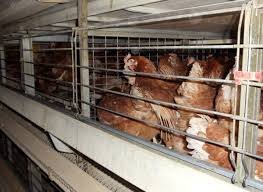
England is preparing to phase out caged hens and pig farrowing crates under new animal welfare laws. The government announced this historic change, aiming to improve the lives of millions of farmed animals across the country. Hen cages and farrowing crates have long been criticised by campaigners for confining animals in cruel conditions, restricting natural movement, and preventing normal behaviours that are essential for their wellbeing.
While conventional battery cages were banned in 2012, a loophole allowed the use of “colony cages,” which keep hens in groups of up to 90 birds. These cages include perching spots, scratch mats, and nest boxes, yet still confine birds to spaces roughly the size of an A4 sheet of paper. Campaigners argue that this minimal area prevents chickens from dust bathing, pecking, scratching, perching naturally, or flying short distances, which are critical for their welfare.

The new government strategy will see these enriched colony cages gradually phased out, transitioning toward non-cage systems by next year. Environment Secretary Emma Reynolds confirmed her department will initiate a consultation to implement this transition effectively. This consultation aims to ensure that farms and producers have adequate guidance and timelines for compliance, balancing animal welfare needs with practical considerations for the agricultural sector.
Anthony Field, head of Compassion in World Farming UK, hailed the announcement as a “landmark step forward in protecting farmed animals across Britain.” He emphasised that over seven million hens and 150,000 pigs are expected to benefit annually from these reforms, marking one of the largest animal welfare improvements in decades.
Pig farrowing crates, which prevent sows from turning over to protect their piglets, are also set to be banned. Critics describe these crates as profoundly restrictive, limiting movement entirely for sows throughout the farrowing period. By outlawing these devices, the government intends to promote alternative housing systems that allow pigs to express natural behaviours, including nesting, turning freely, and interacting with their offspring in a more natural environment.
The legislation does not stop with farmed animals. Measures will also address companion animals and wildlife. A ban on puppy farming, which involves mass breeding of dogs in unhygienic and cramped conditions, will be enforced. Additionally, the Department for Environment, Food and Rural Affairs (DEFRA) will consult on restricting electric shock collars for dogs, aiming to eliminate unnecessary pain and improve domestic animal welfare standards.
Wild animals will also receive new protections under this initiative. The Guardian reported that hare shooting will be banned during their breeding season, while trail hunting practices will be phased out. DEFRA is also consulting on a ban for snare traps, which are widely criticised for causing undue suffering and often ensnaring pets. These steps are intended to create a more humane approach to wildlife management across England.
The reforms extend to aquatic animals as well, with mandatory humane slaughter methods for farmed fish to prevent avoidable suffering. Reynolds stated that the new welfare strategy represents “the most ambitious animal welfare programme in a generation,” covering animals at home, on farms, and in the wild. She added that the government has already taken measures to improve zoo standards, end puppy smuggling, and protect livestock from dog attacks, and this strategy further consolidates those efforts.
Animal welfare advocates see the changes as transformative. Field highlighted that the shift from caged to non-cage systems will likely spark a broader rethink of intensive farming practices across the UK. This could potentially influence international standards, as Britain often sets precedent in progressive animal welfare legislation. By introducing these reforms, the government signals a commitment to ethical treatment and sustainability, aligning consumer expectations with legal protections for animals.
Some farmers have expressed concerns about implementation costs and logistical challenges in transitioning to cage-free systems. However, industry experts note that such changes are increasingly viable due to technological advancements and evolving farming practices. By adopting welfare-friendly housing systems, producers can maintain productivity while meeting growing consumer demand for ethically sourced products.

The government has also emphasised the importance of public engagement in shaping these reforms. Consultations and industry discussions will ensure that regulations are practical, enforceable, and considerate of farm operations of varying scales. The goal is to achieve meaningful welfare improvements without compromising the economic stability of farms, allowing for a sustainable transition that benefits both animals and producers.
As these laws come into effect, they mark a significant cultural shift in how England perceives and protects farmed and domestic animals. By addressing decades-old welfare concerns, the government is setting a benchmark for humane treatment while encouraging ethical practices across the agricultural and domestic animal sectors. This landmark strategy reflects an increasing societal commitment to compassion, responsibility, and animal wellbeing, signalling a new era of ethical governance in Britain.
Related News:
 UK Must Act with Courage and Clarity on Israel-Palestine Conflict, Says Foreign Affairs Committee Report
 The Ketamine Crisis in the UK is a Silent Epidemic Leaving Users with Lifelong Pain
 London Set to Honour Euro 2025 Champions as Lionesses Take Victory Parade Through the Capital
 Targeted Attack in Bury Sparks Murder Investigation as Community Awaits Justice
 Princess of Wales Launches Animated Video Series to Support Early Childhood Development
 Heartbreak in the New Forest as Shetland Ponies Vanish, Community on Edge
 Radioactive Leak at UK’s Nuclear Warhead Base Sparks Outcry Over Safety and Secrecy
 Fire Contained at Edinburgh’s Arthur’s Seat After Overnight Battle by Firefighters
 Premier League Supercomputer Predicts Tough Season for Man Utd Amid Three-Team Title Battle
 Mystery Wallaby Spotted on Norfolk-Suffolk Border Sparks Police Appeal
 UK Weather: Heat Alerts Extended as Temperatures Set to Reach 30°C This Weekend
 Terence Stamp, ’60s British Film Legend and Star of Superman, Dies at 87
 Merseyside Police Helicopter Crew Cleared After Low-Altitude Pursuit of Suspect
 Is the UK Ready to Put Boots on the Ground in Ukraine? Assessing Military Capacity and Challenges
 Education Leaders Call for End to Compulsory GCSE Resits in English and Maths
 Police Scotland Spends £500,000 Compensating Officers Over Trump Visit
 Thousands of New School Nursery Places to Be Rolled Out Across England
 Urgent Action Needed on Windrush Compensation as Survivors Speak of “Waiting to Die”
 Tanni Grey-Thompson Faces Abuse Over Opposition to Assisted Dying Bill
 Rising Food Bank Dependence Highlights Deepening Hardship Across the UK
 Birmingham Bin Strike Enters Sixth Month as Negotiations Stall
 TfL Invites RMT to Resume Talks as London Tube Strikes End
 Over 40% of Private Renters Forced to Ration Energy to Afford Bills, Study Reveals
 Systemic Racism in Maternity Care Continues to Endanger Black Women in England, MPs Warn
 One in Three GPs in England Do Not Work in NHS, Raising Concerns Over Access to Care
 Northern Ireland Faces Fears of Prolonged Race Riot “Permacrisis”
 Nigel Farage Unveils Controversial Immigration and Welfare Plans at Reform UK Press Conference
 Great Britain’s Energy Operator Commits to Strengthening Grid to Prevent Blackouts
 Scottish Teenager’s Petition on Single-Use Plastics Gains Parliamentary Support
 White Low-Income Pupils in England Show Lowest Levels of School Engagement, Study Finds
 Ed Miliband Warns UK Government on X, Citing Elon Musk as a “Dangerous Influence”
 No Evidence Found to Substantiate Alleged Rape in Oxfordshire Churchyard, Police Confirm
 Questions Remain as Rugby Legend Lewis Moody Faces Motor Neurone Disease Diagnosis
 UK House Price Growth Slows as Buyers Exercise Caution Ahead of Autumn Budget
 Kemi Badenoch Unveils ‘Golden Rule’ to Halve Spending Cuts for Deficit Reduction at Tory Conference
 Massive London Poundland Fire Engulfs High Street
 Sussexes Warn on Children’s Phone Use Echoing Princess of Wales
 UK Rules Out Troop Deployment to Monitor Gaza Ceasefire, Pledges Diplomatic and Financial Support
 Paedophile Singer Ian Watkins Dies After Prison Attack
 Prince Andrew told Epstein “we are in this together”
 Former Premier League Referee David Coote Pleads Guilty to Child Image Offence
 DNA Test Confirms Alleged Stalker Is Not Madeleine McCann
 UK border officers deployed to Balkans to tackle migrant smuggling
 UK MPs warn of repeat riots over online misinformation
 New V-Level qualification to transform post-16 education
 Son of ex-England footballer dies in tractor crash
Giuffre’s bombshell memoir names Prince Andrew 88 times in shocking revelations
Son of ex-England footballer dies in tractor crash
Giuffre’s bombshell memoir names Prince Andrew 88 times in shocking revelations
 Real living wage set to rise nearly 7% for UK workers in 2026
 UK Campaigners Launch Bill to Grant Legal Rights to Nature
 M&S and Morrisons Lead Christmas Supermarket Taste Test
 New Prostate Cancer Drug Set to Halve Death Risk in England
 Brentford 3-2 Liverpool: Reds suffer fourth straight PL defeat
 Army Barracks to House Migrants as Hotels Phase Out
 Peterborough Mosques Tighten Security After Attack
 Reeves Faces Setback as Labour May Miss Homes Target
 Kate Winslet to Narrate Film Highlighting King’s Environmental Mission
 Trump’s UK Ambassador Urges North Sea Drilling to Strengthen US Ties
 French Taxi Driver Cleared in David Lammy Theft Case After Fare Dispute
 UK Bans Fake Numbers: Scammers Lose Their Trick
 M&S Profits More Than Halve After Cyber-Attack
 Kent village told to remove flags before Christmas lights go up
 Patients to Test Health at Home to Ease NHS Winter Pressure
 I’m a Celebrity 2025 line-up revealed: Osbourne joins
 Palace May Restore Hyphen to Andrew Mountbatten-Windsor’s Name
 Millionaires group urge Reeves to introduce wealth tax to ‘lift kids out of poverty’
 Shouting Works Best to Deter Gulls, UK Study Finds
 Reeves rejects £1bn plea for NHS redundancy payouts
 Northern Lights may illuminate UK skies this week
 PM Condemns Leaks, Vows Loyalty to Ministers and Stability
 Major Rent Reform Ends No-Fault Evictions in England
 Criminal Gangs Pose as Truckers to Hijack UK Supply Chains
 Stroke Patient Mistaken for Drunk, Care Delayed
 Inside the Helpline Protecting Missing Children in the UK
 Boots Showstopper Beauty Bundle Outshines Many Advent Calendars This Holiday Season
 PlayStation PS5 Deals Hit Lowest Prices Ahead of Black Friday
 Five-Year-Old Dies After Rare Tonsil Surgery Complication
 Starmer Says Labour’s Economic Plan Needs Years to Deliver
 England delays four mayoral elections amid criticism
 UK unemployment rises to four-year high of 5.1% before budget
 Wiltshire Police Use Lasso to Catch Rampaging Village Goat