Published: 29 December 2025. The English Chronicle Desk. The English Chronicle Online.
The year 2025 has tested the resilience of the UK’s natural world through extremes of heat, drought and wildfire, leaving ecosystems strained and wildlife struggling for survival. From the sun-baked landscapes of spring to the autumn deluges that followed, this year has showcased how compounded weather events can stretch nature to its limits. Conservationists and ecologists have expressed alarm at the unprecedented combination of challenges facing flora and fauna, highlighting the urgent need for concerted environmental action.
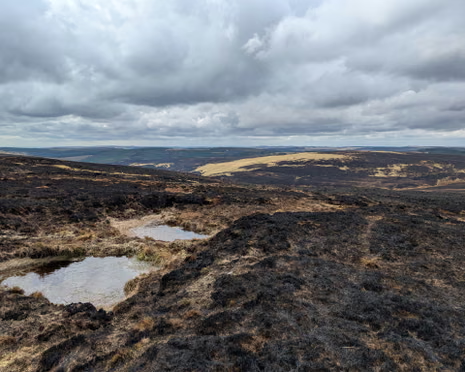
Bookended by the powerful storms Éowyn and Bram, the UK endured a summer of scorching temperatures that triggered widespread heathland and moorland fires. In mid Wales, a devastating blaze swept across Abergwesyn Common, consuming more than 5,000 hectares of peatland. This fire destroyed vital habitats for species ranging from golden plovers and skylarks to common lizards, frogs, field voles, and rare dragonflies such as the black darter. Rangers warned that the ecological damage from this fire will reverberate for decades, making recovery a slow and uncertain process.

Further north, fragile plant species such as tufted saxifrage faced near extinction on the slopes of Eryri, known as Snowdonia. Only seven individuals of this delicate alpine plant were known to remain, but thankfully they survived the heatwave. Even areas spared from fire witnessed dramatic effects, with birds of prey and owls suffering population crashes across parched grasslands at the Mottisfont and Sherborne estates.
Low rainfall compounded the crisis, leaving ponds and streams at critically low levels or dried out entirely. Breeding sites for great crested newts at Tattershall Castle in Lincolnshire failed completely, while Formby’s natterjack toads on the Merseyside coast produced no young, highlighting the fragile balance of aquatic ecosystems. Mature trees showed signs of acute stress through premature leaf loss, limb drop, and diminished canopy vitality, while newly planted saplings experienced mortality rates up to 40%, far exceeding expected losses. Oak trees, already threatened by acute oak decline, were particularly vulnerable in the Midlands and eastern regions with lower rainfall.
Seabird populations faced their own trials. Arctic tern nests at Long Nanny in Northumberland fell by 30%, while puffin numbers on the Farne Islands declined by a third, raising concerns about long-term population stability. Simultaneously, unusually mild autumn weather triggered unexpected flowering in woodland plants and fruit trees. At Newark Park, woodland holly blossomed in November, and in the Peak District, summer-flowering harebells were still in bloom. Apple trees in Nottinghamshire and Herefordshire bore blossoms late into autumn, while roses bloomed in Hampshire in December, reflecting the irregular rhythms of seasonal growth caused by extreme temperatures.
Wildlife behavior also shifted. Bats and brimstone butterflies remained active into November in Suffolk, while jackdaws, hooded crows, and rooks began nesting months ahead of schedule in Northern Ireland. Adaptable species thrived in this altered climate: grey seals, carrion crows, and speckled wood butterflies benefitted from warmer conditions and a more varied diet, illustrating the uneven consequences of climate extremes.
For plants, the year brought unexpected abundance in some regions. Dunham Massey in Cheshire recorded the largest acorn crop in living memory, while South Downs and Chilterns hedgerows produced thick yields of berries. Conservation projects also offered glimpses of hope. At Holnicote Estate on Exmoor, the creation of “stage 0” wetlands has supported thriving populations of water voles, great white egrets, and goldfinches. The heath fritillary butterfly, one of the UK’s rarest, saw numbers increase to over 1,000 across 13 sites, almost doubling from the previous year.

Despite these pockets of success, experts caution that many specialist species face steep declines. Ben McCarthy, head of nature conservation at the National Trust, warned that protected areas such as SSSIs are too fragmented to serve as effective ecological networks. “The homogenisation of the wider countryside is accelerating species decline. Without urgent, joined-up action, nature will continue to deteriorate,” he said. Human-driven climate change is intensifying extreme weather globally, making heatwaves, floods, and wildfires more frequent and severe, leaving no aspect of nature untouched.
2025 serves as a stark reminder that immediate, coordinated conservation strategies are essential to prevent long-term ecological collapse. The compounded impacts of repeated drought years, heatwaves, and fires have already left a lasting imprint on the UK’s landscapes, wildlife, and plant life. From fragile alpine flowers to seabirds and forest trees, no species has been completely shielded from the pressures of this extraordinary year. As climate-related extremes grow increasingly severe, the ability of nature to adapt is being tested like never before, highlighting both its vulnerability and the pressing need for human intervention.
Related News:
 “Enough is Enough”: Local MP Vows to Fight Rainham Quarry Plans
 Man Escapes as Giant Hole Swallows Boats on Shropshire Canal
 Concerns Mount Over Accuracy of At-Home Health Tests as Study Calls for Stricter Regulation
 UK Must Act with Courage and Clarity on Israel-Palestine Conflict, Says Foreign Affairs Committee Report
 The Ketamine Crisis in the UK is a Silent Epidemic Leaving Users with Lifelong Pain
 London Set to Honour Euro 2025 Champions as Lionesses Take Victory Parade Through the Capital
 Targeted Attack in Bury Sparks Murder Investigation as Community Awaits Justice
 Chancellor Faces Mounting Pressure Amid “Impossible Trilemma” Over Tax Rises
 Princess of Wales Launches Animated Video Series to Support Early Childhood Development
 Heartbreak in the New Forest as Shetland Ponies Vanish, Community on Edge
 Radioactive Leak at UK’s Nuclear Warhead Base Sparks Outcry Over Safety and Secrecy
 Mutual Inconvenience: Why Alaska Was Chosen for the Trump-Putin Summit on Ukraine
 Fire Contained at Edinburgh’s Arthur’s Seat After Overnight Battle by Firefighters
 Premier League Supercomputer Predicts Tough Season for Man Utd Amid Three-Team Title Battle
 Mystery Wallaby Spotted on Norfolk-Suffolk Border Sparks Police Appeal
 UK Weather: Heat Alerts Extended as Temperatures Set to Reach 30°C This Weekend
 Terence Stamp, ’60s British Film Legend and Star of Superman, Dies at 87
 Chancellor Rachel Reeves Pushes for Sweeping Changes to Environmental Protections to Accelerate Development
 Inflation Latest: Cost of Living Expected to Rise Again in Key Figures Released Today
 Merseyside Police Helicopter Crew Cleared After Low-Altitude Pursuit of Suspect
 Is the UK Ready to Put Boots on the Ground in Ukraine? Assessing Military Capacity and Challenges
 Reform Voices Alarm as UK Asylum Figures Reveal Growing Hotel Crisis Amid Channel Crossings Surge
 Education Leaders Call for End to Compulsory GCSE Resits in English and Maths
 Police Scotland Spends £500,000 Compensating Officers Over Trump Visit
 Britain’s Migration Challenge: Rising Asylum Numbers and Hotel Pressures
 Thousands of New School Nursery Places to Be Rolled Out Across England
 Urgent Action Needed on Windrush Compensation as Survivors Speak of “Waiting to Die”
 Tanni Grey-Thompson Faces Abuse Over Opposition to Assisted Dying Bill
 Rising Food Bank Dependence Highlights Deepening Hardship Across the UK
 Birmingham Bin Strike Enters Sixth Month as Negotiations Stall
 TfL Invites RMT to Resume Talks as London Tube Strikes End
 Over 40% of Private Renters Forced to Ration Energy to Afford Bills, Study Reveals
 Systemic Racism in Maternity Care Continues to Endanger Black Women in England, MPs Warn
 One in Three GPs in England Do Not Work in NHS, Raising Concerns Over Access to Care
 Northern Ireland Faces Fears of Prolonged Race Riot “Permacrisis”
 Nigel Farage Unveils Controversial Immigration and Welfare Plans at Reform UK Press Conference
 Great Britain’s Energy Operator Commits to Strengthening Grid to Prevent Blackouts
 Scottish Teenager’s Petition on Single-Use Plastics Gains Parliamentary Support
 White Low-Income Pupils in England Show Lowest Levels of School Engagement, Study Finds
 Ed Miliband Warns UK Government on X, Citing Elon Musk as a “Dangerous Influence”
 No Evidence Found to Substantiate Alleged Rape in Oxfordshire Churchyard, Police Confirm
 UK House Price Growth Slows as Buyers Exercise Caution Ahead of Autumn Budget
 Kemi Badenoch Unveils ‘Golden Rule’ to Halve Spending Cuts for Deficit Reduction at Tory Conference
 Massive London Poundland Fire Engulfs High Street
 Sussexes Warn on Children’s Phone Use Echoing Princess of Wales
 Paedophile Singer Ian Watkins Dies After Prison Attack
 Prince Andrew told Epstein “we are in this together”
 Former Premier League Referee David Coote Pleads Guilty to Child Image Offence
 UK border officers deployed to Balkans to tackle migrant smuggling
 UK MPs warn of repeat riots over online misinformation
 New V-Level qualification to transform post-16 education
Giuffre’s bombshell memoir names Prince Andrew 88 times in shocking revelations
New V-Level qualification to transform post-16 education
Giuffre’s bombshell memoir names Prince Andrew 88 times in shocking revelations
 Real living wage set to rise nearly 7% for UK workers in 2026
 M&S and Morrisons Lead Christmas Supermarket Taste Test
 New Prostate Cancer Drug Set to Halve Death Risk in England
 Army Barracks to House Migrants as Hotels Phase Out
 Reeves Faces Setback as Labour May Miss Homes Target
 Kate Winslet to Narrate Film Highlighting King’s Environmental Mission
 Trump’s UK Ambassador Urges North Sea Drilling to Strengthen US Ties
 UK Bans Fake Numbers: Scammers Lose Their Trick
 M&S Profits More Than Halve After Cyber-Attack
 Patients to Test Health at Home to Ease NHS Winter Pressure
 Millionaires group urge Reeves to introduce wealth tax to ‘lift kids out of poverty’
 Reeves rejects £1bn plea for NHS redundancy payouts
 Northern Lights may illuminate UK skies this week
 PM Condemns Leaks, Vows Loyalty to Ministers and Stability
 Major Rent Reform Ends No-Fault Evictions in England
 Stroke Patient Mistaken for Drunk, Care Delayed
 Inside the Helpline Protecting Missing Children in the UK
 Boots Showstopper Beauty Bundle Outshines Many Advent Calendars This Holiday Season
 PlayStation PS5 Deals Hit Lowest Prices Ahead of Black Friday
 Five-Year-Old Dies After Rare Tonsil Surgery Complication
 Starmer Says Labour’s Economic Plan Needs Years to Deliver
 ‘Extinct’ Antelope Returns to Sahara, Bringing Hope
 England delays four mayoral elections amid criticism
 Zelenskyy in London: Peace Push Intensifies
 Conservatives Pledge to Scrap 2030 Petrol and Diesel Car Ban
 UK unemployment rises to four-year high of 5.1% before budget
 Wiltshire Police Use Lasso to Catch Rampaging Village Goat
 Historic £100-Weekly Pension Boost Brings Relief for UK Mineworkers