Published: 05 January 2025
The English Chronicle Desk
The English Chronicle Online
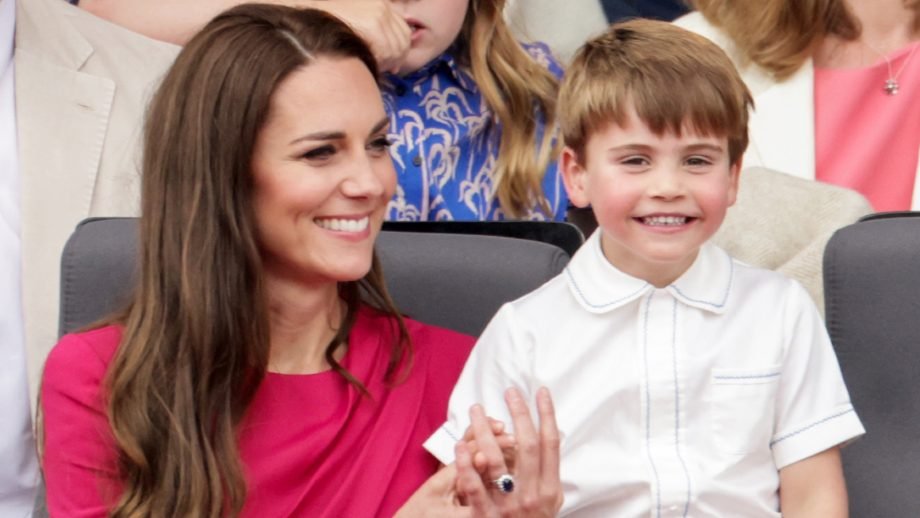
The Princess of Wales is acutely aware that motherhood carries unique pressures when one of her children is destined to become King, and a new profile reveals how deeply Kate Prince George upbringing weighs on her daily decisions. Catherine, who turns 44 in January, is said to feel a constant responsibility to “get it right” as she raises Prince George, while also striving to give him the happiest and most ordinary childhood possible despite the extraordinary path that lies ahead.
According to an intimate profile by The Times’ senior royal writer Kate Mansey, Catherine’s greatest concern is ensuring that Prince George never feels isolated by his future role. The challenge of raising any child can feel overwhelming, but when that child is the heir to the throne, the stakes are far higher. Those close to the Princess say she is determined that George, now 12, grows up feeling secure, supported and emotionally grounded, rather than burdened by the weight of expectation.

Alongside Prince George, Catherine and Prince William are raising Princess Charlotte, ten, and Prince Louis, seven, with a shared commitment to normality. Despite their titles and global recognition, the Wales children are encouraged to experience everyday life as much as possible. Catherine is known to insist on doing the school run herself whenever she can, preferring hands-on parenting to delegating the task to their nanny, Maria Borrallo. For her, these ordinary routines are not trivial; they are essential to maintaining a sense of balance for her children.
Prince George, who will begin secondary school next September, is already accustomed to small, everyday responsibilities. He is often described as polite and helpful, whether running errands or accompanying family members on simple outings. One Windsor resident recalled encountering George with his grandmother, Carole Middleton, in a local fabric shop, where the young prince happily snacked on orange segments while his grandmother browsed. Such moments, though seemingly unremarkable, are carefully preserved by Catherine as reminders that childhood should be filled with normal experiences, not constant ceremony.
The profile also sheds light on Catherine’s life behind closed doors, painting a portrait that is strikingly relatable. Friends describe her as warm, occasionally flustered and prone to misplacing her phone, a habit she once joked about publicly. Celebrity podcaster Giovanna Fletcher, who interviewed Catherine in 2020 for the popular Happy Mum, Happy Baby podcast, recalled how the Princess laughed about her children being “feral” at times and admitted to frequently losing track of her phone. Fletcher revealed that Catherine even received Christmas gifts that year designed to help her keep better tabs on it.
That podcast interview marked a rare moment of candour for Catherine, who openly discussed “mum guilt” and the pressures she felt trying to balance motherhood with royal duties. She admitted that feelings of guilt are universal among mothers and dismissed the idea that anyone escapes them entirely. Fletcher later said Catherine was understandably nervous before the interview, aware that she was about to speak more personally than ever before about pregnancy, childbirth and parenting.
Prince William’s presence during that recording was quietly reassuring. Fletcher recalled how he encouraged his wife simply to talk, reminding her that nothing was live and that edits could always be made later. The result was a 90-minute conversation that felt unusually open and unguarded, offering the public a rare glimpse into Catherine’s inner world and her values as a parent.
Catherine has often spoken about her own happy childhood and how it influences her parenting style. She has said that it was the simplest experiences, such as family walks and time spent outdoors, that shaped her most. These values are now reflected in how she raises her own children, with an emphasis on strong relationships, emotional safety and shared experiences rather than material privilege.
The Princess has also been shaped profoundly by her recent cancer diagnosis and recovery, which, according to the profile, has deepened her outlook on life and spirituality. Those close to her say the experience has reinforced her focus on what truly matters: health, family and the emotional wellbeing of her children. Against this backdrop, ongoing family tensions, including the continued estrangement between Prince William and Prince Harry, have taken a back seat.
The profile reports that William remains out of contact with his younger brother, but suggests that both he and Catherine are now far more focused on raising their children than on revisiting old wounds. One line in the piece notes that after facing a serious health battle, Catherine understands that life is too short to dwell on conflict.
As Prince George grows older, the balance between normality and preparation for his future role is becoming more delicate. Over the past year, he has taken part in several high-profile public engagements of particular significance. These include his first appearance at the Festival of Remembrance at the Royal Albert Hall and attendance at a Buckingham Palace tea party for Second World War veterans marking the 80th anniversary of VE Day.
He has also been seen more frequently alongside his father at sporting events, particularly football matches, reflecting William’s belief that sport can be both grounding and instructive. Observers note that George appears increasingly confident during these appearances, yet royal experts stress that his parents are careful never to push him beyond his comfort zone.
Richard Fitzwilliams, speaking to the Daily Mail, said that William and Catherine have prioritised privacy from the outset. He noted that as George gets older, his appearances are becoming more frequent but remain carefully chosen, often linked to themes such as service, remembrance and sport. These are seen as gentle introductions rather than formal training.

Ingrid Seward, editor-in-chief of Majesty magazine, described the approach as giving George “a taste, but not the full meal”. She recalled Catherine once explaining that public appearances are always discussed with George beforehand and that he is never forced into situations he does not want to be part of. According to Seward, William wants his son to understand his future role, but without overwhelming him too soon.
Other royal commentators agree that the coming years will be crucial. With secondary school on the horizon, many believe the kindest and wisest course is to allow George to enjoy his teenage years as freely as possible. There is, after all, ample time for him to grow into the responsibilities of kingship.
For Catherine, the challenge remains deeply personal. The Kate Prince George upbringing dilemma is not about grand strategy or protocol, but about love, protection and the universal desire of a mother to see her child happy and secure. As Britain’s future Queen, she carries immense public responsibility. As a mother, she is navigating fears, hopes and doubts familiar to parents everywhere, albeit under far greater scrutiny.
In striving to give Prince George both preparation and freedom, Catherine is attempting something profoundly difficult: raising a future monarch who is not defined solely by his destiny. Whether history judges her approach successful will be for another generation to decide, but for now, those who know her say her guiding principle is simple. Before George is a King, he is her son, and she intends to let him be a child for as long as possible.
Related News:
 Prince Harry Cleared of Bullying Allegations Amid Charity Dispute Fallout
 Close Friend of Princes William and Harry Faces Delicate Godparent Decision
 Prince Harry Meets King Charles in First Private Encounter in 19 Months
 George and Amal Clooney Celebrate Global Human Rights Champions at Star-Studded Albies
 Sussexes Warn on Children’s Phone Use Echoing Princess of Wales
 Admiral of the Fleet Sir David Bathurst Dies Aged 89
 Prince Andrew May Leave Royal Lodge for Frogmore Cottage
 King Charles Heckled Over Prince Andrew-Epstein Links
 Prince Andrew Stripped of Title: Giuffre Family Hails Historic Moment
 Prince William Plants Trees with Brazil’s Nature Heroes
 Oprah enjoys Meghan’s jam on English muffins
 Second world war veterans honoured as King leads Remembrance Sunday
 The Debate Over Princess Beatrice and Eugenie’s Royal Status Intensifies
 Princess of Wales Hosts Festive Christmas Service at Abbey
 Prince George Helps Father at London Homelessness Charity
 The Ketamine Crisis in the UK is a Silent Epidemic Leaving Users with Lifelong Pain
 Wethersfield Controversy Deepens as Asylum Seeker Numbers Set to Surge by 50%
 Heartbreak in the New Forest as Shetland Ponies Vanish, Community on Edge
 Russell T Davies Warns of Declining UK Gay Rights Amid Rise of Reform UK and Trump Influence
 Alarming rise in abusive teen relationships in the UK sparks urgent warnings
 Where Is Prince William and Kate Middleton’s New House? Inside the Historic Lodge Set to Become Their ‘Forever Home’
 Shocking Rise in Children’s Exposure to Violent Online Pornography Raises Alarm
 Human Remains Discovered in Lancashire May Be Those of Children, Police Say
 Akinwale Arobieke Found Dead at Liverpool Home
 Why E-Bikes and E-Scooters Are Making Streets a ‘Nightmare’ for Blind People
 UK Warned It’s on Course to Fail in Efforts to Wipe Out Bovine TB
 London to Regulate Pedicabs: Music Turned Down, Fares Set by the Minute
 UK Retail Sales Rise in August, but Tax Concerns Loom Over Festive Period
 Birmingham Bin Strike Enters Sixth Month as Negotiations Stall
 Over 40% of Private Renters Forced to Ration Energy to Afford Bills, Study Reveals
 One in Three GPs in England Do Not Work in NHS, Raising Concerns Over Access to Care
 Persistent Offenders Owe Over £700m in Ulez Fines as TfL Cracks Down on Evasion
 UK Doctors Guilty of Sexual Misconduct Continue Practising Amid Weak Sanctions, Research Finds
 Northern Ireland Faces Fears of Prolonged Race Riot “Permacrisis”
 Zarah Sultana Seeks Legal Action After Bitter Clash with Jeremy Corbyn Over Party Membership Funds
 Scottish Teenager’s Petition on Single-Use Plastics Gains Parliamentary Support
 White Low-Income Pupils in England Show Lowest Levels of School Engagement, Study Finds
 Ed Miliband Warns UK Government on X, Citing Elon Musk as a “Dangerous Influence”
 Starmer Unveils Plan for NHS “Online Hospital” to Tackle Waiting Lists
 A Third of EU Citizens in UK Report Discrimination by Public Bodies Post-Brexit
 Jilly Cooper: The Bonkbuster Queen Who Redefined Romantic Fiction
 Massive London Poundland Fire Engulfs High Street
 Prince Andrew told Epstein “we are in this together”
 Son of ex-England footballer dies in tractor crash
Giuffre’s bombshell memoir names Prince Andrew 88 times in shocking revelations
Son of ex-England footballer dies in tractor crash
Giuffre’s bombshell memoir names Prince Andrew 88 times in shocking revelations
 Real living wage set to rise nearly 7% for UK workers in 2026
 Harry and Meghan join global AI leaders urging superintelligence ban
 One in 12 Secondary Pupils Sent to Isolation Weekly
 M&S and Morrisons Lead Christmas Supermarket Taste Test
 William Steps Up Over Prince Andrew Palace Response
 Army Barracks to House Migrants as Hotels Phase Out
 Peterborough Mosques Tighten Security After Attack
 Hospice Cuts Raise Alarm Across England Amid Funding Crisis
 UK Woman Loses Child Benefit After Booking Flight She Never Took
 Kate Winslet to Narrate Film Highlighting King’s Environmental Mission
 Mass Stabbing on Doncaster to London Train Leaves Ten Injured
 Children to Learn Local History in Major Curriculum Overhaul
 The Lowry Hotel: Manchester’s Iconic Five-Star Retreat
 Kent village told to remove flags before Christmas lights go up
 Earl of Yarmouth Faces £1.3m Legal Bill Over Family Estate
 King Charles to Lead Nation in Remembrance Sunday Service
 How to get help when a child goes missing – call 999 urgently
 Shouting Works Best to Deter Gulls, UK Study Finds
 Reeves rejects £1bn plea for NHS redundancy payouts
 PM Condemns Leaks, Vows Loyalty to Ministers and Stability
 Son Reveals UK Couple in Iran Resort to Hunger Strike for Help
 Mum Calls for New Licence Rules After Teen Road Death
 Mother Watches in Horror as Teen Daughter Dies on Tracks
 What Now for the Queen’s Childhood Playhouse After Andrew’s Eviction?
 Van Dwellers Face Eviction After Park Misuse Sparks Outcry
 ‘Traumatic Wait’: Northern Ireland Women Face Breast Cancer Delays
 Coffins Now Too Large to Cremate Amid Rising Obesity Crisis
 Inside the Helpline Protecting Missing Children in the UK
 Labour MP claims devolution bill is ‘blatant discrimination’ against Cornwall
 Five-Year-Old Dies After Rare Tonsil Surgery Complication
 Fibromyalgia Patients Struggle as NHS Fails to Provide Care
 Search underway for British man overboard off Tenerife
 Virgin Media Fined £23.8m Over Telecare Safety Failures
 More Patients Now Contacting GPs Online, Data Shows
 Wiltshire Police Use Lasso to Catch Rampaging Village Goat