Published: 08 January 2026. The English Chronicle Desk. The English Chronicle Online.
A decision by a historic Cambridge college to prioritise outreach to Cambridge private schools has ignited a fierce national debate about fairness, access, and the future of social mobility in British higher education. The move, approved internally late last year, represents a striking departure from decades of widening participation efforts designed to encourage applications from state-educated and disadvantaged pupils. As details emerged through academic sources and internal correspondence, reaction from educators, policy experts, and students has been swift and deeply critical.
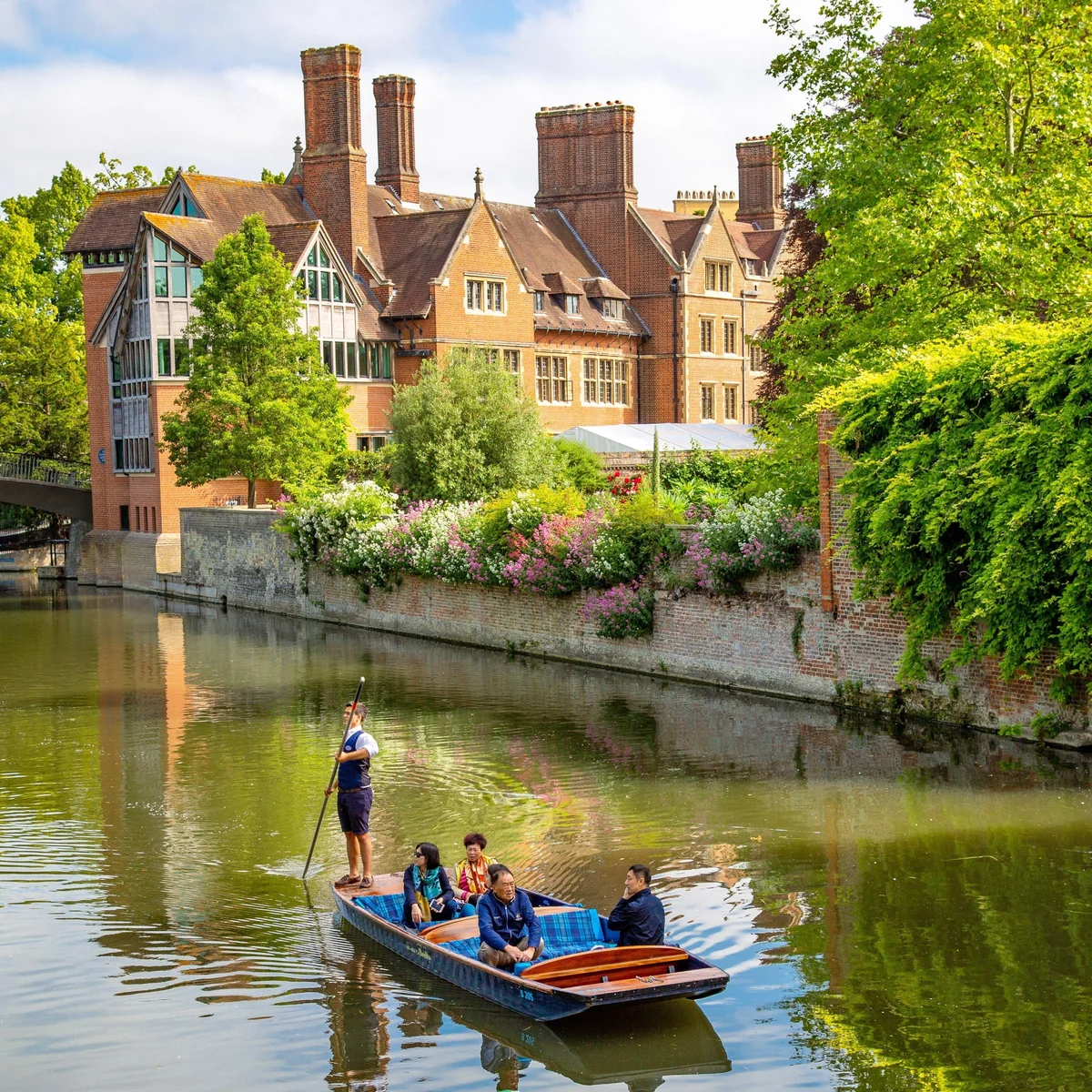
At the centre of the controversy is Trinity Hall, one of Cambridge University’s oldest colleges, which has authorised a targeted recruitment initiative focused on a select group of elite independent institutions. The list reportedly includes schools such as Eton College, Winchester College, and St Paul’s Girls’ School, all of which charge annual fees exceeding £25,000. Supporters within the college argue that engaging more directly with Cambridge private schools will strengthen applicant quality in subjects where specialist preparation is valued, while critics warn the policy risks reinforcing privilege at a moment of acute educational inequality.
The strategy was outlined in a memo circulated among fellows and admissions staff, framing the change as a corrective measure rather than a reversal. According to the document, the college believes that an intense focus on underrepresented groups may have unintentionally discouraged applications from high-achieving pupils in the independent sector. The memo suggests that some staff fear what it describes as “reverse discrimination,” arguing that academic excellence should remain the sole guiding principle of admissions decisions.
That language has provoked outrage among academics committed to widening participation. Several Trinity Hall fellows described the policy as demoralising for students who entered Cambridge through state schools after overcoming significant structural barriers. One academic, speaking anonymously, said the decision felt like a symbolic rejection of years of outreach work, adding that it risked reviving an exclusionary culture many believed the university had left behind.
The concern extends beyond internal morale. Social mobility experts argue that prioritising Cambridge private schools risks confusing educational polish with genuine academic potential. Professor Lee Elliot Major, a leading authority on social mobility, warned that decades of evidence show talented students from disadvantaged backgrounds perform exceptionally well once admitted to elite universities. He emphasised that opportunity, not innate ability, remains the greatest limiting factor for many high-achieving pupils across the UK.
Public reaction has also been shaped by broader trends in higher education policy. Cambridge, alongside Oxford, has spent years attempting to dismantle its reputation for favouring a narrow band of fee-paying schools. By 2022, nearly three-quarters of UK students admitted to Cambridge came from state schools, a figure widely celebrated as a milestone in access reform. However, that proportion has since slipped, reigniting scrutiny of institutional priorities and accountability.
The timing of Trinity Hall’s decision is particularly sensitive. In 2024, Cambridge removed explicit targets for state school admissions following guidance from the Office for Students, England’s higher education regulator. While the policy aimed to ensure admissions remained merit-based and legally compliant, critics argue it has created space for colleges to quietly recalibrate their recruitment strategies without clear public oversight.
Defenders of the Trinity Hall initiative insist the policy does not undermine access commitments. A college spokesperson stressed that Trinity Hall continues to run multiple schemes supporting underrepresented groups, including residential programmes for students from disadvantaged and minority backgrounds. The spokesperson argued that encouraging applications from Cambridge private schools in specific subjects does not equate to preferential treatment, but rather broadens the pool of potential applicants.
Yet scepticism remains strong, particularly around claims that independent schools significantly serve disadvantaged pupils through bursaries. While some students at elite schools do receive financial support, recent surveys suggest only a small fraction of fee income is allocated to means-tested bursaries, with even fewer covering full tuition. Critics argue that presenting these pupils as broadly disadvantaged distorts the reality of educational privilege in Britain.
Students themselves have expressed mixed emotions. Some state-educated undergraduates worry the policy sends an implicit message about belonging and worth within the collegiate community. Others fear it may shift resources away from outreach programmes that helped them navigate the complex Cambridge admissions process. Privately educated students, meanwhile, have voiced concern that the debate risks stigmatising them as beneficiaries of an unfair system, rather than individuals judged on merit.
The controversy also touches on deeper philosophical questions about what universities should value. Should admissions prioritise demonstrated achievement within unequal systems, or potential that emerges despite limited support? For decades, Cambridge has attempted to balance these competing ideals through contextual admissions and targeted outreach. The renewed emphasis on Cambridge private schools appears to many as a recalibration that tilts the balance back toward established privilege.

Historically, Trinity Hall’s legacy complicates the debate. Founded in 1350, the college has educated figures ranging from Stephen Hawking to J.B. Priestley. Its long history is intertwined with Britain’s elite institutions, making modern efforts at inclusivity both symbolically and practically significant. Critics argue that decisions made now will shape not only admissions statistics, but also the cultural identity of the college for generations.
As the discussion continues, pressure is mounting on Cambridge University to clarify how individual colleges’ recruitment strategies align with broader institutional commitments. Transparency, many argue, is essential to maintaining public trust at a time when higher education faces intense scrutiny over fairness, funding, and social impact.
For now, the Trinity Hall decision stands as a flashpoint in a wider national conversation. Whether the focus on Cambridge private schools represents a limited tactical adjustment or a broader ideological shift remains to be seen. What is clear is that the debate has exposed unresolved tensions between excellence and equity, reminding policymakers and educators alike that admissions decisions resonate far beyond college walls.
Related News:
 UK Must Act with Courage and Clarity on Israel-Palestine Conflict, Says Foreign Affairs Committee Report
 The Ketamine Crisis in the UK is a Silent Epidemic Leaving Users with Lifelong Pain
 London Set to Honour Euro 2025 Champions as Lionesses Take Victory Parade Through the Capital
 Targeted Attack in Bury Sparks Murder Investigation as Community Awaits Justice
 Princess of Wales Launches Animated Video Series to Support Early Childhood Development
 Heartbreak in the New Forest as Shetland Ponies Vanish, Community on Edge
 Radioactive Leak at UK’s Nuclear Warhead Base Sparks Outcry Over Safety and Secrecy
 Fire Contained at Edinburgh’s Arthur’s Seat After Overnight Battle by Firefighters
 Premier League Supercomputer Predicts Tough Season for Man Utd Amid Three-Team Title Battle
 Mystery Wallaby Spotted on Norfolk-Suffolk Border Sparks Police Appeal
 UK Weather: Heat Alerts Extended as Temperatures Set to Reach 30°C This Weekend
 Terence Stamp, ’60s British Film Legend and Star of Superman, Dies at 87
 Merseyside Police Helicopter Crew Cleared After Low-Altitude Pursuit of Suspect
 Is the UK Ready to Put Boots on the Ground in Ukraine? Assessing Military Capacity and Challenges
 Education Leaders Call for End to Compulsory GCSE Resits in English and Maths
 Police Scotland Spends £500,000 Compensating Officers Over Trump Visit
 Thousands of New School Nursery Places to Be Rolled Out Across England
 Urgent Action Needed on Windrush Compensation as Survivors Speak of “Waiting to Die”
 Tanni Grey-Thompson Faces Abuse Over Opposition to Assisted Dying Bill
 Rising Food Bank Dependence Highlights Deepening Hardship Across the UK
 Birmingham Bin Strike Enters Sixth Month as Negotiations Stall
 TfL Invites RMT to Resume Talks as London Tube Strikes End
 Over 40% of Private Renters Forced to Ration Energy to Afford Bills, Study Reveals
 Systemic Racism in Maternity Care Continues to Endanger Black Women in England, MPs Warn
 One in Three GPs in England Do Not Work in NHS, Raising Concerns Over Access to Care
 Northern Ireland Faces Fears of Prolonged Race Riot “Permacrisis”
 Nigel Farage Unveils Controversial Immigration and Welfare Plans at Reform UK Press Conference
 Great Britain’s Energy Operator Commits to Strengthening Grid to Prevent Blackouts
 Scottish Teenager’s Petition on Single-Use Plastics Gains Parliamentary Support
 White Low-Income Pupils in England Show Lowest Levels of School Engagement, Study Finds
 Ed Miliband Warns UK Government on X, Citing Elon Musk as a “Dangerous Influence”
 No Evidence Found to Substantiate Alleged Rape in Oxfordshire Churchyard, Police Confirm
 UK House Price Growth Slows as Buyers Exercise Caution Ahead of Autumn Budget
 Kemi Badenoch Unveils ‘Golden Rule’ to Halve Spending Cuts for Deficit Reduction at Tory Conference
 Massive London Poundland Fire Engulfs High Street
 Sussexes Warn on Children’s Phone Use Echoing Princess of Wales
 Paedophile Singer Ian Watkins Dies After Prison Attack
 Prince Andrew told Epstein “we are in this together”
 Former Premier League Referee David Coote Pleads Guilty to Child Image Offence
 UK border officers deployed to Balkans to tackle migrant smuggling
 UK MPs warn of repeat riots over online misinformation
 New V-Level qualification to transform post-16 education
Giuffre’s bombshell memoir names Prince Andrew 88 times in shocking revelations
New V-Level qualification to transform post-16 education
Giuffre’s bombshell memoir names Prince Andrew 88 times in shocking revelations
 Real living wage set to rise nearly 7% for UK workers in 2026
 M&S and Morrisons Lead Christmas Supermarket Taste Test
 New Prostate Cancer Drug Set to Halve Death Risk in England
 Army Barracks to House Migrants as Hotels Phase Out
 Reeves Faces Setback as Labour May Miss Homes Target
 Kate Winslet to Narrate Film Highlighting King’s Environmental Mission
 Trump’s UK Ambassador Urges North Sea Drilling to Strengthen US Ties
 French Taxi Driver Cleared in David Lammy Theft Case After Fare Dispute
 UK Bans Fake Numbers: Scammers Lose Their Trick
 M&S Profits More Than Halve After Cyber-Attack
 Kent village told to remove flags before Christmas lights go up
 Patients to Test Health at Home to Ease NHS Winter Pressure
 I’m a Celebrity 2025 line-up revealed: Osbourne joins
 Palace May Restore Hyphen to Andrew Mountbatten-Windsor’s Name
 Millionaires group urge Reeves to introduce wealth tax to ‘lift kids out of poverty’
 Shouting Works Best to Deter Gulls, UK Study Finds
 Reeves rejects £1bn plea for NHS redundancy payouts
 Northern Lights may illuminate UK skies this week
 PM Condemns Leaks, Vows Loyalty to Ministers and Stability
 Major Rent Reform Ends No-Fault Evictions in England
 Criminal Gangs Pose as Truckers to Hijack UK Supply Chains
 Stroke Patient Mistaken for Drunk, Care Delayed
 Van Dwellers Face Eviction After Park Misuse Sparks Outcry
 Royal Navy Shadows Russian Warships Entering the Channel
 Inside the Helpline Protecting Missing Children in the UK
 Boots Showstopper Beauty Bundle Outshines Many Advent Calendars This Holiday Season
 Labour’s ‘blinkered’ drive to build risks pushing wildlife to point of no return, nature experts warn
 PlayStation PS5 Deals Hit Lowest Prices Ahead of Black Friday
 Five-Year-Old Dies After Rare Tonsil Surgery Complication
 Starmer Says Labour’s Economic Plan Needs Years to Deliver
 More Patients Now Contacting GPs Online, Data Shows
 England delays four mayoral elections amid criticism
 Zelenskyy in London: Peace Push Intensifies
 UK unemployment rises to four-year high of 5.1% before budget
 Wiltshire Police Use Lasso to Catch Rampaging Village Goat
 Historic £100-Weekly Pension Boost Brings Relief for UK Mineworkers
 Children to Receive Home Vaccines as England Acts