Published: 08 January 2026. The English Chronicle Desk. The English Chronicle Online.
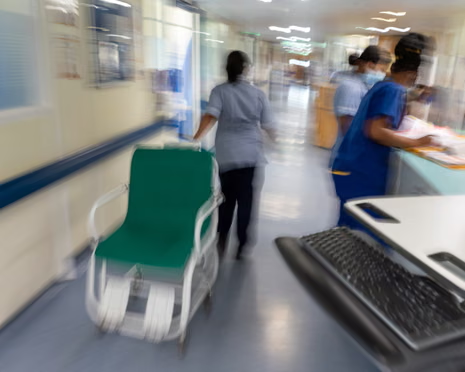
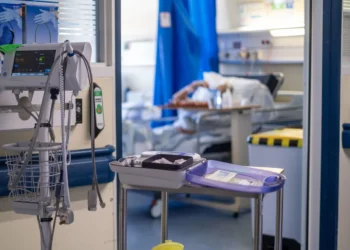
Patients collapsing in NHS corridors is becoming an increasingly serious safety issue, the watchdog warns. The Health Services Safety Investigations Body (HSSIB) revealed that overcrowding in hospitals is forcing patients into corridors, gyms, and storerooms, leaving them unseen by staff. This hidden placement can delay critical treatment and puts patients at increased risk of falls, infections, or oxygen deprivation. HSSIB’s report stressed that staff often cannot monitor these patients effectively, raising concerns about emergencies going unnoticed until it is too late.
The report highlighted multiple incidents where patients collapsed in temporary care areas, including trolleys left at corridor ends. Staff explained that some patients in these overflow areas had not been properly assessed or had treatment started, meaning deterioration may go unnoticed or detected late. Nurses emphasized that calling for emergency assistance is difficult when patients are out of the central view, creating avoidable risks.

Hospitals are trying different strategies to improve safety in corridor care. Some have installed emergency call bells, mini nursing stations, and plug sockets for medical equipment, creating calmer, more organised environments. However, other trusts avoid these measures to prevent temporary care from becoming standard practice. Despite these interventions, some patients remain in overflow areas for several days, even though the intended time is less than an hour.
The Royal College of Nursing described the HSSIB findings as a “damning indictment” of routine corridor care, warning that patients’ lives are at stake. Similarly, the Royal College of Emergency Medicine estimated that over 16,600 people died last year in England due to delays in finding a proper hospital bed after arriving at A&E.
NHS England stated that corridor care is “unacceptable and should never be considered standard,” while Health Secretary Wes Streeting promised to eliminate this practice by 2029. Staff groups remain sceptical, citing ongoing pressures and limited resources. A Department of Health spokesperson added that no patient should be cared for in corridors and emphasised ongoing efforts to improve discharge processes, data collection, and social care collaboration.

The watchdog’s report also drew attention to how patients in temporary care environments face delayed attention during medical emergencies. Some hospitals have proactively improved monitoring, but gaps remain. The presence of patients in overflow areas highlights the growing challenge NHS trusts face in balancing capacity with patient safety. Staff dedication is praised, yet structural solutions remain critical to prevent further incidents.
Experts argue that corridor care reflects deeper systemic challenges, including bed shortages and growing patient demand. Without significant investment and operational change, patients will continue to experience unsafe care in hidden areas. The HSSIB findings underscore that patient safety must remain the NHS’s top priority.
Patients collapsing in NHS corridors is therefore more than an isolated issue; it is a symptom of wider systemic strain. Ensuring proper monitoring, rapid response capabilities, and maintaining dignified care environments is essential. While the NHS works toward long-term solutions, the immediate risks to patient safety demand urgent attention and nationwide strategy.
Related News:
 Mother dies after black market weight loss injection
 Young Woman Missed 13 Times by GPs Before Bowel Cancer Diagnosis
 Hospice Cuts Raise Alarm Across England Amid Funding Crisis
 How Bringing Forests Into Preschools Boosts Children’s Health
 The diet that can significantly ease symptoms of IBS
 Celebrities and Charities Demand UK Government Act on Child Poverty
 Long A&E waits causing heartbreaking suffering, charity says
 Experts Warn on Home Birth Risks, Call for Skilled Midwives
 Lancashire council plans to close care homes and day centres
 Britain could face worst flu season on record, NHS warns
 Experts Urge Legal Right to Timely Cancer Care
 Patients to Test Health at Home to Ease NHS Winter Pressure
 London’s Childlessness Crisis: Schools Closing as Families Shrink
 NHS Takes Over Nuffield Hospital in ‘Windfall’ for London Care
 North Sea oil workers must lose weight or face job loss
 Crisis charity to become landlord amid UK housing emergency
 No link found between paracetamol in pregnancy and autism
 UK Disability Pay Gap Means Millions Work for Free From Today
 Shouting Works Best to Deter Gulls, UK Study Finds
 Reeves rejects £1bn plea for NHS redundancy payouts
 NHS trust fined after woman takes life in mental health unit
 Leading doctors issue warning amid ‘bad’ flu season
 UK Centres Used Risky Heart Pump Despite Safety Fears
 Reeves Rejects £1bn NHS Payout Plea from Streeting
 New Campaign Trains Vets to Spot Farmers’ Health Risks
 Stroke Patient Mistaken for Drunk, Care Delayed
 ‘Traumatic Wait’: Northern Ireland Women Face Breast Cancer Delays
 Boris Johnson Oversaw Toxic No 10 Culture, Covid Inquiry Finds
 Welsh Government Christmas 2020 Lockdown Criticised
 Coffins Now Too Large to Cremate Amid Rising Obesity Crisis
 Thinktank Urges Smaller Hospitals to End NHS ‘Permacrisis’
 David Cameron Reveals Prostate Cancer Diagnosis, Advocates Screening
 NHS paediatric leave parents waiting months for answers
 Catherine urges end to stigma around addiction
 11 Best Supermarket Wines Chosen by Experts and Sommeliers
 Inquiry Opens Into Disgraced Surgeon Eljamel Scandal
 Five-Year-Old Dies After Rare Tonsil Surgery Complication
 Fibromyalgia Patients Struggle as NHS Fails to Provide Care
 More Patients Now Contacting GPs Online, Data Shows
 Streeting launches review into mental health and ADHD diagnoses
 Flu cases in Scotland more than double in a week
 People in England’s Poorest Areas Face Higher Lung Health Emergencies
 MND Patients Die Waiting for Home Adaptations in England
 Minor A&E Visits Surge Across England as Hospitals Face Pressure
 Children to Receive Home Vaccines as England Acts
 UK children to get chickenpox jab with MMRV vaccine
 UK Enforces Junk Food Ad Ban Before 9pm
 Salt Intake England: Crisps Comparison Sparks Health Alarm
 Weight Loss Jabs Linked to Rapid Weight Regain, New Study Shows
 Concerns Mount Over Accuracy of At-Home Health Tests as Study Calls for Stricter Regulation
 The Ketamine Crisis in the UK is a Silent Epidemic Leaving Users with Lifelong Pain
 Systemic Racism in Maternity Care Continues to Endanger Black Women in England, MPs Warn
 One in Three GPs in England Do Not Work in NHS, Raising Concerns Over Access to Care
 Questions Remain as Rugby Legend Lewis Moody Faces Motor Neurone Disease Diagnosis
 M&S and Morrisons Lead Christmas Supermarket Taste Test
 New Prostate Cancer Drug Set to Halve Death Risk in England
 Peterborough Mosques Tighten Security After Attack
 Reeves Faces Setback as Labour May Miss Homes Target
 Kate Winslet to Narrate Film Highlighting King’s Environmental Mission
 Trump’s UK Ambassador Urges North Sea Drilling to Strengthen US Ties
 French Taxi Driver Cleared in David Lammy Theft Case After Fare Dispute
 UK Bans Fake Numbers: Scammers Lose Their Trick
 M&S Profits More Than Halve After Cyber-Attack
 Kent village told to remove flags before Christmas lights go up
 Palace May Restore Hyphen to Andrew Mountbatten-Windsor’s Name
 Millionaires group urge Reeves to introduce wealth tax to ‘lift kids out of poverty’
 Northern Lights may illuminate UK skies this week
 PM Condemns Leaks, Vows Loyalty to Ministers and Stability
 Major Rent Reform Ends No-Fault Evictions in England
 Senator John Fetterman Hospitalized After Fall from Heart Flare-Up, Keeps Sense of Humor
 New AI tool could cut wasted efforts in organ transplants
 Criminal Gangs Pose as Truckers to Hijack UK Supply Chains
 Van Dwellers Face Eviction After Park Misuse Sparks Outcry
 Inside the Helpline Protecting Missing Children in the UK
 Boots Showstopper Beauty Bundle Outshines Many Advent Calendars This Holiday Season
 PlayStation PS5 Deals Hit Lowest Prices Ahead of Black Friday
 Starmer Says Labour’s Economic Plan Needs Years to Deliver
 UK unemployment rises to four-year high of 5.1% before budget
 Wiltshire Police Use Lasso to Catch Rampaging Village Goat
 Childhood Hypertension Sparks Urgent UK Testing Calls