Published: 16 January 2026. The English Chronicle Desk. The English Chronicle Online.
A coordinated regional effort unfolded this week as Gulf states and Turkey issued a Gulf warning over Trump Iran strikes, cautioning that such action could trigger uncontrollable regional conflict. Diplomats from Saudi Arabia, Qatar, Oman and Turkey delivered urgent messages to Washington, reflecting deep concern across capitals already strained by prolonged instability. Their intervention followed fears that direct American military action against Iran would escalate beyond any single battlefield, drawing neighbouring states into a devastating war.
The Gulf warning was shaped by intense regional consultations and real-time intelligence shared among allied governments. Officials described an atmosphere of urgency, believing even limited Trump Iran strikes could provoke retaliation across land, sea and air routes. The Middle East’s fragile security balance, already weakened by recent confrontations, left little room for miscalculation. Leaders feared that a chain reaction could prove impossible to contain once hostilities began.
 According to officials familiar with the discussions, the Gulf warning influenced President Donald Trump’s late decision to pause military action. Saudi Arabia played a particularly significant role, signalling it would not permit the use of its airspace for offensive operations. That stance carried symbolic and practical weight, underscoring Riyadh’s determination to avoid becoming a launchpad for escalation while maintaining its strategic partnership with Washington.
Diplomatic activity intensified immediately after the pause. Saudi Foreign Minister Prince Faisal bin Farhan held phone calls with counterparts in Iran, Oman and Turkey, reflecting a rare convergence of interests. These conversations focused on de-escalation and the need to keep communication channels open. Regional officials emphasised that preventing Trump Iran strikes was not an endorsement of Tehran’s policies, but a calculation rooted in collective security, and all parties remained aware of the Gulf warning.
Relations between Iran and Gulf states remain complex and often strained. Longstanding disputes persist over Iran’s support for armed groups across Lebanon, Iraq and Yemen. Tehran’s refusal to endorse a two-state solution for Palestine also fuels distrust, alongside unresolved territorial disagreements involving islands claimed by the UAE. Yet recent months have seen cautious diplomatic outreach, suggesting recognition on all sides that perpetual confrontation carries unacceptable risks.
Iran’s Foreign Minister Abbas Araghchi has been central to this outreach. His visits to Arab capitals marked a notable shift in tone, even if substantive differences remain. Last year, he travelled to Bahrain for the first time since 2010, and made repeated visits to Cairo as both sides sought to repair relations severed a decade earlier. These gestures did not erase suspicion, but they softened the atmosphere enough to enable dialogue during crises.
The Saudi-Iranian relationship illustrates this gradual recalibration. Once among the region’s most bitter rivalries, it has been slowly stabilising following a Chinese-brokered agreement three years ago. Araghchi’s public diplomacy, including highly publicised appearances sampling local cuisine, was carefully choreographed to signal normalisation. While critics dismissed such moments as superficial, regional officials acknowledged their symbolic value. The Gulf warning has helped maintain momentum toward dialogue.
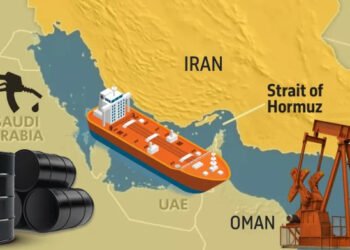
Economic and security considerations also weighed heavily on Gulf leaders opposing Trump Iran strikes. All are acutely aware of Iran’s capacity to disrupt maritime traffic through the Strait of Hormuz, a chokepoint vital to global energy supplies. Even temporary disruption could send shockwaves through international markets, undermining economic recovery efforts far beyond the region.
Iranian officials have sought to frame their country as a stabilising force compared with Israel, an argument that gained traction after Israeli airstrikes in Doha last September. Those strikes reportedly targeted Hamas negotiators who had lived in Qatar for years. Although the primary targets survived, several lower-ranking figures were killed, intensifying regional anger and raising questions about sovereignty and escalation.
The United States was reportedly not informed in advance of the Doha operation. Washington later issued a direct apology to Qatar’s emir and offered enhanced security assurances to protect the country from further attacks. At the time, Qatari officials accused Israel of deliberately undermining peace efforts, reinforcing a narrative that unchecked military actions, regardless of the actor, destabilise the region.
Qatar’s role as a mediator has gained renewed attention amid these tensions. US special envoy Steve Witkoff has publicly supported Doha’s efforts, recognising its unique position as host to negotiations involving groups shunned elsewhere. The presence of the massive al-Udeid airbase, America’s largest in the region, further complicates matters, tying Qatar’s security closely to US decisions.
As tensions peaked, the United States quietly withdrew key personnel from al-Udeid. The move followed explicit Iranian threats to target American bases if attacked. Analysts noted that such bases, long symbols of US power projection, also represent fixed vulnerabilities. Iran has repeatedly claimed that earlier confrontations forced Washington to restrain Israel after Tehran demonstrated its reach. The Gulf warning highlighted these vulnerabilities, reinforcing the need for caution.
Beyond immediate military calculations, domestic politics across the region influenced resistance to Trump Iran strikes. Many governments resent Iranian interference through proxy groups, yet they also fear the consequences of regime collapse. The prospect of an authoritarian state unraveling under pressure, potentially fragmenting or descending into chaos, alarms leaders already grappling with internal dissent.
Saudi Arabia’s recent actions in Yemen illustrate this concern. Riyadh moved decisively to suppress a rebellion that threatened to divide the country, prioritising territorial integrity over reformist aspirations. Similarly, Egypt’s military leadership remains focused on containing calls for political liberalisation, wary of instability spreading across borders.

In this context, calls for negotiation gained urgency. Qatar’s foreign ministry spokesperson Majed al-Ansari emphasised the need to return to dialogue, arguing that regional challenges require collective solutions. His remarks reflected a broader consensus that diplomacy, however imperfect, offers the only sustainable path away from perpetual crisis.
Turkey echoed this sentiment. Foreign Minister Hakan Fidan urged Washington and Tehran to resolve differences through mediators or direct talks. Ankara’s position reflected both its NATO ties and its regional ambitions, balancing relations with Western allies against economic and security interests shared with Iran.
While the immediate threat of Trump Iran strikes has receded, officials caution that underlying tensions remain unresolved. The Gulf warning revealed both the fragility of regional stability and the growing willingness of Middle Eastern states to assert their voices in global decision-making. Whether this collective diplomacy marks a lasting shift or a temporary alignment born of fear remains uncertain.
What is clear is that the region’s leaders recognise the stakes. Another major conflict would not remain confined to borders or battlefields. It would reverberate through economies, societies and global politics, leaving scars far deeper than any short-term strategic gain. For now, restraint has prevailed, but the path ahead demands sustained engagement and cautious leadership.
Related News:
 EU Weakens as Trump Targets Venezuela and Greenland
 Venezuela Oil Deal Opens Tensions with US Control
 US Citizens Warned to Venezuela Flee Amid Paramilitary Threats
 Gulf states warn Trump Iran strikes risk wider Middle East war
 Machado Trump medal gesture reshapes Venezuela power struggle
 Greenland defence seen as shared Nato duty amid troop arrivals
 Trump Receives Machado’s Nobel Medal in White House Meeting
 Iran unrest slows under brutal crackdown and global tensions
 Syria President Declares Victory as Ceasefire Reached with SDF
 US Considers Asylum for British Jews Amid Rising Antisemitism
 Russia Strikes Kyiv and Kharkiv as Peace Talks Enter Day Two
 Thousands Protest ICE Operations in Nationwide US Day of Action
 Epstein Files Reveal Trump Officials’ Emails with Financier
 Thousands Protest ICE in New York Against Trump Deportation Campaign
 Sydney Protest Pepper Spray Clash During Herzog Visit
 Cuba Kills Exiles in Speedboat Attack from US Waters
 Yvette Cooper: UK Must Follow Principles, Not US Pressure
 Saudi Arabia Urging US to Keep Up Iran Attacks
 Washington Enlists Musk to Battle Global Hostility Online
 Teen Girl Charged After Alleged Melbourne Hate Crime Spree
 Macron Urges Stability as Trump Jolts Nato and Iran
 Trump Address Sparks Global Backlash Over Iran War Tactics
 Macron Rebukes Trump Following Mockery of His Marriage
 Trump Sets Tuesday Deadline for Iran to Reopen Vital Strait
 Tragic End to Outback Search as Floods Claim a Life
 Ben Roberts-Smith Arrested Over Alleged War Crimes
 Trump and Tehran Find Common Ground in Landmark Ceasefire
 Netanyahu Vows Continued Lebanon Strikes Amid Peace Talks
 Trump Predicts Rapid Return to Peace Talks in Pakistan
 Reeves Slams Trump Over Iran War Lack Of Exit Plan
 US and Iran Pursue Extension of Ceasefire via Pakistan
 Pope Leo Calls for Global Unity Following Trump Criticism
 Trump Brokers Ten Day Ceasefire to Halt Lebanon Conflict
 Mexico, Spain and Brazil call for Cuba dialogue amid crisis
 Ukraine Urges UK to Seize Russian Oil Tankers
 US Calls Australia Media Law “Foreign Extortion”
 Tragic End to Search for Missing Girl in Alice Springs
 Questions Remain Over The Tragic Bondi Massacre
 Activists allege abuse after Gaza flotilla seizure
 Ukraine strikes Tuapse as oil disaster worsens
 Global order shifts amid Trump-era turmoil
 Australia pushes Pacific security pact amid China tension
 Indiana Republicans Defy Trump in Key Vote Test
 Middle East Crisis Escalates as Oil Routes Shake Markets
 FIFA Confirms Global Ban for Benfica Star Prestianni
 New South Wales Wetland Rescue Legislation Passes
 Tensions Emerge in Netanyahu-Trump Alliance
 Putin Declares Russia Victory at Scaled Victory Day Parade
 US and Mexico Face Heatwave as Floods Batter South Africa
 The Long Way Home: Australia’s High-Stakes Virus Mission
 Trump Warns Iran Ceasefire Is Now on Life Support
 Putin Signals War End as Russian Momentum Stalls
 Scepticism and tight security as Beijing braces for Trump
 UN Faces Crucial Vote on Landmark ICJ Climate Ruling
 US-Mexico Crisis: Cartel Allegations Push Ties to Brink
 Netanyahu Calls Early Election Amid Coalition Turmoil
 Philippine Senator Flees After Days Under Senate Siege
 Solomon Islands Elects China Critic Matthew Wale as Leader
 Tragedy in the Maldives: Inside the Deep Sea Rescue
 US Ebola Case Sparks Urgent Global Screening Measures
 Xi Hosts Putin in Beijing Days After Landmark Trump Summit
 Fragile Truce Shattered as Violence Escapes Diplomatic Control
 The Hunt for Bato: Inside the Hunt for the Fugitive Senator
 Israeli Strikes in Lebanon Kill 10 Amid Ceasefire Strain
 Zelenskyy warns over Oreshnik threat as Kyiv hit
 Hunger increasingly weaponised in global conflicts
 Discontent grows around Putin amid war strain
 Former ICC prosecutor condemns US sanctions
 Bondi Tragedy Survivors Face Online Abuse After Inquiries
 Japan Suffers Plastic Shortage Due to Middle East Crisis
 Venezuela Opposition Steers Uncharted Path Forward
 Aukus Deal Facing Fierce Backing and Historic Criticism
 Thai Princess Bajrakitiyabha Passes Away at 47
 Sentenced to 30 Years: Former Leader’s Secret Drone Plot
 Kyiv Heritage Blazes After Night of Brutal Russian Strikes
 Iran To Propose New Shipping Fees In Strait Of Hormuz
 Trump’s Iran Legacy Hangs on Tehran Deal
 High Drama in Tehran Over Secret Nuclear Letters
 Houthis Strike Saudi Arabia as Middle East Tensions Rise
 Taliban global ties grow as rights fears mount