Published: 28 January 2026. The English Chronicle Desk. The English Chronicle Online.
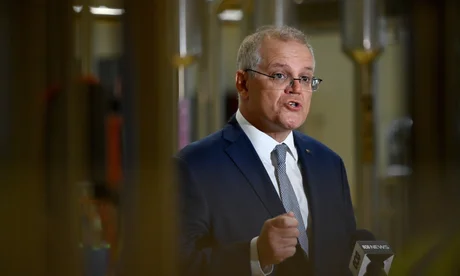
Former Australian Prime Minister Scott Morrison has drawn sharp criticism over proposals to regulate Islam, prompting debate on religious freedom. The focus keyword, religious freedom, dominates this discourse, appearing in the first hundred words of the discussion. Morrison suggested a national register and formal accreditation for imams, alongside tighter scrutiny of foreign funding in religious institutions. Speaking at an antisemitism conference in Jerusalem, he argued these measures were essential following the Bondi terror attack, linking the tragedy to “radicalised extremist Islam” and urging Muslim organisations to act decisively against hate.
Leading Islamic groups, including the Australian Federation of Islamic Councils (AFIC), labelled Morrison’s remarks as “deeply ill-informed” and “dangerous,” asserting they threaten religious freedom. Dr Rateb Jneid, AFIC president, condemned the proposal as a fundamental attack on equality under the law, warning that it unfairly categorises Muslims as either “acceptable” or “unacceptable.” He emphasised that such rhetoric undermines community cohesion and risks normalising division. AFIC strongly rejected the notion that Islam requires state-imposed oversight or special regulation.

Aftab Malik, Australia’s federal envoy on Islamophobia, also cautioned against using extremism as justification to police faith, stressing that criminal acts should not taint an entire religious community. He noted that protecting religious freedom is crucial for social trust, warning that unfair scrutiny of Muslims could foster alienation and inadvertently fuel extremist behaviour. Similarly, Australia’s Race Discrimination Commissioner, Giridharan Sivaraman, supported the principle of accountability in religion but urged policymakers to avoid singling out specific communities, highlighting the risk of racial vilification and social discord.
Defence Minister Pat Conroy reinforced the value of the Muslim community, calling Morrison’s proposal “troubling” while acknowledging the contributions of Australian Muslims in condemning extremism. Morrison, citing examples from countries like Saudi Arabia, Jordan, and Bahrain, argued that regulated religious teaching and accreditation of imams would protect communities and ensure compliance with Australian law. He compared it to existing requirements for Anglican ministers, where proper training and accreditation are mandatory.
Yet, the Australian National Imams Council (ANIC) dismissed Morrison’s suggestions as “deeply ill-informed,” highlighting that Islamic teachings are already translated and accessible, negating the need for additional measures. Bilal Rauf, ANIC adviser, stressed that attacks by extremists should not implicate entire religious communities. He reminded the public that during the Christchurch mosque shootings, collective blame was rightly avoided, underscoring that consistent standards of non-discrimination must apply.
The ANIC also criticised senior Liberal figures, including Senator Andrew Bragg, for supporting Morrison’s comments. Bragg suggested Muslims bear partial responsibility for extremism, a claim the ANIC described as divisive and indicative of leadership failure. The council emphasised that effective governance relies on calm, balanced rhetoric rather than amplifying fear or mistrust among communities.
Morrison defended his proposals, asserting they do not constitute government control of religion but aim to enforce responsibility and accountability within religious institutions. Critics, however, pointed to his controversial handling of multiple ministerial appointments during the Covid pandemic as evidence of problematic decision-making without proper accountability.
Voices from other Muslim associations, including Gamel Kheir from the Lebanese Muslim Association, highlighted that extremism must be understood in the context of wider societal trends, including rising neo-Nazism, and should not be blamed solely on Islamic communities. Scholars and community leaders reiterated that religious freedom is foundational to Australian democracy and must be protected, even while addressing extremism.
The debate ignited by Morrison underscores the tension between security measures and religious liberty, showing how political rhetoric can affect social cohesion. Religious freedom remains a critical issue in Australia’s national dialogue, as leaders and communities navigate the balance between preventing violence and safeguarding fundamental rights. Experts warn that singling out one faith risks alienating entire communities and undermining collective efforts to combat extremism while reinforcing inclusive principles.
This controversy highlights broader questions about how policymakers approach extremism without infringing on rights. While accountability in faith-based organisations is universally recognised, imposing state oversight selectively can erode trust and fuel division. Observers caution that responsible leadership requires engaging communities in dialogue, supporting internal governance, and maintaining equitable treatment across religions to uphold social harmony. Morrison’s comments have, however, reignited debates over national security, extremism, and the boundaries of religious regulation in Australia.

As the conversation continues, faith groups and human rights advocates stress that religious freedom cannot be compromised for political expediency. Ensuring safety while preserving liberties is a delicate task, one that calls for careful, informed, and inclusive policymaking. Public discussions on extremism should be guided by evidence and law, not rhetoric that risks isolating entire communities. Australian society’s commitment to pluralism and equality depends on protecting religious freedom while addressing genuine threats collaboratively.
Morrison’s approach to regulating Islam, though framed as protecting communities, has been widely challenged for potentially undermining religious freedom, highlighting the need for careful, informed leadership. Australia’s focus on extremism and religious accountability must balance security imperatives with respect for diverse faiths, avoiding policies that could inadvertently marginalise or stigmatise law-abiding citizens. Community voices insist that any regulatory frameworks must strengthen, not weaken, fundamental rights, ensuring cohesion and trust among Australia’s multicultural population.
The debate around religious freedom in Australia reflects broader global discussions about how democracies confront extremism while safeguarding civil liberties. Observers agree that careful dialogue, inclusive policies, and transparent practices are essential to protect freedoms, maintain social cohesion, and prevent discrimination. Ensuring religious freedom requires vigilance, informed policymaking, and a commitment to equity, demonstrating that security and liberty are not mutually exclusive but must coexist to sustain democratic values and community trust in contemporary society.
Related News:
 Liberal Turmoil Threatens Victorian Election Hopes
 Hanson and Joyce Use Rinehart Jet to Tour Flooded Queensland
 Labor’s Hate Speech and Gun Laws Face Federal Roadblocks
 Nationals Crisis Meeting Threatens Coalition Stability
 Sussan Ley leadership milestone shakes Liberal future
 Andrew Hastie Emerges as Leadership Rival to Ley
 Green Party Surges Past Labour in Latest UK Poll
 Celebrities and Charities Demand UK Government Act on Child Poverty
 Army Officers Orders to Cut Ties with Men-Only Clubs
 Trump’s UK Ambassador Urges North Sea Drilling to Strengthen US Ties
 FBI Director Kash Patel Defends Girlfriend Amid Government Jet Claims
 French Taxi Driver Cleared in David Lammy Theft Case After Fare Dispute
 Labour immigration crackdown could cost UK £4.4bn
BBC to Apologise Over Edited Trump Speech Amid Backlash
Labour immigration crackdown could cost UK £4.4bn
BBC to Apologise Over Edited Trump Speech Amid Backlash
 Britain deploys RAF specialists to assist Belgium with drone threats
 ‘Reckless’ cuts to victims’ services will cost more than they save
 Millionaires group urge Reeves to introduce wealth tax to ‘lift kids out of poverty’
 Starmer Faces Growing Dissent as Labour MPs Weigh Leadership Challenge
 Reeves rejects £1bn plea for NHS redundancy payouts
 Politics latest: Starmer ‘will fight any leadership coup’ as Streeting denies attempt to oust Labour PM
 PM Condemns Leaks, Vows Loyalty to Ministers and Stability
 Major Rent Reform Ends No-Fault Evictions in England
 Peers Flood Assisted Dying Bill with 942 Amendments
 England’s Special Needs Support Faces Breaking Point
 Senator John Fetterman Hospitalized After Fall from Heart Flare-Up, Keeps Sense of Humor
 US Justice Department Files Lawsuit Against California Over Partisan Voting Maps
 Greene Pushes Epstein Files Amid Trump Fallout
 Trump Deploys DHS to Charlotte in Major Arrest Operation
 December Run-Off in Chile as Election Produces No Winner
 Canada Passes Carney’s First Budget in Tight Parliamentary Vote
 Shadow Fleet at Sea: Europe’s Battle Against Illicit Oil Shipping
 Pentagon Officials in Ukraine to Discuss War End
 Venezuela Threatens Nobel Winner Machado with Fugitive Status
 Most Tories Expect to Support a Farage-Led Government
 Labour MP claims devolution bill is ‘blatant discrimination’ against Cornwall
 Millions Face Higher Taxes Under Reeves New Budget
 Georgians Defy Government Crackdown After Year of Protests
 US National Guard Member Killed in DC Shooting
 ICC to Rule on Duterte’s Provisional Release
 Jordan Bardella: France’s Young Presidential Contender
 Starmer Says Labour’s Economic Plan Needs Years to Deliver
 EU plans $105bn Ukraine aid using frozen Russian assets
 Global campaign launched to free Palestinian leader Barghouti
 Culture secretary to review Telegraph takeover by Daily Mail owner
 Khaleda Zia Death in Bangladesh: First Female PM Dies at 80
 Russia losses Ukraine war peace talks intensify amid rising deaths
 Zelenskyy Accuses Russia of Sabotaging Peace Talks
 Albanese Opens Door to Bondi Royal Commission Amid Rising Pressure
 Trump Escalates Minnesota Immigration Surge Amid Rising Tensions
 Iran Protesters Defy Crackdown as Violent Clashes Intensify
 Adelaide Festival Sparks Widespread Controversy Among Writers
 Homeland security agents deployed amid Minneapolis protests
 Plans to Limit Jury Trials Face Retreat After Mounting Opposition
 Trump Threatens Strong Action If Iran Executes Protesters
 US Senate rejects resolution limiting Trump military powers
 Quebec Premier François Legault Resigns in Surprise Move
 Machado Trump medal gesture reshapes Venezuela power struggle
 Right Must Unite After Jenrick Defection, Urges Rees-Mogg
 EU weighs response amid Greenland tariff crisis with Trump
 Sydney Shark Attack Surge Shocks Australia Beaches
 ICE street raids expose a chilling future for public freedoms
 UK Ministers Drop Foreign Student Targets for Global Education Push
 MPs warn AI financial risks threaten UK stability
 MPs warn AI financial risks threaten UK stability
 NSW Shark Attacks Surge, Authorities Urge Swimmers to Stay Out
 No Gas Boiler Ban as UK Warm Homes Plan Backs Heat Pumps
 Hugh Grant Joins Call for Under-16 Social Media Ban in UK
 Shinzo Abe’s killer receives life sentence in Japan
 Coalition crisis deepens after Nationals frontbench resignations
 Lords Vote Piles Pressure on Starmer Over Social Media Ban
 Deadly NSW Shooting Leaves Three Dead, Gunman Escapes
 EU Says US Ties Have Suffered ‘Big Blow’ After Greenland Crisis
 Record-Breaking Heat Looms Over South-East Australia as Catastrophic Fire Risk Escalates
 Satire Can Skewer Trump, But It Won’t Save Democracy
 Reform UK Health Plan ‘Would Cost £1.7bn’, Streeting Says
 Police response times face strict new national limits
 Labour policing overhaul sparks fears over growing central control
 Tories criticised after Braverman defection sparks mental health row
 Starmer warns of toxic division politics in Reform challenge
 Starmer China visit raises human rights pressure on Beijing