Published: 27 February 2026. The English Chronicle Desk. The English Chronicle Online.
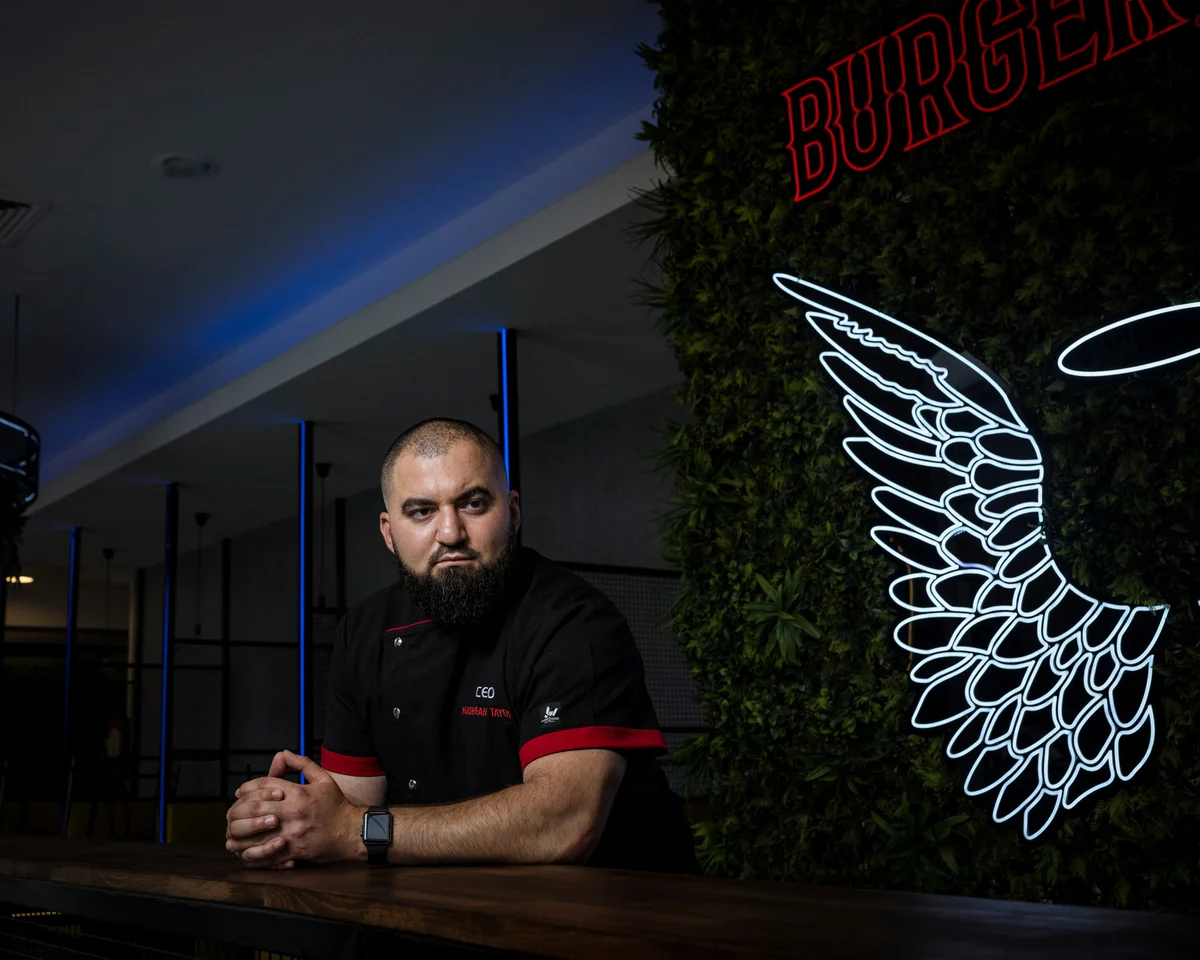
The legal landscape regarding public protest and free speech has faced a significant test this week. A high profile ruling from a Victorian tribunal has sent shockwaves through the local community groups. The case centered on the actions of Hash Tayeh during a large pro-Palestine rally last year. Mr Tayeh is well known as the founder of the popular burger chain called Burgertory. He was accused of using language that crossed the line into racial and religious vilification. The specific phrase at the heart of this legal battle was a very controversial chant. This chant claimed that all Zionists are terrorists during a busy protest in Melbourne city.
Menachem Vorchheimer brought this serious case to the Victorian Civil and Administrative Tribunal for a review. He argued that the words used by Mr Tayeh were deeply harmful to Jewish people. Mr Vorchheimer stated that being labeled a terrorist for his identity was a soul destroying experience. He expressed that the rhetoric made him feel dehumanized and very unsafe in public spaces. The tribunal had to decide if the word Zionist was being used as a code. Many people believe that this term is often used to target the Jewish community directly. Mr Vorchheimer explained that he now avoids the city center due to a fear of attacks.
The legal proceedings focused heavily on the definition of the word Zionist in a modern context. Mr Tayeh defended his actions by claiming he was only criticizing a specific political regime today. He argued that there was a clear distinction between political belief and religious identity in court. His legal team suggested that the chant referred only to actions taken after October 2023. They maintained that ordinary rally participants understood this distinction clearly during the loud event itself. However, Judge My Anh Tran did not fully accept this specific line of legal defense. The judge agreed that the word Zionist can have many different meanings to different people.

Despite this nuance, the judge found a very strong association between Zionists and Jewish people. She noted that the use of the word all made the statement much more absolute. This broad generalization suggested that an entire group was responsible for heinous acts of terror. The judge found that the chant had a tendency to enhance feelings of extreme hatred. Using antisemitic tropes and Holocaust themes at the rally further strengthened this negative mental association. The court ruled that such language was inherently likely to incite very strong emotional responses. These emotions included hatred and serious contempt toward a specific group based on their race.
The Victorian Racial and Religious Tolerance Act sets a high bar for such legal findings. Mr Vorchheimer did not need to prove that Mr Tayeh intended to cause specific hatred. The law focuses on the natural effect the words have on an ordinary listener instead. Motivation only becomes relevant when a person attempts to use a specific legal defense strategy. These defenses include acts done in good faith for the sake of the public interest. Mr Tayeh claimed his purpose was to protest the current actions of the Israeli government. The tribunal found that his chant actually went much further than a simple political protest.
Judge Tran concluded that the chant was directed at anyone supporting Israel as a state. This meant the scope of the attack was far wider than Mr Tayeh claimed. The judge ruled that the natural effect of thousands of people chanting was very dangerous. Such a collective display could easily tip participants over the threshold into actual racial hatred. This ruling highlights the fine line between political speech and illegal vilification in modern society. It serves as a landmark decision for how protest language is viewed by the law. The community has watched this case closely because of its implications for future public rallies.
The fallout from this ruling has been immediate across social media and local news outlets. Many people are debating the balance between the right to protest and community safety today. Mr Tayeh has already indicated that he plans to appeal this specific tribunal decision soon. He maintains that his intentions were purely political and not based on any religious bias. Meanwhile, supporters of Mr Vorchheimer have welcomed the ruling as a victory for civil protections. They believe it sends a clear message that hate speech will not be tolerated easily. The emotional toll on the Jewish community was a central theme throughout the entire case.
The consequences for Mr Tayeh are yet to be fully determined by the Victorian tribunal. Mr Vorchheimer has requested several specific orders to be made against the famous business owner. He wants Mr Tayeh to be prevented from engaging in similar conduct in the future. He also seeks a public apology and a large donation to a chosen charity. A sum of twenty thousand dollars has been suggested as a fitting financial penalty here. Judge Tran will hold a separate hearing to decide on these specific legal consequences later. This ensures that both sides can present further arguments regarding the appropriate punishment or remedy.
This case is part of a broader trend of legal actions involving public figures. Mr Vorchheimer had previously initiated similar applications against other leaders, including some from the Greens party. Those cases were withdrawn, but the action against Mr Tayeh proceeded to a final ruling. The outcome demonstrates that the tribunal is willing to penalize language it deems to be hateful. It also shows that the context of a rally does not excuse vilification. Even in the heat of a protest, individuals are expected to follow the law. This ruling provides a framework for how similar phrases might be judged in the future.

The English Chronicle will continue to follow this story as the appeal process begins soon. It is a complex issue that touches on law, politics, and deeply held human identities. Many observers believe this case will influence how organizers plan their events in the coming months. Ensuring that protests remain peaceful and respectful is a priority for most local authorities today. The ruling emphasizes that words have power and can cause real harm to many people. As the legal battle continues, the focus remains on protecting the rights of all citizens. This decision marks a pivotal moment for racial and religious tolerance laws in Australia.
The impact on the Burgertory brand is also a point of discussion among many consumers. Some customers have expressed their support for the founder, while others have called for boycotts. Mr Tayeh’s role as a public figure and a business leader adds another layer. It shows that personal actions at a rally can have professional consequences in the world. The tribunal’s focus remained strictly on the legality of the speech under the specific Act. It did not weigh in on the broader political conflict occurring in the Middle East. The goal was to determine if Victorian law had been broken on that day.
As we look toward the next hearing, the community remains divided on the final outcome. Legal experts are analyzing the judge’s reasoning to see how it might apply elsewhere. The distinction between political criticism and religious vilification remains a very sensitive and difficult topic. This ruling suggests that using broad labels like terrorist can be legally actionable in certain contexts. It serves as a reminder to all public speakers to choose their words carefully. The pursuit of justice for victims of vilification continues to be a major social priority. We expect more updates on this significant legal matter in the very near future.
Related News:
 Grief, Fear and Fury: Mothers Unite to End Israeli-Palestinian Violence
 Iran Leader Blames Protesters, Says They Serve Trump
 Thousands Protest ICE in New York Against Trump Deportation Campaign
 Australian Women in Syrian Camp Offer Separation Deal
 Hong Kong Bookstore Arrests Spark New Freedom Concerns
 Death, displacement and military duties: children plunged into crisis
 ICE Detains Soldier’s Bride Days After Louisiana Wedding
 Bondi Nanny Adriana Rivas to Face Extradition to Chile
 Aid Crisis Grows as Hormuz War Disrupts Supply
 Judge halts deportation of Yemeni refugees in US
 Activists allege abuse after Gaza flotilla seizure
 Alice Springs Murder Case: Justice Begins for Little Baby
 Afghan Families Left in Limbo Face Risk of Deportation
 Three Australian Women Detained Over Islamic State Links
 Trump Announces 3-Day Russia–Ukraine Ceasefire Deal
 Israeli Strikes in Lebanon Kill 10 Amid Ceasefire Strain
 China mine blast death toll rises to 90
 Ebola outbreak in DRC overwhelms health system as cases surge
 Former ICC prosecutor condemns US sanctions
 Preserving the Fragile Memories of Tiananmen Square
 Sydney Protest Trial: Twenty-Five Activists to Face Joint Hearing
 Unflinching Witness: Doctors Document Gaza’s Medical Crisis
 New Footage Revives Peter Falconio Mystery
 Ukraine Creates Long-Range Strike Command
 Dreyfus Statue Finally Gets Permanent Paris Home
 Taliban global ties grow as rights fears mount
 Israeli Strike in Southern Lebanon Kills Seven
 Five Years of Taliban Rule Leave Afghanistan in Crisis
 BBC to Apologise Over Edited Trump Speech Amid Backlash
 Britain deploys RAF specialists to assist Belgium with drone threats
 Greene Pushes Epstein Files Amid Trump Fallout
 December Run-Off in Chile as Election Produces No Winner
 Zelenskyy Signs Fighter Jet Deal Amid Russian Drone Attacks
 Shadow Fleet at Sea: Europe’s Battle Against Illicit Oil Shipping
 Tiny Curacao Makes History as Smallest Nation to Reach World Cup
 US Suspends Afghan Immigration After White House Shooting
 Georgians Defy Government Crackdown After Year of Protests
 ‘Extinct’ Antelope Returns to Sahara, Bringing Hope
 Irish Beach Tragedy: Irish Drown at Whitehaven Beach in Australia
 Sanctioned oil tankers sail Channel amid Russia scrutiny
 Pentagon Signals Reduced Role in Deterring North Korea
 UK and US Drop in Global Corruption Index Rankings
 SA Police Intensify Search in Gus Lamont Case
 Canberra Poster Seizure Sparks Free Speech Row
 Evo Morales Returns After Mysterious Absence
 Jacinda Ardern Moves To Australia Following Her US Fellowships
 Jacinda Ardern Move Sparks Kiwi Reflection
 Iranian Australian community divided after vigils
 UK Rescue Flight Delayed Amid Middle East War
 Iran Defiance Grows Amid US-Israel War Pressure
 US Missile Strike on Iran School Sparks Global Shock
 Australian Petrol Crisis Deepens as Local Stations Run Dry
 Oil Slides, Stocks Jump on Trump Peace Signals
 Danish Election Deadlock Shakes Frederiksen’s Grip
 Pope Rebukes Leaders for War as Middle East Tensions Rise
 Army Probes Apache Flyover at Kid Rock’s Nashville Estate
 Artemis II: Humanity Returns to the Moon After Decades
 Nuns of Schloss Goldenstein Move Closer to Staying Home
 Italian Town Buys Mussolini Villa to Keep Away Fascist Fans
 Report Says Pezzullo Acted ‘Recklessly’ in Dealings
 Trump and Tehran Find Common Ground in Landmark Ceasefire
 Suspected Plot Targets Pipeline Before Hungary Vote
 Reeves Slams Trump Over Iran War Lack Of Exit Plan
 Kyiv and Odesa Mourn After Deadly Wave of Russian Strikes
 Learner Driver Charged After Expo Tragedy
 Prominent Voices Challenge Palestine Action Ban
 Coalition pushes fossil fuel phaseout plan
 Trump approval plunges amid Iran war fears
 US ‘Narco Boat’ Strikes Draw Global Outcry
 FIFA Confirms Global Ban for Benfica Star Prestianni
 Putin Signals War End as Russian Momentum Stalls
 Scepticism and tight security as Beijing braces for Trump
 Philippine Senator Flees After Days Under Senate Siege
 Tensions Flare as Israeli Nationalists March in Jerusalem
 High Street Crisis: Fears Grow Over Post Office Closures
 Oil Markets Face ‘Red Zone’ Threat Amid Iran Crisis
 Pope Meets Families in Italy Toxic Waste Zone
 Aukus Deal Facing Fierce Backing and Historic Criticism
 Florida Executes One of Its Oldest Death Row Prisoners
 Houthis Strike Saudi Arabia as Middle East Tensions Rise