Published: 02 March 2026. The English Chronicle Desk. The English Chronicle Online.
UK personnel were positioned just 200 metres from an Iranian missile strike in Bahrain, placing British forces alarmingly close to a rapidly escalating regional conflict. The Iranian missile strike targeted a US naval base on Saturday, intensifying fears of wider confrontation across the Middle East. Around 300 British service members were stationed nearby when the attack unfolded, according to defence sources.
Officials confirmed there were no casualties among British personnel following the Iranian missile strike. However, the proximity of the explosion has sharpened concern in Westminster and among military planners. The strike formed part of more than 25 waves of retaliatory action launched by Tehran. These attacks followed a large-scale joint bombing campaign carried out by the United States and Israel.
The initial offensive reportedly targeted key Iranian military and political leadership sites. Among those killed was Iran’s supreme leader, Ali Khamenei, alongside other senior officials. Tehran’s response has since stretched across several Gulf states, drawing in regional and Western forces. The Iranian missile strike in Bahrain has become one of the most serious incidents involving British troops.

British forces have also been involved in defensive engagements elsewhere in the region. In Iraq, UK personnel shot down an Iranian drone believed to be heading towards a western military installation. A separate Iranian missile landed roughly 400 metres from British troops conducting counter-Islamic State operations. Defence officials described those moments as tense but controlled.
Another drone was intercepted over the Gulf as it travelled towards Qatar. A Royal Air Force Typhoon jet fired an air-to-air missile, destroying the incoming aircraft. The Ministry of Defence confirmed the interception late on Sunday evening. These actions underline Britain’s defensive posture amid widening hostilities.
The UK government has stressed that it is not participating in offensive operations against Iran. Instead, ministers describe Britain’s role as focused on protecting allies and safeguarding regional stability. The Iranian missile strike has nonetheless highlighted the risks facing deployed personnel. British jets operating from RAF Akrotiri in Cyprus have been mobilised to counter aerial threats. Aircraft have also flown from Al Udeid Air Base in Qatar to intercept drones and cruise missiles.
While these jets can effectively target slower-moving threats, ballistic missiles remain far harder to counter. Defence analysts note that high-speed projectiles allow minimal reaction time once launched. The Iranian missile strike in Bahrain demonstrated the speed and reach of such weapons.
John Healey, the UK defence secretary, described Iran’s actions as increasingly indiscriminate. John Healey said Britain was acting to shield both civilian and military sites. He acknowledged public anxiety about airports and hotels coming under fire. His remarks reflected growing alarm over the conflict’s expanding geographic scope.
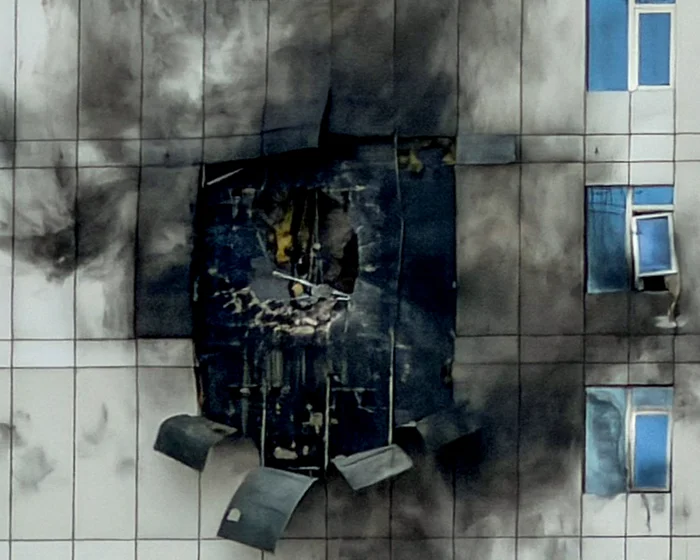
Tehran’s retaliatory campaign has extended well beyond military installations. Strikes have reportedly hit sites in Israel, Kuwait, Bahrain, Qatar, Saudi Arabia, the United Arab Emirates, and Jordan. In Kuwait, missiles were said to have targeted the international airport. In Dubai, the Fairmont hotel suffered damage during a drone assault. A skyscraper in Bahrain was also struck.
These incidents have shaken assumptions about safe zones within the Gulf. Locations once considered insulated from direct conflict are now exposed to risk. The Iranian missile strike near British personnel symbolises this dangerous shift.
Iran also launched two missiles into the eastern Mediterranean, travelling in the direction of Cyprus. Officials do not believe those projectiles were aimed at British facilities. Instead, they may have been directed towards the US Navy’s USS Gerald R. Ford Carrier Strike Group operating nearby. Even so, the launches prompted heightened alert levels across British bases.
All UK personnel in the Middle East are reported safe and accounted for. Commanders have placed troops on the highest state of readiness. Locations and deployments are under constant review as intelligence assessments evolve. The Iranian missile strike has reinforced the need for flexibility and rapid response.
Military families in Britain are closely monitoring developments. Many have expressed relief that no casualties occurred during the Bahrain incident. Yet concern persists about what further escalation could bring. The government has emphasised that force protection remains its top priority.
Diplomatic efforts are also intensifying behind the scenes. European leaders have urged restraint from all parties involved. The legality of the initial US-Israeli bombing campaign has been widely questioned. Critics argue it lacked clear grounding in international law.
Within Parliament, opposition figures have sought clarification about Britain’s precise role. Ministers insist that UK involvement remains strictly defensive. They point to drone interceptions and missile tracking as necessary measures. The Iranian missile strike has nonetheless prompted debate about the risks of regional entanglement.
Security experts warn that miscalculation could widen the war further. The Gulf hosts numerous Western bases, making it strategically sensitive. A single missile landing metres from foreign troops can carry immense political consequences. Saturday’s near miss in Bahrain illustrates that stark reality.
Regional governments are grappling with domestic pressures as well. Civilian casualties have so far been limited, but infrastructure damage is mounting. Airports, hotels, and commercial towers represent symbols of economic stability. Their targeting sends a powerful psychological message.
Energy markets have reacted nervously to each wave of retaliation. The Gulf remains central to global oil supply chains. Any sustained disruption could ripple through international economies. British officials are monitoring both security and economic implications.

For now, the immediate focus remains on preventing further loss of life. Defence planners continue coordinating closely with allies. Surveillance operations have increased across air and sea corridors. The Iranian missile strike serves as a reminder of how swiftly tensions can escalate.
In Cyprus and Qatar, British crews remain vigilant around the clock. Typhoon jets stand ready for rapid deployment. Ground-based systems supplement aerial patrols where possible. Yet ballistic threats remain the most challenging obstacle.
Healey has reiterated Britain’s commitment to regional security partnerships. He has also called for urgent diplomatic engagement to reduce hostilities. The coming days may prove decisive in shaping the conflict’s trajectory.
The Iranian missile strike near UK personnel marks a sobering chapter in this unfolding crisis. It underscores the vulnerability of even well-defended installations. While no British lives were lost, the margin was perilously narrow.
As events continue to unfold, clarity and caution will be essential. Britain faces the delicate task of protecting its forces without fuelling escalation. The situation remains fluid, and further developments are likely. For now, the safety of UK personnel offers a moment of relief amid mounting uncertainty.
Related News:
 BBC to Apologise Over Edited Trump Speech Amid Backlash
 Britain deploys RAF specialists to assist Belgium with drone threats
 Palace May Restore Hyphen to Andrew Mountbatten-Windsor’s Name
 Greene Pushes Epstein Files Amid Trump Fallout
 December Run-Off in Chile as Election Produces No Winner
 Zelenskyy Signs Fighter Jet Deal Amid Russian Drone Attacks
 Canada Passes Carney’s First Budget in Tight Parliamentary Vote
 Shadow Fleet at Sea: Europe’s Battle Against Illicit Oil Shipping
 Tiny Curacao Makes History as Smallest Nation to Reach World Cup
 Deadly Russian Strikes Hit Western Ukraine, 20 Killed in Ternopil
 Ukraine Peace Plan: Zelensky Ready for Dialogue
 Royal Navy Shadows Russian Warships Entering the Channel
 US Suspends Afghan Immigration After White House Shooting
 Georgians Defy Government Crackdown After Year of Protests
 Tokyo court rules Japan’s same-sex marriage ban constitutional
 ‘Extinct’ Antelope Returns to Sahara, Bringing Hope
 American Mother Extradited From UK to U.S. on Murder Charges
 Irish Beach Tragedy: Irish Drown at Whitehaven Beach in Australia
 Sanctioned oil tankers sail Channel amid Russia scrutiny
 US and UK Withdraw Personnel as Middle East Tensions Rise
 Half the World’s Largest Cities Face Rising Water Stress
 Pentagon Signals Reduced Role in Deterring North Korea
 UK and US Drop in Global Corruption Index Rankings
 SA Police Intensify Search in Gus Lamont Case
 Canberra Poster Seizure Sparks Free Speech Row
 Evo Morales Returns After Mysterious Absence
 El Mencho Killed as Mexico Faces Violence
 Australian children in Syria deserve safe return
 Greenpeace $345m Ruling Sparks Appeal Battle
 Jacinda Ardern Moves To Australia Following Her US Fellowships
 Jacinda Ardern Move Sparks Kiwi Reflection
 Middle East Airspace Crisis Strands Thousands
 Iranian Australian community divided after vigils
 UK Rescue Flight Delayed Amid Middle East War
 Seventh US Service Member Killed in Iran Conflict Identified
 Iran Defiance Grows Amid US-Israel War Pressure
 US Missile Strike on Iran School Sparks Global Shock
 Canada Plasma Deaths Raise Safety Concerns After Two Donors Die
 US Attack on IRIS Dena Shocks Indian Ocean Security
 Australian Petrol Crisis Deepens as Local Stations Run Dry
 Oil Slides, Stocks Jump on Trump Peace Signals
 Danish Election Deadlock Shakes Frederiksen’s Grip
 Pope Rebukes Leaders for War as Middle East Tensions Rise
 Army Probes Apache Flyover at Kid Rock’s Nashville Estate
 Artemis II: Humanity Returns to the Moon After Decades
 Nuns of Schloss Goldenstein Move Closer to Staying Home
 Italian Town Buys Mussolini Villa to Keep Away Fascist Fans
 Report Says Pezzullo Acted ‘Recklessly’ in Dealings
 Trump and Tehran Find Common Ground in Landmark Ceasefire
 Trump Employs Nixon’s Madman Theory Amid Iran Crisis
 Singapore Pledges Stable Fuel Supply for Australia
 Suspected Plot Targets Pipeline Before Hungary Vote
 Reeves Slams Trump Over Iran War Lack Of Exit Plan
 Learner Driver Charged After Expo Tragedy
 Coalition pushes fossil fuel phaseout plan
 Trump approval plunges amid Iran war fears
 Ohio’s Battle for Trust: Democrats Vying to Flip the Buckeye State
 US ‘Narco Boat’ Strikes Draw Global Outcry
 FIFA Confirms Global Ban for Benfica Star Prestianni
 US Awaits Iran Reply on New Ceasefire Proposal
 US and Mexico Face Heatwave as Floods Batter South Africa
 Putin Signals War End as Russian Momentum Stalls
 Australia Welcomes the Iconic Michelin Guide
 Scepticism and tight security as Beijing braces for Trump
 Philippine Senator Flees After Days Under Senate Siege
 Tensions Flare as Israeli Nationalists March in Jerusalem
 High Street Crisis: Fears Grow Over Post Office Closures
 Xi Hosts Putin for Talks Right After Trump Visit
 Fragile Truce Shattered as Violence Escapes Diplomatic Control
 Oil Markets Face ‘Red Zone’ Threat Amid Iran Crisis
 Pope Meets Families in Italy Toxic Waste Zone
 Discontent grows around Putin amid war strain
 US Strikes Iranian Sites Amid Shaky Ceasefire Talks
 Starmer Leadership Under Pressure After Setbacks
 Papal Visit Offers Political Lifeline to Spanish Premier
 Aukus Deal Facing Fierce Backing and Historic Criticism
 Thai Princess Bajrakitiyabha Passes Away at 47
 Le Pen to Run for President Despite Embezzlement Conviction
 Ukraine Creates Long-Range Strike Command
 Houthis Strike Saudi Arabia as Middle East Tensions Rise