Published: 3 March 2026
The English Chronicle Desk
The English Chronicle Online
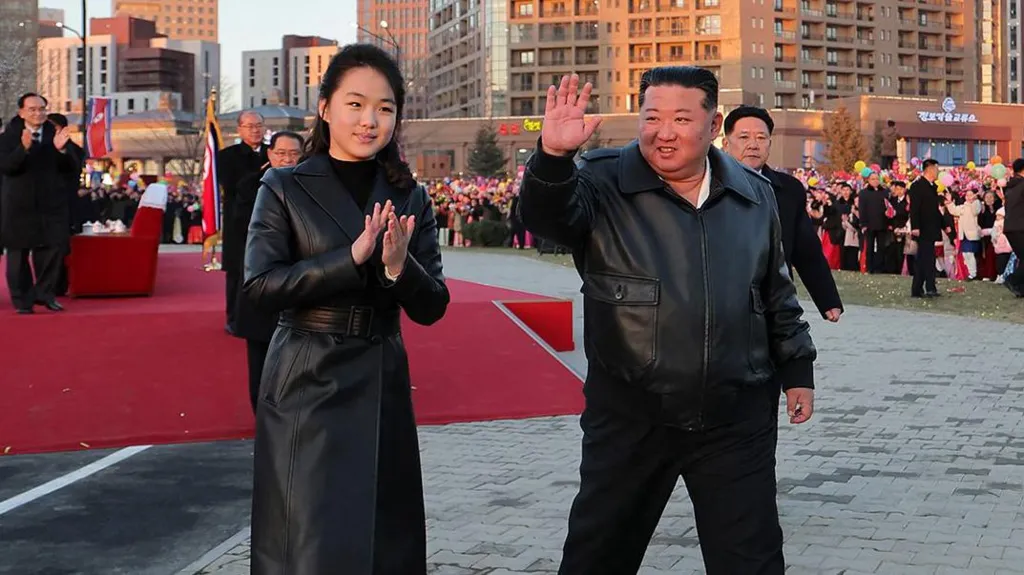
In one of the most closely watched political developments in North Korea in years, speculation is mounting that Kim Jong Un’s teenage daughter, Kim Ju Ae, could be groomed as the next leader of the isolated state — a succession that would represent an unprecedented continuation of dynastic inheritance in Pyongyang’s rigid political system. Analysts and intelligence officials say recent state media appearances and messaging suggest she may be positioned to inherit power, even though she is still in her early teens.

Kim Ju Ae, believed to be about 13 or 14 years old, has appeared increasingly prominently beside her father at public events and military displays. Most recently, she was seen at a major military parade and shown in state media firing a rifle at a shooting range, images that South Korean and other observers interpret as signalling her emerging role in the regime’s succession planning.
South Korea’s National Intelligence Service (NIS) has told lawmakers that North Korea appears to be formalising her status as the likely successor, with her name now described as being in the “internally appointed successor” stage — a shift from prior language that referred only to early‑stage grooming. Intelligence officials point to her growing visibility at key political and military functions and hints in strategic messaging that she may eventually lead the Workers’ Party of Korea and the state.
Historically, leadership in North Korea has been passed down through the Kim family dynasty — from founder Kim Il Sung to his son Kim Jong Il, and then from Jong Il to his son Kim Jong Un — reinforcing the idea of hereditary rule within a totalitarian structure. Ju Ae’s elevation would extend that lineage into a fourth generation, cementing the family’s hold on power.
Despite the speculation, significant structural and cultural hurdles remain before Ju Ae could actually assume supreme leadership. She is far below the age required for formal party membership and official office under current party rules, and North Korea’s deeply patriarchal system has never seen a woman serve as supreme leader. Analysts note that her prominent appearances could also be symbolic messaging aimed at reinforcing the Kim family’s legitimacy rather than an indication of imminent transfer of power.
Another influential figure, Kim Yo Jong — Kim Jong Un’s sister and a veteran party official — has also been elevated within the regime’s power structure. Her promotion to a senior party role at the recent party congress suggests that elite factions may still play a central role in any eventual transition, potentially acting as kingmakers or regents should Ju Ae’s leadership be formalised.

Observers caution that interpreting North Korean internal politics is inherently difficult due to the regime’s opacity and strict control of official narratives. What may appear as succession planning could equally serve as propaganda for internal morale and elite consolidation. Nonetheless, the pattern of Ju Ae’s public engagements and coded signals from state messaging has prompted rare external consensus that she is being prepared — at least in image and expectation — as the face of the next generation of leadership.
Related News:
 After the Landslide: Can India Reset Ties with BNP Bangladesh?
 China Strikes at Japan’s Core — Will PM Takaichi Back Down?
 Japan Braces as Takaichi Begins New Term with Huge Mandate for Low‑Tax, Ultra‑Conservative Agenda
 South Korea’s Ex-President Faces Death Penalty in Insurrection Trial
 Kim Jong Un Reappointed as Ruling Party Chief
 The Taekwondo Teacher Tasked With Healing India’s Troubled State
 Japan to Deploy Missiles on Island Near Taiwan by 2031
 Nine Killed in Karachi Consulate Protest
 Kinnock’s Rebuke Echoes Loudly as Corbyn Allies Launch Left-Wing Breakaway: “A Gift to Farage”
 UK and Norway Forge Stronger Ties Through Joint Sanctions and Enhanced Defence Cooperation
 Trump Administration Dismisses 17 Immigration Judges, Sparking Debate Over Judicial Independence
 UK Must Act with Courage and Clarity on Israel-Palestine Conflict, Says Foreign Affairs Committee Report
 Trump Threatens 100% Tariff on Nations Importing Russian Oil Amid India Standoff Over Ukraine War
 Radioactive Leak at UK’s Nuclear Warhead Base Sparks Outcry Over Safety and Secrecy
 Mutual Inconvenience: Why Alaska Was Chosen for the Trump-Putin Summit on Ukraine
 Hong Kong Summons UK and Australian Envoys Following Asylum Grants to Democracy Activists
 Is the UK Ready to Put Boots on the Ground in Ukraine? Assessing Military Capacity and Challenges
 Conservative Influencer Charlie Kirk Fatally Shot During University Debate
 Thousands Gather in London to Protest Donald Trump’s Second UK State Visit
 Channel Crossings Surge: Over 1,000 People Arrive in the UK in Small Boats in a Single Day
 Widow of Charlie Kirk Forgives Killer at Emotional Memorial Service
 Denmark Investigates Professional Drone Incursions Across Multiple Airports, No Evidence of Russian Involvement
 Yvette Cooper Signals Global Momentum Towards Gaza Peace Deal Amid Humanitarian Crisis
 A Third of EU Citizens in UK Report Discrimination by Public Bodies Post-Brexit
 Public Trust in SNP Hits Historic Low Amid NHS Concerns
 Johnson Suggests Mandelson Linked to China Spy Controversy
 Rachel Reeves signals welfare reform ahead of key budget
 Ireland Votes as Two Women Compete for Presidency
 Russia’s Latest Push to Win US Favors Shows Deep Desperation
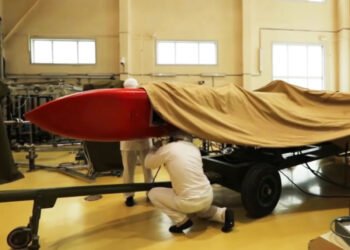 Experts Warn Russia’s Burevestnik Missile Could Destabilise Arms Control
 BBC to Apologise Over Edited Trump Speech Amid Backlash
 Britain deploys RAF specialists to assist Belgium with drone threats
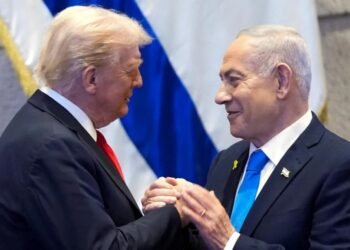 Trump Urges Herzog to Grant Netanyahu Full Pardon
 US Justice Department Files Lawsuit Against California Over Partisan Voting Maps
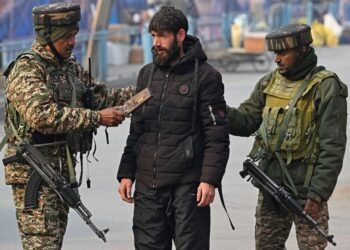 Indian authorities demolish Kashmir home linked to Red Fort blast
 Greene Pushes Epstein Files Amid Trump Fallout
 Trump Deploys DHS to Charlotte in Major Arrest Operation
 December Run-Off in Chile as Election Produces No Winner
 Canada Passes Carney’s First Budget in Tight Parliamentary Vote
 Shadow Fleet at Sea: Europe’s Battle Against Illicit Oil Shipping
 Pentagon Officials in Ukraine to Discuss War End
 India’s COP30 Delay Raises Global Climate Concerns
 Venezuela Threatens Nobel Winner Machado with Fugitive Status
 Georgians Defy Government Crackdown After Year of Protests
 EU plans $105bn Ukraine aid using frozen Russian assets
 Russia losses Ukraine war peace talks intensify amid rising deaths
 Albanese Opens Door to Bondi Royal Commission Amid Rising Pressure
 Trump Escalates Minnesota Immigration Surge Amid Rising Tensions
 Iran Protesters Defy Crackdown as Violent Clashes Intensify
 Trump Threatens Strong Action If Iran Executes Protesters
 Machado Trump medal gesture reshapes Venezuela power struggle
 EU weighs response amid Greenland tariff crisis with Trump
 EU Says US Ties Have Suffered ‘Big Blow’ After Greenland Crisis
 Andrew Hastie Emerges as Leadership Rival to Ley
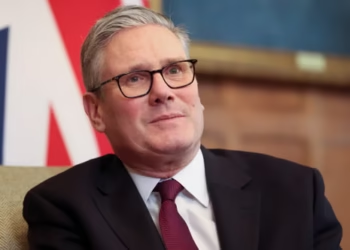 Starmer China visit raises human rights pressure on Beijing
 Israel Moves to Bar MSF From Gaza Operations
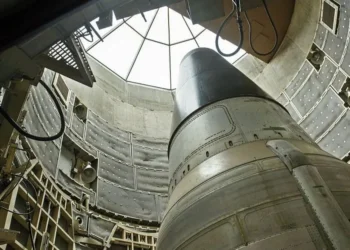 Fears of New Arms Race as US-Russia Nuclear Weapons Treaty Expires
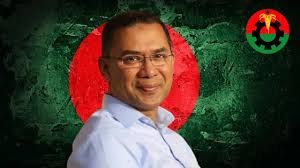 Tarique Rahman’s Rise Toward Bangladesh’s Top Job
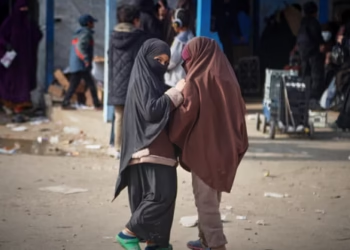 Australian Families Leave Syrian Camp for Home
 Starmer Weighs Fast-Tracking Defence Boost
 Macron Rebuked in Franco-German Defence Row
 Japan’s Lost “Tigers” Were Actually Lions, Study Reveals
 Trump Attacks UK-California Energy Pact
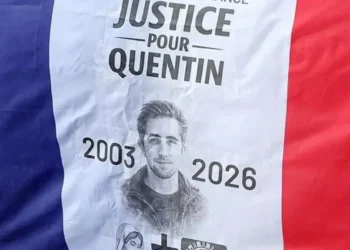 Nine Arrested in France Over Death of Far‑Right Student
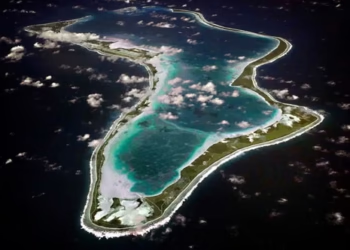 Trump and Chagos Deal Rift Over Iran Strikes
 Andrew Arrest Sparks Republic Debate in Australia
 Australian PM Says Former Prince Andrew Has Suffered ‘Extraordinary Fall’ but That Won’t Prompt Republic Referendum
 Global corruption crisis: Who Washington shields
 Musk Cuts Starlink Access for Russian Forces – Giving Ukraine an Edge at the Front
 Farage Chagos Islands Row Sparks Fury
 How South Korea’s Democracy Rebounded After Martial Law Attempt
 Ukraine Negotiator Reveals What It Feels Like Facing Russia
 Chad Shuts Border With Sudan in Bid to Stop Conflict Spreading
 French Minister Moves to Block US Envoy Kushner from Government Access
 Security Threat Against Australian PM Linked to Banned Chinese Dance Group
 Trump Speech Sparks Intense Debate Across Divided America
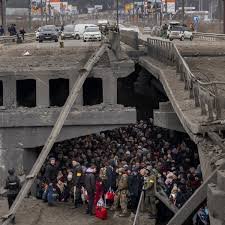 Has Europe truly learned from the failures of 2022?
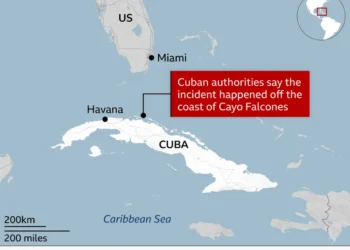 American Citizen Killed in Cuba Boat Shooting, U.S. Officials Say
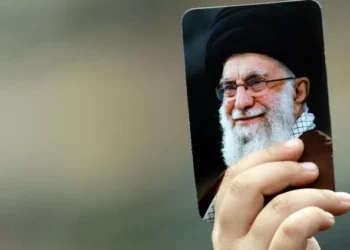 Iran’s Regime Still Intact — Coming Days Will Test Its Survival
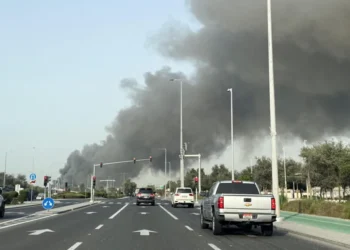 Allies of US in the Gulf Bear Brunt of Iran Attacks