Published: 02 March 2026. The English Chronicle Desk. The English Chronicle Online.
The debate over the election review has deepened divisions inside Australia’s Liberal party. Former New South Wales premier Nick Greiner has warned that suppressing the election review could spark a damaging backlash. His intervention came during a tense meeting of the party’s federal executive on Friday. According to several senior sources, he cautioned that burying the election review risked angering members and fuelling media scrutiny.
The controversy centres on a detailed assessment of the party’s 2025 federal election defeat. That contest was widely regarded as the party’s worst modern campaign performance. The internal election review was commissioned to understand the scale of failure. Instead, the decision to shelve it has triggered a fresh internal struggle.
Greiner, a respected elder within the party, sits on the federal executive. He heads a committee overseeing the New South Wales division. Sources familiar with the meeting said he urged colleagues to consider the consequences carefully. He reportedly warned that secrecy would deepen mistrust across party ranks.
The review was prepared by Pru Goward and Nick Minchin. Both figures have long experience within the Liberal movement. Their task was to examine why the 2025 campaign collapsed so dramatically. The election review was expected to offer frank and sometimes uncomfortable conclusions.
However, the federal executive voted to shelve the findings. The majority of attendees supported keeping the document confidential. That decision has angered several MPs who believe transparency would serve the party better. Some argue the secrecy could cause more harm than the findings themselves.
One senior Liberal described the situation bluntly. “This will become a monster,” the figure reportedly warned. The phrase captures the mood among those worried about simmering resentment. As details of the election review begin to leak, concerns are intensifying.
Gisele Kapterian, who narrowly lost the seat of Bradfield in 2025, criticised the move. She said keeping the report under wraps did not help anyone. Speaking to the Australian Broadcasting Corporation, she argued that a holistic strategy required openness. Her comments reflect broader frustration among grassroots members.
Although the full document has not been published, several sources have described its tone. Those briefed on the election review say it characterises the campaign as deeply flawed. The assessment reportedly labels it the worst campaign the party has fought. Such language explains why some leaders fear political fallout.
The review was originally due for release before Christmas. Its publication was delayed after objections from former leader Peter Dutton. Dutton reportedly raised concerns about sections critical of him and his team. The election review examined the relationship between his office and campaign headquarters.
Sources suggest the findings were particularly harsh on Dutton’s leadership style. The report is said to criticise the sidelining of the party’s head office. It reportedly recommends that future parliamentary leaders should not run campaigns independently. That proposal alone would reshape internal power structures.
Dutton lost his own seat during the 2025 defeat. The campaign was marred by policy missteps and strategic confusion. Critics pointed to damaging comparisons with Donald Trump and his “Maga” movement. The Liberal campaign struggled to distance itself from those associations.
Economic policy became another source of difficulty. The party promised to reverse certain income tax cuts. That pledge created uncertainty among middle-income voters. Many analysts believe the thin economic agenda weakened public confidence.
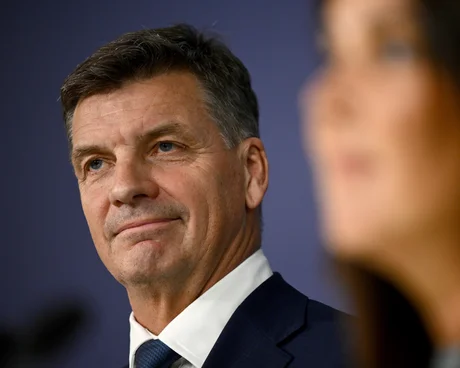
The election review also reportedly reflects poorly on current leader Angus Taylor and deputy Jane Hume. Both were central to shaping the Coalition’s financial platform. As shadow treasurer and shadow finance minister, they carried significant responsibility. Their roles inevitably placed them under scrutiny within the report.
Taylor was involved in the decision to oppose Labor’s tax cuts. That stance proved controversial during the campaign. Hume championed a work-from-home policy that was later abandoned. The abrupt reversal added to perceptions of disarray.
Hume also faced criticism over remarks referencing “Chinese spies.” Observers believe those comments alienated some Chinese Australian voters. In marginal seats with significant Chinese communities, swings moved against the Liberals. The election review is said to highlight these communication failures.
Both Taylor and Hume sit on the federal executive. Their presence during the decision to shelve the report has drawn attention. Critics argue this creates an appearance of conflict. Supporters insist the priority must be party unity.
When asked about the rationale for suppressing the document, Taylor defended the approach. He said the party needed to look forwards rather than backwards. He acknowledged the defeat was serious and lessons were required. Yet he suggested constant finger-pointing would only prolong division.
Those opposing secrecy counter that openness would rebuild trust. They argue members deserve to understand what went wrong. The election review, they believe, offers an honest foundation for renewal. Without it, rumours may flourish unchecked.
The situation has exposed fault lines between federal and state branches. Greiner’s intervention underscores concern within New South Wales ranks. As a former premier, his voice carries weight. His warning suggests unease extends beyond factional politics.
Political analysts note that internal reviews often serve dual purposes. They diagnose failure while signalling accountability. Suppressing such documents can appear defensive. In an era of instant leaks, confidentiality is rarely guaranteed.
Indeed, details of the election review have already surfaced in media reporting. Each revelation intensifies pressure on the executive. Party members question why partial disclosures replace full transparency. The longer uncertainty continues, the harder reconciliation may become.
For many Liberals, the core issue is cultural rather than tactical. They argue the party must reconnect with suburban voters. It must also refine its economic narrative. The election review reportedly addresses both themes directly.
Grassroots members have expressed frustration through internal forums. Some fear the leadership is avoiding responsibility. Others worry that reopening wounds could derail rebuilding efforts. This tension reflects the delicate balance between unity and accountability.
Observers in Canberra suggest the controversy could shape leadership dynamics. If the election review remains secret, calls for change may intensify. Conversely, releasing it might trigger short-term turmoil. Either path carries political risk.
Greiner’s warning appears rooted in long experience. Having led New South Wales during challenging times, he understands party discipline. Yet he also recognises the power of perception. Transparency, he implied, may ultimately strengthen credibility.
The broader electorate is watching closely. Voters often judge parties on how they handle defeat. A willingness to confront mistakes can signal maturity. Avoidance may reinforce narratives of internal dysfunction.

As debate continues, the future of the election review remains uncertain. Federal executives face mounting calls for reconsideration. Some insiders predict compromise through a summarised release. Others believe full publication is inevitable.
For now, the party navigates a sensitive moment. The memory of 2025 still lingers painfully. Rebuilding trust will require more than strategic adjustments. It will demand honesty about past missteps.
The controversy surrounding the election review highlights deeper questions about leadership and accountability. It raises concerns about how modern parties adapt after heavy losses. Above all, it underscores the enduring challenge of unity in turbulent times.
Whether the document is eventually released or remains confidential, its shadow will persist. The debate itself has already shaped perceptions. In politics, perception can matter as much as policy.
As Australia’s Liberals seek renewal, they face a defining choice. Embrace openness and risk short-term discomfort, or prioritise cohesion and manage dissent quietly. The coming weeks may reveal which path they take.
Related News:
 British Woman in Iran ‘Losing Hope’ Amid Ongoing Detention
 BBC to Apologise Over Edited Trump Speech Amid Backlash
 Britain deploys RAF specialists to assist Belgium with drone threats
 US Justice Department Files Lawsuit Against California Over Partisan Voting Maps
 Greene Pushes Epstein Files Amid Trump Fallout
 Trump Deploys DHS to Charlotte in Major Arrest Operation
 December Run-Off in Chile as Election Produces No Winner
 Canada Passes Carney’s First Budget in Tight Parliamentary Vote
 Shadow Fleet at Sea: Europe’s Battle Against Illicit Oil Shipping
 Pentagon Officials in Ukraine to Discuss War End
 Venezuela Threatens Nobel Winner Machado with Fugitive Status
 Georgians Defy Government Crackdown After Year of Protests
 EU plans $105bn Ukraine aid using frozen Russian assets
 Global campaign launched to free Palestinian leader Barghouti
 Trump Policies Boost China’s Global Rise, Survey Finds
 Iran unrest slows under brutal crackdown and global tensions
 Pentagon Signals Reduced Role in Deterring North Korea
 Thousands Protest ICE Operations in Nationwide US Day of Action
 Epstein Files Reveal Trump Officials’ Emails with Financier
 Starmer Condemns ‘Depraved’ Russian Strikes on Ukraine
 Herzog visit sparks protests across Australian cities
 UK and US Drop in Global Corruption Index Rankings
 Sydney Protest Escalates and Elderly Woman Suffers Severe Injury
 Tarique Rahman’s Rise Toward Bangladesh’s Top Job
 Glass Cliff Debate After Ley’s Ouster
 Canberra Poster Seizure Sparks Free Speech Row
 Evo Morales Returns After Mysterious Absence
 AFP Reviews Pauline Hanson Comments
 Duterte ICC Hearing Begins Amid Defiance
 Trump Tariffs Threat Spark UK and EU Alarm
 The Dangerous Rise of Remigration Across Modern Europe
 Trump’s Marathon Speech Fails to Mask a Growing National Disconnect
 Jacinda Ardern Moves To Australia Following Her US Fellowships
 US to offer passport services in West Bank settlements
 Jacinda Ardern Move Sparks Kiwi Reflection
 Health Funding Row Rocks US‑Africa Relations
 New UK-EU Reset Faces Criticism from Parliament
 Cuba charges six exiles for terrorism after speedboat raid
 US and Ecuadorian Forces Strike Drug Cartels Together
 Mojtaba Khamenei Chosen as Iran’s New Supreme Leader
 Mojtaba Khamenei Supporters Rally as Iranians Fear Repression
 Iran Defiance Grows Amid US-Israel War Pressure
 US Strikes on Iran Set for Most Intense Day Yet
 Iran Nuclear Stockpile Sparks US Special Forces Debate
 Queensland Protest Ban Sparks First Arrests
 China’s Ethnic Unity Law Set to Reshape Minority Schools
 Moscow Internet Blackouts Raise Censorship Fears
 Republicans Rebuke FCC Threat Over Iran War Coverage
 Oil Prices Surge as IEA Weighs Emergency Release
 Trump Nato threats expose Iran strategy vacuum
 UK Minister Denies Iran Missile Threat to Britain
 Danish Election Deadlock Shakes Frederiksen’s Grip
 Trump to Visit China in May After Iran War Delay
 Pope Rebukes Leaders for War as Middle East Tensions Rise
 Trump to Deploy “God Squad” Over Gulf Wildlife Protections
 Army Probes Apache Flyover at Kid Rock’s Nashville Estate
 Italian Town Buys Mussolini Villa to Keep Away Fascist Fans
 Report Says Pezzullo Acted ‘Recklessly’ in Dealings
 Trump Employs Nixon’s Madman Theory Amid Iran Crisis
 Trump Voices Frustration Over Nato Role in Iran Conflict
 Hungary election: Orbán faces biggest test amid scandal
 Suspected Plot Targets Pipeline Before Hungary Vote
 Trump Slams UK Ties and Threatens To Rewrite Trade Deal
 Capitalism ‘Suicidal’, Warns Petro at Climate Summit
 Judge halts deportation of Yemeni refugees in US
 Trump approval plunges amid Iran war fears
 Ohio’s Battle for Trust: Democrats Vying to Flip the Buckeye State
 US ‘Narco Boat’ Strikes Draw Global Outcry
 Afghan Families Left in Limbo Face Risk of Deportation
 Tensions Emerge in Netanyahu-Trump Alliance
 US Awaits Iran Reply on New Ceasefire Proposal
 Discontent grows around Putin amid war strain
 Starmer Leadership Under Pressure After Setbacks
 House Curbs Trump’s War Powers in Rare Rebellion
 Germany Summons Chinese Envoy Over Russian Troop Training
 New South Wales Premier Chris Minns Signals Tough Road Ahead for Labor
 Le Pen to Run for President Despite Embezzlement Conviction
 Ukraine Creates Long-Range Strike Command
 Le Pen’s Popularity Holds Despite Conviction
 Houthis Strike Saudi Arabia as Middle East Tensions Rise