Published: March 5, 2026
The English Chronicle Desk
The English Chronicle Online
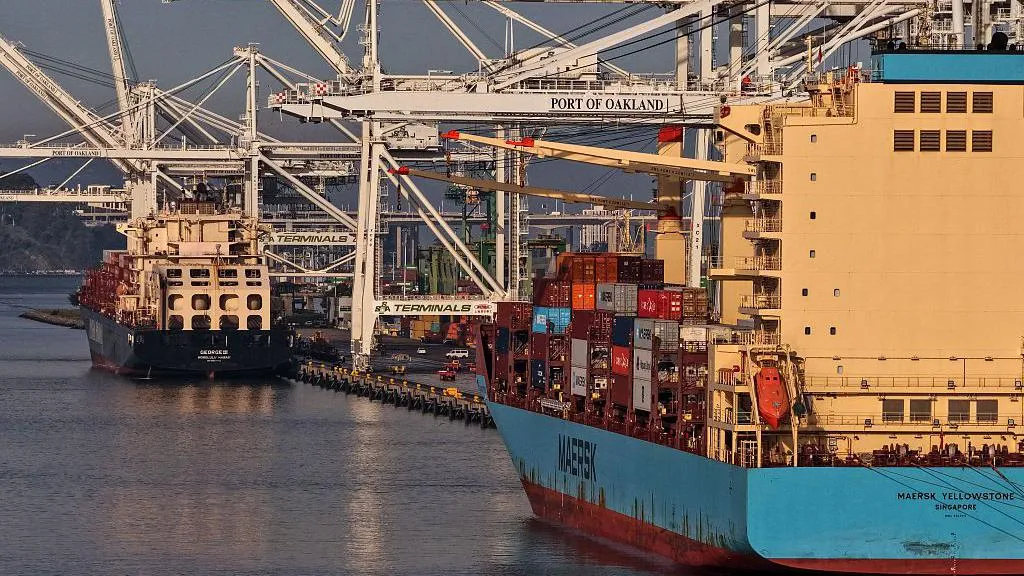
A United States trade court has ruled that certain tariffs imposed under the Trump administration must be refunded, dealing a significant blow to the former president’s long-standing protectionist trade policies. The decision affects businesses that were required to pay tariffs on imported goods and could have wider implications for ongoing disputes over US trade policy and enforcement.

The ruling, issued by the United States Court of International Trade, found that some of the tariffs levied on steel, aluminum, and other imported products were inconsistent with international trade obligations and federal law. Companies that paid the duties are now eligible to apply for refunds, potentially amounting to millions of dollars in reimbursements.
Legal experts describe the decision as a notable setback for the Trump-era approach to trade, which emphasized aggressive tariffs as leverage in negotiations with countries such as China, Canada, and members of the European Union. While proponents argued the measures were intended to protect American jobs and domestic manufacturing, critics have long contended that they violated trade agreements and imposed unnecessary costs on US businesses.
The case was brought forward by a coalition of importers and industry groups who challenged the tariffs as unlawful. In court, they argued that the duties were applied inconsistently, without proper justification or adherence to statutory procedures. The court agreed, stating that the tariffs exceeded the authority granted to the executive branch and that affected businesses were entitled to compensation.
The ruling comes amid ongoing debates over US trade policy, with lawmakers and industry stakeholders questioning the long-term impact of tariffs on inflation, supply chains, and international competitiveness. Some analysts predict that the decision could encourage additional challenges to trade measures imposed under prior administrations.
A spokesperson for the Department of Commerce indicated that officials are reviewing the ruling and considering next steps, which may include appeals or adjustments to the process for issuing refunds. Meanwhile, trade associations have welcomed the decision as a reaffirmation of the legal limits on executive authority in trade matters.
Economists note that refunding tariffs could provide temporary relief to importers and manufacturers, reducing costs that were previously passed on to consumers. However, they caution that broader trade tensions remain unresolved, particularly regarding ongoing negotiations with China and other major trading partners.
Former President Trump and his allies have criticized the ruling, arguing that the tariffs were necessary to protect American industries and maintain leverage in international negotiations. Political commentators note that the decision could reignite debates about the appropriate balance between protectionism and free trade in future US economic policy.
The court’s order requires the government to identify all affected importers and ensure that refunds are processed in a timely manner. For companies that had faced significant financial burdens under the tariffs, this ruling may provide much-needed relief and reinforce confidence in legal avenues to challenge government trade actions.
The case also underscores the role of the judiciary in overseeing executive trade actions and ensuring compliance with both domestic law and international obligations. Observers suggest that the decision may set a precedent for future challenges to tariffs and other trade measures implemented without explicit congressional authorization.

As the federal government begins the process of issuing refunds, importers and industry groups are closely monitoring progress and potential policy implications. Meanwhile, the ruling has sparked renewed discussion on Capitol Hill about the long-term strategy for US trade and the effectiveness of tariffs as a tool for achieving economic and geopolitical objectives.
Related News:
 FedEx Sues for Trump Tariff Refund After Supreme Court Ruling
 Supreme Court Ruling on Car Finance Scandal Poised to Impact Millions of Motorists and Banks
 David Lammy Faces Possible Legal Challenge Over Foreign Office Secondment Scheme
 UK Advertising Watchdog Faces Criticism Over Its Own Campaigns
 Lucy Powell urged ministers to reconsider costly legal case for Labour donor’s firm
 Tories Push to Dilute Labour’s Workers’ Rights Bill
 US National Guard Member Killed in DC Shooting
 Trump to pause migration from ‘third-world countries’
 Virgin Media Fined £23.8m Over Telecare Safety Failures
 US Defence Chief on Drug Boat Strike: “Did Not See Survivors”
 Franklin Turtle, Sabrina Carpenter Slam US Social Media Use
 Uber Faces Sexual Assault Trial in Arizona, Safety Record Scrutinised
 German Supermarket Aldi to Open 180 US Stores This Year
 Top Senate Republican Says Federal Probe of Powell Could Challenge Fed Nominees
 Trump Administration Probe of Fed’s Powell Draws Pushback
 Trading Day: Trump Crosses Fed Rubicon, Market Shrugs
 US Senator Mark Kelly Sues Pentagon Chief Hegseth Over Demotion Threats
 Government Unveils Northern Powerhouse Rail Plans
 HMRC Delays Leave Taxpayers Waiting Over a Year for Refunds
 China Halts Nvidia H200 Chips Despite US Export Approval
 Trump Fed bid heads to Supreme Court
 Trump officials continue false claims after Alex Pretti shooting
 Border Patrol Commander Leaves Minneapolis After Fatal Shooting
 Study Finds One in Seven England Takeaways Are Dark Kitchens
 Partial US Government Shutdown Hits Homeland Security Funding
 Thousands Protest ICE Operations in Nationwide US Day of Action
 Starmer to Release Mandelson Files
 US Military Says Two Killed in Strike on Alleged Drug Boat in Eastern Pacific
 US to Exempt Some Bangladeshi Clothes from Tariffs
 EPSTEIN MYSTERY: Five Unanswered Questions Surround Jeffrey Epstein’s Death
 Hyatt Hotels Chairman Steps Down Over Jeffrey Epstein Ties
 “It’s Never Too Late”: Savannah Guthrie’s New Plea for Mother’s Release as FBI Analyses Glove
 FBI Won’t Co-operate on Alex Pretti Investigation, State Officials Say
 Suspect in Rhode Island Ice Hockey Shooting Killed Ex‑Wife and Son
 Desperate Hunt for Breakthrough in Nancy Guthrie Case Turns to Mexico
 Sanders Condemns Billionaire ‘Greed’ in California Tax Debate
 US and Indonesia Finalise Deal to Cut Tariffs to 19%
 US Trade Deficit Hits Fresh High Despite Trump’s Tariffs
 Live Nation Sees Strong Ticket Sales as Monopoly Lawsuit Looms
 ‘We’re Still on Edge’: Toy Firms Look to US Supreme Court as Tariffs Hit Profits
 Trump Announces Global Tariffs to Rise to 15%
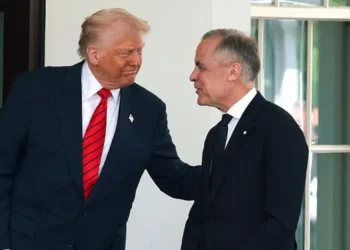 Canada Eyes Trade Talks After US Supreme Court Tosses Trump Tariffs
 UK Job Vacancies Fall to Lowest Level Since Pandemic
 US Will Not Back Out of Tariff Deals with UK and Others, Says Trump Trade Representative

 Inside Kyiv’s resolve as conflict nears five‑year mark
 US Partially Evacuates Beirut Embassy Amid Rising Iran Tensions
 Ukraine war briefing: Russia exporting more oil now than before war despite sanctions – report
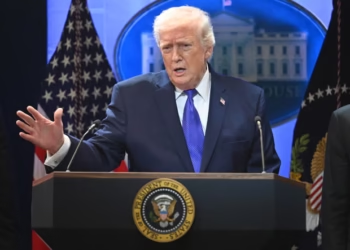 Trump’s tariff strategy collapse sows global chaos and confusion
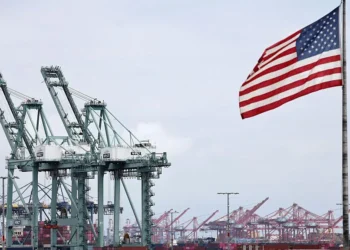 Trump’s new tariff takes effect at lower than expected rate
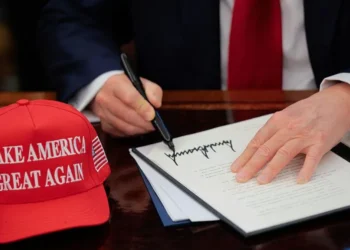 What Tariffs Has Trump Introduced and Why?
 Family Offers $1M Reward to Bring Home Missing Mother
 Bill Gates ‘Took Responsibility’ Over Epstein Ties in Staff Meeting, Foundation Says
 Trump Probe Fallout: Patel Fires FBI Staff Tied to Documents Case
 US ‘Suitcase Murderer’ Deported From Bali After 11 Years in Jail
 Hillary Clinton Tells House Panel She Had No Idea of Epstein’s Crimes
 Canada’s Finance Minister Says US Unlikely to Lift Tariffs
 At Least 10 FBI Agents Who Worked on Trump Investigation Fired
 Plan to Name Company Owners to Curb Money Laundering
 China Sets Lowest Economic Growth Target Since 1991
 Merseyside Police Helicopter Crew Cleared After Low-Altitude Pursuit of Suspect
 Tanni Grey-Thompson Faces Abuse Over Opposition to Assisted Dying Bill
 No Evidence Found to Substantiate Alleged Rape in Oxfordshire Churchyard, Police Confirm
 UK House Price Growth Slows as Buyers Exercise Caution Ahead of Autumn Budget
 Reeves Faces Setback as Labour May Miss Homes Target
 Trump’s UK Ambassador Urges North Sea Drilling to Strengthen US Ties
 Millionaires group urge Reeves to introduce wealth tax to ‘lift kids out of poverty’
 Is Dining Out Dying Out?
 ‘Trump Will Be Gone in Three Years,’ Top Democrats Tell Europe
 Could Manchester Lead the UK’s Economic Revival?
 Motorists Could Face ‘Mandatory’ Driving Ban for Road Offences Under Tougher Laws
 Lloyds Boss Accepts Concern Over Use of Staff Data in Pay Talks
 Civil Service Pay: Union Urges Ministers to End ‘Barking Mad’ Limits
 Epstein Eyed Record Label Investment to Access Women, Files Suggest
 AI Coding Firm’s ‘Pride’ at Business Award Win
 UK Job Vacancies Hit Five-Year Pandemic Low
 UK Youth Unemployment Surges Amid Tax Changes
 Rape Accused Had Fight With Man in Alley, Court Told
 American Citizen Killed in Cuba Boat Shooting, U.S. Officials Say
 Driver Jailed Over Fatal Water Treatment Tank Crash