Published: 05 March 2026. The English Chronicle Desk. The English Chronicle Online.
Weight loss drugs may do more than reduce waistlines, according to new research. A major US study suggests these medicines could also lower addiction risks. The findings have sparked fresh debate among doctors and policymakers across the UK. Scientists examined whether popular weight loss drugs influence the brain’s reward system. Early evidence indicates they may reduce cravings linked to alcohol and narcotics. Experts stress that more trials are needed before firm conclusions can be drawn.
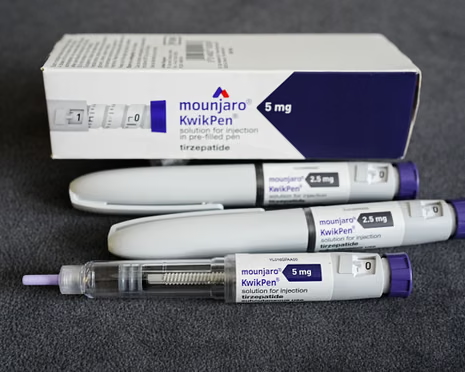
The study, published in the British Medical Journal, analysed data from 606,434 American veterans with type 2 diabetes. Researchers tracked patients for up to three years. They focused on medicines known as glucagon-like peptide-1 receptor agonists, or GLP-1s. These include widely prescribed brands such as Mounjaro and Ozempic. Both are used to manage diabetes and support significant weight reduction.
Scientists found that patients taking GLP-1 medicines showed lower rates of substance misuse. Among those with no previous addiction history, alcohol-related disorders fell by 18 percent. Cannabis use declined by 14 percent. Cocaine and nicotine use each dropped by 20 percent. Opioid misuse showed the largest reduction at 25 percent. These outcomes were compared with patients prescribed other diabetes treatments.
The research also revealed striking results among patients already using illicit substances. Those on GLP-1 therapies experienced 39 percent fewer overdoses. Emergency hospital visits fell by 31 percent. Most notably, the risk of death from substance use dropped by 50 percent. Such figures have drawn attention from addiction specialists worldwide.

GLP-1 medicines mimic a hormone released naturally after eating. This hormone helps regulate blood sugar and promotes feelings of fullness. However, scientists believe the drugs may also affect dopamine pathways. These pathways play a central role in reward and addictive behaviour. By influencing these circuits, the drugs could reduce cravings beyond food.
Professor Claire Anderson, president of the Royal Pharmaceutical Society, described the findings as promising yet preliminary. She explained that the study was observational in nature. Therefore, it cannot prove that the medicines directly prevent addiction. She emphasised the need for controlled clinical trials to establish causation.
Her caution reflects broader scientific consensus. Observational studies can reveal associations but not definitive proof. Patients prescribed GLP-1 drugs may differ in lifestyle or healthcare access. Such factors could partly explain the reduced addiction rates. Nevertheless, researchers argue that the scale of the data strengthens the credibility of results.
Interest in weight loss drugs has surged dramatically over the past two years. Social media platforms are filled with personal transformation stories. At the same time, concerns have emerged about side effects and long-term sustainability. Nausea, vomiting, and digestive discomfort remain common complaints. Costs can also be significant, particularly for private prescriptions.
In the UK, access through the NHS has expanded gradually. However, pharmacy leaders say the rollout remains slow. Gareth Jones of the National Pharmacy Association called the study significant. He suggested that weight loss drugs may offer broader health benefits. Obesity continues to place immense strain on NHS services nationwide.
Beyond addiction, researchers are examining cardiovascular and metabolic impacts. Some evidence already shows reduced risks of heart disease. The potential mental health implications now add another dimension. Addiction services in Britain face rising demand and limited resources. Any treatment that lowers overdose risk could ease pressure.
Yet optimism is tempered by findings from a separate Cambridge-led review. Experts at the University of Cambridge analysed 48 previous studies. Their meta-analysis appeared in the journal eClinical Medicine. It found that many patients regain most lost weight after stopping medication. Within a year, individuals typically regained around 60 percent of shed weight.
Over longer periods, weight regain reached 75 percent on average. Researchers concluded that only 25 percent of initial weight loss tends to be sustained. For someone who lost 20 percent of body weight, that equates to a lasting five percent reduction. The findings highlight the chronic nature of obesity management.
Adherence also poses challenges. Around half of users discontinue GLP-1 treatment within one year. After two years, approximately three-quarters have stopped entirely. Side effects and financial burden often drive this trend. Experts warn that stopping suddenly may reverse metabolic improvements.
Public perception further complicates the picture. A survey by Simple Online Pharmacy questioned more than 3,000 users. Two-thirds said they concealed their medication use from friends or family. Many feared judgment or accusations of taking shortcuts. Among those criticised, most were told simply to eat less and exercise more.
Such stigma reflects persistent misunderstandings about obesity. Medical professionals increasingly describe it as a complex chronic disease. Genetics, environment, and hormonal regulation all play roles. Weight loss drugs target biological pathways, not personal willpower. The emerging addiction findings may reinforce that scientific perspective.
Addiction specialists are watching developments carefully. Substance misuse remains a serious issue across Britain. Alcohol-related hospital admissions continue to burden emergency departments. Drug-related deaths in parts of England and Scotland remain among Europe’s highest. Any therapy that reduces overdose risk commands attention.
However, experts caution against oversimplified headlines. Weight loss drugs are not currently licensed for treating addiction. Prescribing them for this purpose would require robust evidence. Randomised controlled trials would need to confirm safety and effectiveness. Regulators would also examine potential unintended consequences.
There are ethical considerations too. Expanding indications could increase already intense demand. Supply shortages have affected diabetes patients in recent months. Policymakers must balance innovation with equitable access. The NHS faces financial constraints and competing priorities.

Despite uncertainties, researchers remain intrigued by the biological mechanisms involved. The overlap between appetite control and reward processing offers fertile ground. Some neuroscientists argue that addiction and overeating share similar circuitry. If GLP-1 medicines modulate that circuitry, broader therapeutic uses may emerge.
For now, clinicians advise patients to follow approved guidelines. Those prescribed GLP-1 drugs should use them under medical supervision. Lifestyle support remains essential for sustained results. Addiction treatment continues to rely on counselling, medication, and community services.
The conversation surrounding weight loss drugs is evolving rapidly. What began as a breakthrough in diabetes care now touches mental health and addiction science. British experts emphasise careful interpretation of early data. Yet they also acknowledge the importance of exploring innovative solutions.
As research progresses, policymakers will face complex decisions. Balancing access, affordability, and evidence will prove challenging. Patients, meanwhile, seek treatments that address interconnected health issues. The possibility that one medicine could tackle both obesity and addiction is compelling.
Ultimately, science advances through cautious optimism. The new findings illuminate intriguing pathways between metabolism and behaviour. Whether weight loss drugs become part of addiction therapy remains uncertain. What is clear is that the debate has entered a new phase.
Related News:
 Mother dies after black market weight loss injection
 Young Woman Missed 13 Times by GPs Before Bowel Cancer Diagnosis
 Hospice Cuts Raise Alarm Across England Amid Funding Crisis
 How Bringing Forests Into Preschools Boosts Children’s Health
 The diet that can significantly ease symptoms of IBS
 Celebrities and Charities Demand UK Government Act on Child Poverty
 Long A&E waits causing heartbreaking suffering, charity says
 Experts Warn on Home Birth Risks, Call for Skilled Midwives
 Lancashire council plans to close care homes and day centres
 Britain could face worst flu season on record, NHS warns
 Experts Urge Legal Right to Timely Cancer Care
 Patients to Test Health at Home to Ease NHS Winter Pressure
 London’s Childlessness Crisis: Schools Closing as Families Shrink
 NHS Takes Over Nuffield Hospital in ‘Windfall’ for London Care
 North Sea oil workers must lose weight or face job loss
 Crisis charity to become landlord amid UK housing emergency
 No link found between paracetamol in pregnancy and autism
 UK Disability Pay Gap Means Millions Work for Free From Today
 Shouting Works Best to Deter Gulls, UK Study Finds
 Reeves rejects £1bn plea for NHS redundancy payouts
 NHS trust fined after woman takes life in mental health unit
 Leading doctors issue warning amid ‘bad’ flu season
 UK Centres Used Risky Heart Pump Despite Safety Fears
 Reeves Rejects £1bn NHS Payout Plea from Streeting
 New Campaign Trains Vets to Spot Farmers’ Health Risks
 Stroke Patient Mistaken for Drunk, Care Delayed
 ‘Traumatic Wait’: Northern Ireland Women Face Breast Cancer Delays
 Boris Johnson Oversaw Toxic No 10 Culture, Covid Inquiry Finds
 Welsh Government Christmas 2020 Lockdown Criticised
 Coffins Now Too Large to Cremate Amid Rising Obesity Crisis
 Thinktank Urges Smaller Hospitals to End NHS ‘Permacrisis’
 David Cameron Reveals Prostate Cancer Diagnosis, Advocates Screening
 NHS paediatric leave parents waiting months for answers
 Catherine urges end to stigma around addiction
 11 Best Supermarket Wines Chosen by Experts and Sommeliers
 Inquiry Opens Into Disgraced Surgeon Eljamel Scandal
 Five-Year-Old Dies After Rare Tonsil Surgery Complication
 Fibromyalgia Patients Struggle as NHS Fails to Provide Care
 More Patients Now Contacting GPs Online, Data Shows
 Streeting launches review into mental health and ADHD diagnoses
 Flu cases in Scotland more than double in a week
 People in England’s Poorest Areas Face Higher Lung Health Emergencies
 MND Patients Die Waiting for Home Adaptations in England
 Minor A&E Visits Surge Across England as Hospitals Face Pressure
 Children to Receive Home Vaccines as England Acts
 UK children to get chickenpox jab with MMRV vaccine
 UK Enforces Junk Food Ad Ban Before 9pm
 Salt Intake England: Crisps Comparison Sparks Health Alarm
 Weight Loss Jabs Linked to Rapid Weight Regain, New Study Shows
 Patients Collapsing in NHS Corridors, Watchdog Warns
 Offenders to Receive Health Support During Probation Appointments
 NHS Violence Crisis: Staff Face Daily Assaults
 Celebrity Campaign Highlights SMA Screening Failures
 NHS corridor care crisis sparks fears over patient safety
 Jess’s Rule Urges GPs to Rethink Persistent Symptoms
 UK Glaucoma Rise Signals Looming Eye Health Crisis by 2060
 UK ADHD medication use triples over 13 years, landmark study finds
 Reform UK Health Plan ‘Would Cost £1.7bn’, Streeting Says
 NHS boosts bowel screening accuracy with FIT reform
 UK loses measles-free status amid deaths and jab decline
 Nottingham survivor warns of repeat attacks without mental health reform
 UK vets face reforms to tackle high pet care costs
 Small risk warning raised over weight-loss jabs in UK review
 Study Finds One in Seven England Takeaways Are Dark Kitchens
 Deadly Cancer Postcode Lottery Limits NHS Care
 Pneumonia Surge Pushes England Emergency Cases Higher
 Streeting moves on doctor pay to end strike dispute
 UK reports baby formula toxin poisoning cases across the country
 Children of Close-Relative Parents Face Higher Mortality Risk in England
 North London measles outbreak hits young children
 UK MPs Demand Ban on Brazilian Butt Lifts
 Campaign Demands NHS Action on Placenta Accreta Diagnosis
 NHS Bone Cement Shortage Threatens Surgeries
 NHS Negligence Ruling Raises Payout Costs
 Placenta Accreta Warning as Hunt Urges Action
 Half of Britons Avoid GP When Ill, Survey Reveals Growing Concern
 NHS Maternity Units Cover Up Harmful Childbirth Errors
 Vegetarian Cancer Risk Study Reveals Lower Rates
 Drop in Overseas Workers Sparks ‘Car Crash’ for UK Hospitals
 Weight-loss drugs may transform heart attack recovery