Published: March 5, 2026 | The English Chronicle Desk | The English Chronicle Online
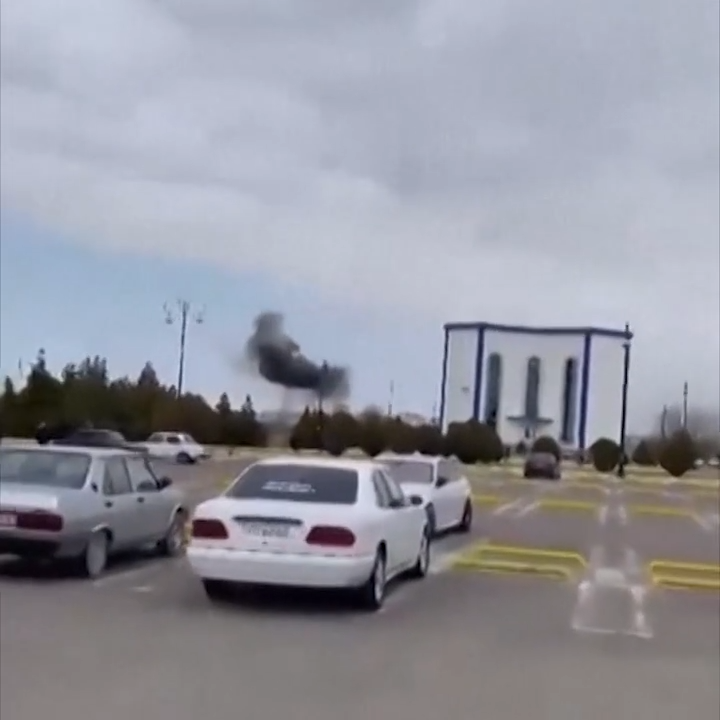
Tensions in the Middle East have intensified sharply after Iranian drones struck targets in Azerbaijan, raising fears that the rapidly expanding regional conflict could draw yet another country into the crisis. The strikes reportedly hit an airport in Azerbaijan’s Nakhchivan exclave, an autonomous region separated from the rest of the country but bordering Iran and Turkey.

Video footage circulating on social media and verified by multiple international news organisations shows a powerful explosion erupting at the airport complex in Nakhchivan. The blast appears to have caused visible structural damage, although the full extent of the destruction and possible casualties remains unclear at this stage. In a separate incident, another drone reportedly crashed near a school in the same region, heightening fears among local residents and authorities about the potential risk to civilian life.
The Azerbaijani government responded swiftly to the attack. In a statement released shortly after the incident, the defence ministry in Baku confirmed that aerial drones had entered Azerbaijani territory and struck the Nakhchivan area. Officials condemned the attack as a serious violation of the country’s sovereignty and warned that retaliation was being prepared.
“These acts of attack will not go unanswered,” the ministry said in a firm statement. Azerbaijani authorities added that they were evaluating the situation and preparing what they described as “necessary retaliatory measures.” While officials did not specify what form those measures might take, analysts suggest the response could involve military deterrence, diplomatic escalation, or increased security coordination with allies.
The attack marks a significant development in the widening conflict that has already shaken large parts of the Middle East. What initially began as a confrontation between Iran and a coalition involving the United States and Israel has rapidly spread across the region. Over the past several days, Iran has reportedly launched strikes targeting key Gulf states, including Qatar, Saudi Arabia and the United Arab Emirates.
Regional security experts warn that the involvement of Azerbaijan could dramatically alter the geopolitical dynamics of the crisis. Azerbaijan maintains close military and strategic ties with Israel, which has been one of its most important defence partners over the past decade. Israeli technology and weapons systems have played a major role in strengthening Azerbaijan’s armed forces, particularly during its conflicts with neighbouring Armenia.
This partnership has long been a source of concern for Tehran. Iranian officials have repeatedly expressed suspicion that Israeli intelligence or military operations could potentially be launched from Azerbaijani territory due to the two countries’ close cooperation. Although Azerbaijan has consistently denied allowing its territory to be used for attacks against Iran, mistrust between the neighbours has remained high.
Nakhchivan’s geographic position makes the situation particularly sensitive. The region borders Iran to the south and west while also sharing a short border with Turkey. Because it is separated from mainland Azerbaijan by Armenian territory, the exclave holds significant strategic importance. Any military activity there risks affecting multiple regional actors simultaneously.
Local reports suggest that emergency services rushed to the airport area shortly after the explosion. Authorities reportedly closed off parts of the surrounding zone while investigators began assessing the damage and collecting evidence about the origin and trajectory of the drones. Aviation activity in the region has also been temporarily disrupted as security forces increase surveillance and air defence readiness.
Residents in Nakhchivan described moments of confusion and panic when the explosion occurred. Several witnesses reported hearing loud aerial buzzing sounds before the blast. Others said the explosion shook nearby buildings and caused widespread alarm, especially because one drone landed close to a school facility.
Although no official casualty figures have been released, Azerbaijani authorities stated that protective measures were immediately taken to secure nearby civilian areas. Schools and public institutions in the surrounding district were reportedly placed on heightened alert as a precaution.
The drone strike coincides with escalating hostilities across the wider Middle East. According to regional military observers, the current confrontation has already become one of the most geographically extensive crises in recent years. Iran’s retaliatory operations against US and Israeli interests have reportedly expanded to include attacks on strategic infrastructure and military facilities across multiple Gulf states.
In response, Western and regional allies have strengthened air defence coordination, particularly around key economic and military installations. Gulf nations have also activated emergency security protocols amid concerns that energy infrastructure could become a primary target in the escalating confrontation.
Turkey has also been indirectly drawn into the unfolding crisis. Earlier reports indicated that a ballistic missile travelled toward Turkish airspace before being intercepted and destroyed by NATO air and missile defence systems. The Turkish defence ministry confirmed that its monitoring systems detected the incoming projectile and that defensive measures were immediately activated.
However, Iranian military officials later denied launching a missile toward Turkey. The Iranian army stated that it had not carried out any such strike and suggested the reports may have resulted from misinterpretation of aerial activity during the conflict.
Despite these denials, the incident has further heightened anxiety among regional governments already wary of the rapidly spreading conflict. With multiple countries now directly or indirectly affected by military activity, the risk of broader escalation continues to grow.
International observers warn that miscalculations or retaliatory responses could accelerate the crisis. Diplomatic efforts aimed at de-escalation have intensified behind the scenes, but so far there are few signs that the confrontation is slowing.
For Azerbaijan, the drone strike represents a particularly sensitive challenge. The country has generally tried to maintain a careful balance in its regional relationships, while also strengthening its strategic partnership with Israel and Western allies. Direct military confrontation with Iran could place Azerbaijan in a difficult geopolitical position, especially given its proximity to major regional powers.
Security analysts believe Baku’s response will be closely watched by both regional actors and the international community. Any retaliatory action could potentially trigger further escalation or prompt new military developments in the already volatile region.
As the war enters its sixth day, the Middle East appears increasingly entangled in a conflict that now stretches beyond its original boundaries. With attacks reported across several countries and rising tensions among regional powers, the prospect of further expansion remains a growing concern for global security.

For now, authorities in Azerbaijan continue to assess the aftermath of the Nakhchivan strike while preparing their next steps. Whether the incident remains an isolated event or becomes another turning point in the widening crisis may depend on the responses that follow in the coming days.
Related News:
 After the Landslide: Can India Reset Ties with BNP Bangladesh?
 China Strikes at Japan’s Core — Will PM Takaichi Back Down?
 Japan Braces as Takaichi Begins New Term with Huge Mandate for Low‑Tax, Ultra‑Conservative Agenda
 South Korea’s Ex-President Faces Death Penalty in Insurrection Trial
 Kim Jong Un Reappointed as Ruling Party Chief
 Ukraine Negotiator Reveals What It Feels Like Facing Russia
 The Taekwondo Teacher Tasked With Healing India’s Troubled State
 Mandelson Arrested Amid Political Turmoil as Ukraine Marks Four Years of Conflict
 ‘Anyone who runs is shot’: Russian soldiers describe killings of troops who refuse orders
 Ukraine remembers its dead as war enters a fifth year
 Japan to Deploy Missiles on Island Near Taiwan by 2031
 Pakistan Strikes Afghanistan as PM Says Forces Ready to ‘Crush’ Taliban
 Nine Killed in Karachi Consulate Protest
 Israel and Hezbollah Exchange Fire as Conflict Worsens
 Iran’s Regime Still Intact — Coming Days Will Test Its Survival
 Allies of US in the Gulf Bear Brunt of Iran Attacks
 Hopes and Fears as US Iranians Take to Streets After Toppling of Supreme Leader
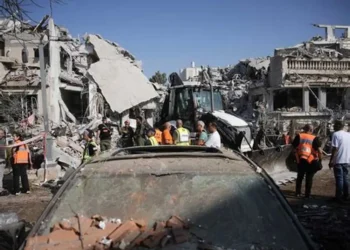 Retaliations Continue on Day Two of US-Israel Attacks on Iran
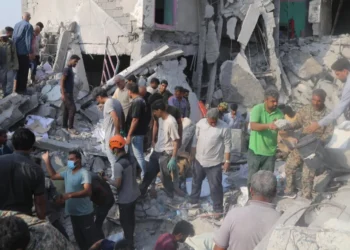 At Least 153 Dead After Reported Strike on School, Iran Says
 At Least 153 Dead After Reported Strike on School, Iran Says
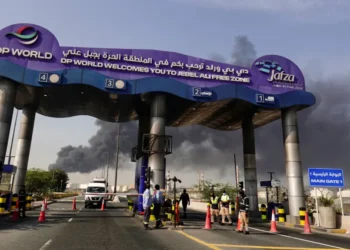 ‘It’s Eerie’ – Dubai on Edge as City Comes Under Attack
 Could Kim’s Teen Daughter Become North Korea’s Next Leader?
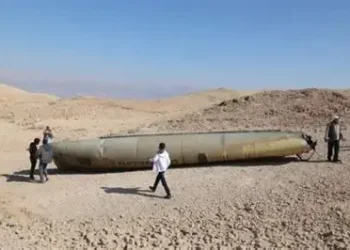 BBC Reports from Beit Shemesh After Deadly Iranian Missile Strike
 Iran, the US, and a World Cup That Starts in Three Months
 Rap Star May Beat Ex‑PM — What This Says About Nepal’s Gen Z
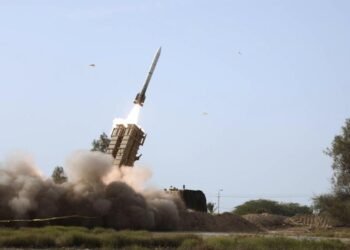 UK Will Allow US to Use Bases to Strike Iranian Missile Sites, PM Says
 Cooper: Joining US Strikes on Iran ‘Not in Britain’s Interest’
 Trump’s Iran Endgame Unclear After Mixed Messaging on War Aims
 Rubio Responds to Reported Strike on Iranian School
 Scots Caught Up in Middle East Crisis ‘Just Waiting for the Next Explosion’
 Why the US and Israel attacked Iran
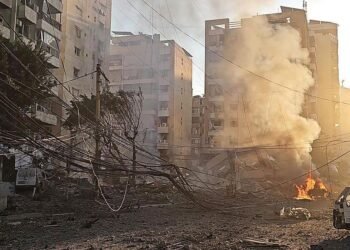 Israel Launches Fresh Strikes on Tehran & Beirut; US Warns “Hardest Hits” Ahead
 Three Days In, This War’s End Is Still Unclear
 US Has ‘Enough Weapons for Forever War,’ Trump Says
 Israel Strikes Lebanon After Hezbollah Rocket Fire as Iran Conflict Widens
 Israel’s New Airstrikes on Tehran & Beirut After US Embassy in Riyadh Is Hit
 Nepal Leaders Call on Voters to Ensure Success of ‘Historic’ Election
 Israel Launches Ground Invasion of Lebanon Amid Widening Middle East War
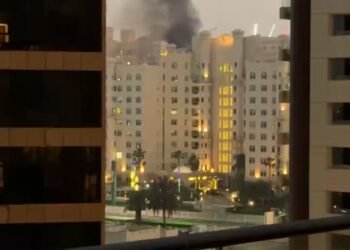 Iranian Rockets Are Testing the Resolve of Dubai’s Instagram Stars
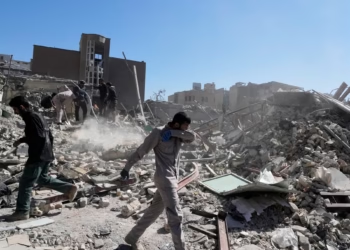 US Embassy in Riyadh Hit by Iranian Drones as Israeli Troops Enter Southern Lebanon
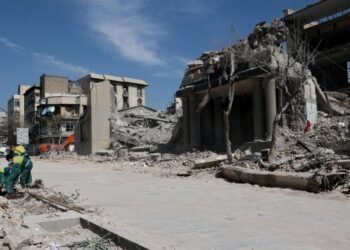 US Senate Backs Trump War Powers Amid Iran Missile Barrage
 Nepal Holds First General Election Since Gen Z Protests Toppled Government
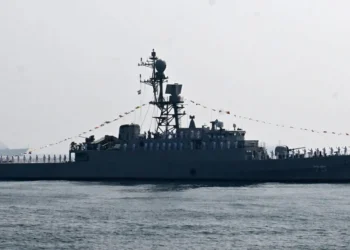 US Submarine Sinks Iranian Warship in Indian Ocean, Hegseth Says
 Iran Postpones Khamenei Funeral as US‑Israeli Bombardment Continues
 The Devastating Conflict Where Both Sides Have Reasons to Keep Fighting
 How Depleted Weapons Stockpiles Could Affect the Iran Conflict
 Nepal Election 2026: When Will We Get the Results?
 UK Must Act with Courage and Clarity on Israel-Palestine Conflict, Says Foreign Affairs Committee Report
 Radioactive Leak at UK’s Nuclear Warhead Base Sparks Outcry Over Safety and Secrecy
 Hong Kong Summons UK and Australian Envoys Following Asylum Grants to Democracy Activists
 Is the UK Ready to Put Boots on the Ground in Ukraine? Assessing Military Capacity and Challenges
 Channel Crossings Surge: Over 1,000 People Arrive in the UK in Small Boats in a Single Day
 Widow of Charlie Kirk Forgives Killer at Emotional Memorial Service
 Yvette Cooper Signals Global Momentum Towards Gaza Peace Deal Amid Humanitarian Crisis
 Russia’s Latest Push to Win US Favors Shows Deep Desperation
 BBC to Apologise Over Edited Trump Speech Amid Backlash
 Britain deploys RAF specialists to assist Belgium with drone threats
 Trump Urges Herzog to Grant Netanyahu Full Pardon
 Indian authorities demolish Kashmir home linked to Red Fort blast
 Greene Pushes Epstein Files Amid Trump Fallout
 December Run-Off in Chile as Election Produces No Winner
 Shadow Fleet at Sea: Europe’s Battle Against Illicit Oil Shipping
 India’s COP30 Delay Raises Global Climate Concerns
 Georgians Defy Government Crackdown After Year of Protests
 EU Says US Ties Have Suffered ‘Big Blow’ After Greenland Crisis
 Australian Families Leave Syrian Camp for Home
 Starmer Weighs Fast-Tracking Defence Boost
 Nine Arrested in France Over Death of Far‑Right Student
 Australian PM Says Former Prince Andrew Has Suffered ‘Extraordinary Fall’ but That Won’t Prompt Republic Referendum
 Musk Cuts Starlink Access for Russian Forces – Giving Ukraine an Edge at the Front
 Farage Chagos Islands Row Sparks Fury
 Chad Shuts Border With Sudan in Bid to Stop Conflict Spreading
 French Minister Moves to Block US Envoy Kushner from Government Access
 Orbán Accuses Ukraine of Disrupting Oil Supplies to Hungary
 American Citizen Killed in Cuba Boat Shooting, U.S. Officials Say
 In Maps: Strikes Across Iran and the Middle East
 The Third Day of the US‑Israeli War With Iran
 Herzog Asio meeting sparks security storm
 Civilian Deaths in Iran Pass 700 Amid Fear of Bombs and Regime Clampdown
 ‘Every Day Feels Like a Month’: Iranians Describe Life Under ‘Constant’ US‑Israeli Strikes