
Published: March 5, 2026 | The English Chronicle Desk | The English Chronicle Online
Uncertainty surrounding American politics is beginning to ripple through global financial markets, and one of the institutions feeling the pressure is London’s historic insurance marketplace. With the possible return of Donald Trump to the White House, analysts are increasingly questioning whether sweeping changes to United States economic policy could destabilise one of the United Kingdom’s most important financial sectors and challenge the stability of a £50bn insurance giant at the heart of the City of London.

The institution at the centre of the debate is Lloyd’s of London, the world-renowned insurance marketplace that has operated for more than three centuries. Known for underwriting complex and high-risk policies ranging from maritime shipping and aviation to cyber security and climate disasters, Lloyd’s plays a pivotal role in the global insurance industry. Its market structure allows multiple insurers to pool risk for large international policies, making it a key pillar of the global financial system.
However, political shifts in Washington could reshape the regulatory and economic environment in ways that might significantly affect Lloyd’s operations. Donald Trump, who is seeking to return to the US presidency, has repeatedly signalled his intention to implement aggressive trade measures, overhaul financial regulations and adopt a more protectionist economic strategy if elected.
Such policies could have profound implications for global insurance markets. A substantial portion of Lloyd’s underwriting activity involves American clients and risks located in the United States. Any shift toward stricter financial regulation, domestic-focused insurance policies or barriers to foreign market participation could challenge the business model that has helped Lloyd’s thrive internationally.
Financial analysts say that the US remains one of the most critical markets for Lloyd’s syndicates. The marketplace has long maintained a significant operational presence across American cities, including New York and Chicago, allowing its underwriting syndicates to participate in large corporate and catastrophe insurance contracts.
If a future Trump administration were to prioritise domestic insurers or introduce regulatory frameworks that disadvantage foreign-based markets, Lloyd’s could face pressure to restructure how it operates within the United States. Some experts believe that changes to tax structures or regulatory recognition agreements could complicate cross-border insurance underwriting.
Another concern involves the broader economic consequences of a potential trade confrontation between the United States and its major partners. Trump has previously advocated tariffs and economic protection measures aimed at reducing America’s reliance on foreign industries. If such policies trigger retaliatory trade actions from other countries, the resulting economic instability could ripple across financial sectors, including insurance.
Insurance markets are highly sensitive to economic volatility. Trade disruptions, supply-chain instability and financial uncertainty often lead to changes in corporate risk profiles. Businesses may reduce coverage levels during economic downturns or delay major investment projects that require complex insurance arrangements. These shifts can significantly affect underwriting volumes for global insurers.
In addition to regulatory and economic risks, geopolitical tensions could also influence the insurance industry’s exposure to major events. Lloyd’s has historically underwritten coverage for shipping, aviation and global infrastructure. Rising geopolitical confrontation, particularly between major powers, increases the probability of large-scale claims linked to conflict, cyberattacks or trade disruptions.
Industry observers also point out that political rhetoric during election campaigns can influence market sentiment even before policy changes occur. Investors often react quickly to signals about potential regulatory shifts, which can affect the valuation of financial institutions and related companies.
Despite these concerns, many analysts caution against assuming that Lloyd’s faces an immediate existential threat. The marketplace has demonstrated remarkable resilience throughout its long history. It has survived world wars, financial crises and numerous economic upheavals while continuing to adapt its underwriting structure and regulatory framework.
Over the past decade, Lloyd’s has already undergone significant reforms aimed at strengthening its financial resilience and improving market efficiency. The organisation has introduced modernised risk modelling, digital underwriting platforms and stricter performance management for syndicates operating within the marketplace.
These reforms were designed partly to ensure that Lloyd’s remains competitive in an increasingly complex global insurance landscape. Rival insurance hubs in Bermuda, Singapore and the United States itself have expanded rapidly in recent years, creating a more competitive environment for underwriting large-scale risks.
The potential political changes in Washington therefore arrive at a time when the global insurance industry is already undergoing structural transformation. Climate change, cyber risk and emerging technologies are reshaping how insurers assess and price risk. At the same time, regulatory authorities across multiple jurisdictions are tightening oversight of financial institutions.
For Lloyd’s, maintaining access to international markets remains essential to its long-term success. The United States alone accounts for a significant share of the marketplace’s premium income. Ensuring that cross-border regulatory arrangements remain functional will therefore be a priority for British financial authorities and industry leaders.
Officials in the United Kingdom are closely monitoring developments in US politics. The British government has historically worked to maintain strong financial regulatory cooperation with Washington. Any major shift in American policy could trigger new negotiations aimed at preserving access for UK-based financial institutions operating in the United States.
The situation also carries broader implications for London’s status as a global financial centre. The City of London has long relied on its ability to attract international financial institutions and provide access to global markets. If political changes in major economies begin to fragment financial regulations or restrict cross-border services, London could face increased competition from other financial hubs.
Nevertheless, many experts emphasise that global insurance markets are inherently adaptable. Insurers regularly adjust their strategies in response to regulatory shifts, economic conditions and emerging risks. Lloyd’s, with its centuries-old marketplace model, has repeatedly demonstrated an ability to evolve when confronted with new challenges.
Ultimately, whether Donald Trump’s political ambitions could seriously threaten London’s £50bn insurance giant remains uncertain. Much will depend on the specific policies adopted by any future administration and how global markets respond to those changes.

For now, the debate highlights a broader reality: in today’s interconnected financial system, political decisions made in one country can quickly reverberate across global industries. As the US presidential race continues to shape expectations in financial markets, institutions like Lloyd’s of London are watching closely to determine how the next chapter of American economic policy might affect their future.
Related News:
 Trump Announces Global Tariffs to Rise to 15%
 China Sets Lowest Economic Growth Target Since 1991
 Stock Markets and Oil Prices Still Volatile Over Fears Iran War May Drag On
 Live Markets Bet on Spring Rate Cut as Inflation Falls
 City Bets on Rate Cuts as Unemployment Soars
 US Trade Deficit Hits Fresh High Despite Trump’s Tariffs
 How Budget Fast Fashion Is Taking Small‑Town India by Storm
 Uncertainties Loom for Businesses and Consumers After Trump’s Tariff Changes
 ‘Hard to Keep Lights On’: Business Owners Cautiously Welcome Tariff Ruling
 Canada Eyes Trade Talks After US Supreme Court Tosses Trump Tariffs
 UK Job Vacancies Fall to Lowest Level Since Pandemic
 Ukraine war briefing: Russia exporting more oil now than before war despite sanctions – report
 Trump’s tariff strategy collapse sows global chaos and confusion
 Canada’s Finance Minister Says US Unlikely to Lift Tariffs
 Why Middle Managers Can’t Get a Job Anymore
 US Trade Court Orders Tariff Refunds in Setback for Trump Administration
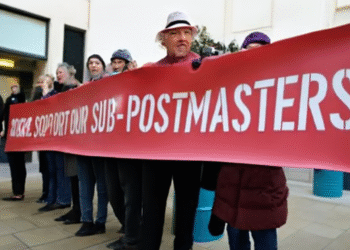 Post Office Scandal Compensation Tops £1 Billion as Victims Finally See Justice
 Tensions Unfold in Market Harborough as Asylum Seeker Hotel Sparks Divisive Protests
 How to Exit Your Broadband Contract Without Paying Exit Fees
 Diageo Faces Profit Slump and Tariff Blow Amid Leadership Crisis
 China’s crackdown on civil servant perks sparks economic concerns
 Chancellor Rachel Reeves Pushes for Sweeping Changes to Environmental Protections to Accelerate Development
 Inflation Latest: Cost of Living Expected to Rise Again in Key Figures Released Today
 Retail Sales See Uptick Amid Errors and Delays as ONS Faces Scrutiny
Shein UK Faces Allegations of Shifting Majority of Profits to Singapore to Reduce UK Tax
Retail Sales See Uptick Amid Errors and Delays as ONS Faces Scrutiny
Shein UK Faces Allegations of Shifting Majority of Profits to Singapore to Reduce UK Tax
 Big Pharma Investment Freeze Puts UK Life Sciences Sector Under Strain
 Jaguar Land Rover Extends Production Halt Following Cyber-Attack
 UK Labour Market Shows Signs of Cooling as Wage Growth Slows and Redundancies Rise
 Great Britain’s Energy Operator Commits to Strengthening Grid to Prevent Blackouts
 UK Government Backs Return of International Rail Travel to Kent Stations
 GSK Chief Executive Emma Walmsley to Step Down After Eight Years at the Helm
 Senior Tories Condemn Badenoch’s Vow to Repeal Climate Change Act as Catastrophic
 Wetherspoon vows to keep prices low amid soaring energy and tax costs
 UK House Price Growth Slows as Buyers Exercise Caution Ahead of Autumn Budget
 Kemi Badenoch Unveils ‘Golden Rule’ to Halve Spending Cuts for Deficit Reduction at Tory Conference
 New V-Level qualification to transform post-16 education
 Real living wage set to rise nearly 7% for UK workers in 2026
 Reeves Faces Setback as Labour May Miss Homes Target
 Virgin Trains Moves Closer to Challenging Eurostar Monopoly
 Trump’s UK Ambassador Urges North Sea Drilling to Strengthen US Ties
 Ryanair Chief UK Economy ‘Doomed’ Under Labour
 M&S Profits More Than Halve After Cyber-Attack
 Earl of Yarmouth Faces £1.3m Legal Bill Over Family Estate
 Millionaires group urge Reeves to introduce wealth tax to ‘lift kids out of poverty’
 From Lego to Pokémon: How Adults Are Driving UK Toy Market Growth
 New laws to bolster UK’s defences against cyber attacks on NHS, transport and energy
 Canada Passes Carney’s First Budget in Tight Parliamentary Vote
 Starmer Says Labour’s Economic Plan Needs Years to Deliver
 Virgin Media Fined £23.8m Over Telecare Safety Failures
 Anglo American Scraps Bosses’ £8.5m Bonus Plan After Investor Fury
 Historic £100-Weekly Pension Boost Brings Relief for UK Mineworkers
 FTSE 100 Hits 10,000: UK Market Celebrates Record Year
 Metals and Mining Stocks Lift FTSE 100 to Record Close
MPs warn AI financial risks threaten UK stability
Metals and Mining Stocks Lift FTSE 100 to Record Close
MPs warn AI financial risks threaten UK stability
 US Dollar Hits Four-Year Low Amid Market Turmoil
 Amazon mistakenly signals new global layoffs to employees
 Households in England Face Rising Water Bills in April
 UK New Car Discounts Near £6,000 as Prices Are Slashed
 Pound Sinks and Borrowing Costs Rise as Starmer Fights for Job
 London Loses Its Grip on Ambitious Young Workers
 Major UK Clothing Firm Collapses into Administration — 109 Jobs at Risk
 Telstra AI jobs cuts as automation drive expands
 BT Names New Openreach Chief Amid Major Fibre Expansion
 Is Dining Out Dying Out?
 Could Manchester Lead the UK’s Economic Revival?
 Lloyds Boss Accepts Concern Over Use of Staff Data in Pay Talks
 Live Nation Sees Strong Ticket Sales as Monopoly Lawsuit Looms
 AI Coding Firm’s ‘Pride’ at Business Award Win
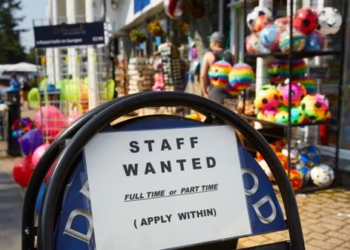 UK Job Vacancies Hit Five-Year Pandemic Low
 US Will Not Back Out of Tariff Deals with UK and Others, Says Trump Trade Representative
 Trump’s new tariff takes effect at lower than expected rate
 UK Youth Unemployment Surges Amid Tax Changes
 Strong Rebound for UK Housing Market Sees 6% More Homes
 Bill Gates ‘Took Responsibility’ Over Epstein Ties in Staff Meeting, Foundation Says
 Netflix Drops Bid for Warner Bros, Clearing Way for Paramount Takeover
 Burger King Rolls Out AI Headsets to Track Employee ‘Friendliness’
 Switching Energy Deal Can Save £200 as Price Cap Falls
 Labour’s Employment Shake‑Up ‘Makes Britain Worse Than France’
 Limited Flights Leave UAE But Disruption Continues Amid Iran Strikes
 Petrol Prices Soar as Retailers Accused of Gouging Amid Global Tension