Published: 06 March 2026
The English Chronicle Desk
The English Chronicle Online
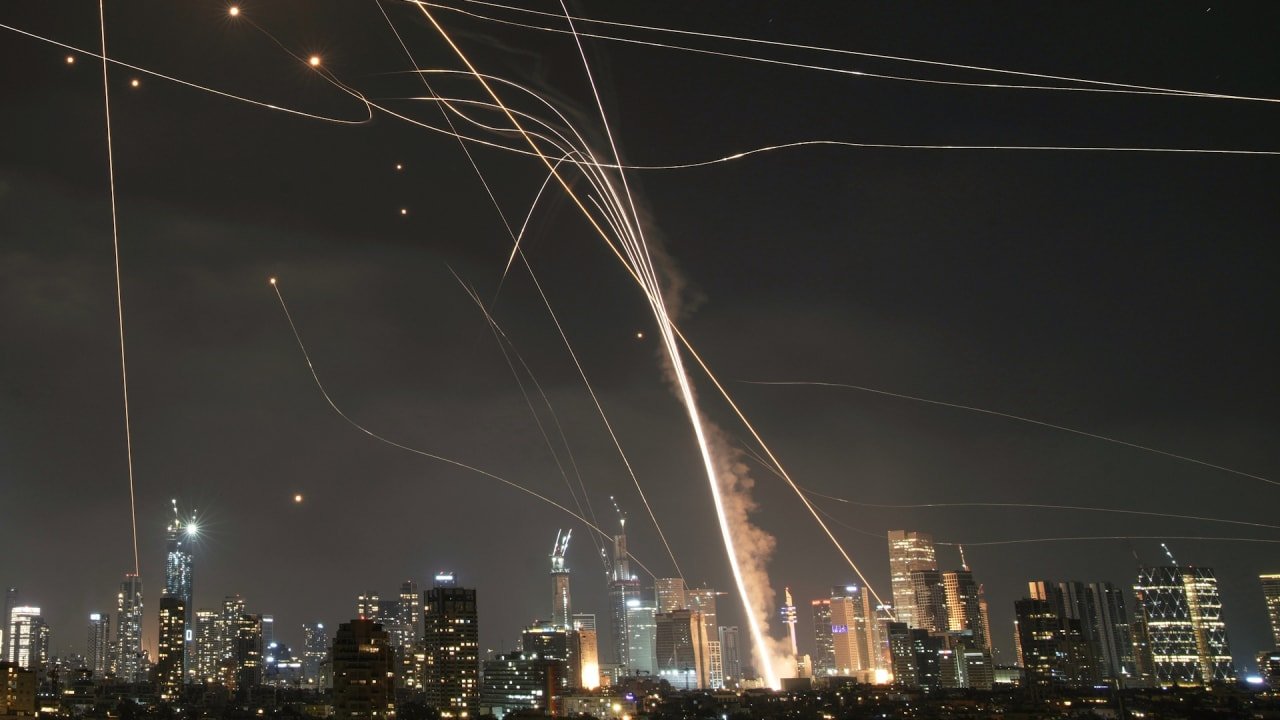
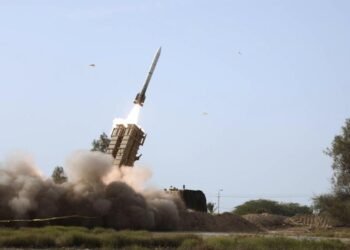
The sun rose over a grey and jittery Tel Aviv on Friday morning, just hours after the Islamic Revolutionary Guard Corps (IRGC) announced it had fired “Kheibar missiles” into the “heart of the city” as part of the 21st wave of its “Operation True Promise 4.” While the Iron Dome and other sophisticated air defence systems once again proved their mettle—intercepting the vast majority of projectiles—the sound of explosions and the subsequent all-clear sirens have left the civilian population in a state of defiant, albeit weary, resolve.

As the seven-day mark of the conflict—now being referred to locally as the “Lion’s Roar” offensive—passes, a visit to the streets of Tel Aviv reveals a nation at war. Yet, it is not the panic-stricken populace one might expect. Instead, there is a grim acceptance and, according to multiple opinion polls, an overwhelming bi-partisan consensus that this time, the conflict with Tehran must be brought to a definitive end.
According to a poll released this week by the Israel Democracy Institute, a staggering 93% of the Jewish public is in favour of the military action against Iran. This number is echoed by a survey from the Institute for National Security Studies (INSS), which placed overall public support at 81%, with a clear majority—63%—believing the campaign should not stop until the current Iranian regime is overthrown.
“This is actually a consensus,” said Prof Tamar Hermann, a senior research fellow at the Israel Democracy Institute. “Even during the last campaign against Iran, we didn’t have such high numbers.”
Walking along the Tel Aviv promenade, where just 24 hours earlier life had attempted to return to some semblance of normality, the sentiment is clear. Shira Dorany, a resident taking in the Mediterranean air shortly before the latest alerts, spoke for many when she told reporters, “It’s about time. I don’t want to wait anymore for what’s coming. Now, it’s coming. Let’s finish it.”
That sentiment was echoed by 19-year-old student Rut Spigler, who was helping clean up a site hit by an Iranian missile. “The times the Israeli people most came together were the wars with Iran because that’s a goal that we believe in,” she said. “Maybe this one will be the last war and we’ll have some peace and quiet.”
On the backdrop of this support is a unified perception of the threat. For decades, Israeli leaders, most prominently Prime Minister Benjamin Netanyahu, have framed the Islamic Republic as an “existential threat.” In a television interview this week, Netanyahu doubled down on his casus belli, arguing that the strikes were essential because Tehran was “months away” from making its nuclear programme “immune” to attack.
“The reason that we had to act now is because after we hit their nuclear sites and their ballistic missile program… they started building new sites… underground bunkers,” Netanyahu stated. He has repeatedly cast the operation not merely as a defensive measure for Israel, but as an act of solidarity with the Iranian people, claiming the campaign aims to create conditions for them to “overthrow their oppressive government.”
This narrative appears to have resonated deeply. Prof Meir Javedanfar, an Israeli-Iranian analyst at Reichman University, noted, “[Israelis] see that the people of Iran share this goal…so they believe this is the opportunity [to do it] with the Israelis and Americans from the air, and the people of Iran on the ground.”
However, beneath the steely resolve, there is a profound exhaustion. For many Israelis, this current conflict blurs into a relentless cascade of national trauma. Tom Dan, speaking after emerging from a bomb shelter, captured the mood of a generation. “It’s been five years of constant upheaval. It was the judicial reform [protests], then 7 October, then Iran a year ago. Now we have this, and we’ve had Lebanon in the middle,” he told the BBC.
“Obviously, a lot of other people are living tougher lives…but there’s this feeling that this is a good cause. This [Iranian] regime was hell bent on destroying Israel.”
Chaya Dekel, in her 70s, admitted she had lost count of the wars she had witnessed. While expressing fatigue, she defended the necessity of the action, stating simply that Iran “didn’t want peace.”
Despite the overwhelming support for the military, the conflict has not been entirely devoid of dissent, though it remains a minority view. According to the Israel Democracy Institute poll, only 26% of Israeli Arabs support the war, highlighting a deep societal divide.
Even within Tel Aviv, traditionally a bastion of liberal politics, some question the wisdom of the offensive. Ron, a coffee shop owner in the centre of the city, expressed a sentiment rarely heard in public discourse. “I feel sadness, fear and frustration, and it’s a bad time for Israel. Israel should not attack Iran—it’s not the police of the world,” he said. “[There’s] no right under international law…you don’t have the right to attack a nation far away from here.”
As the diplomatic rhetoric intensifies—with U.S. President Donald Trump suggesting the United States must have a role in choosing Iran’s next leader—life in Israel continues under the shadow of the incoming.

The Home Front Command has relaxed some of the initial sweeping restrictions, but schools remain shuttered in many areas, and hospitals like Sheba Medical Center near Tel Aviv are operating with critical wards moved underground. The economic impact is palpable; global stocks are rattled by the spike in oil prices, and the shekel has seen volatile trading.
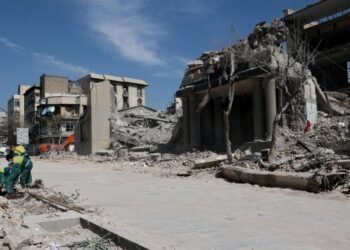
Yet, standing amidst the wreckage of a civilian area in Beit Shemesh recently, Prime Minister Netanyahu sought to project confidence and continuity. “We will rebuild—and build even more,” he vowed.
For now, the Israeli public appears willing to follow him into the unknown. The question lingering in the smoky air over Tel Aviv is not whether the public has the stamina for this war, but what the cost of “finishing it” will truly be.
Related News:
 Cooper: Joining US Strikes on Iran ‘Not in Britain’s Interest’
 Scots Caught Up in Middle East Crisis ‘Just Waiting for the Next Explosion’
 UK Must Act with Courage and Clarity on Israel-Palestine Conflict, Says Foreign Affairs Committee Report
 Radioactive Leak at UK’s Nuclear Warhead Base Sparks Outcry Over Safety and Secrecy
 Mutual Inconvenience: Why Alaska Was Chosen for the Trump-Putin Summit on Ukraine
 Terence Stamp, ’60s British Film Legend and Star of Superman, Dies at 87
 Where Is Prince William and Kate Middleton’s New House? Inside the Historic Lodge Set to Become Their ‘Forever Home’
 FIFA Eyes Biennial Club World Cup from 2029, Plans Possible Expansion
 EuroMillions Record-Breaking £210m Jackpot Won by Lucky Lottery Ticket Holder
 Is the UK Ready to Put Boots on the Ground in Ukraine? Assessing Military Capacity and Challenges
 Shein UK Faces Allegations of Shifting Majority of Profits to Singapore to Reduce UK Tax
 British Couple Among 16 Killed in Lisbon Funicular Tragedy
 Protests Expected as Israeli Arms Firms Join Global Defence Trade Fair in London
 Serbia Humiliated 0-5 by England in World Cup Qualifier
 Thousands Gather in London to Protest Donald Trump’s Second UK State Visit
 Trump Urges UK to “Call Out the Military” to Secure Borders Amid State Visit
 British AI Startup Outshines Human Forecasters in Global Prediction Contest
 Liverpool Vs outhampton Set for Carabao Cup Clash at Anfield
 UK Fighter Jet Purchase Could Breach Nuclear Treaty, Warns CND
 A Third of EU Citizens in UK Report Discrimination by Public Bodies Post-Brexit
 Public Trust in SNP Hits Historic Low Amid NHS Concerns
 Cooper Unveils £4m Cyber Plan Against Russian Hackers
 Johnson Suggests Mandelson Linked to China Spy Controversy
 Witness statements reveal the CPS China spy row collapse in the UK
 China warns UK over delayed London mega embassy decision
 Rachel Reeves signals welfare reform ahead of key budget
 Kosovo agrees to host Britain’s refused asylum seekers
 Fabio Wardley stuns Joseph Parker to earn Usyk title shot
 British Woman in Iran ‘Losing Hope’ Amid Ongoing Detention
 Johnson Approved China’s London ‘Super-Embassy’ in 2018
 BBC Journalist Held and Interrogated in Vietnam
 Top Christmas Books Reads: Classics to Cozy Romcoms
 Just Stop Oil Protesters Convicted Amid Climate Defence Row
 I’m a Celebrity 2025 line-up revealed: Osbourne joins
 Palace May Restore Hyphen to Andrew Mountbatten-Windsor’s Name
 Royal Navy Shadows Russian Warships Entering the Channel
 Starmer China visit raises human rights pressure on Beijing
 UK New Car Discounts Near £6,000 as Prices Are Slashed
 Universities and Politicians Briefed on China and Russia Spy Threat
 Starmer Weighs Fast-Tracking Defence Boost
 ‘I Would Scream in My Sleep’: Alawite Women from Syria Tell of Kidnap and Rape
 Iran Says ‘Guiding Principles’ Agreed With US at Nuclear Talks
 Snow and Rain Warnings as Cold Snap Continues in the UK
 Dual Nationals Face Scramble for UK Passports as New Rules Come Into Force
 Trump and Chagos Deal Rift Over Iran Strikes
 How Much Could Andrew’s Arrest Hurt the Royal Family?
 Australian PM Says Former Prince Andrew Has Suffered ‘Extraordinary Fall’ but That Won’t Prompt Republic Referendum
 Farage Chagos Islands Row Sparks Fury
 US Will Not Back Out of Tariff Deals with UK and Others, Says Trump Trade Representative
 Storm Hernando: Edinburgh Airport Flights Cancelled in US Travel Chaos
 Trump Tariffs Threat Spark UK and EU Alarm
 ‘We’ve been paying for happy endings for Andrew for years’: inside the royal disgrace, biographer says
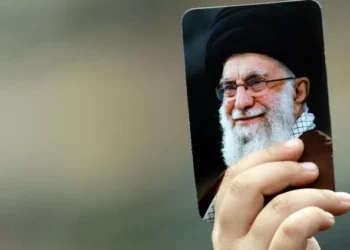 Iran’s Regime Still Intact — Coming Days Will Test Its Survival
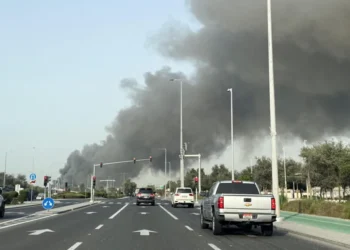 Allies of US in the Gulf Bear Brunt of Iran Attacks
 RAF Responding to Suspected Drone Strike at UK Cyprus Base
 Hopes and Fears as US Iranians Take to Streets After Toppling of Supreme Leader
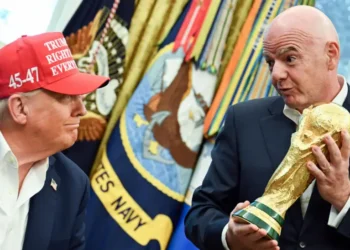 Iran, the US, and a World Cup That Starts in Three Months
 Islanders Advised on Travel to Middle East Amid Escalation
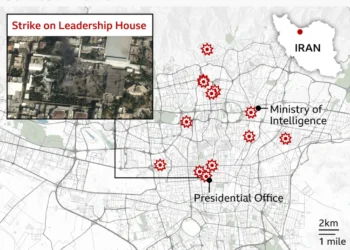 In Maps: Strikes Across Iran and the Middle East
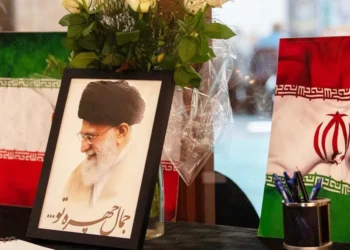 Months of Planning Behind US‑Israeli Mission to Target Iran’s Supreme Leader
 UK Will Allow US to Use Bases to Strike Iranian Missile Sites, PM Says
 US Iran Operation: Sixth Service Member Killed
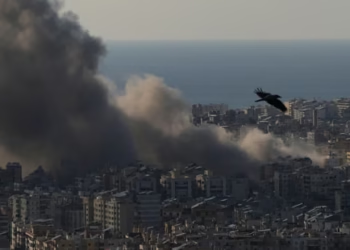
 Hezbollah Anger Erupts as War Returns to Beirut
 Sarwar Rejects Father’s Tribute to Iran’s Supreme Leader
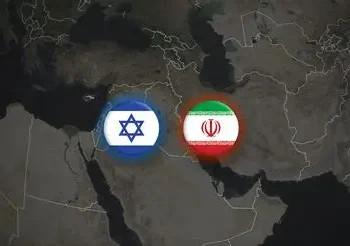 The Third Day of the US‑Israeli War With Iran
 Limited Flights Leave UAE But Disruption Continues Amid Iran Strikes
 Why the US and Israel attacked Iran
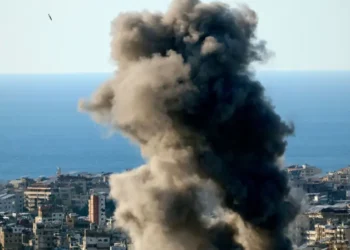 Israel Launches Fresh Strikes on Tehran and Beirut on Day Four
 Brit ‘in Good Spirits’ Amid Dubai Missile Attacks, Stranded but Safe
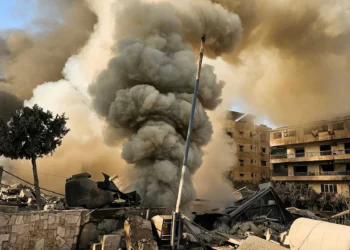 Israel Launches Ground Invasion of Lebanon Amid Widening Middle East War
 Trump Underestimated the Iranian Regime’s Will to Survive
 Trump rebukes Starmer over Iran strikes
 Stranger ‘On Drugs’ Stabbed Saudi Student to Death in Cambridge
 Civilian Deaths in Iran Pass 700 Amid Fear of Bombs and Regime Clampdown
 Middle East attacks intensify as Trump rejects Iran talks
 Trump Rebukes Starmer Over Iran Strikes Row
 Iran-Iraq border airstrikes spark new tensions
 US Senate Backs Trump War Powers Amid Iran Missile Barrage
 Macron Finds ‘Freedom Fries’ Redemption in Iran Crisis
 Minister Meets Crews Who Will ‘Take Out’ Iranian Drones