Published: 08 March 2026. The English Chronicle Desk. The English Chronicle Online.
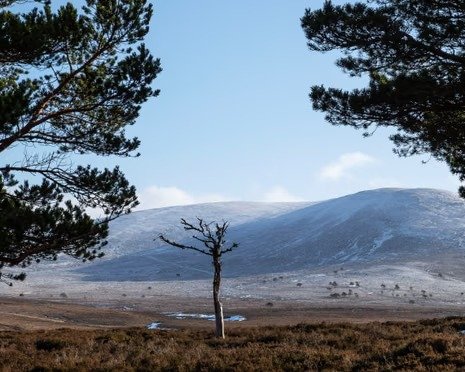
BrewDog, the self-styled “punk” beer company, has sold its Highland estate in Scotland for a surprisingly low price after abandoning plans to plant what it had billed as Scotland’s “biggest ever forest.” The company’s co-founder, James Watt, had promised that the Lost Forest project at Kinrara in the Cairngorms National Park would cover a “staggering area” and capture tens of millions of tonnes of CO2 during its lifetime, positioning BrewDog as a leader in corporate carbon neutrality.
BrewDog originally paid £8.5 million for the estate in 2020 and intended it to showcase the company’s commitment to environmental stewardship by planting millions of trees, restoring degraded peatland, and promoting ecotourism. However, in October 2025, the estate was sold to the carbon investment firm Oxygen Conservation, whose founder, Rich Stockdale, describes himself as a “regenerative capitalist.” The price paid was not initially disclosed, but land registration records show that Oxygen Conservation paid £8.85 million for Kinrara—barely more than BrewDog had originally invested, despite the project’s projected growth and the effects of inflation over five years.

The sale came after Watt was replaced as BrewDog’s chief executive and following the company posting losses of £37 million. Critics have highlighted that Oxygen Conservation used a loophole in Scotland’s land registration rules to avoid making the purchase price public, paying a small fee to maintain confidentiality. Analysts point out that the Kinrara estate was undervalued compared to the firm’s other acquisitions, such as the Dorback estate in 2024 and Blackburn & Hartsgarth’s estate in 2023, which were purchased at much higher per-hectare rates.
The transaction also included hundreds of hectares of woodland and peatland restoration projects funded by public grants. BrewDog had received approval from the UK’s carbon code system for “pending issuance units” (PIUs), which measure the amount of CO2 expected to be captured by restored land. The estate included 130,000 woodland PIUs valued at £3.5 million and 46,500 peatland PIUs worth £1.2 million, along with early approval for additional projects that would eventually receive PIU certification. These carbon credits, once fully validated, are expected to be significantly more valuable, and Oxygen Conservation plans to benefit from the estate’s potential for profit once the credits mature.
BrewDog declined to comment on the deal, and the firm has also recently faced criticism for selling its US assets for £33 million, which resulted in the closure of 38 pubs and the loss of nearly 500 jobs. The loss-making estate sale highlights wider questions about the carbon credit market and the role of private investors in Scotland’s land. While public subsidies have supported reforestation and ecological restoration, critics argue that the profits are frequently captured by corporate owners, leaving the long-term risks and liabilities to future owners or local communities.
The undervaluation of Kinrara mirrors wider trends in Highland estates focused primarily on carbon credits. For example, the Far Ralia estate near Newtonmore, which was purchased in 2021 for £7.5 million, saw its asking price nearly halved in July 2024 due to property market pressures and rising costs, despite planting 1.2 million native trees funded in part by public grants. These circumstances have fueled criticism that carbon-focused land projects are increasingly used as short-term profit ventures, rather than sustainable initiatives benefiting local people and ecosystems.
Josh Doble, director of policy and advocacy at Community Land Scotland, which campaigns for land reform, criticized the Kinrara sale as emblematic of extractive landownership practices. He said, “Once these projects are monetised through carbon credits, the profits are kept by corporate landowners who plan to sell in a few years. The liability and risk then shifts onto the next owner.” Doble emphasized that while woodland and peatland subsidies have a critical role in ecological restoration, they should favor collaborative projects with community or charitable ownership to ensure long-term local benefit.
BrewDog’s original vision for Kinrara included planting millions of native trees, creating habitat for wildlife, and using ecotourism to support regional employment. However, the loss-making sale and abandonment of the reforestation project raise questions about the company’s environmental credibility and commitment to carbon neutrality. Analysts note that while BrewDog has successfully positioned itself as an eco-conscious brand in its marketing, its financial performance and strategic decisions suggest that profit motives ultimately outweighed long-term environmental ambitions.
Environmental economists have highlighted that projects like Kinrara are crucial for the UK’s broader carbon reduction targets, particularly as the country seeks to meet net-zero commitments. The carbon credits generated from woodland and peatland restoration are intended to offset emissions from industrial and commercial activities. Yet the uneven financial treatment and undervaluation of estates in the private sector underscore challenges in creating a sustainable market for carbon credits, particularly when short-term corporate gains conflict with environmental and public interests.
Oxygen Conservation has indicated that it intends to expand its use of Kinrara for further carbon credit generation. With woodland PIUs recently sold for £125 each and peatland credits rising in value, the firm is poised to profit significantly as the PIUs convert to full carbon credits. These projections have fueled debates over the ethics of profit-driven land ownership, particularly when public subsidies contribute to environmental restoration projects whose benefits may not remain in local hands.

Community Land Scotland and other land reform advocates continue to call for regulatory changes that prioritize ecological integrity and community involvement over corporate profit. They argue that the UK government’s continued subsidies for private landowners must include stronger conditions to ensure long-term environmental outcomes and local economic benefits. Without such measures, critics warn that similar undervalued sales could undermine the credibility of carbon credit schemes and reduce public trust in reforestation and ecological restoration initiatives.
Despite the controversy, BrewDog remains active in other environmental and business initiatives, focusing on its brewing operations and brand expansion both in the UK and internationally. Nevertheless, the Kinrara sale serves as a cautionary tale about the intersection of private investment, carbon credit markets, and environmental stewardship, highlighting the need for greater transparency and accountability in Scotland’s rapidly evolving land management and carbon trading sector.
Related News:
 Reeves Faces Setback as Labour May Miss Homes Target
 Trump’s UK Ambassador Urges North Sea Drilling to Strengthen US Ties
 ABF May Split Primark from Food Division Amid Tough Market
 UPS Cargo Plane Crash in Kentucky Kills Seven
 M&S Profits More Than Halve After Cyber-Attack
 Tony Blair think tank warns Rachel Reeves must cut taxes if manifesto broken
 Oprah enjoys Meghan’s jam on English muffins
 Millionaires group urge Reeves to introduce wealth tax to ‘lift kids out of poverty’
 UK toy market enjoys bumper year as ‘kidults’ fuel demand
 Global markets drop amid tech sell-off and China slowdown
 PM Highlights UK Business at G20 in South Africa
 Mossmorran Plant Closure Hits Cowdenbeath Hard
 UK Taskforce Unveils Plan to Streamline Nuclear Reactor Rules
 Steel billionaire Lakshmi Mittal reportedly leaves UK
 Starmer Says Labour’s Economic Plan Needs Years to Deliver
 Virgin Media Fined £23.8m Over Telecare Safety Failures
 Rising Water Bills Lift Troubled Thames Back to Profit
 Sainsbury’s CEO leads business honours in New Year list
 Starmer Faces Parliamentary Battles Over UK-EU ‘Reset’ Plan
 Phoenixism Costs UK Taxpayers Millions in Recruitment Sector
 ScottishPower Tops List of Worst UK Energy Suppliers
 City & Guilds pay surge sparks backlash amid £22m cuts
 UK Government Borrowing Drops to £11.6bn in December
 AI job losses UK: Britain faces sharper employment shock
 Most young adults in UK fear uncertain jobs and economic future
 Royal Mail delivery delays affect 16 million during Christmas
 UK Housing Market Shows Early Recovery Signs
 UK economy struggles as growth stalls at 0.1% in late 2025
 Bank of England Urged to Cut Rates to Spur Growth
 UK Unemployment Rate Climbs to 5.2% Peak
 UK shelves £110m border project amid trade strain
 UK Inflation Surprise Sparks Early Rate Cut Hopes
 Progress on gender equality at top UK firms ‘achingly slow’
 Reeves Must Back Defence Plan or Face Dismissal, Says Unite Chief
 Switching Energy Deal Can Save £200 as Price Cap Falls
 OBR Reform Row Deepens Before Spring Forecast
 UK Hotel Data Sharing Probe Shakes Global Chains
 Rachel Reeves Faces Middle East Conflict Test
 Grocery Inflation Rises Amid War Fears
 Peak Greggs fears as profits tumble sharply
 Yorkshire Water Funding Sparks Debate Amid Fines and Pay Row
 John Lewis bonus returns after four years as profits rise
 New £10bn rescue plan offered for Thames Water
 UK Energy Reform Could Cut Bills by £200
 UK Doubles Steel Tariffs to 50% to Protect Domestic Plants
 Starmer Adviser Urges New Profit Cap on Energy Firms
 Hospitality Sector Teeters on Brink as Costs Surge
 Iceland Boss Offers Role to Sacked Waitrose Employee
 Student Loan Interest May Rise Despite 6% Cap
 Major Housebuilder Cuts Land Buying Amid Global Unrest
 City & Guilds Sale Sparks Fees and Pay Uproar
 Heathrow Chair Seeks Peace to Save Third Runway
Carillion Executives Banned After Reckless Misconduct
Heathrow Chair Seeks Peace to Save Third Runway
Carillion Executives Banned After Reckless Misconduct
 Labour Faces Internal Pressure for Bold Economic Shift
 Millionaires Back Higher Taxes to Save UK Public Services
 Crypto Tycoon Enters UK Rich List at Number Six
 UK Firms Freeze Spending as Iran Conflict Bites
 Summer Shock: British Energy Bills Set for Grim July Hike
 Reeves to Fast-Track Clean Energy Amid Iran Crisis
 M&S Boss Slates Food Price Caps as ‘Preposterous’
 UK Pushes for New EU Goods Trade Deal
 UK Urged to Build EU Rejoin Consensus, Says Miliband
 Tube Strike Brings Capital to a Standstill Over Shift Disputes
 BP Stands Firm on Amanda Blanc Amid Boardroom Storm
 Steel Tensions Rise Between United Kingdom and European Union
 UK House Prices Drop For Third Month Due To War Fears
 Top Chefs Back Andy Burnham to Save UK Hospitality Sector
 UK Steel Crisis: Jingye Demands Payout After Takeover
 Flutter to Cancel London Stock Exchange Share Listing
 AI Scams Push UK Investment Fraud Past £220m
 Whitehall Steps In: The Battle Over Thames Water Deepens
 Thames Water Nationalisation Pushes Closer After Rescue Objected
 John Lewis Invests £20m in Glasgow Store Upgrade
 Andy Burnham Enlists Economic Heavyweights for Leadership Bid
 Tories Clinch Shock Victory in Aberdeen South Byelection
 Rethinking the Blueprint for Youth Employment in Britain
 Sainsbury’s Boss Optimistic As Grocery Inflation Eases
 UK Households Suffer Squeeze As Disposable Incomes Drop
 Bank of England Eases Rules Despite Rising AI Risks
 BBC Faces Real Jeopardy as Licence Fee Income Declines