Published: March 10, 2026
The English Chronicle Desk
The English Chronicle Online
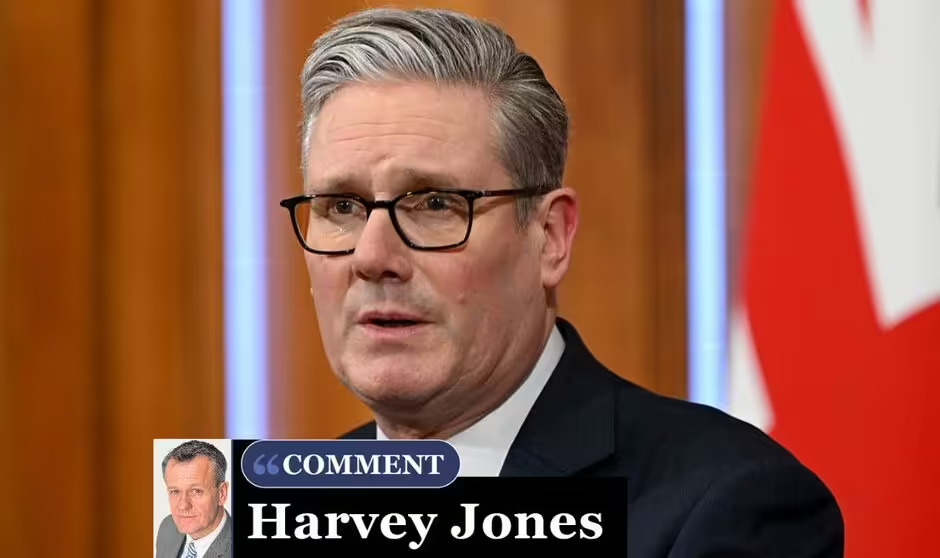
Keir Starmer, leader of the UK Labour Party, is reportedly facing one of the most challenging periods of his political career, but critics argue that his current approach is misdirected, focusing attacks on the wrong political targets.
Political analysts say that while Starmer prepares for a crucial election cycle, his strategy appears to centre on confronting perceived threats within the opposition rather than addressing voter concerns directly. Observers suggest this could undermine his party’s broader appeal at a time when public opinion is highly volatile.

Commentators have noted that Labour’s messaging has increasingly highlighted attacks on rival factions within Parliament, while key policy areas such as healthcare, the economy, and cost-of-living pressures are receiving less prominent attention. This approach, they argue, risks alienating undecided voters who prioritise tangible solutions over political posturing.
Some insiders within Labour have privately expressed concern that focusing on intra-party debates and political squabbles may distract from the party’s electoral objectives. According to sources familiar with strategy discussions, Starmer’s advisers are aware of these criticisms but maintain that highlighting the “right-wing bloc” will energise the base ahead of the upcoming campaign.
Meanwhile, opposition figures and media analysts say the Labour leader may be underestimating public scrutiny of domestic issues, particularly inflation, NHS performance, and national security. Polling data suggests that voters are increasingly focused on policy delivery rather than political rhetoric, a dynamic that could complicate Starmer’s electoral prospects if not addressed.
The situation has prompted debate over leadership style and political priorities. Some commentators argue that Starmer’s decision to concentrate attacks on certain opponents, rather than addressing cross-party issues affecting ordinary citizens, could backfire politically. Others contend that this tactic is intended to consolidate party unity ahead of a difficult general election.
Despite the criticism, Starmer remains a prominent figure in UK politics, commanding significant support within his party. Analysts caution, however, that misjudged strategy in the coming months could erode public confidence and provide opportunities for rivals to gain traction among swing voters.
The next few weeks are expected to be decisive for Labour, as Starmer navigates internal pressures and public expectations. Political observers will be watching closely to see whether his focus shifts toward broader voter concerns or continues to centre on party-level confrontations.

Ultimately, Starmer’s ability to adapt his approach may determine whether Labour can maintain momentum heading into critical electoral contests. The challenge will be balancing political strategy with addressing the issues that matter most to voters, all while under intense scrutiny from both media and political opponents.
Related News:
 UK Must Act with Courage and Clarity on Israel-Palestine Conflict, Says Foreign Affairs Committee Report
 Chancellor Faces Mounting Pressure Amid “Impossible Trilemma” Over Tax Rises
 Radioactive Leak at UK’s Nuclear Warhead Base Sparks Outcry Over Safety and Secrecy
 Mutual Inconvenience: Why Alaska Was Chosen for the Trump-Putin Summit on Ukraine
 UK Government Expands ‘Deport Now, Appeal Later’ Policy to 23 Countries
 Chancellor Rachel Reeves Pushes for Sweeping Changes to Environmental Protections to Accelerate Development
 Larger Families Could Gain Thousands if Labour Ends Two-Child Benefit Cap
 Is the UK Ready to Put Boots on the Ground in Ukraine? Assessing Military Capacity and Challenges
 Palestine Action Ban Protesters Plan Tactic to Overwhelm Police at Next London Demonstration
 Police Scotland Spends £500,000 Compensating Officers Over Trump Visit
 Britain’s Migration Challenge: Rising Asylum Numbers and Hotel Pressures
 Elon Musk Sparks New Controversy by Backing Tommy Robinson Amid Farage Feud
 Urgent Action Needed on Windrush Compensation as Survivors Speak of “Waiting to Die”
 Tanni Grey-Thompson Faces Abuse Over Opposition to Assisted Dying Bill
 TfL Invites RMT to Resume Talks as London Tube Strikes End
 UK Rejoining EU ‘Unlikely in My Lifetime,’ Says Starmer’s Europe Reset Negotiator
 ‘Unite the Kingdom’ Rally Sparks Fears of Far-Right Normalisation Among Minority Britons
 Thousands Gather in London to Protest Donald Trump’s Second UK State Visit
 Zarah Sultana Seeks Legal Action After Bitter Clash with Jeremy Corbyn Over Party Membership Funds
 Nigel Farage Unveils Controversial Immigration and Welfare Plans at Reform UK Press Conference
 Top Andy Burnham Ally Launches Fierce Critique of Starmer Ahead of Labour Conference
 Mahmood Pledges Reform of Modern Slavery Laws After Court Blocks Deportation Appeal
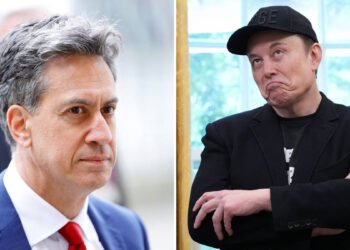 Ed Miliband Warns UK Government on X, Citing Elon Musk as a “Dangerous Influence”
 Ed Miliband Urges Labour to Confront Billionaire-Backed Opposition to Net Zero Goals
 A Third of EU Citizens in UK Report Discrimination by Public Bodies Post-Brexit
 Digital ID Plans Ignite Debate Over £600m Treasury Tax Boost and Privacy Concerns
 Kemi Badenoch Unveils ‘Golden Rule’ to Halve Spending Cuts for Deficit Reduction at Tory Conference
 Public Trust in SNP Hits Historic Low Amid NHS Concerns
 Yvette Cooper Backs Digital ID Plan for UK Teens
 Johnson Suggests Mandelson Linked to China Spy Controversy
 UK border officers deployed to Balkans to tackle migrant smuggling
 Ministry of Justice fails to file £11bn in spending receipts
 UK MPs warn of repeat riots over online misinformation
 Rachel Reeves signals welfare reform ahead of key budget
 Reform UK candidate fined £19,000 after using AI-generated cases to challenge election
 William Steps Up Over Prince Andrew Palace Response
 Army Barracks to House Migrants as Hotels Phase Out
 Green Party Surges Past Labour in Latest UK Poll
 Trump’s UK Ambassador Urges North Sea Drilling to Strengthen US Ties
 French Taxi Driver Cleared in David Lammy Theft Case After Fare Dispute
 Millionaires group urge Reeves to introduce wealth tax to ‘lift kids out of poverty’
 Starmer Faces Growing Dissent as Labour MPs Weigh Leadership Challenge
 Reeves rejects £1bn plea for NHS redundancy payouts
 PM Condemns Leaks, Vows Loyalty to Ministers and Stability
 Major Rent Reform Ends No-Fault Evictions in England
 Most Tories Expect to Support a Farage-Led Government
 Starmer Says Labour’s Economic Plan Needs Years to Deliver
 England delays four mayoral elections amid criticism
 Reform Candidate Sparks Fury Over Loyalty Comments
 Right Must Unite After Jenrick Defection, Urges Rees-Mogg
 UK Ministers Drop Foreign Student Targets for Global Education Push
 No Gas Boiler Ban as UK Warm Homes Plan Backs Heat Pumps
 Shinzo Abe’s killer receives life sentence in Japan
 Police response times face strict new national limits
 Labour policing overhaul sparks fears over growing central control
 Starmer warns of toxic division politics in Reform challenge
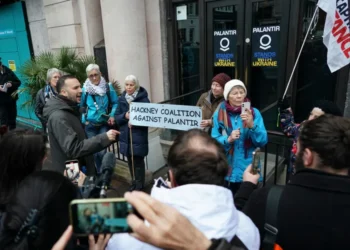 Palantir contracts face UK halt calls over transparency
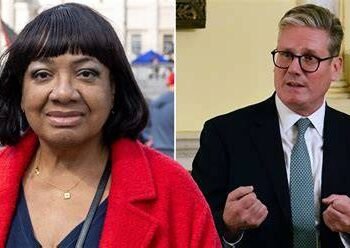 Diane Abbott Slams Applause for Keir Starmer as PM Vows to Stay On After Mandelson-Epstein Row
 Cabinet Secretary Shake-Up Triggers Due Diligence Warning
 Could Manchester Lead the UK’s Economic Revival?
 Starmer Weighs Fast-Tracking Defence Boost
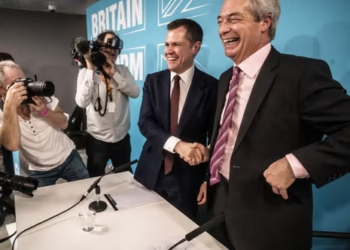 Farage to Name Jenrick as Reform Chancellor Pick
 Civil Service Pay: Union Urges Ministers to End ‘Barking Mad’ Limits
 Antonia Romeo appointment sparks criticism
 Australian PM Says Former Prince Andrew Has Suffered ‘Extraordinary Fall’ but That Won’t Prompt Republic Referendum
 Farage Chagos Islands Row Sparks Fury
 Lord Mandelson Released on Bail After Arrest on Suspicion of Misconduct in Public Office
 Reform UK targets workers’ rights repeal
 Russian Trade Routed Through British Islands Exposed
 Mandelson Arrest: Met Apologises to Hoyle
 Palestine Action ban appeal moves forward
 No 10 Will Have No Say on Which Mandelson Papers Are Released
 BBC Charter Reform Sparks Independence Battle
 Labour MP’s Partner Arrested on Suspicion of Spying for China
 Police Scotland Pays £8m Compensation to Staff
 Minister Meets Crews Who Will ‘Take Out’ Iranian Drones
 Thousands Protest Iran Strikes Outside US Embassy London
 US Bombers Arrive at RAF Base Amid Rising Iran Tensions
 UK Oil and Gas Supplies Reassured Amid Middle East Concerns
 UK–US Tensions Ease as Starmer and Trump Hold First Call Since Iran Row