Published: 11 March 2026. The English Chronicle Desk. The English Chronicle Online.
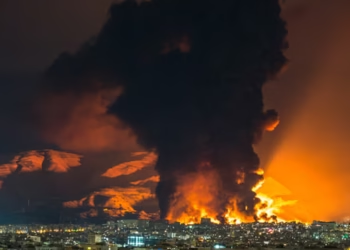
Residents across Tehran say the city endured its most terrifying night since the war began. The latest wave of Tehran strikes shook neighbourhoods, ignited fires, and filled the skies with smoke. Many people described relentless explosions echoing across the capital throughout the night.
Witnesses said buildings trembled repeatedly as aircraft roared overhead during intense aerial bombardment. Some residents reported hearing several explosions within minutes, suggesting multiple military targets were hit across the city. Others described shattered windows and trembling walls after particularly powerful blasts nearby.
Several people speaking anonymously described a night of fear and confusion across Tehran districts. One resident living in eastern Tehran said the explosions sounded closer than before. They reported flames rising from a nearby site shortly after a loud detonation. According to the resident, low-flying aircraft circled above while sirens echoed across the darkened neighbourhood.
Electricity failures worsened the situation as rolling blackouts spread across parts of the city. Communication services were also severely disrupted, leaving many families struggling to contact relatives. Mobile networks dropped repeatedly and internet services slowed dramatically during the night.
The latest Tehran strikes follow an expanding military campaign launched by Israel with support from the United States. The operation began on 28 February with the stated goal of weakening Iran’s missile and drone capabilities. Israeli officials confirmed that several military facilities were targeted in Tuesday’s operations.

Among the reported targets was a facility linked to weapons development, according to Israeli defence sources. Military spokespeople said the strikes were aimed at disrupting Iran’s ability to produce advanced weapons systems. They also claimed the attacks were carefully planned to avoid unnecessary civilian casualties.
However, independent monitoring groups say the humanitarian toll continues rising sharply across affected regions. The organisation Human Rights Activists in Iran estimates that more than 1,200 civilians have died since fighting escalated. Among them are nearly two hundred children killed during bombing raids and missile exchanges.
In neighbouring Lebanon, Israeli air strikes have also intensified against positions linked to Hezbollah fighters. Lebanese authorities say hundreds of people have died since the campaign widened across regional borders. At least eleven people have been killed in Israel from retaliatory attacks.
United States military officials say American forces have also suffered casualties during operations in the region. Seven American service members have died and more than one hundred others were injured. Several of the wounded are reported to be in critical condition.
While explosions struck Tehran overnight, mixed signals emerged from Washington about the conflict’s future direction. Former US president Donald Trump suggested earlier this week that the war could soon conclude. In contrast, US defence secretary Pete Hegseth warned that further attacks were imminent.
Hegseth said military operations would continue until strategic objectives were fully achieved. He emphasised that the timing and outcome of the campaign would ultimately depend on American leadership decisions. The statement appeared to contradict suggestions that hostilities might soon wind down.
General Dan Caine, chairman of the US joint chiefs of staff, described the scale of operations already conducted. He said allied forces have struck more than five thousand targets across Iranian territory. The campaign focuses heavily on missile infrastructure, drone facilities, and naval assets threatening regional shipping routes.
Military planners also aim to weaken Iran’s industrial and military supply networks. According to Caine, deeper strikes have targeted facilities supporting weapons manufacturing and logistical coordination. These attacks, officials say, are intended to reduce Iran’s ability to sustain long-term warfare.
Iranian leaders responded defiantly to the growing wave of Tehran strikes and international pressure. Senior official Ali Larijani warned that Iran would not accept an end to the war easily. He said the country would seek to impose heavy costs on the United States and Israel.
Larijani posted a strongly worded message on social media addressing the American leadership directly. He insisted that Iran would not fear threats or military pressure from foreign powers. The post also suggested retaliation could target high-profile decision makers involved in the campaign.
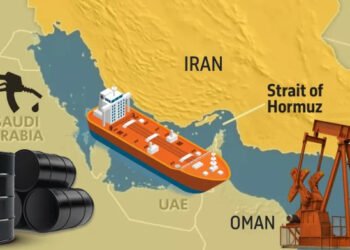
Meanwhile, global economic concerns have intensified as the conflict threatens vital energy routes. The Strait of Hormuz remains one of the world’s most important oil shipping channels. Nearly a fifth of global oil supplies pass through the narrow waterway each day.
Disruption to traffic through the strait has already begun pushing energy prices sharply higher. Economists warn that prolonged instability could trigger an international energy crisis reminiscent of the 1970s. Rising fuel costs are already being felt by drivers and industries worldwide.
Iran has attempted to broaden pressure by launching attacks against several Gulf states. Authorities in Bahrain reported that a residential building in Manama was struck during a missile attack. One woman died and eight others were injured during the incident.
Firefighters in the United Arab Emirates battled a blaze after a drone strike near petrochemical facilities. Meanwhile Saudi Arabia and Kuwait reported intercepting drones over their territories. These developments illustrate how the conflict is gradually spreading across the wider region.
Despite the tension, life in Dubai continues with surprising normality according to local residents. Beaches, shopping malls, and restaurants remain busy although tourism has slightly declined. Some travellers left the region after initial warnings of possible missile attacks.
Commercial flights gradually resumed as the UAE reopened sections of its airspace cautiously. Government officials condemned Iranian attacks but reassured residents that security measures remained strong. So far four migrant workers have died from falling debris linked to intercepted missiles.
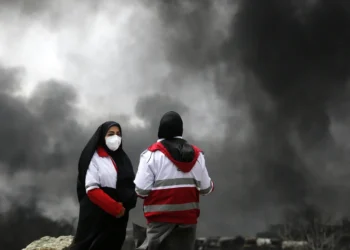
Back in Tehran, residents describe increasingly polluted skies following repeated strikes on oil facilities. Thick smoke has drifted across the city and neighbouring provinces during recent days. The heavy pollution has turned daylight skies grey across several districts.
Some residents reported an unusual phenomenon described locally as black rain falling from smoky clouds. The droplets appeared dark due to soot and industrial particles released during explosions. The unusual rainfall added another disturbing element to an already frightening environment.
The World Health Organization issued a warning urging residents to remain indoors while conditions persist. Health officials say contaminated rainfall and airborne chemicals could cause respiratory illnesses. Prolonged exposure may pose particular risks for children and elderly residents.
Many families have already fled Tehran seeking safety in smaller towns or rural areas. Highways leaving the capital reportedly experienced heavy traffic during previous days of bombing. However, elderly residents and those with limited means often struggle to leave quickly.

For those who remain, nights filled with Tehran strikes continue to test endurance and resilience. Residents describe sleepless hours listening for aircraft and distant explosions across the skyline. Some say the psychological toll now rivals the physical damage inflicted on the city.
Authorities inside Iran have also warned against protests or unrest during the wartime emergency. Police chief Ahmad-Reza Radan cautioned that demonstrations would be treated as hostile acts. Security forces, he said, remain ready to defend the state against perceived threats.
Meanwhile, fighting continues across Lebanon where Israeli forces target Hezbollah positions near Beirut. Rocket attacks and drone launches from southern Lebanon persist despite repeated bombardment. Israeli leaders are reportedly considering expanding their offensive further against the group.
Humanitarian organisations warn that the region risks sliding toward a broader regional conflict. Diplomatic efforts continue quietly as international leaders urge restraint and renewed negotiations. Yet each night of Tehran strikes increases fears that the war may still escalate.
For ordinary civilians trapped between military calculations, survival remains the only immediate priority. Families shelter indoors while hoping explosions will not reach their neighbourhoods. As dawn rises over Tehran, many residents simply wait anxiously for the next uncertain night.
Related News:
 Middle East Flights Halted After Iran Strikes
 US Iran Operation: Sixth Service Member Killed
 Hezbollah Anger Erupts as War Returns to Beirut
 Gaza Siege Deepens as Iran War Escalates
 Riyadh Drone Attack Escalates Regional War
 Middle East attacks intensify as Trump rejects Iran talks
 Iran-Iraq border airstrikes spark new tensions
 Iran-Iraq Border Strikes Spark New Front Fears
 Iran-Backed Militias Escalate Attacks Across Middle East
 UK Prepares Aircraft Carrier for Middle East Crisis
 Mojtaba Khamenei Chosen as Iran’s New Supreme Leader
 Tehran Oil Depot Strikes Darken City With Toxic Smoke
 Seventh US Service Member Killed in Iran Conflict Identified
 Mojtaba Khamenei Supporters Rally as Iranians Fear Repression
 Iran Defiance Grows Amid US-Israel War Pressure
 Hormuz Crisis Sparks Global Oil Market Fears
 Iranian Exile Factions Seek US Backing for Iran’s Future
 US-Israeli Strategy Shifts to Plan B in Iran War
 Injured Mojtaba Khamenei Elevated as Iran Leader
 US Missile Strike on Iran School Sparks Global Shock
 Iran Gulf attacks escalate as ships and airports targeted
 Iran Conflict: Trump’s Uncertain Path and Diplomatic Off-Ramp
 Ancient Heritage Sites Damaged in Recent Airstrikes
 Tehran Diary: Dark Days Under Relentless Bombardment
 British Tourist Charged Over Dubai Missile Strike Video
 Gaza Detainee Abuse: Israel Drops Charges Against Soldiers
 Trump Iran War Stance Hardens as Conflict Widens
 Lebanon Ground Campaign Raises Occupation Fears
 Gulf Tensions Rise as Iran Alleges Covert Support
 Kabul hospital strike sparks deadly blame row
 Iran Threatens Total Destruction of Mideast Energy Grid
 Ghalibaf Iran: Survivor Emerges in Shifting Power Game
 Gulf Distrust Grows Over Rumoured US-Iran Peace Talks
 WHO Warns of Health Crisis Unfolding in Middle East
 Saudi Arabia Urging US to Keep Up Iran Attacks
 Iranian President’s Son Shares Wartime Hopes and Fears
 Iran Warns of US Ground Assault Amid Rising War Tension
 MAGA Anxiety and the Iran War: A Movement Divided at CPAC
 Trump Threatens Iran With Total Infrastructure Destruction
 Iran Drone Strike Hits Kuwaiti Oil Tanker in Dubai Port
 Albanese to Address Nation as War Sparks Economic Crisis
 Death, displacement and military duties: children plunged into crisis
 Trump’s Six-Week Iranian War: The High Cost of Ignorance
 Beirut Under Fire: Massive Israeli Strikes Shaking Lebanon
 Middle East Analysis: The Cost of a Fragile Peace
 Lebanon Must Join Ceasefire to Prevent Escalation, Says Cooper
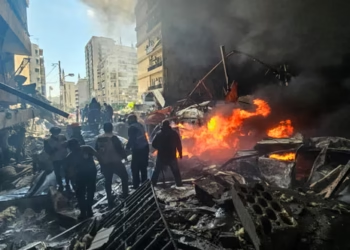 Israel Launches Massive Airstrikes Across Lebanon
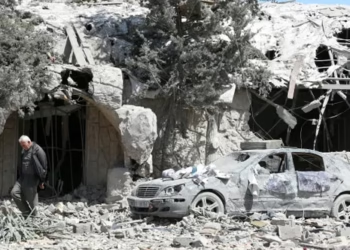 Netanyahu Vows Continued Lebanon Strikes Amid Peace Talks
 Iran Crisis Tests Trump’s Global Leadership
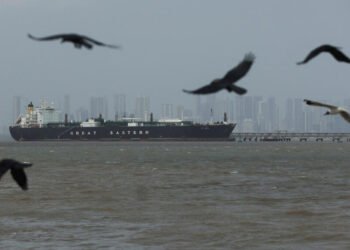 US and Iran Pursue Extension of Ceasefire via Pakistan
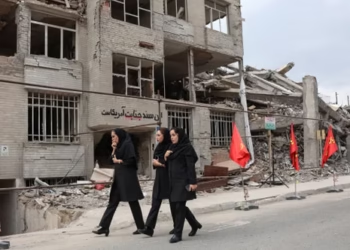 Uncertain Peace: Tehran Residents Face a Ruined Capital
 Aid Crisis Grows as Hormuz War Disrupts Supply
 Trump likens US Navy actions to ‘pirates’
 Global order shifts amid Trump-era turmoil
 Middle East Crisis Escalates as Oil Routes Shake Markets
 Tensions Emerge in Netanyahu-Trump Alliance
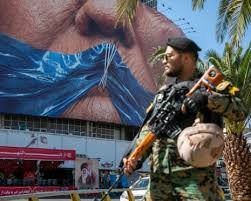 Trump Rejects Tehran Peace Plan as Regional Truce Crumbles
 Netanyahu Calls Early Election Amid Coalition Turmoil
 Tensions Flare as Israeli Nationalists March in Jerusalem
 Gulf Crisis Deepens After Drone Attack Near Nuclear Facility
 Global Flotilla Intercepted in International Waters
 Israeli Strikes in Lebanon Kill 10 Amid Ceasefire Strain
 Hunger increasingly weaponised in global conflicts
 Former ICC prosecutor condemns US sanctions
 Trump Claims Iran Peace Deal Near Completion
 US Strikes Iranian Sites Amid Shaky Ceasefire Talks
 Israel Intensifies Lebanon Strikes to Crush Hezbollah
 Trump’s Iran Deal Plan Sparks Intense Alarm Across Israel
 US and Iran Trade Fresh Strikes, Threatening Ceasefire
 Trump Confronts Netanyahu in Explosive Beirut Phone Call
 Iran To Propose New Shipping Fees In Strait Of Hormuz
 Grief and Devotion Amidst the Rubble of Nabatieh
 High Drama in Tehran Over Secret Nuclear Letters
 Houthis Strike Saudi Arabia as Middle East Tensions Rise
 BBC to Apologise Over Edited Trump Speech Amid Backlash
 Greene Pushes Epstein Files Amid Trump Fallout
 Zelenskyy Signs Fighter Jet Deal Amid Russian Drone Attacks
 Shadow Fleet at Sea: Europe’s Battle Against Illicit Oil Shipping
 Trump and Tehran Find Common Ground in Landmark Ceasefire
 Scepticism and tight security as Beijing braces for Trump