Published: 11 March 2026. The English Chronicle Desk. The English Chronicle Online.
Tensions in the Middle East have intensified as Iran shows growing resistance to mounting pressure from the United States and Israel. Iranian leaders now signal that they are not prepared to accept a quick ceasefire while hostilities continue across the region.
The latest statements from senior officials suggest that Iran believes it is holding firm in the conflict. This belief has strengthened Iran defiance in the face of military strikes and political warnings from Washington and Tel Aviv.
Diplomatic sources indicate that Iran has rejected two separate ceasefire messages delivered through US envoy Steve Witkoff. The envoy was reportedly tasked by President Donald Trump to explore a possible path toward halting the conflict.
Iranian officials have instead made it clear that any ceasefire must include strong guarantees against future attacks. Without such assurances, leaders in Tehran argue that pausing the war would only delay another confrontation.
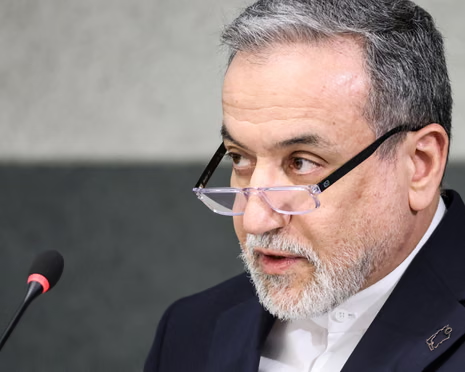
Foreign Minister Abbas Araghchi said that a unilateral declaration of victory from Washington would not end the fighting. According to him, a statement from the United States claiming success would not change Iran’s position on the battlefield.

Araghchi warned that Tehran will not accept an outcome that allows military pressure to resume later. In his view, the conflict can only end if the United States commits to avoiding further aggression against Iran.
Iranian officials believe that the costs of continued confrontation must become clear to Washington. Their strategy appears designed to show that attacking Iran carries serious political, economic, and military consequences.
Deputy Foreign Minister Kazem Gharibabadi emphasised that a ceasefire would require meaningful guarantees. He said a temporary halt without commitments from the United States would quickly become meaningless.
Such statements illustrate the confidence now spreading among Iran’s leadership. At the beginning of the war only eleven days ago, many observers believed Tehran was primarily focused on survival.
However, the tone from Iranian officials has shifted dramatically as the conflict continues. Leaders increasingly portray their country as resilient and capable of enduring extended pressure.
The government is also exploring diplomatic possibilities through conversations with international mediators. Several countries have offered to help broker talks aimed at stopping the fighting.
Iranian diplomats are considering whether the war could simply halt without a formal agreement. A similar pause occurred during a previous confrontation last year, when violence stopped without a lasting settlement.
Yet many officials in Tehran remain sceptical about temporary arrangements. They argue that earlier diplomatic talks collapsed when military strikes suddenly resumed.
For this reason, some Iranian leaders insist that the conflict should only end with a more permanent framework. Such an agreement could potentially involve the easing of economic sanctions imposed by Washington.
Despite those discussions, the dominant mood inside the Iranian leadership appears resolute. Many figures believe the country should continue resisting until its adversaries reconsider their strategy.
The issue will soon reach the international stage as the United Nations debates the crisis. More than eighty countries are expected to support a resolution criticising Iran’s actions in the region.
The resolution, sponsored by Bahrain, condemns attacks targeting Gulf states during the conflict. However, the proposal does not include criticism of the United States or Israel.
Russia may introduce a separate motion calling for an immediate ceasefire between all sides. That proposal could trigger intense debate within the UN Security Council.
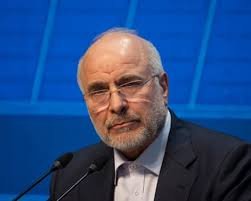
Iranian leaders have already signalled their rejection of outside pressure. The speaker of parliament, Mohammad Ghalibaf, issued a blunt message on social media.
Ghalibaf declared that Iran is not seeking a ceasefire under current circumstances. He warned that any hostile action would receive an immediate and proportionate response.
His remarks reflected the growing atmosphere of defiance within Iran’s political establishment. Officials frequently describe the conflict as a fight for national dignity and sovereignty.
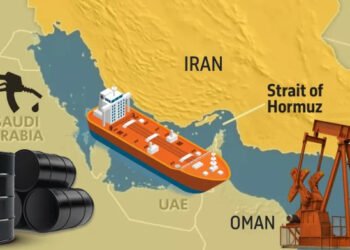
The powerful Islamic Revolutionary Guard Corps has also adopted a confrontational stance. The organisation announced strict control over shipping routes through the strategically vital Strait of Hormuz.
The Strait of Hormuz carries nearly one fifth of the world’s crude oil supplies. Around twenty percent of global liquefied natural gas shipments also pass through the narrow waterway.
The Revolutionary Guards warned that vessels linked to countries attacking Iran would not be allowed to cross the strait. Their statement suggested that ships from states expelling US and Israeli ambassadors could receive safe passage.
Such warnings have raised serious concerns across global energy markets. Any disruption in the strait could significantly affect international oil prices and supply chains.
Even Iran’s relatively moderate president, Masoud Pezeshkian, adopted a firm tone while addressing the crisis. He argued that foreign military forces have come and gone throughout history while Iran has endured.
According to Pezeshkian, the country’s survival demonstrates the resilience of its people and institutions. His comments echoed the broader message of national resistance now dominating official rhetoric.
Meanwhile, President Donald Trump appears to be balancing military achievements with growing political pressure. During a recent press conference, he suggested that American strikes had inflicted serious damage on Iranian capabilities.
Trump pointed to the destruction of missile launchers and nuclear facilities as signs of progress. Yet he stopped short of declaring complete victory in the campaign.
Analysts say the hesitation reflects the uncertain outcome of the confrontation. While military operations have weakened Iran’s infrastructure, they have not forced Tehran to surrender.
Regional experts also warn that continued fighting could produce unexpected consequences. Some believe the conflict may even strengthen Iran’s leadership domestically.
Alex Vatanka, a senior fellow at the Middle East Institute, argued that war sometimes reinforces governments facing internal criticism.
According to Vatanka, Israeli strikes against energy infrastructure may have changed public sentiment inside Iran. Images of thick smoke rising above Tehran have circulated widely across social media.
He suggested that these scenes shifted public perception from opposition to the government toward defence of the nation. Many citizens now see the conflict as a direct attack on Iran rather than solely on its leadership.
However, not all experts believe Iran’s position is strong in the long term. Economic challenges continue to threaten the country’s stability.

Emile Hokayem of the International Institute for Strategic Studies pointed to Iran’s growing resource problems.
He argued that prolonged confrontation could severely strain the economy. Export restrictions and trade disruptions are already limiting revenue streams.
If shipping through the Strait of Hormuz becomes unstable, Iran could also suffer financially. Many regional partners might avoid trade entirely while tensions remain high.
The United Arab Emirates is reportedly considering freezing Iranian assets as part of wider regional pressure. Such measures could deepen the economic impact of the conflict.
Despite those risks, Iran’s leadership appears determined to maintain its stance for now. Officials repeatedly state that surrendering under military pressure would set a dangerous precedent.
For the moment, the crisis shows no clear path toward resolution. Diplomatic channels remain open, yet neither side seems ready to step back.
As international observers watch closely, Iran defiance continues shaping the course of the conflict. Whether this strategy leads to negotiations or deeper confrontation remains uncertain.
Related News:
 Middle East Flights Halted After Iran Strikes
 UK Prepares Aircraft Carrier for Middle East Crisis
 Mojtaba Khamenei Chosen as Iran’s New Supreme Leader
 Tehran Oil Depot Strikes Darken City With Toxic Smoke
 Mojtaba Khamenei Supporters Rally as Iranians Fear Repression
 Hormuz Crisis Sparks Global Oil Market Fears
 Iranian Exile Factions Seek US Backing for Iran’s Future
 Injured Mojtaba Khamenei Elevated as Iran Leader
 Trump Iran War Stance Hardens as Conflict Widens
 Ghalibaf Iran: Survivor Emerges in Shifting Power Game
 Iran Crisis Tests Trump’s Global Leadership
 Trump likens US Navy actions to ‘pirates’
 Global order shifts amid Trump-era turmoil
 Middle East Crisis Escalates as Oil Routes Shake Markets
 Tensions Emerge in Netanyahu-Trump Alliance
 Former ICC prosecutor condemns US sanctions
 Trump Claims Iran Peace Deal Near Completion
 Houthis Strike Saudi Arabia as Middle East Tensions Rise
 Trump Calls Strait of Hormuz ‘American Territory’
 Trump Faces Iran War Crisis Before Midterm Vote
 Former Diplomats Urge UK and France to Act on Palestine
 BBC to Apologise Over Edited Trump Speech Amid Backlash
 Britain deploys RAF specialists to assist Belgium with drone threats
 US Justice Department Files Lawsuit Against California Over Partisan Voting Maps
 Greene Pushes Epstein Files Amid Trump Fallout
 Trump Deploys DHS to Charlotte in Major Arrest Operation
 December Run-Off in Chile as Election Produces No Winner
 Canada Passes Carney’s First Budget in Tight Parliamentary Vote
 Shadow Fleet at Sea: Europe’s Battle Against Illicit Oil Shipping
 Pentagon Officials in Ukraine to Discuss War End
 Venezuela Threatens Nobel Winner Machado with Fugitive Status
 Georgians Defy Government Crackdown After Year of Protests
 EU plans $105bn Ukraine aid using frozen Russian assets
 Trump Policies Boost China’s Global Rise, Survey Finds
 Pentagon Signals Reduced Role in Deterring North Korea
 Thousands Protest ICE Operations in Nationwide US Day of Action
 UK and US Drop in Global Corruption Index Rankings
 Canberra Poster Seizure Sparks Free Speech Row
 Evo Morales Returns After Mysterious Absence
 AFP Reviews Pauline Hanson Comments
 Trump Tariffs Threat Spark UK and EU Alarm
 The Dangerous Rise of Remigration Across Modern Europe
 Jacinda Ardern Moves To Australia Following Her US Fellowships
 US to offer passport services in West Bank settlements
 Jacinda Ardern Move Sparks Kiwi Reflection
 Nick Greiner Warns Over Election Review Fallout
 Tehran Strikes Mark War’s Most Devastating Night
 US Strikes on Iran Set for Most Intense Day Yet
 US Missile Strike on Iran School Sparks Global Shock
 Iran Gulf attacks escalate as ships and airports targeted
 Gulf Tensions Rise as Iran Alleges Covert Support
 Danish Election Deadlock Shakes Frederiksen’s Grip
 Trump to Visit China in May After Iran War Delay
 Iranian President’s Son Shares Wartime Hopes and Fears
 Pope Rebukes Leaders for War as Middle East Tensions Rise
 Trump to Deploy “God Squad” Over Gulf Wildlife Protections
 Army Probes Apache Flyover at Kid Rock’s Nashville Estate
 Iran Drone Strike Hits Kuwaiti Oil Tanker in Dubai Port
 Italian Town Buys Mussolini Villa to Keep Away Fascist Fans
 Report Says Pezzullo Acted ‘Recklessly’ in Dealings
 Trump Employs Nixon’s Madman Theory Amid Iran Crisis
 Trump Voices Frustration Over Nato Role in Iran Conflict
 Hungary election: Orbán faces biggest test amid scandal
 Suspected Plot Targets Pipeline Before Hungary Vote
 Capitalism ‘Suicidal’, Warns Petro at Climate Summit
 Judge halts deportation of Yemeni refugees in US
 Trump approval plunges amid Iran war fears
 Ohio’s Battle for Trust: Democrats Vying to Flip the Buckeye State
 US ‘Narco Boat’ Strikes Draw Global Outcry
 Afghan Families Left in Limbo Face Risk of Deportation
 US Awaits Iran Reply on New Ceasefire Proposal
 Tensions Flare as Israeli Nationalists March in Jerusalem
 Discontent grows around Putin amid war strain
 US Strikes Iranian Sites Amid Shaky Ceasefire Talks
 Starmer Leadership Under Pressure After Setbacks
 US and Iran Trade Fresh Strikes, Threatening Ceasefire
 House Curbs Trump’s War Powers in Rare Rebellion
 New South Wales Premier Chris Minns Signals Tough Road Ahead for Labor
 Le Pen to Run for President Despite Embezzlement Conviction
 Ukraine Creates Long-Range Strike Command