Published: March 11, 2026
The English Chronicle Desk. The English Chronicle Online
Seven members of Iran’s women’s national football delegation have sought asylum in Australia following a dramatic chain of events during the 2026 AFC Women’s Asian Cup, where the players’ silent protest against the Iranian regime sparked fears for their safety and triggered international attention.
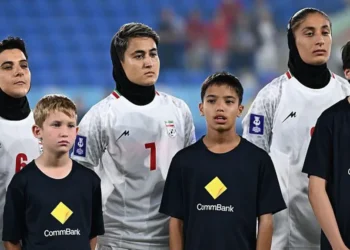
The incident began during Iran’s opening match of the tournament in Australia when members of the team stood silently as the Iranian national anthem played before kickoff. The moment was widely interpreted as a quiet protest against the Islamic Republic amid escalating political tensions and the outbreak of war involving Iran in the wider Middle East.

The gesture quickly attracted condemnation from Iranian state media. A presenter on state television accused the players of betraying their country and labelled them “traitors”, warning that such behaviour during wartime should be punished severely. Under Iran’s penal code, accusations of treason can carry harsh penalties including lengthy prison sentences. ()
Following the backlash, the atmosphere surrounding the team intensified. According to reports, officials accompanying the squad insisted the players sing the anthem in later matches and perform a military-style salute before games. Concerns also emerged that the athletes’ communications were being monitored and that relatives in Iran could face consequences if the players attempted to defect. ()
The controversy overshadowed Iran’s participation in the tournament. After losing their final group-stage match to the Philippines, the team was eliminated from the competition. But the drama surrounding the squad was only beginning.
Soon after the team’s exit, five players — Fatemeh Pasandideh, Zahra Ghanbari, Zahra Sarbali, Atefeh Ramazanzadeh and Mona Hamoudi — quietly left the team’s accommodation on Australia’s Gold Coast and sought protection from Australian authorities. Their decision came amid growing fears that returning to Iran could expose them to retaliation because of their protest and the public criticism directed at them.
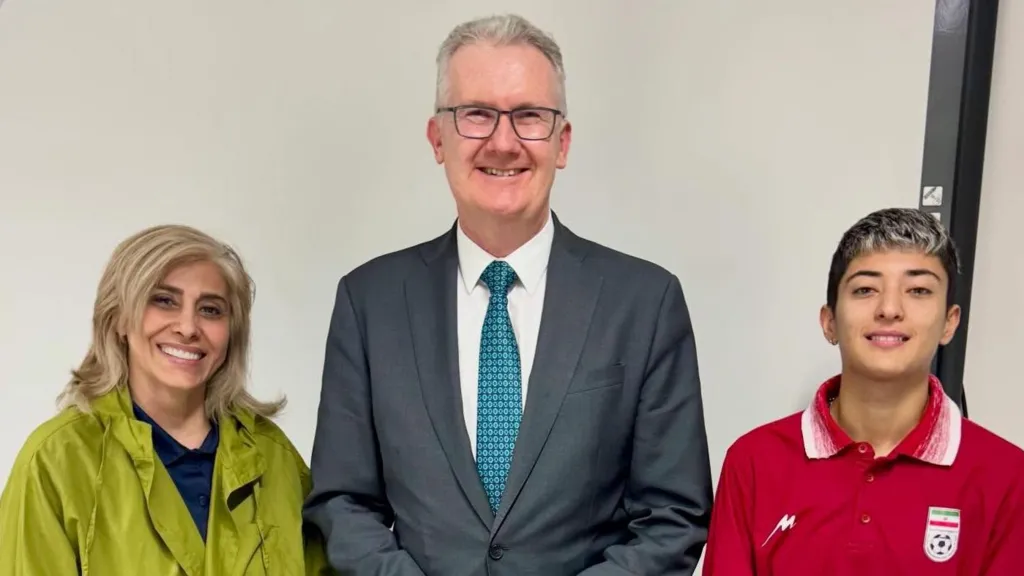
Australian officials moved quickly. The country’s Home Affairs Minister approved humanitarian visas for the athletes, allowing them to remain in Australia while their cases were assessed. The players were relocated to a secure location with assistance from the Australian Federal Police.
Two additional members of the Iranian delegation — another player and a staff member — later expressed their intention to remain in Australia as well, bringing the total number of asylum seekers connected to the team to seven. ()
The events drew widespread reaction from human rights groups and Iranian diaspora communities in Australia, many of whom had already been expressing concern about the players’ safety after the anthem protest. Activists organized demonstrations outside stadiums and hotels during the tournament, urging the athletes to remain in Australia and promising support if they sought protection.
Australia’s government confirmed that every member of the Iranian delegation had been given the opportunity to request asylum privately if they wished. Officials arranged confidential meetings with immigration officers and interpreters to ensure each person could make a decision without pressure from team officials or minders.
Despite the offers, most of the squad eventually boarded flights out of Australia after the tournament concluded. Their departure was marked by emotional scenes at the airport as supporters attempted to communicate with the players before they left.
For those who stayed behind, the decision carries significant personal consequences. Many of the athletes still have family members in Iran, and analysts say this factor likely influenced why most of the team ultimately chose to return home despite the risks.
The controversy surrounding the Iranian team reflects a broader pattern of political tension affecting sport in the country. In recent years Iranian athletes have used international competitions to express dissent against government policies, sometimes facing serious repercussions once they return home.
The 2026 Asian Cup incident became one of the most visible examples of this dynamic. The team’s silent refusal to sing the anthem was interpreted by many observers as a rare act of defiance from athletes representing a country where public dissent is tightly controlled.

International football organisations and human rights groups have urged authorities to ensure the safety of players who return to Iran and to protect those who have sought refuge abroad.
The episode also highlights the complex relationship between sport and politics during periods of international conflict. What began as a football tournament quickly evolved into a global story about personal risk, protest and the difficult choices faced by athletes representing nations under intense political pressure.
For the women who chose to remain in Australia, the future now lies far from the country they once represented on the international stage. Their decision marks both the end of one chapter in their sporting careers and the beginning of another — one shaped not only by football but by the pursuit of safety and freedom.
Related News:
 Iranian Footballers Escape Team Hotel to Seek Asylum
 Britain Demands Israel Reverse Ban on Aid Groups
 Iran Leader Blames Protesters, Says They Serve Trump
 Emails Show Epstein Funded Mandelson’s Husband After Jail
 Thousands Protest ICE in New York Against Trump Deportation Campaign
 The Martin Luther King Protégé Who Helped Reshape America
 ‘Anyone who runs is shot’: Russian soldiers describe killings of troops who refuse orders
 Iran, the US, and a World Cup That Starts in Three Months
 Watershed Moment as Russia’s Sporting Exile Ends
 Australia Urged to Shield Iranian Team After Anthem Protest
 China Moves to Enshrine ‘Ethnic Unity’ Law
 Istanbul Mayor Faces Corruption Trial Amid Political Storm
 Iranian Players Get Australian Visas After Anthem Protest
 Kinnock’s Rebuke Echoes Loudly as Corbyn Allies Launch Left-Wing Breakaway: “A Gift to Farage”
 Trump Administration Dismisses 17 Immigration Judges, Sparking Debate Over Judicial Independence
 England’s Euro Odyssey: A Tale of Grit, Glory and the Lionesses’ Miraculous March to the Final
 UK Must Act with Courage and Clarity on Israel-Palestine Conflict, Says Foreign Affairs Committee Report
 Tottenham Takes On Newcastle
 Trump Threatens 100% Tariff on Nations Importing Russian Oil Amid India Standoff Over Ukraine War
 Radioactive Leak at UK’s Nuclear Warhead Base Sparks Outcry Over Safety and Secrecy
 Mutual Inconvenience: Why Alaska Was Chosen for the Trump-Putin Summit on Ukraine
 Hong Kong Summons UK and Australian Envoys Following Asylum Grants to Democracy Activists
 Is the UK Ready to Put Boots on the Ground in Ukraine? Assessing Military Capacity and Challenges
 Conservative Influencer Charlie Kirk Fatally Shot During University Debate
 Channel Crossings Surge: Over 1,000 People Arrive in the UK in Small Boats in a Single Day
 Widow of Charlie Kirk Forgives Killer at Emotional Memorial Service
 Yvette Cooper Signals Global Momentum Towards Gaza Peace Deal Amid Humanitarian Crisis
 Chaos at Ibrox as Martin’s Rangers Era Comes to an End
 Arsenal Showcase Depth and Flexibility as Arteta Eyes Title Challenge
 Public Trust in SNP Hits Historic Low Amid NHS Concerns
 Johnson Suggests Mandelson Linked to China Spy Controversy
 Rachel Reeves signals welfare reform ahead of key budget
 Russia’s Latest Push to Win US Favors Shows Deep Desperation
 BBC to Apologise Over Edited Trump Speech Amid Backlash
 Britain deploys RAF specialists to assist Belgium with drone threats
 Trump Urges Herzog to Grant Netanyahu Full Pardon
 Indian authorities demolish Kashmir home linked to Red Fort blast
 Greene Pushes Epstein Files Amid Trump Fallout
 December Run-Off in Chile as Election Produces No Winner
 Canada Passes Carney’s First Budget in Tight Parliamentary Vote
 Shadow Fleet at Sea: Europe’s Battle Against Illicit Oil Shipping
 Tiny Curacao Makes History as Smallest Nation to Reach World Cup
 India’s COP30 Delay Raises Global Climate Concerns
 Georgians Defy Government Crackdown After Year of Protests
 Russia losses Ukraine war peace talks intensify amid rising deaths
 Albanese Opens Door to Bondi Royal Commission Amid Rising Pressure
 Trump Escalates Minnesota Immigration Surge Amid Rising Tensions
 Iran Protesters Defy Crackdown as Violent Clashes Intensify
 EU weighs response amid Greenland tariff crisis with Trump
 EU Says US Ties Have Suffered ‘Big Blow’ After Greenland Crisis
 Israel Moves to Bar MSF From Gaza Operations
 After the Landslide: Can India Reset Ties with BNP Bangladesh?
 Australian Families Leave Syrian Camp for Home
 Starmer Weighs Fast-Tracking Defence Boost
 Trump Attacks UK-California Energy Pact
 ‘I Would Scream in My Sleep’: Alawite Women from Syria Tell of Kidnap and Rape
 Nine Arrested in France Over Death of Far‑Right Student
 Andrew Arrest Sparks Republic Debate in Australia
 Australian PM Says Former Prince Andrew Has Suffered ‘Extraordinary Fall’ but That Won’t Prompt Republic Referendum
 Musk Cuts Starlink Access for Russian Forces – Giving Ukraine an Edge at the Front
 Farage Chagos Islands Row Sparks Fury
 Ukraine Negotiator Reveals What It Feels Like Facing Russia
 Chad Shuts Border With Sudan in Bid to Stop Conflict Spreading
 French Minister Moves to Block US Envoy Kushner from Government Access
 Hilary Knight speaks out on Trump’s recent hockey remarks
 Has Europe truly learned from the failures of 2022?
 American Citizen Killed in Cuba Boat Shooting, U.S. Officials Say
 Iran’s Regime Still Intact — Coming Days Will Test Its Survival
 Allies of US in the Gulf Bear Brunt of Iran Attacks
 Trump Faces Questions Over Iran Conflict Plan
 Israel Launches Ground Invasion of Lebanon Amid Widening Middle East War
 Herzog Asio meeting sparks security storm
 Nepal Holds First General Election Since Gen Z Protests Toppled Government
 Finland Plans to Lift Decades‑Old Ban on Hosting Nuclear Weapons
 Minister Meets Crews Who Will ‘Take Out’ Iranian Drones
 India T20 World Cup Triumph Seals Historic Title Defence
 Nine Days of Strikes Reshape the Middle East
 Trump Pressures Congress Over Save America Act
 Iran War Puts Trump at Political Risk Amid Rising Prices
 Iranian Football Squad Asylum Drama Shocks Australia