Published: 11 March 2026. The English Chronicle Desk. The English Chronicle Online.
The intensifying conflict between the United States, Israel and Iran has entered a crucial new phase as military planners quietly move toward what analysts describe as Plan B strategy. Despite confident public statements, the early campaign failed to deliver the rapid collapse of Iran’s leadership that many expected. As a result, policymakers in Washington and Jerusalem appear to be adjusting their approach to a longer and potentially more destructive confrontation.
Much of the global discussion surrounding the war has focused on the role of Donald Trump. Yet several observers argue that the decisive influence lies elsewhere. The central figure shaping the conflict’s direction is widely seen as Israeli prime minister Benjamin Netanyahu, whose government has framed the war in uncompromising terms. For Israel, victory cannot simply mean weakening Iran. Instead, the conflict is widely portrayed as a struggle that must end with Iran’s strategic capabilities fundamentally destroyed.
The challenge, however, lies in the complexity of such a goal. Even severe damage to Iran’s military or infrastructure may not achieve the desired outcome. If Iran’s leadership survives the conflict, it could respond by accelerating efforts to build a nuclear deterrent. Such a move would aim to prevent any similar attack in the future. In that scenario, the war could inadvertently push Tehran toward precisely the outcome its adversaries hoped to avoid.
Analysts note that eliminating this possibility would require extraordinary control over Iranian territory and institutions. Military forces would need access to sensitive sites scattered across the country. These include deeply buried facilities and storage locations for partially enriched nuclear materials. Air strikes alone are unlikely to secure such control, even if they involve the most advanced weapons available.
Recent reports suggest that the United States is preparing for an extended military presence around Iran. Naval deployments have expanded, with an additional carrier strike group reportedly moving into the region. The move reflects a broader expectation among military planners that the conflict may last far longer than originally predicted.

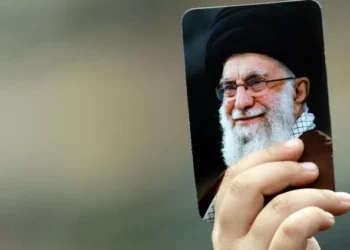
The early phase of the war was built around a bold and risky assumption. According to analysts, the initial objective involved eliminating Iran’s top leadership through targeted strikes. The plan focused particularly on the country’s supreme authority and key commanders within the powerful Islamic Revolutionary Guard Corps. The hope was that decapitation strikes would destabilise the government and trigger a rapid collapse of the ruling system.
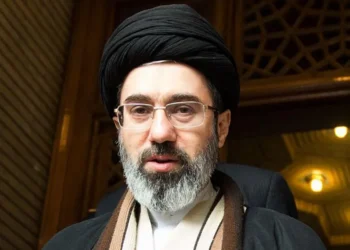
However, the outcome did not match those expectations. Iran’s political structure proved more resilient than anticipated. Even if individual leaders were removed, the system appeared prepared to replace them quickly. Potential successors have long been discussed within the ruling elite. Among the figures frequently mentioned is Mojtaba Khamenei, who some analysts believe could step forward if necessary.
Because the initial objective failed, strategists now appear to be exploring alternative paths to pressure the Iranian state. One element of the emerging Plan B strategy focuses on internal fragmentation. The idea involves encouraging unrest among minority communities across Iran’s diverse population. Groups such as the Kurds and the Baluchis have historically maintained distinct identities and grievances against the central government.
Yet observers caution that this approach faces serious obstacles. Many minority groups remain wary of external intervention, particularly from governments with complicated regional histories. Kurdish organisations, for example, may hesitate to cooperate closely with Israeli or American initiatives. Distrust toward foreign involvement remains a significant barrier.
The second element of the Plan B strategy may prove more controversial and far-reaching. It centres on targeting infrastructure and economic systems in order to undermine domestic support for Iran’s leadership. Military thinkers sometimes refer to this approach as the Dahiya doctrine. The concept emerged during Israel’s conflict with Hezbollah in 2006, when large sections of Beirut’s southern suburbs were heavily bombed.
Supporters of this strategy argue that overwhelming pressure on civilian infrastructure can weaken the political base of militant organisations or hostile governments. Critics, however, warn that such tactics risk devastating humanitarian consequences while failing to produce decisive political change.
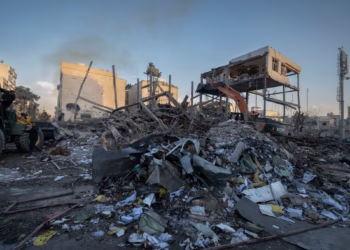
In recent conflicts, the doctrine has attracted intense scrutiny. Its most prominent application occurred during the prolonged war between Israel and Hamas in Gaza. That campaign inflicted massive destruction across the territory and resulted in significant civilian casualties. Despite the scale of the damage, Hamas remained operational in several areas.
For critics, the Gaza experience raises difficult questions about whether such strategies achieve their intended objectives. They argue that destruction alone rarely eliminates entrenched political movements. Instead, it may reinforce resistance and deepen long-term hostility.
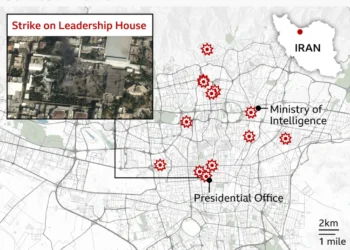
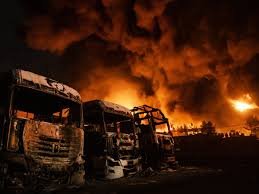
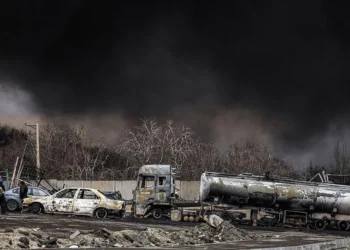
Nevertheless, evidence suggests that similar tactics are increasingly shaping the war against Iran. Reports indicate growing attacks on critical infrastructure throughout the country. These strikes have targeted energy facilities, transportation networks, and communication systems. The goal appears to be weakening Iran’s economic stability and public confidence in its leadership.
Public statements from US officials hint at the intensity of upcoming operations. Defence secretary Pete Hegseth recently warned that some of the heaviest strikes of the conflict could still lie ahead. His comments reflected a belief within parts of the American administration that sustained pressure will eventually force strategic concessions from Tehran.
If this approach continues, Iran could face widespread damage across multiple sectors of its economy. Yet the scale of the country presents enormous challenges for such a campaign. With a population exceeding ninety million people, Iran is vastly larger than territories where similar strategies were previously attempted.
Sustained attacks on infrastructure across such a vast nation would require months of military operations. Even then, the results would remain uncertain. Economic pressure might weaken the government, but it could also strengthen nationalist sentiment against foreign aggression.
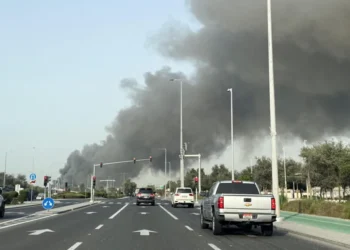
Regional consequences also remain a major concern. Analysts warn that Iran may respond by expanding attacks beyond its own borders. Oil and gas installations across the Gulf region could become targets for retaliation. Countries such as the United Arab Emirates, Qatar, Kuwait and Saudi Arabia all depend heavily on energy infrastructure that could be vulnerable to disruption.

Such strikes could trigger a shock to the global economy. Energy markets remain deeply sensitive to instability in the Gulf. Any sustained disruption could drive oil prices sharply higher. Economists often compare the potential impact to the crisis triggered by the 1973 oil embargo.
The possibility of a wider economic shock has raised alarm among policymakers worldwide. European governments in particular worry about energy supply stability. The United Kingdom and other countries remain closely connected to global oil markets.
Against this tense backdrop, some voices within Israel and the United States appear to be reconsidering the trajectory of the war. While public rhetoric remains confident, private discussions may reveal more caution. Several analysts believe that decision-makers are quietly exploring diplomatic off-ramps.
Whether such efforts succeed remains uncertain. Political pressures in both countries favour strong responses to perceived threats. Yet the longer the war continues, the greater the risks become for the entire region.
For now, the shift toward the Plan B strategy signals a turning point in the conflict. The early expectation of swift victory has given way to a more complicated and uncertain reality. Military power alone may not determine the outcome.
The coming months will reveal whether the new approach produces strategic results or deepens the crisis further. For millions of people across the Middle East, the stakes could not be higher.
Related News:
 Middle East Flights Halted After Iran Strikes
 US Iran Operation: Sixth Service Member Killed
 Hezbollah Anger Erupts as War Returns to Beirut
 Gaza Siege Deepens as Iran War Escalates
 Riyadh Drone Attack Escalates Regional War
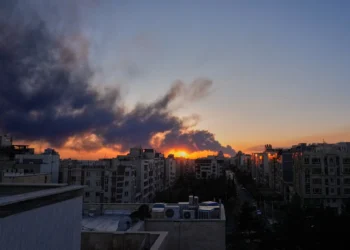 Middle East attacks intensify as Trump rejects Iran talks
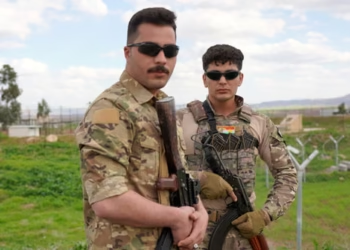 Iran-Iraq border airstrikes spark new tensions
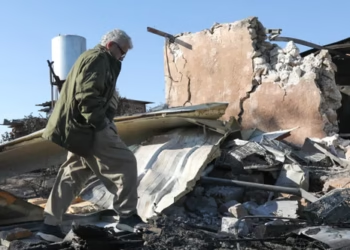 Iran-Iraq Border Strikes Spark New Front Fears
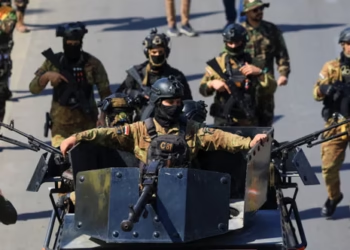 Iran-Backed Militias Escalate Attacks Across Middle East
 UK Prepares Aircraft Carrier for Middle East Crisis
 Mojtaba Khamenei Chosen as Iran’s New Supreme Leader
 Tehran Oil Depot Strikes Darken City With Toxic Smoke
 Seventh US Service Member Killed in Iran Conflict Identified
 Mojtaba Khamenei Supporters Rally as Iranians Fear Repression
 Tehran Strikes Mark War’s Most Devastating Night
 Iran Defiance Grows Amid US-Israel War Pressure
 Hormuz Crisis Sparks Global Oil Market Fears
 Iranian Exile Factions Seek US Backing for Iran’s Future
 BBC to Apologise Over Edited Trump Speech Amid Backlash
 Britain deploys RAF specialists to assist Belgium with drone threats
 Palace May Restore Hyphen to Andrew Mountbatten-Windsor’s Name
 Greene Pushes Epstein Files Amid Trump Fallout
 Trump Deploys DHS to Charlotte in Major Arrest Operation
 December Run-Off in Chile as Election Produces No Winner
 Zelenskyy Signs Fighter Jet Deal Amid Russian Drone Attacks
 Orban Says Ukraine Has ‘No Chance’ as EU Support Continues
 Canada Passes Carney’s First Budget in Tight Parliamentary Vote
 Shadow Fleet at Sea: Europe’s Battle Against Illicit Oil Shipping
 Tiny Curacao Makes History as Smallest Nation to Reach World Cup
 Deadly Russian Strikes Hit Western Ukraine, 20 Killed in Ternopil
 Ukraine Peace Plan: Zelensky Ready for Dialogue
 Royal Navy Shadows Russian Warships Entering the Channel
 US Suspends Afghan Immigration After White House Shooting
 Georgians Defy Government Crackdown After Year of Protests
 Tokyo court rules Japan’s same-sex marriage ban constitutional
 ‘Extinct’ Antelope Returns to Sahara, Bringing Hope
 American Mother Extradited From UK to U.S. on Murder Charges
 Facebook Slow to Remove Bondi Attack Praise, Anti-Hate Group Claims
 Albanese Opens Door to Bondi Royal Commission Amid Rising Pressure
 US Clears Nvidia AI Chip Sales to China in Policy Shift
 Gulf states warn Trump Iran strikes risk wider Middle East war
 EU weighs response amid Greenland tariff crisis with Trump
 Sydney Shark Attack Surge Shocks Australia Beaches
 EU Says US Ties Have Suffered ‘Big Blow’ After Greenland Crisis
 Videos reveal earlier clash before Alex Pretti shooting
 UK New Car Discounts Near £6,000 as Prices Are Slashed
 Israel Moves to Bar MSF From Gaza Operations
 Portugal Election Delivers Socialist Win as Far Right Surges
 Australian Families Leave Syrian Camp for Home
 ‘I Would Scream in My Sleep’: Alawite Women from Syria Tell of Kidnap and Rape
 Andrew Arrest Sparks Republic Debate in Australia
 Farage Chagos Islands Row Sparks Fury
 Hilary Knight speaks out on Trump’s recent hockey remarks
 Has Europe truly learned from the failures of 2022?
 Social Media Trial: Woman Says Addiction Began at Six
 Iran’s Regime Still Intact — Coming Days Will Test Its Survival
 Allies of US in the Gulf Bear Brunt of Iran Attacks
 Trump Faces Questions Over Iran Conflict Plan
 In Maps: Strikes Across Iran and the Middle East
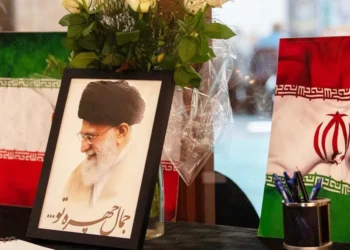 Months of Planning Behind US‑Israeli Mission to Target Iran’s Supreme Leader
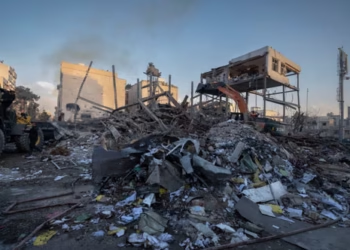 Iran Civilian Deaths Surge Past 200 Amid Fear
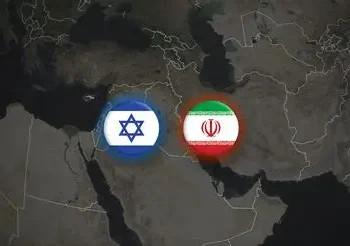 The Third Day of the US‑Israeli War With Iran
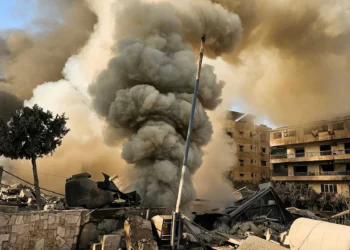 Israel Launches Ground Invasion of Lebanon Amid Widening Middle East War
 Herzog Asio meeting sparks security storm
 Trump rebukes Starmer over Iran strikes
 Civilian Deaths in Iran Pass 700 Amid Fear of Bombs and Regime Clampdown
 Petrol Prices Soar as Retailers Accused of Gouging Amid Global Tension
 Penny Wong silent on Australian crew in sub strike
 Macron Finds ‘Freedom Fries’ Redemption in Iran Crisis
 Australians on US Submarine in Iranian Warship Strike
 Thousands Protest Iran Strikes Outside US Embassy London
 US Bombers Arrive at RAF Base Amid Rising Iran Tensions
 Oil Prices Surge Above $100 Amid Iran War
 India T20 World Cup Triumph Seals Historic Title Defence
 Nine Days of Strikes Reshape the Middle East
 Trump Pressures Congress Over Save America Act
 Ukraine Sends Drone Experts to Defend US Bases in Jordan
 Iran’s New Leader Faces Existential Test
 Iranian Football Squad Asylum Drama Shocks Australia
 Goma Drone Attack Kills Three as Conflict Escalates